Science that matters
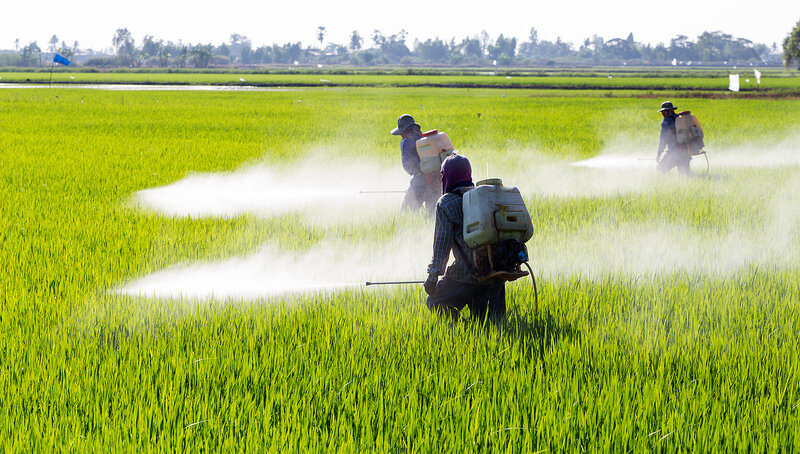
Plant protection with fewer chemicals would have positive global effects
What would happen if farmers around the world switched to sustainable plant protection? A study published today in Nature Communications, with the participation of Eawag and ETH Zurich, investigated this question. Most of the more than 500 experts surveyed believe that the long-term consequences would be positive – even from an economic perspective. However, the prevailing effects would vary depending on the region of the world. Read more
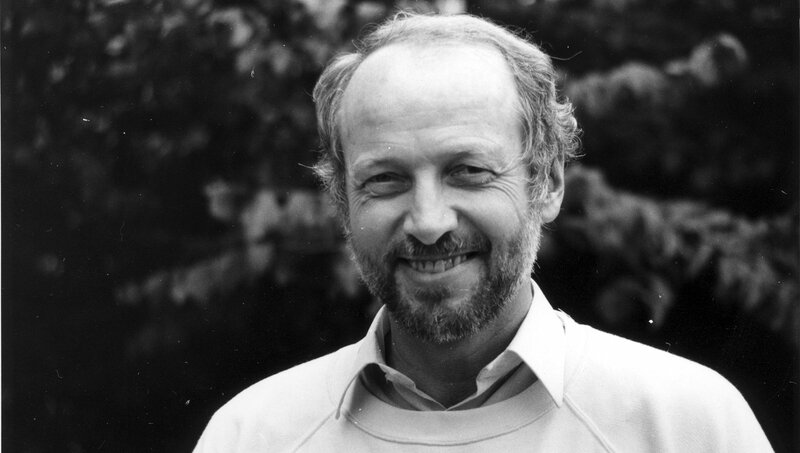
Environmental chemist Walter Giger has passed away
Walter Giger was a pioneer in the life cycle analysis of environmental pollutants. He analysed, but also insisted that action be taken when the harmfulness of a substance was proven. His work on toxic nonylphenols attracted worldwide attention. Read more
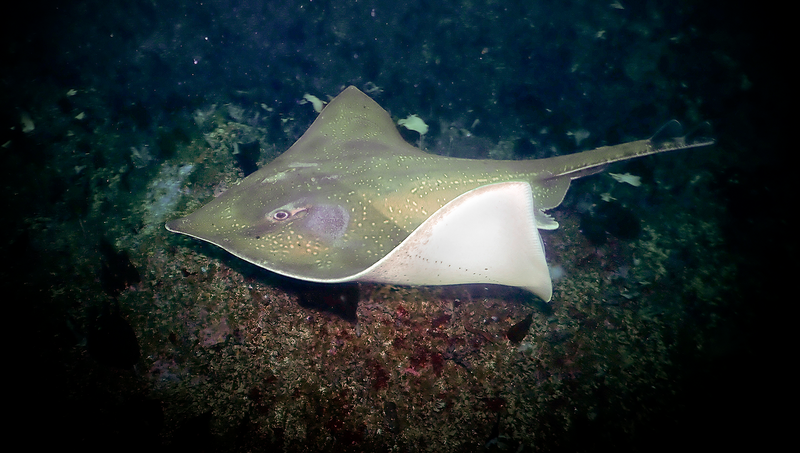
Animal tracking deep underwater
 
A new combination of data and statistical algorithms makes it possible for the first time to precisely track the movements of animals deep underwater. An initial study of flapper skate will help to develop targeted measures to conserve these Critically Endangered animals and designate suitable protected areas. Read more
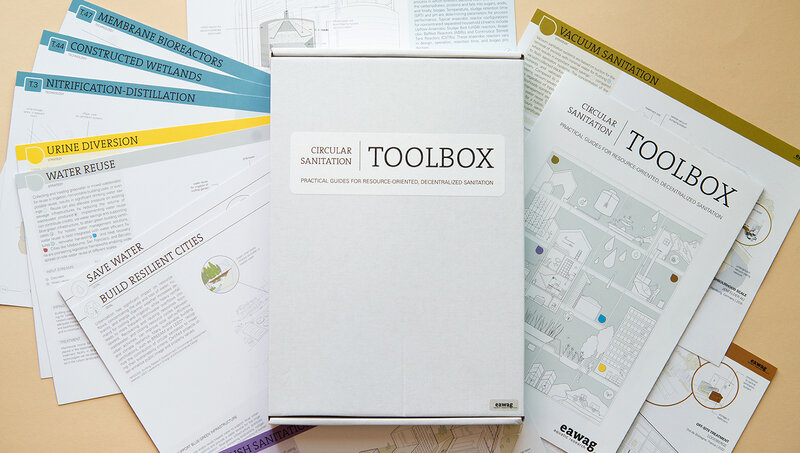
Toolbox for planning decentralised sanitation systems
An Eawag toolbox provides an overview of technologies for decentralised sanitation systems, their respective advantages and examples of built systems. Read more
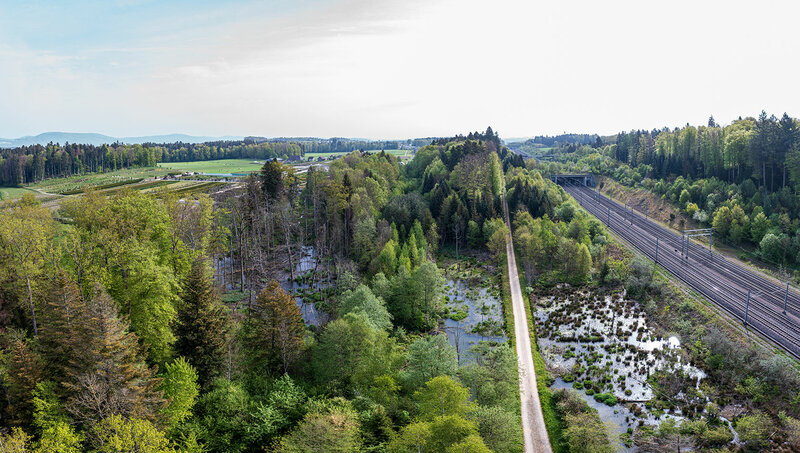
Beavers create habitats for bats

Many species benefit from the habitats that beavers create by building dams – and not just aquatic life, but also bats. Read more
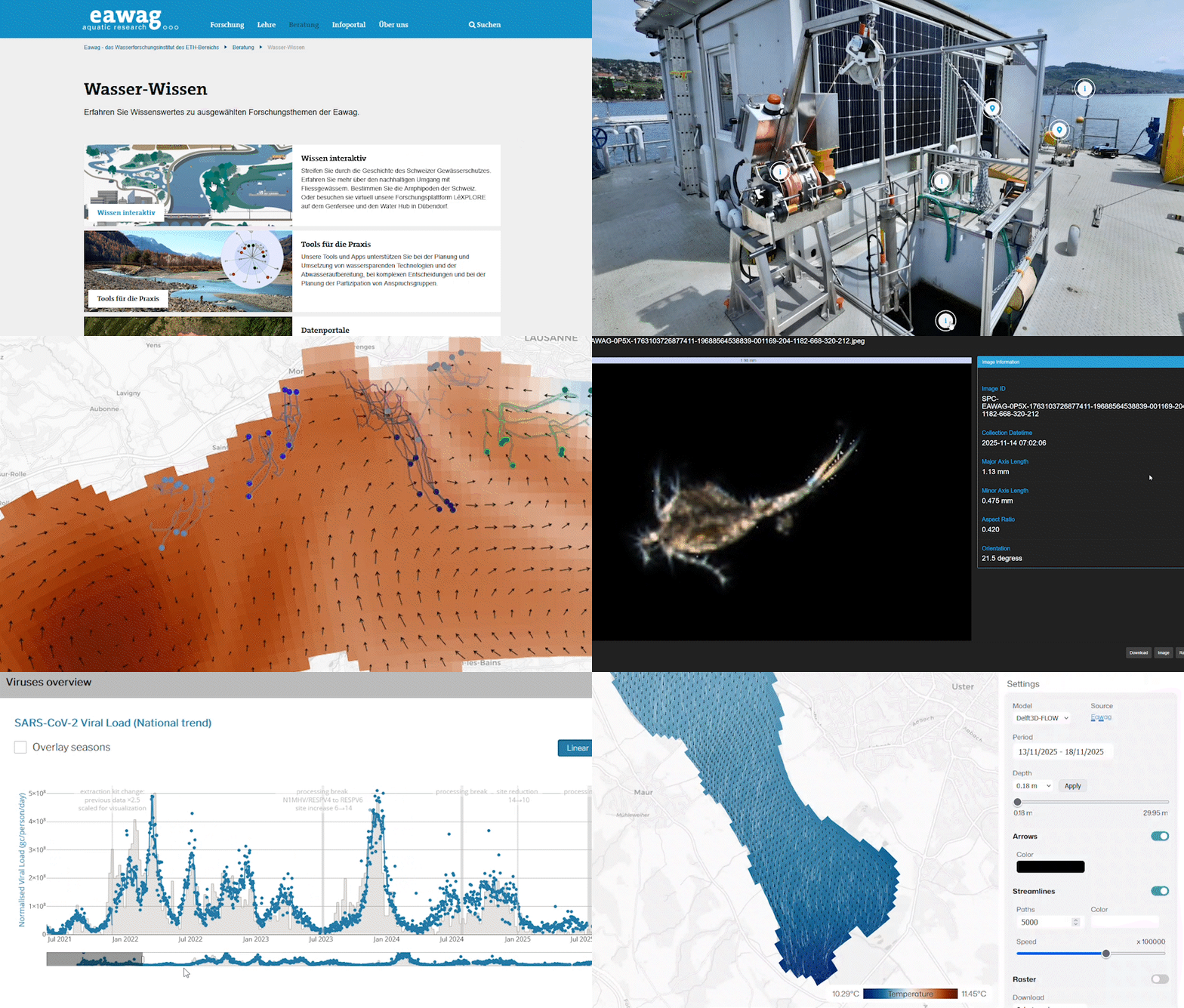
Water knowledge – facts and figures presented in an interactive and exciting way
Find out interesting facts about selected Eawag research topics, such as the history of water protection in Switzerland, the LéXPLORE research platform on Lake Geneva, health data from wastewater, information and forecasts for Swiss lakes, and much more. To water knowledge
Eawag in the media and on social media
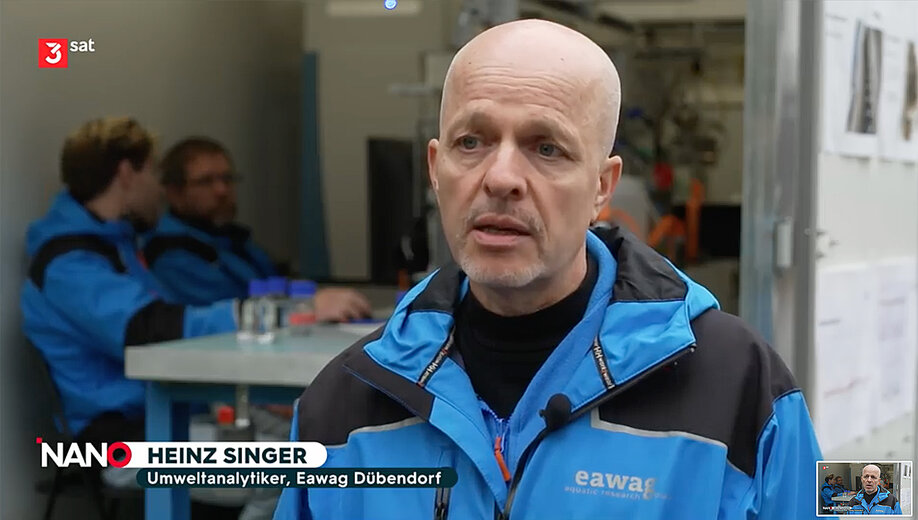
Media – the most exciting articles from print media, radio and television
Social media wall – everything at a glance
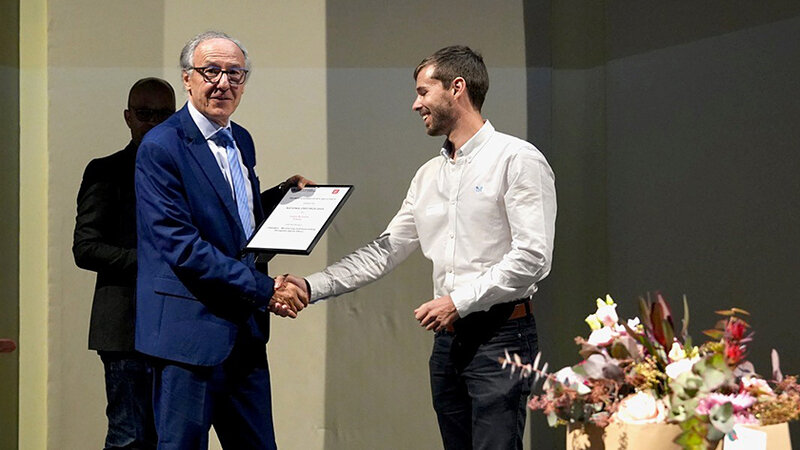
Alplakes receives prize for open research data
James Runnalls, software engineer at the aquatic research institute Eawag, receives the National Prize for Open Research Data for developing the interactive online platform alplakes for monitoring and forecasting alpine lakes. Read more
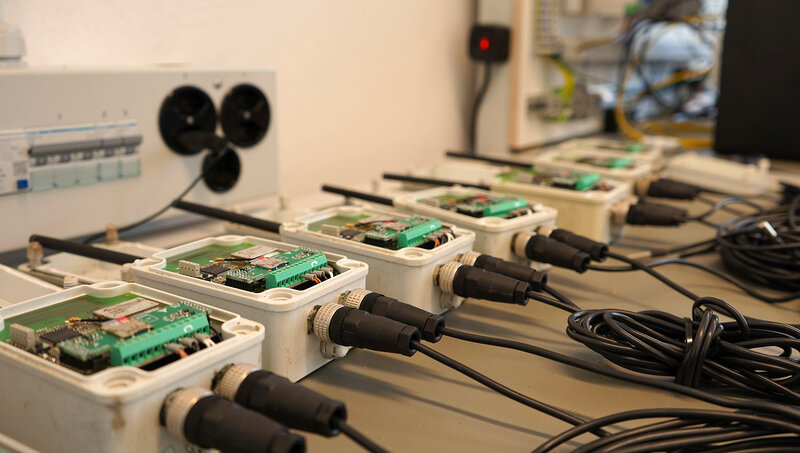
10 years of Eawag Sensorlab
Interview with three Eawag employees who have been involved with the Sensor Lab since the beginning: Bernhard Wehrli, the main initiator of the lab, Jörg Rieckermann, head of the Network Management Group, and Christian Ebi, an employee from the very beginning. Read more
January 20, 2026,  9.00 am -  5.00 pm
Ressourcen-orientierte Sanitärsysteme: Technologien, Chancen und Herausforderungen
PEAK-VaLoo Basiskurs, Eawag Dübendorf
Final Event, Eventform Bern
January 29, 2026,  9.00 am -  5.00 pm
FIBER Seminar 2026, Hotel ARTE Olten
31. Mai 2026 -  5. Juni 2026
Eawag Kastanienbaum
September  8, 2026,  9.00 am -  5.00 pm
Water & Energy Transition
Eawag Info Day 2026, Lucerne
In our agenda you will find further events as well as our Eawag seminars with internationally renowned researchers and the Practice-oriented courses at Eawag (PEAK).
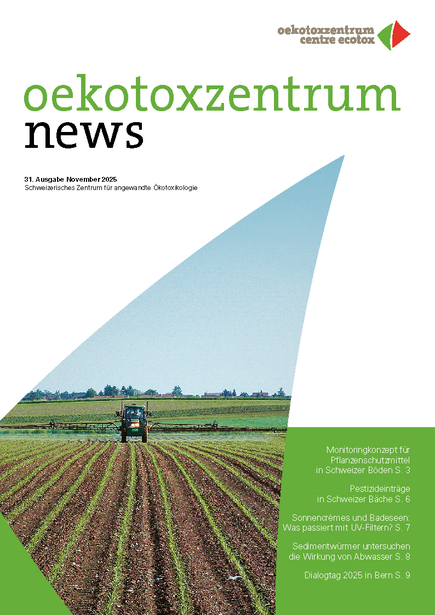
Oekotoxzentrum News
The Ecotox Centre provides information on latest projects, events and background knowledge from the field of ecotoxicology. In German and French.
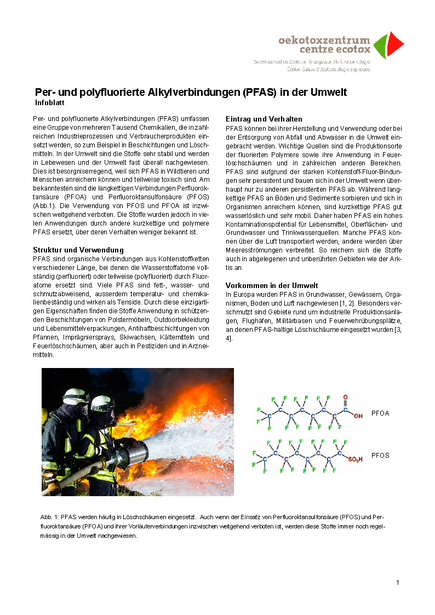
Per- und polyfluorierte Alkylverbindungen (PFAS) in der Umwelt
Updated PFAS info sheet from the Ecotox Centre. In German and French.
Scientific publications from Eawag can be found on DORA Eawag.
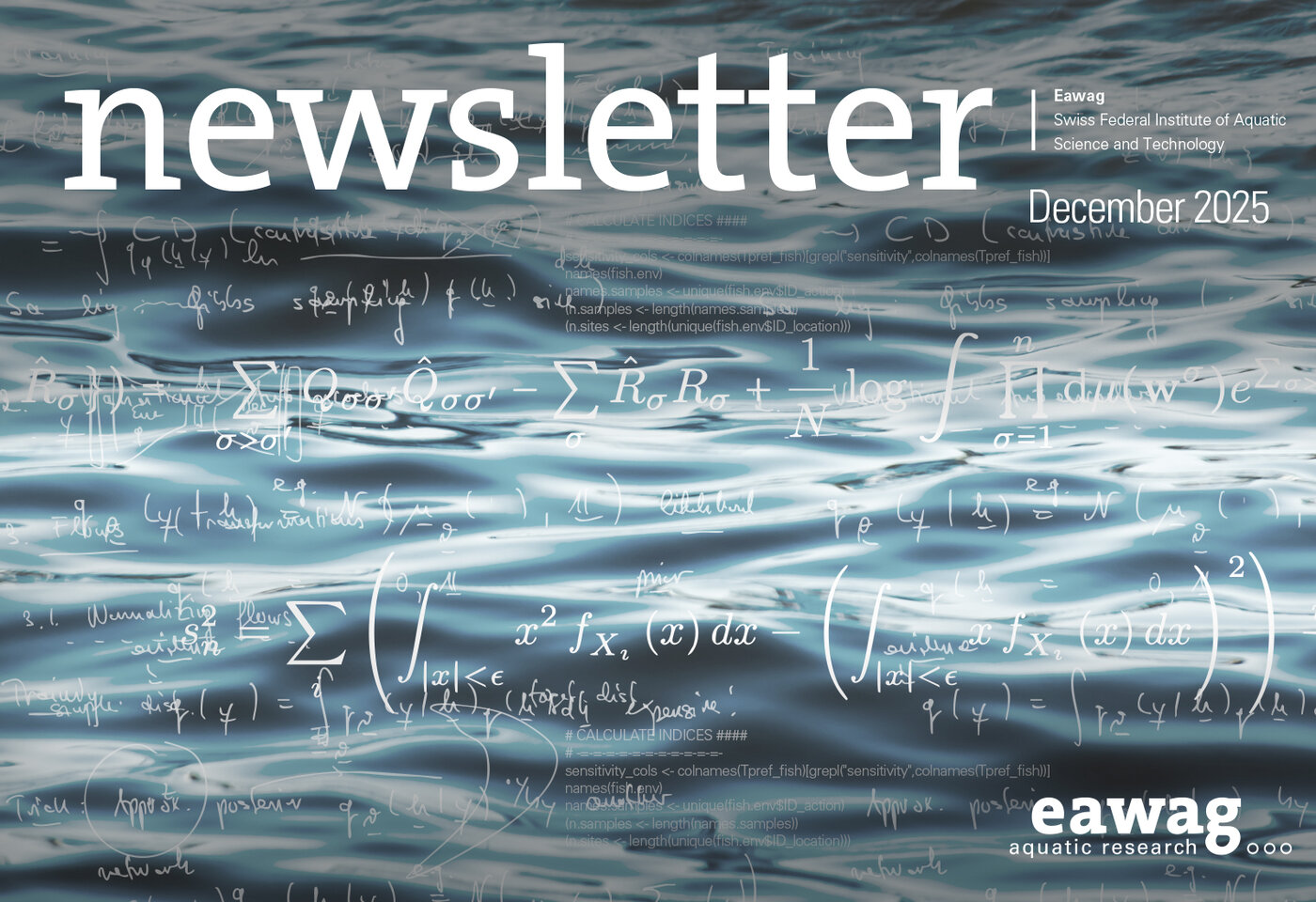
Cover picture: Artificial intelligence, data science, modelling and digitalisation are now central elements of water research. Eawag researchers, in particular the Department Systems Analysis, Integrated Assessment and Modelling, use these technologies and develop innovative approaches and algorithms to identify plankton species, predict the toxicity of chemicals, simulate riverine biocoenoses, study insect biodiversity and the development of floods and droughts. Foreground: handwritten notes, formulas and programme codes of Eawag researchers. Background: Shutterstock, Ostranitsa Stanislav.

You can find more articles on our News Portal.
If you have any questions or suggestions, please send us an e-mail to redaktion@eawag.ch
or visit our website eawag.ch.

Publisher
Eawag: Swiss Federal Institute of Aquatic Science and Technology

Contact
Eawag
Überlandstrasse 133
8600 Dübendorf
Switzerland
www.eawag.ch
redaktion@eawag.ch
The texts and photos credited as "Eawag" on the linked websites are subject to the Creative Commons “Attribution 4.0 International” licence. As long as the source is indicated, this material may be freely copied, redistributed and modified. Further information on the licence.