Science that matters
Rare earths pollute Zurich's waters
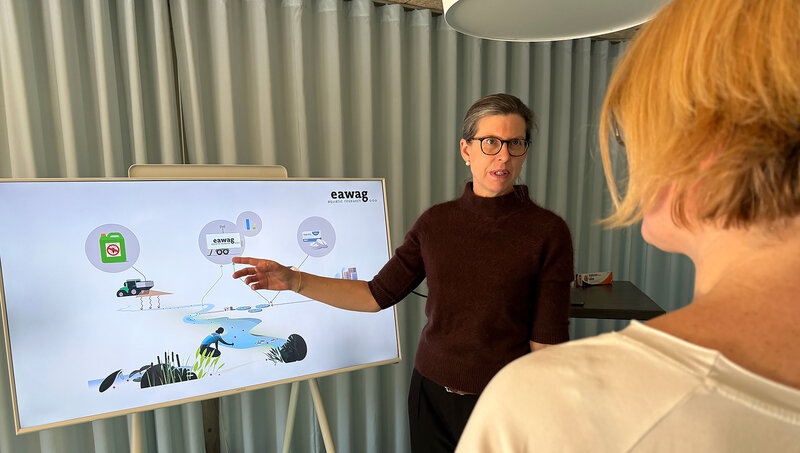
An investigation in the canton of Zurich has shown that certain rare earth elements can enter bodies of water via wastewater treatment plants in concentrations that pose a risk to aquatic organisms. These elements are gadolinium, which comes from contrast agents used in healthcare facilities, as well as lanthanum and cerium, which are used in a number of wastewater treatment plants to remove phosphorus. Read more
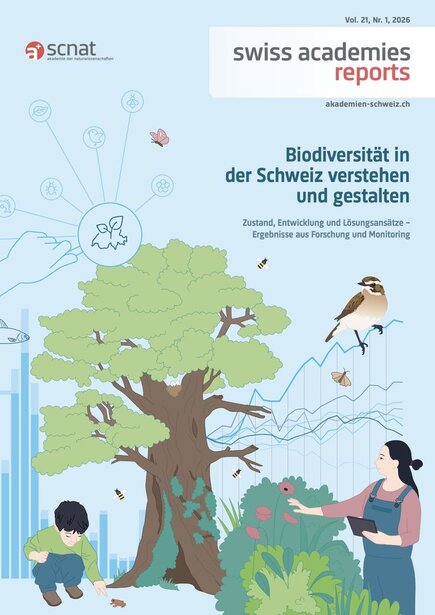
New Biodiversity Center of WSL and Eawag
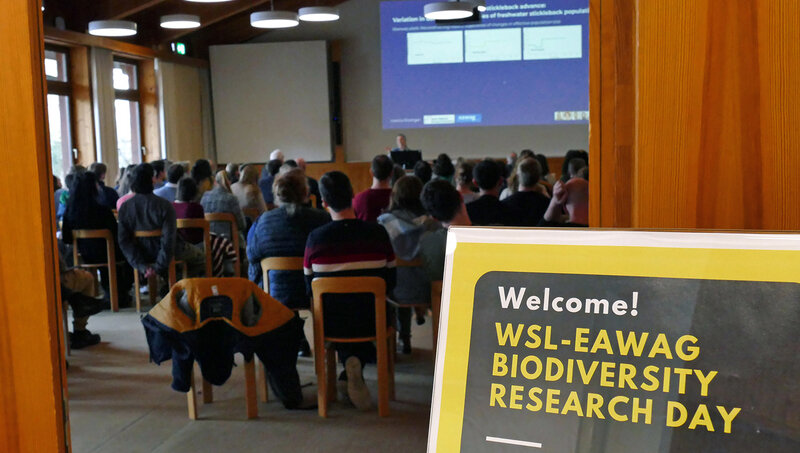
In the new WSL-Eawag Biodiversity Center, the two research institutes are joining forces to conduct joint research into the loss and protection of biodiversity on land and in water. The Center connects researchers and increases the visibility of WSL and Eawag biodiversity research in science and practice. Read more
Temporal changes in leaf fall have consequences for amphipods
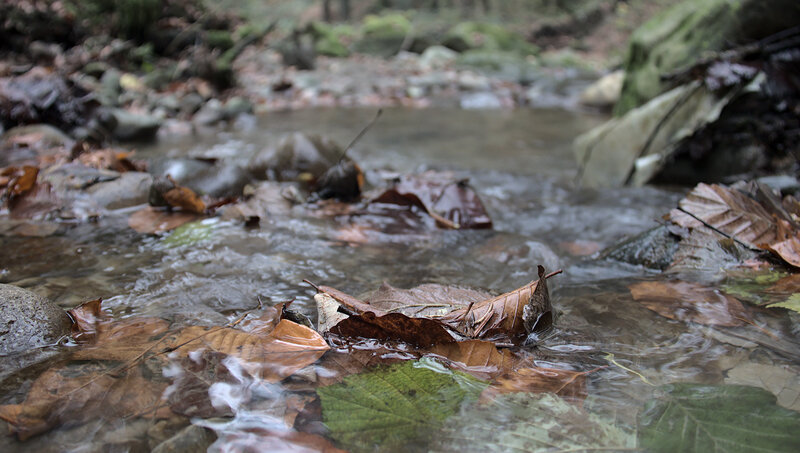
Aquatic ecosystems are fragile. But just how fragile they are has been revealed in a new study by Eawag and the University of Zurich. Researchers investigated how climate change is affecting amphipods by shifting the timing of leaf fall in autumn. These creatures feed on leaves and, as the base of the food chain, have an impact on the entire ecosystem. Read more
From flea repellent to waterways
 
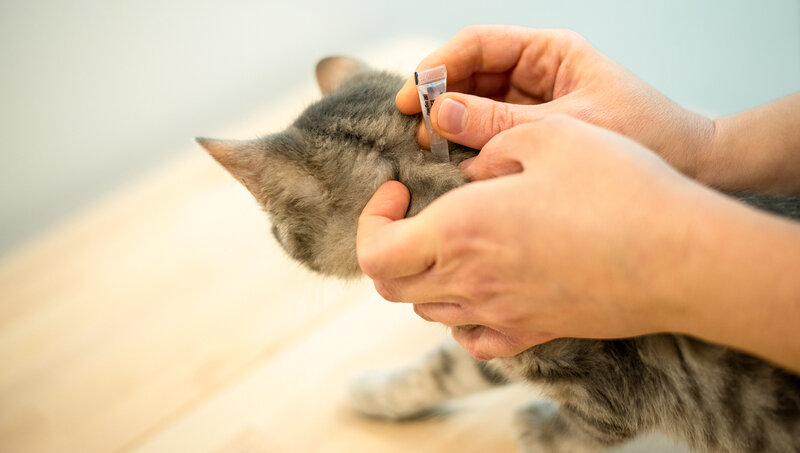
The insecticide fipronil has been detected in Swiss waterways in concentrations that are critical for aquatic life. It has not been  permitted for use as a plant protection product for many years. A study involving Eawag now shows that the most likely source of contamination is flea and tick repellents for pets. Read more
Plastic pollution: From Phu Yen to a global solution
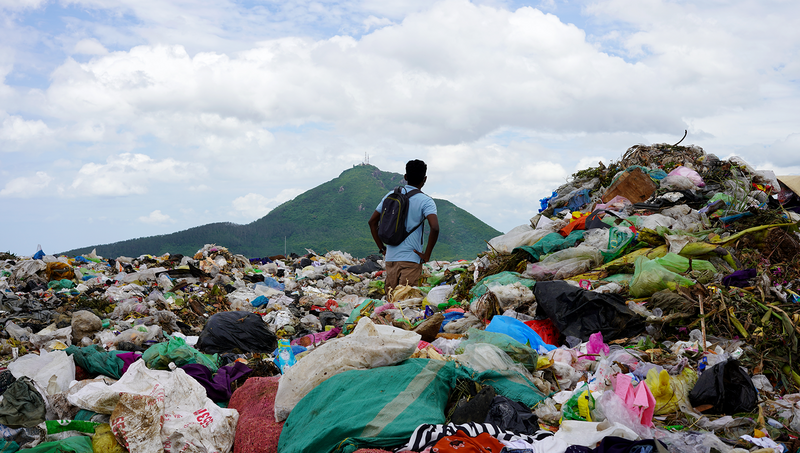
A new study from the Vietnamese province of Phu Yen shows that most of the plastic waste that ends up in the region's waters comes from uncollected waste and leakage during collection and transport. If these findings are translated into targeted measures, Phu Yen could serve as a model for other region. Read more
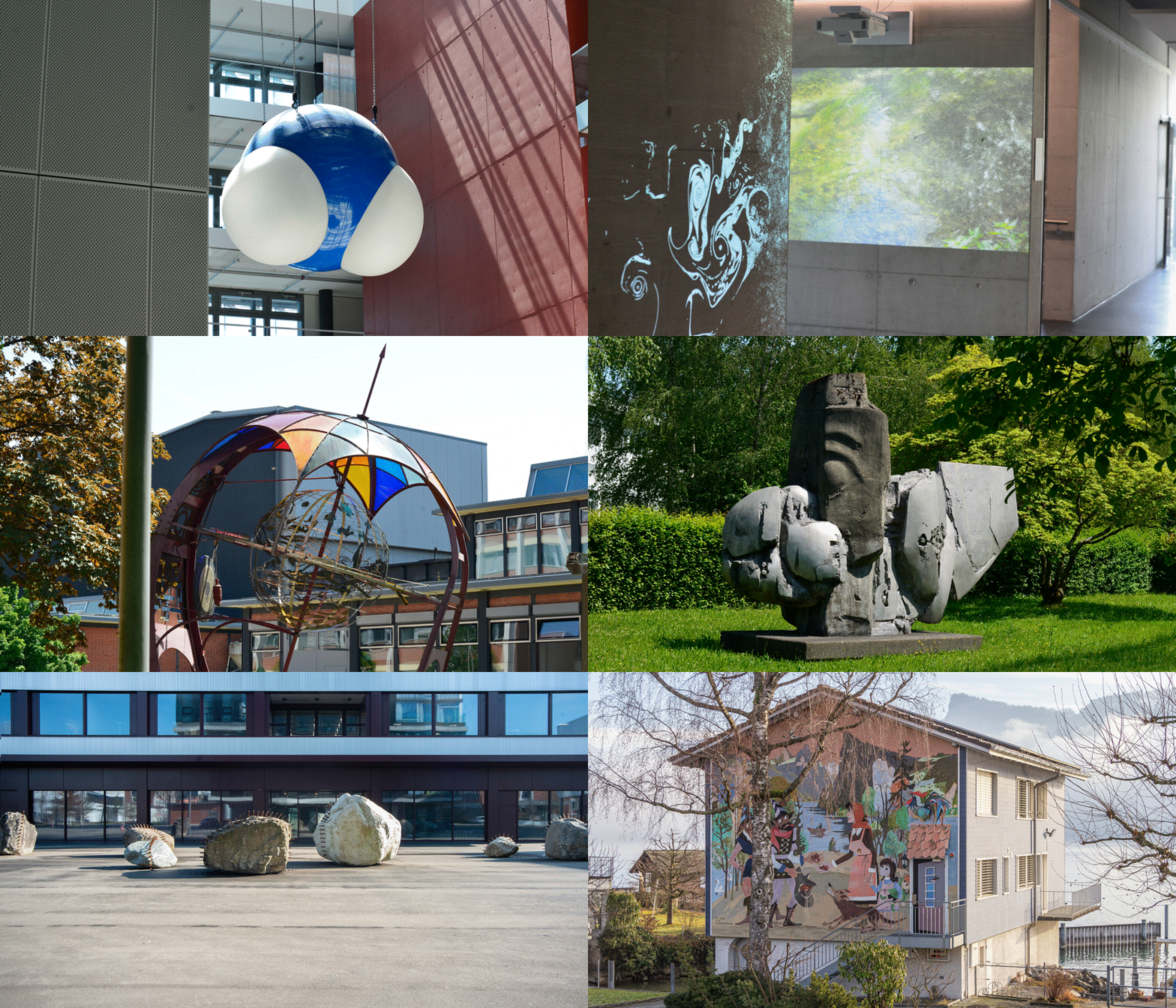
Art on the campus
The Eawag sites are dominated by office and laboratory buildings and research infrastructures such as the ARA test hall and test ponds in Dübendorf and the boathouse in Kastanienbaum. But if you take a closer look, you will discover works of art between, on and in the buildings, most of which were created as ‘art in architecture’. They offer creative insights into research and local history – and invite you to explore. To the works of art
Eawag in the media and on social media
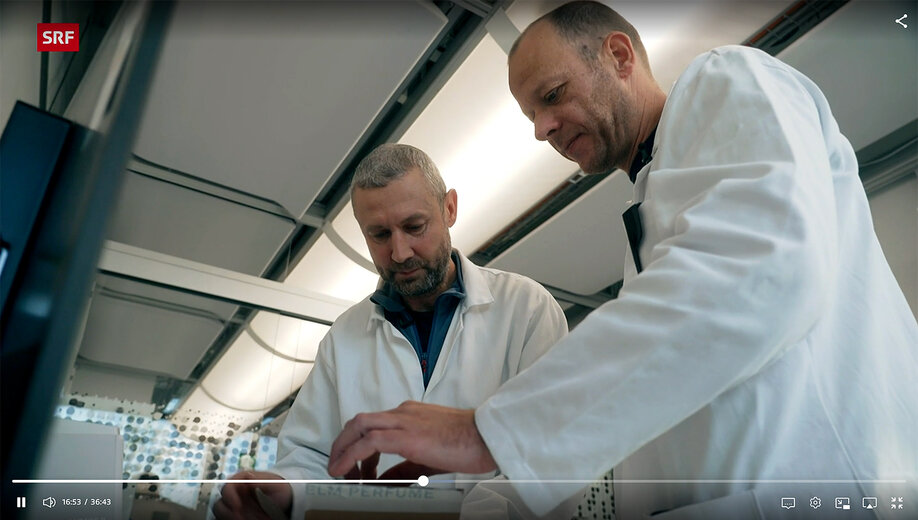
Media – the most exciting articles from print media, radio and television
Social media wall – everything at a glance
The five most read articles in 2025
The news highlights the diversity of current water issues: the invasive quagga mussel, a cold shock in Lake Geneva, pesticide pollution in streams, the challenges posed by blue-green algae blooms, and information on PFAS. Read more
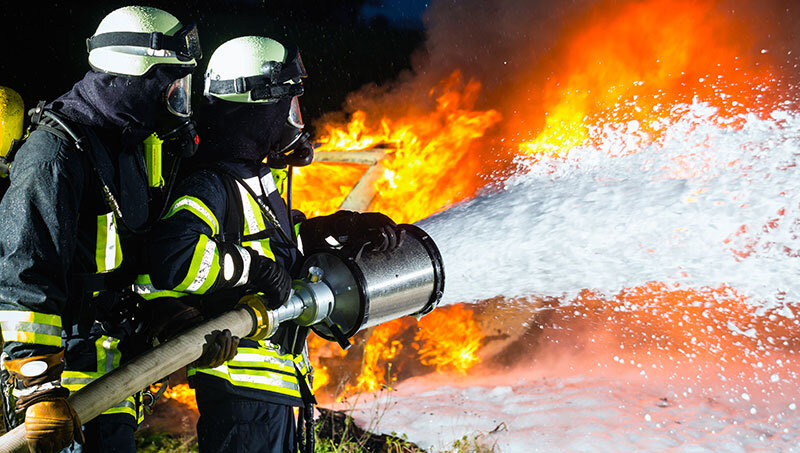
Interesting facts about the forever chemical PFAS PFAS chemicals pollute water, soil and even humans for generations. On our new PFAS website, you will find the latest results from Eawag research, publications, events and background information on PFAS. Read more
Research meets the future: AI for sustainability
 At the 2026 WEF in Davos, the ETH Domain presented highlights from its research, demonstrating how artificial intelligence is paving the way for greater sustainability. Read more
Eawag is a pioneer in open access to its research
For years, Eawag has been committed to ensuring that its research findings are "open access" – in other words, accessible free of charge. Within the Swiss higher education landscape, it achieves top marks in this regard. Read more
ETH Medal for Lisa Deutsch
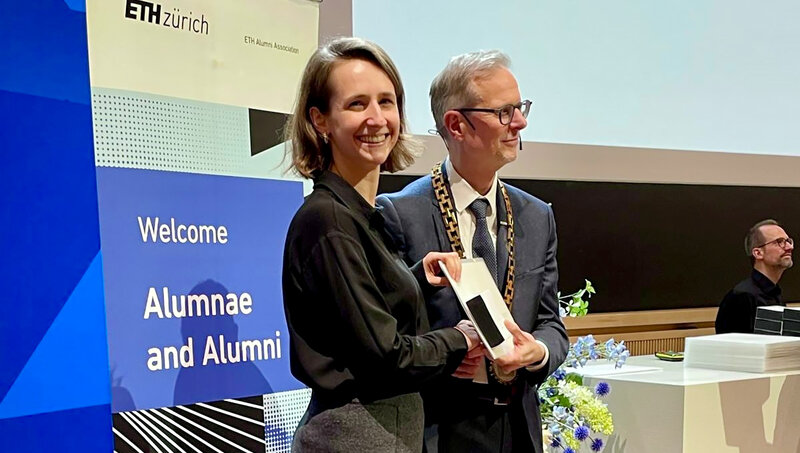
Sociologist and political scientist Lisa Deutsch was awarded the ETH Medal for her doctoral thesis written at Eawag and ETH Zurich. Read more
March  1, 2026, 11.00 am -  1.00 pm
Wasserknappheit: Neue Denkansätze und Wege
Presentation, Alte Kaserne Winterthur
March 18, 2026,  9.00 am -  5.00 pm
Zentrale vs. lokale Abwasserentsorgung
VSA-Fachtagung Bern, Eventforum Bern
March 19, 2026,  9.00 am -  5.00 pm
Satellite data as a supplement to lake monitoring
PEAK practical application course
March 26, 2026,  4.00 pm -  5.00 pm
Eawag seminar, Eawag Dübendorf & online
June 29, 2026,  9.00 am -  5.00 pm
Toxic Cyanobacteria: Identification, Characterization and Communication
PEAK consolidation-level cours, Eawag Dübendorf
September  8, 2026,  9.00 am -  5.00 pm
Water & Energy Transition
Eawag Info Day 2026, Luzern
In our agenda you will find further events as well as our Eawag seminars with internationally renowned researchers and the Practice-oriented courses at Eawag (PEAK).
Politradar Wasser Nr. 46, Januar 2026
Brief notes on national and cantonal water policy, with a look at neighbouring countries and the EU.
Subscribe to Politradar Wasser (in German)
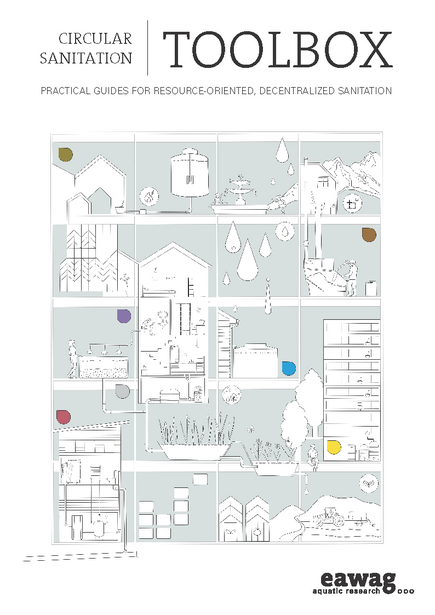
Circular Sanitation TOOLBOX
Overview of technologies for decentralised sanitation systems, their respective advantages and examples of installations.
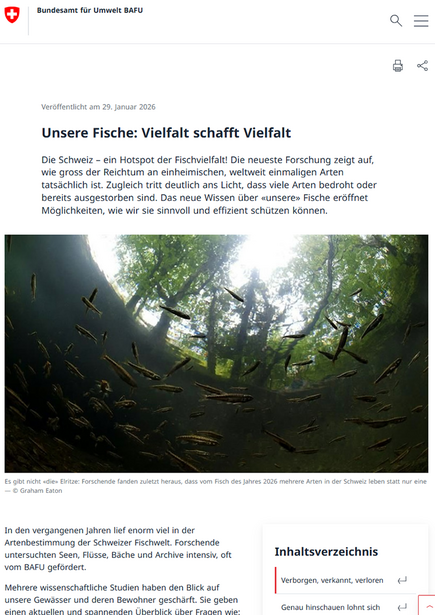
Unsere Fische: Vielfalt schafft Vielfalt
FOEN Website
(in German, French and Italian)

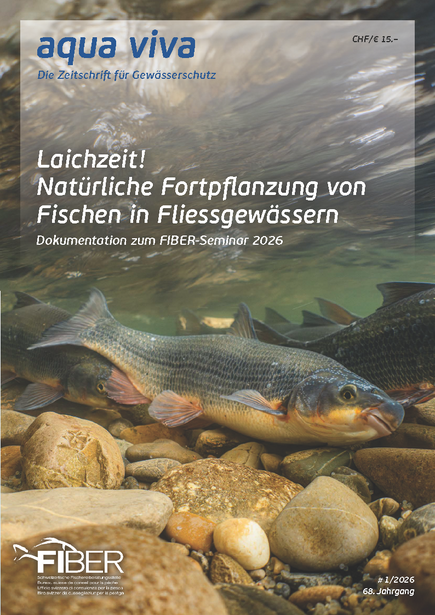
Laichzeit! Natürliche Fortpflanzung von Fischen in Fliessgewässern
Journal aqua viva 1/2026, Documentation of the FIBER-Seminar 2026
(in German)
Scientific publications from Eawag can be found on DORA Eawag.
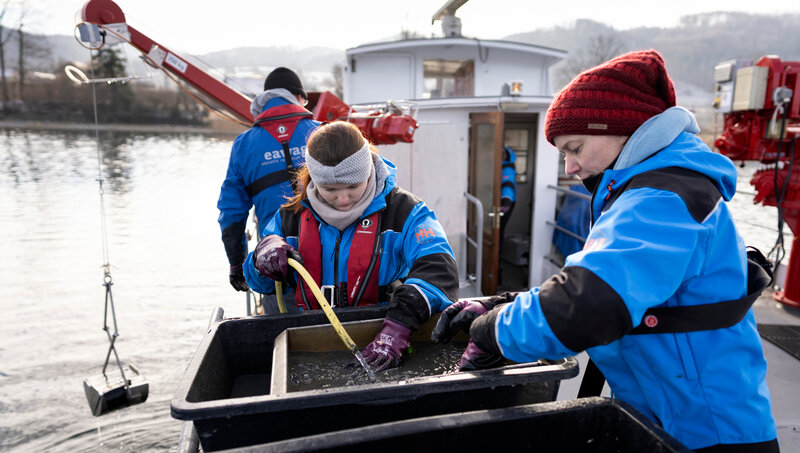
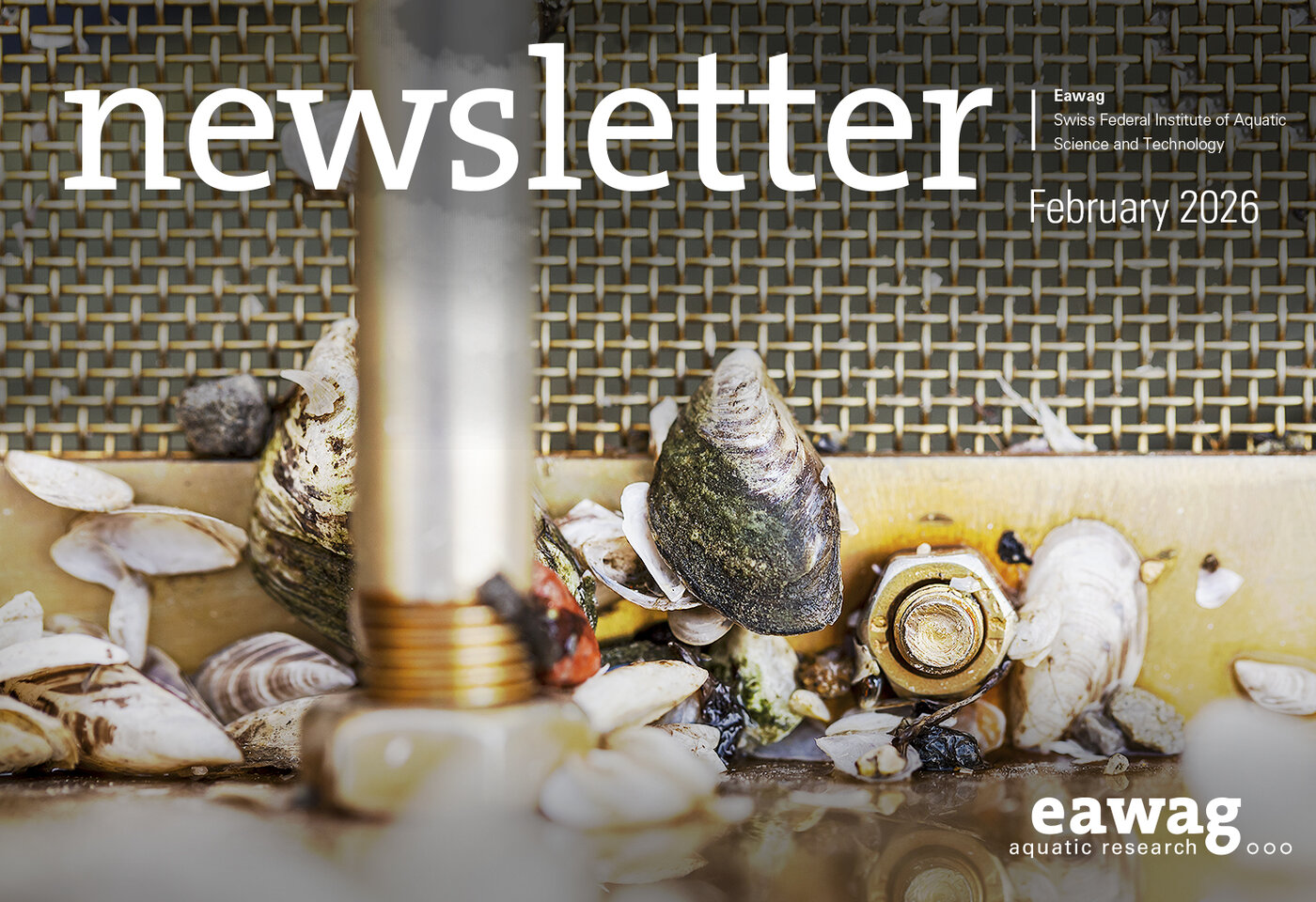
Cover photo: The invasive quagga mussel is spreading rapidly in Swiss lakes. It damages ecosystems and infrastructure and causes high costs. Researchers at Eawag are studying its populations in order to develop monitoring and prevention strategies. They use a sediment grabber to take samples from the lake bed and wash them in a sieve (see photo). The mussel shells remaining in the sieve are then counted and measured in the laboratory. (Photo: Eawag, Alessandro Della Bella)
More about the quagga mussel

You can find more articles on our News Portal.
If you have any questions or suggestions, please send us an e-mail to redaktion@eawag.ch
or visit our website eawag.ch.

Publisher
Eawag: Swiss Federal Institute of Aquatic Science and Technology

Contact
Eawag
Überlandstrasse 133
8600 Dübendorf
Switzerland
www.eawag.ch
redaktion@eawag.ch
The texts and photos credited as "Eawag" on the linked websites are subject to the Creative Commons “Attribution 4.0 International” licence. As long as the source is indicated, this material may be freely copied, redistributed and modified. Further information on the licence.