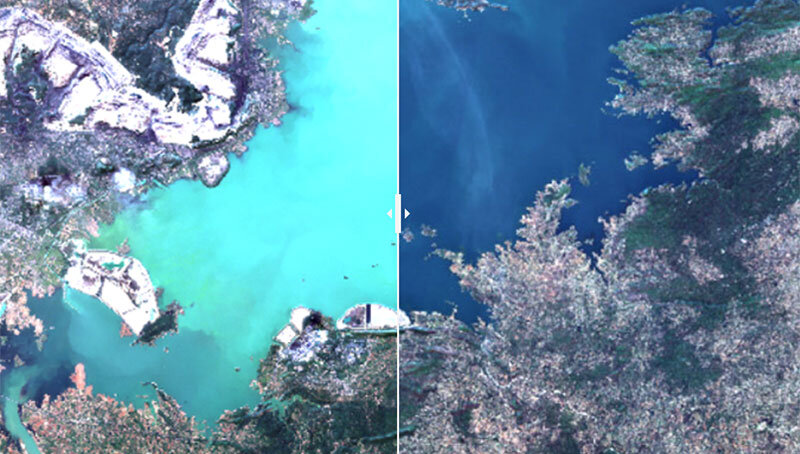
Coronavirus lockdowns: lakes became clearer worldwide
During the COVID-19 pandemic, the world came to a standstill – and many lakes became measurably clearer. A global study shows that lockdowns caused water turbidity in lakes worldwide to drop sharply, particularly in lakeshore regions and river mouths, as a result of reduced industry, traffic and leisure activities. Read more
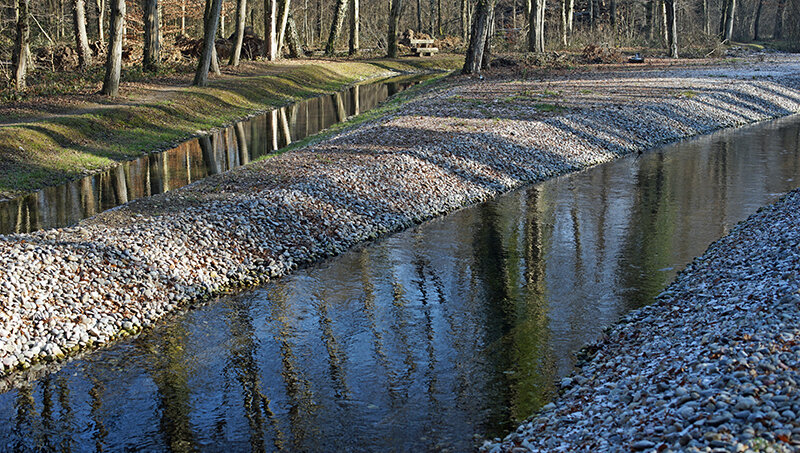
New method for monitoring groundwater recharge
Artificial groundwater recharge is one way of preparing for increasingly frequent dry spells. The length of time the water spends in the ground between infiltration and extraction is crucial to its quality. A study shows that environmental tracers, which enter rivers via the cooling water from nuclear power stations, can be used to determine this residence time. Read more
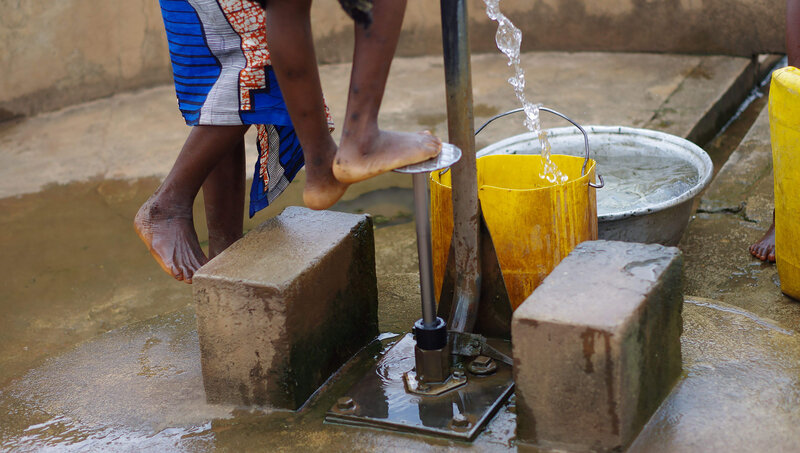
"Where water flows, equality grows"
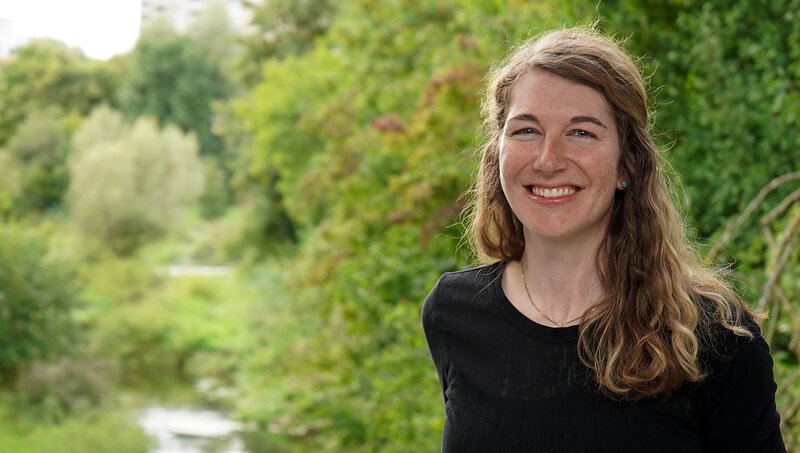
The theme of the World Water Day in 2026 was "Water and Gender". What does water have to do with gender equality? And why does access to water determine education, dignity and power? We discuss this with Jessica MacArthur, knowledge broker in Eawag's Research Department Sandec. Read more
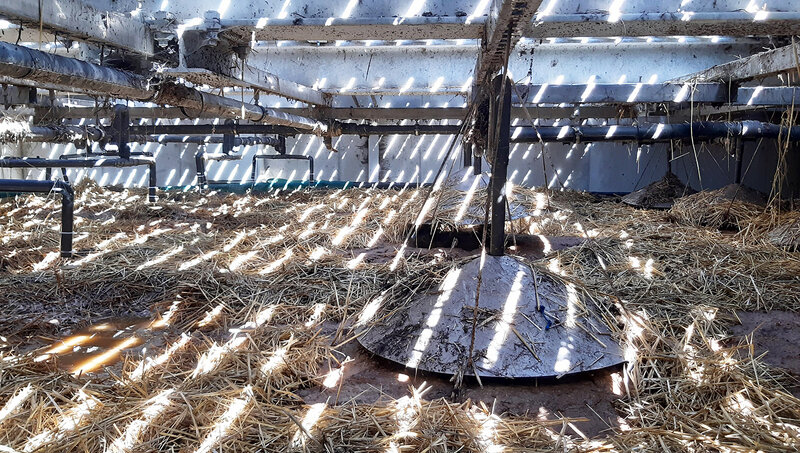
How local materials and climate shape optimal vermifilter design
Vermifiltration offers a nature-based solution for wastewater treatment. It shows promise globally because of its low cost. Researchers at Eawag’s Sandec department visited vermifilter installations in India and Switzerland to examine how local differences influence their optimal design. Read more
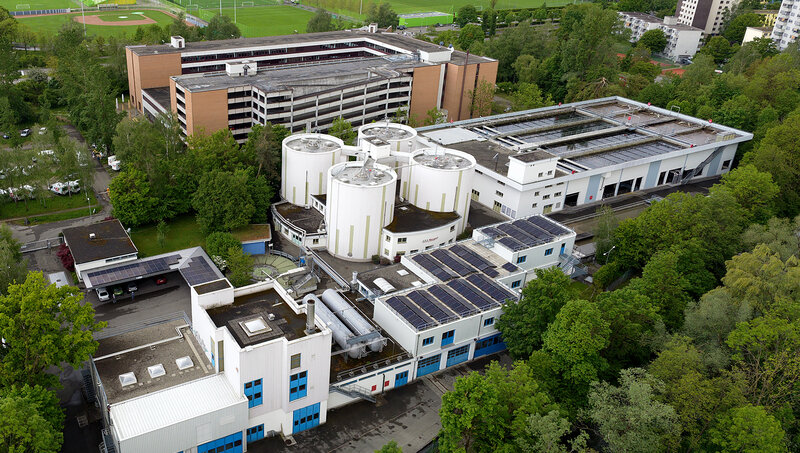
Equipping wastewater treatment plants with sludge densification
Around 10 years ago, the first wastewater treatment plants in Switzerland began to introduce a new process with densified activated sludge in the biological treatment stage. By doing so, they intended to increase their capacity without having to expand the clarifiers. An survey has now shown that the process is effective, but that its potential is frequently underutilised. Read more
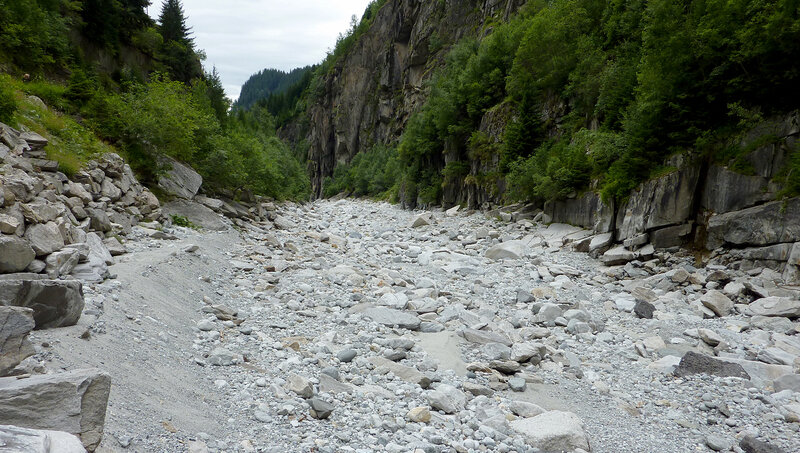
Data-driven modelling of residual flows
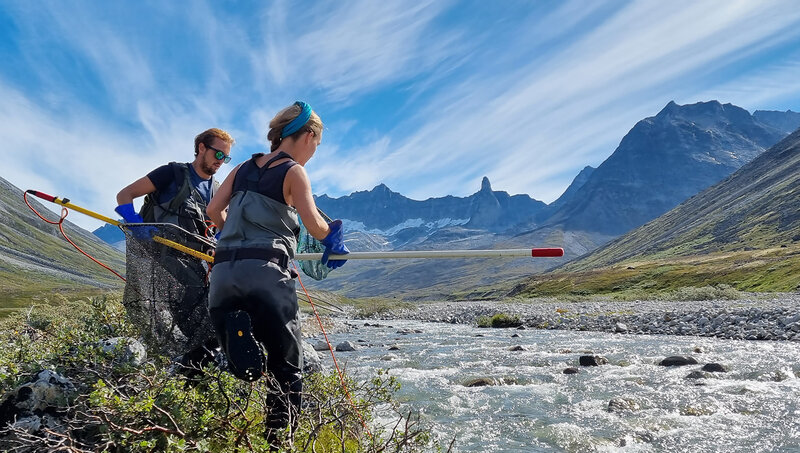
Estimates as to how much more electricity could be generated from hydropower in the absence of residual flow requirements vary widely, and they have previously been based on inadequate data. A new database and simulations show, between now and 2050, the additional decrease in production due to residual flow requirements – amounting to barely 2% – is likely to be much lower than feared. Read more
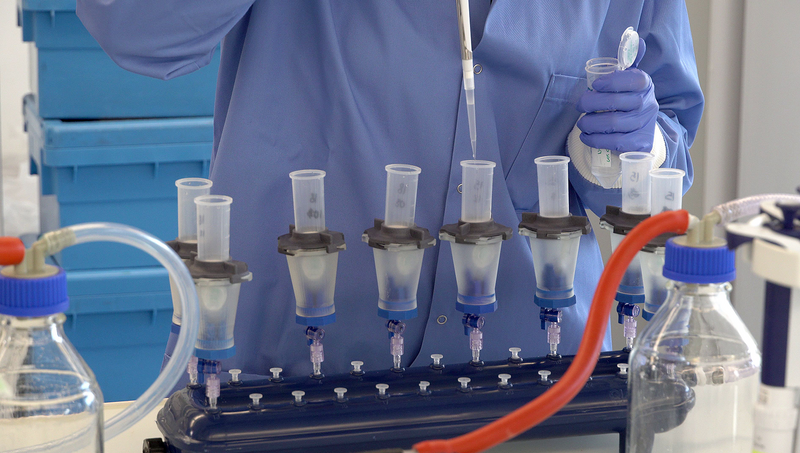
Continuation of wastewater monitoring secured
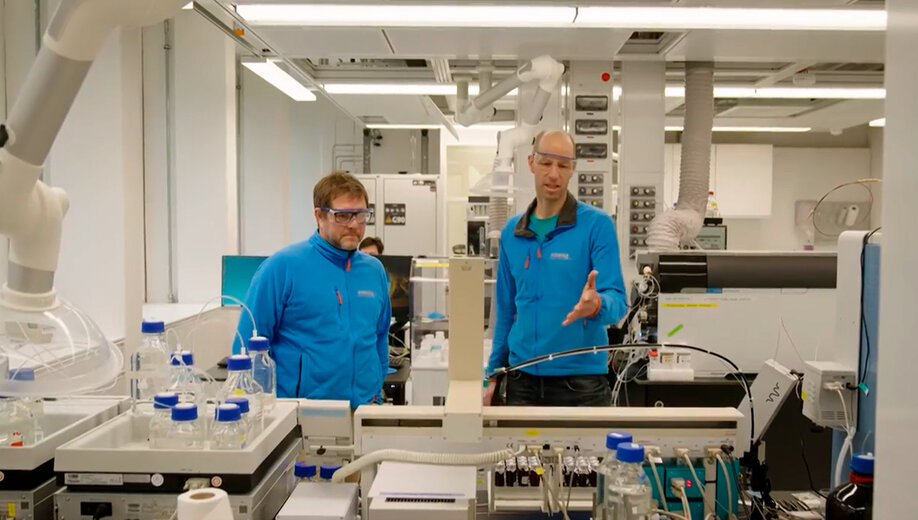
Eawag has been newly commissioned by the Federal Office of Public Health as the National Reference Centre for Wastewater Monitoring. This work centres around the collection of health data from municipal wastewater, and particularly that of viruses that are known to be pathogenic. A new national mandate has also been introduced for the analysis of substances related to pharmaceutical and illicit drug use. Read more
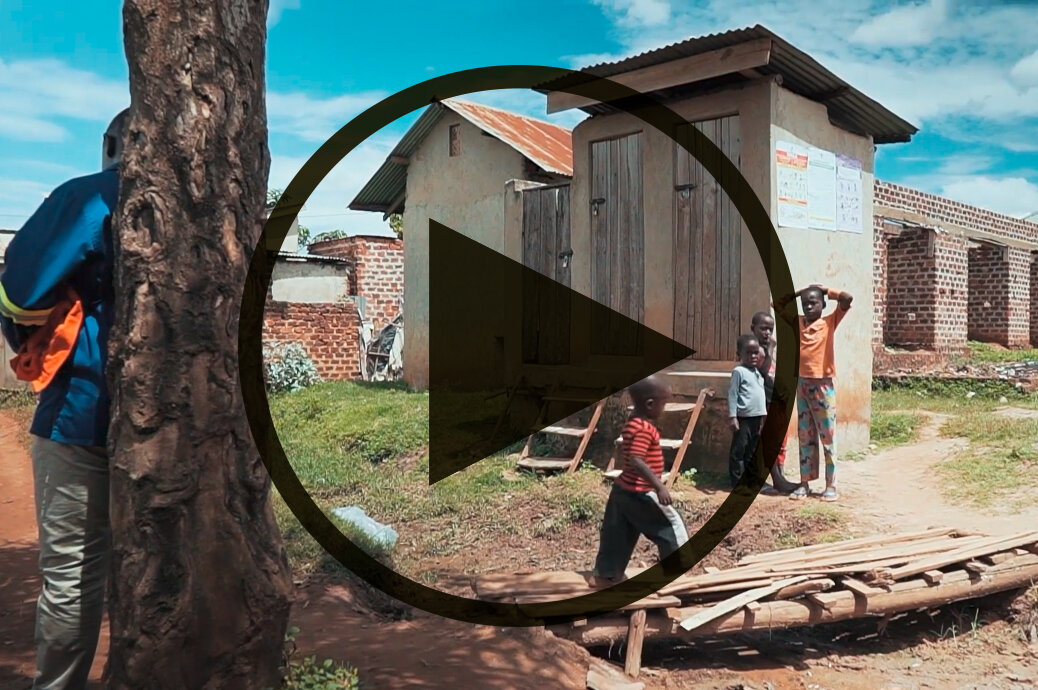
Monitoring Community Health Through Drainage in Kampala An interdisciplinary study explores whether pathogen monitoring in drainage water could provide early warnings of disease outbreaks in densely populated urban areas with non-sewered sanitation, potentially reaching populations currently invisible to conventional wastewater surveillance. Watch the video and read the article.
Otto Jaag Prize awarded twice for 2025 Two outstanding doctoral theses were awarded the Otto Jaag Water Protection Prize in 2025. The prizes went to Grégoire Saboret and Johannes Raths. Read more
Assistant professorship for Serina Robinson The ETH Board has appointed Serina Robinson as Assistant Professor of Environmental Biochemistry. The scientist heads a research group in the Environmental Microbiology Department at Eawag.Read more
Scientific publications from Eawag can be found on DORA Eawag.
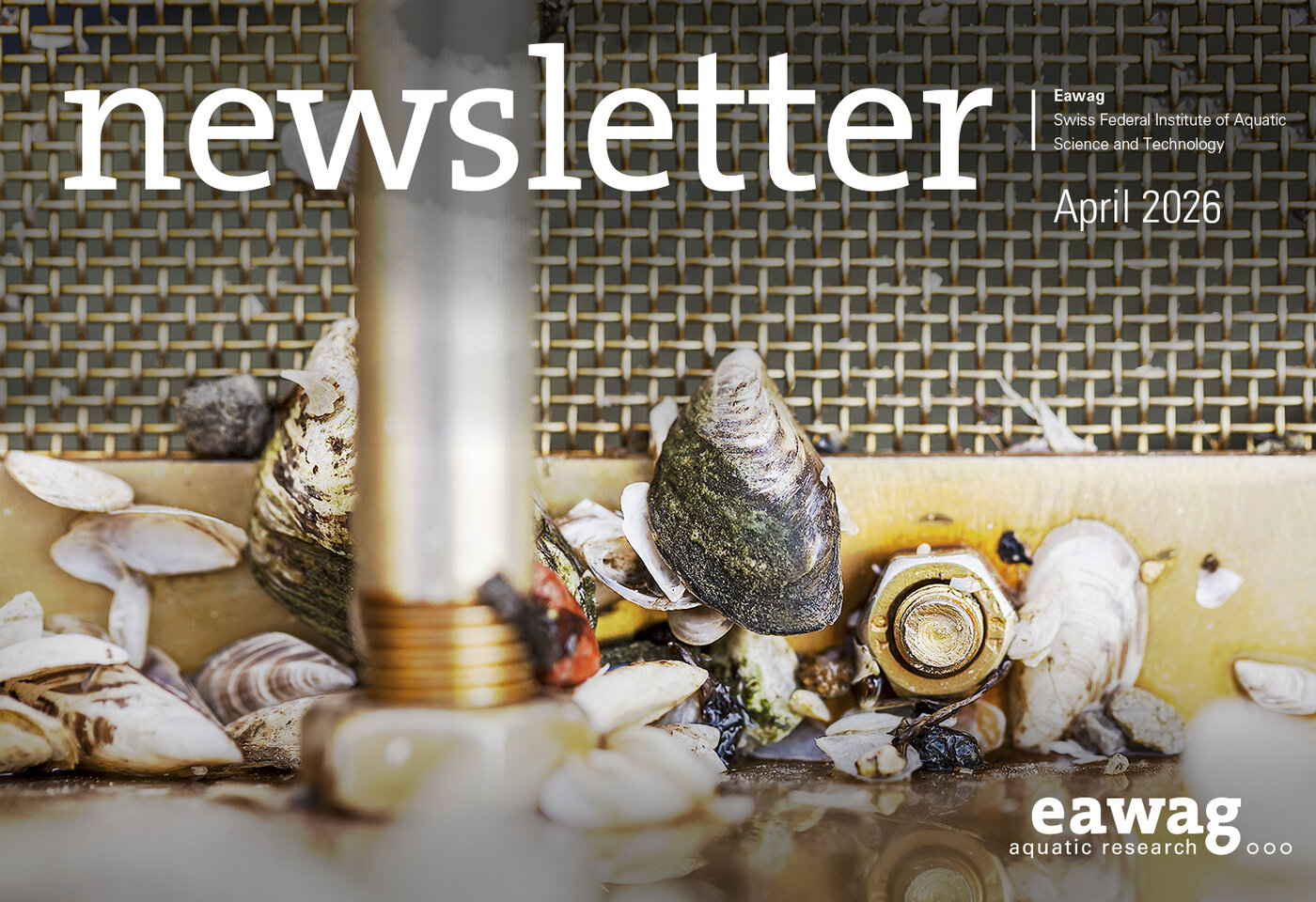
Cover photo: The invasive quagga mussel is spreading rapidly in Swiss lakes. It damages ecosystems and infrastructure and causes high costs. Researchers at Eawag are studying its populations in order to develop monitoring and prevention strategies. They use a sediment grabber to take samples from the lake bed and wash them in a sieve (see photo). The mussel shells remaining in the sieve are then counted and measured in the laboratory. (Photo: Eawag, Alessandro Della Bella) More about the quagga mussel
You can find more articles on our News Portal. If you have any questions or suggestions, please send us an e-mail to redaktion@eawag.ch or visit our website eawag.ch.
Publisher Eawag: Swiss Federal Institute of Aquatic Science and Technology
The texts and photos credited as "Eawag" on the linked websites are subject to the Creative Commons “Attribution 4.0 International” licence. As long as the source is indicated, this material may be freely copied, redistributed and modified. Further information on the licence.