Science that matters
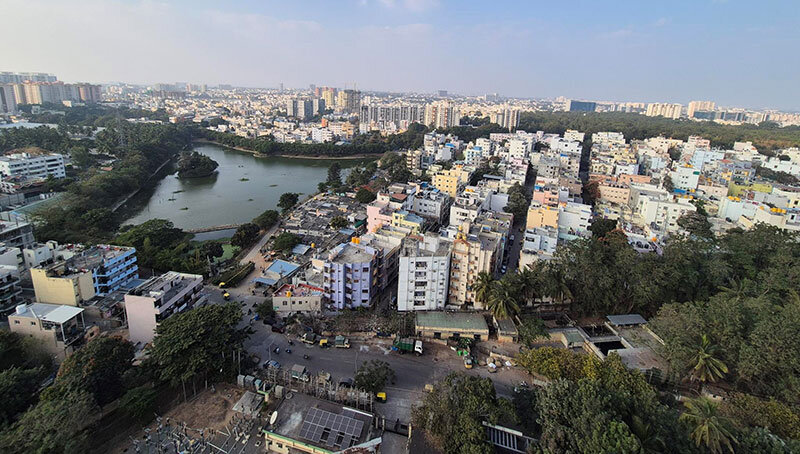
Rethinking wastewater management
An Eawag project in Bengaluru, India, is opening up new ways to respond to droughts and water scarcity. The focus is on the decentralised reuse of treated wastewater. Technological solutions alone cannot resolve the complex water challenges. Social aspects must be considered, as well. Read more
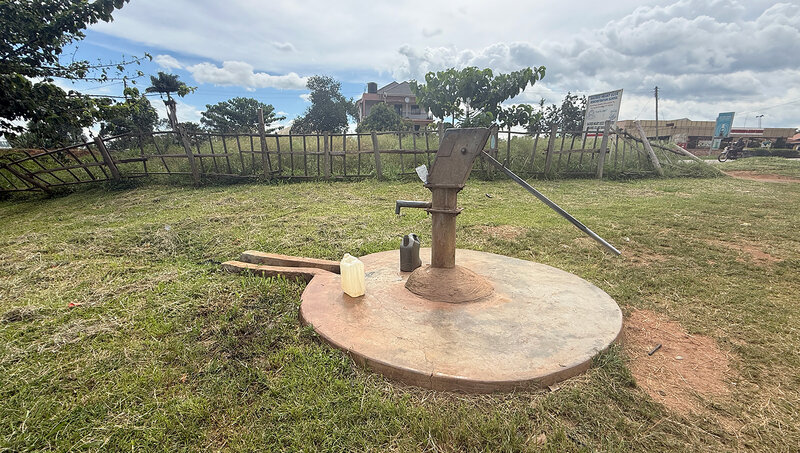
Supply of safe drinking water services reduces risk of diarrhoeal diseases
Diarrhoeal diseases claim nearly half a million lives globally each year, often caused by contaminated drinking water. However, access to the supply of drinking water alone is not enough to reduce diarrhoeal diseases in children. Read more
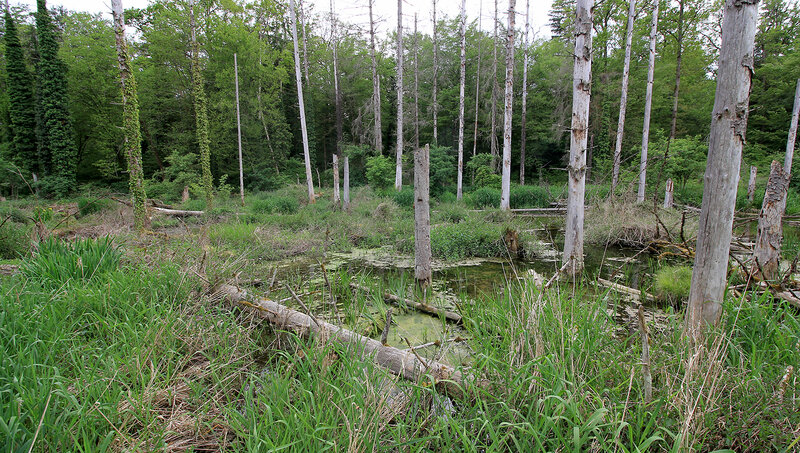
Greater biodiversity through the restoration of wetland forests
 
Wetland forests are particularly valuable for biodiversity and help to  mitigate the effects of climate change. However, many of these forests  in Switzerland have been drained. A newly published guide sets out the positive effects of wetland  forests and the measures required to restore them. Read more
Eawag Info Day 2026: Energy - Water - Future
Tuesday, 8 September 2026, Swiss Museum of Transport Lucerne

The energy transition aims to move away from fossil fuels. This involves expanding renewable energy sources, including hydropower. However, hydropower is already highly developed in Switzerland, and in addition to the climate crisis - the primary driver of the energy transition - we are also facing a biodiversity crisis. Addressing both challenges simultaneously leads to conflicts that are particularly pronounced in water bodies. Net-zero strategies, the extraction of raw materials critical to the transition, and the use of geothermal energy can also impact water. Eawag’s research helps to make these conflicting goals transparent and enables the development of fact-based solutions. It provides policymakers with a basis for making ecologically,  economically, and socially sustainable decisions.

➡ Further information and registration
Martin Ackermann reappointed
On 27 May 2026, the Federal Council appointed Martin Ackermann to a  second term as director of Eawag. The four-year term will run from 1  January 2027 to 31 December 2030. Read more
Eawag in the media and on social media
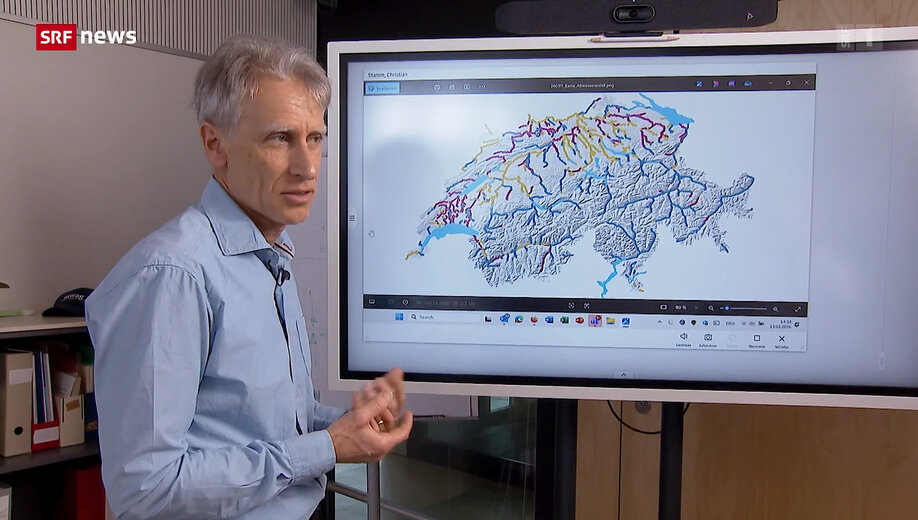
Media – the most exciting articles from print media, radio and television
Social media wall – everything at a glance
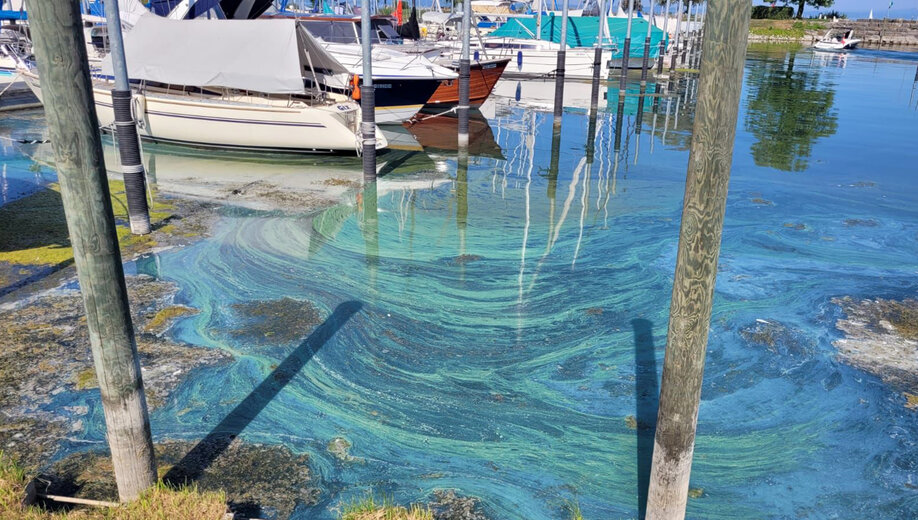
Webpage Cyanobacteria undated
Here you will find up-to-date information on appearance, occurence, toxins and danger, as well as publications, research projects, experts and further background information. Read more
New Eawag Competence Center Quagga Mussel
If you have any questions about the spread and monitoring of the invasive quagga mussel, please contact the new Eawag Competence Center Quagga Mussel. Our experts will be happy to provide you with information.
June 17, 2026, 9.00 am - 5.00 pm
La STEP à zéro émission nette de gaz à effet de serre
VSA-PEAK Lausanne
June 29, 2026,  9.00 am -  5.00 pm
Toxic Cyanobacteria: Identification, Characterization and Communication
PEAK consolidation-level course, Eawag Dübendorf
September  8, 2026,  9.00 am -  5.00 pm
Energy - Water - Future
Eawag Infoda 2026, Lucerne
September 24, 2026,  9.00 am -  5.00 pm
Wirkungskontrolle Revitalisierung - Makrophyten
PEAK-Vertiefungskurs, Eawag Dübendorf
October 26, 2026,  9.00 am -  5.00 pm
Angewandte Naturschutzgenetik für die Praxis
PEAK-Basiskurs, Eawag Dübendorf
October 28, 2026,  7.00 pm -  8.00 pm
In our agenda you will find further events as well as our Eawag seminars with internationally renowned researchers and the Practice-oriented courses at Eawag (PEAK).
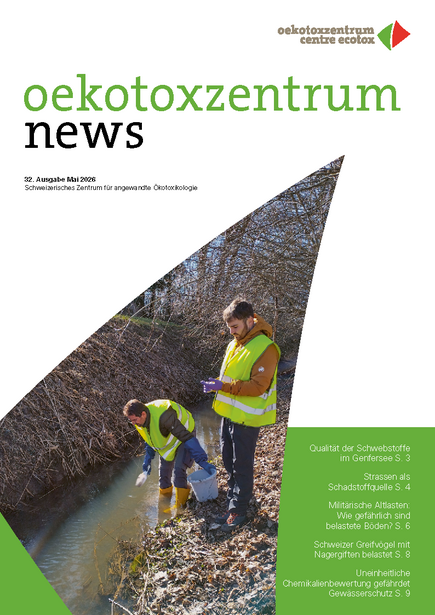
Publication by the Ecotox Centre (In German and French)
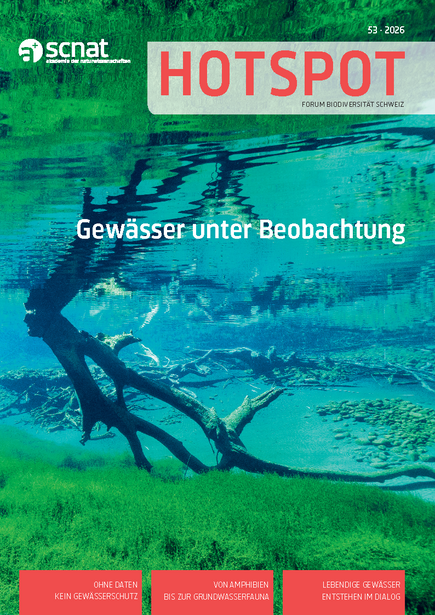
Magazine of the Academies of Natural Sciences (scnat) (in German and French)

Scientific publications from Eawag can be found on DORA Eawag.
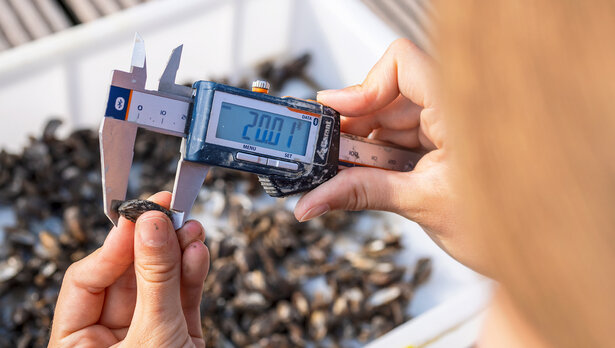
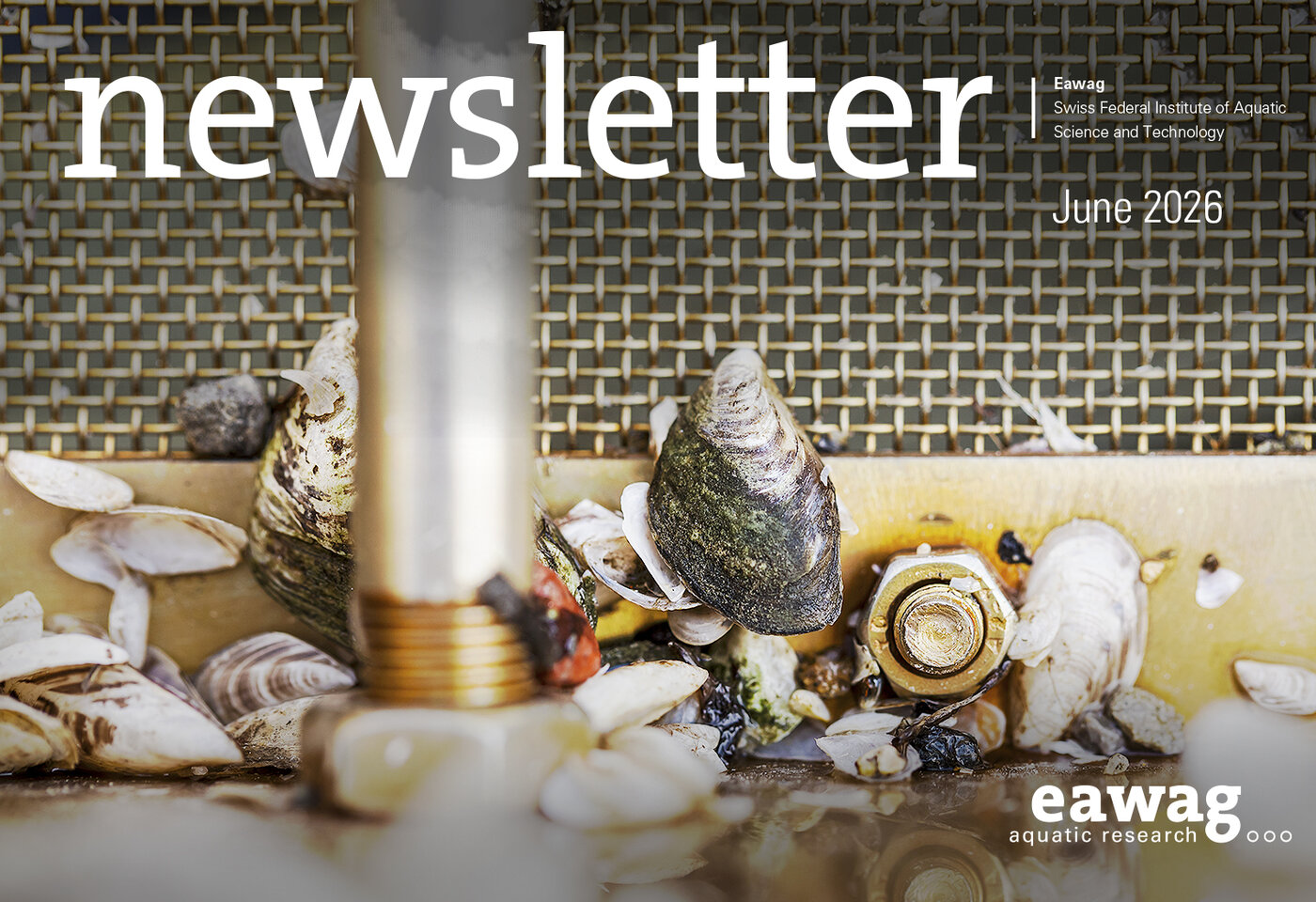
Cover photo: The invasive quagga mussel is spreading rapidly in Swiss lakes. It damages ecosystems and infrastructure and causes high costs. Researchers at Eawag are studying its populations in order to develop monitoring and prevention strategies. They use a sediment grabber to take samples from the lake bed and wash them in a sieve (see photo). The mussel shells remaining in the sieve are then counted and measured in the laboratory. (Photo: Eawag, Alessandro Della Bella)
More about the quagga mussel

You can find more articles on our News Portal.
If you have any questions or suggestions, please send us an e-mail to redaktion@eawag.ch
or visit our website eawag.ch.

Publisher
Eawag: Swiss Federal Institute of Aquatic Science and Technology

Contact
Eawag
Überlandstrasse 133
8600 Dübendorf
Switzerland
www.eawag.ch
redaktion@eawag.ch
The texts and photos credited as "Eawag" on the linked websites are subject to the Creative Commons “Attribution 4.0 International” licence. As long as the source is indicated, this material may be freely copied, redistributed and modified. Further information on the licence.