
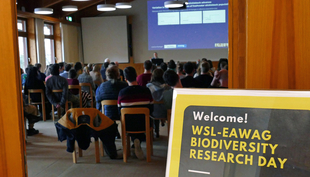
Abteilung Aquatische Ökologie
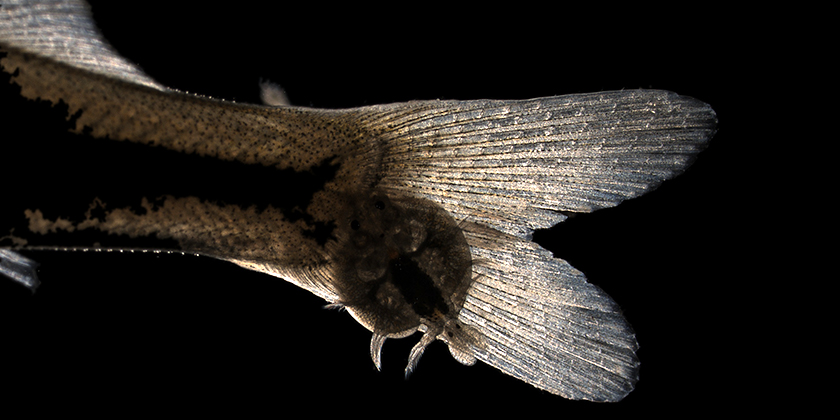
Aquatische Ökologie
Die Abteilung Aquatische Ökologie der Eawag besteht aus acht Forschungsgruppen und umfasst eine Vielzahl von verschiedenen Disziplinen der Ökologie und Evolutionsbiologie, wobei die gesamte Bandbreite vom individuellen Level über Vergesellschaftungen bis hin zu Ökosystemen abgedeckt wird. Erfahren Sie mehr
Aktuelles aus der Abteilung

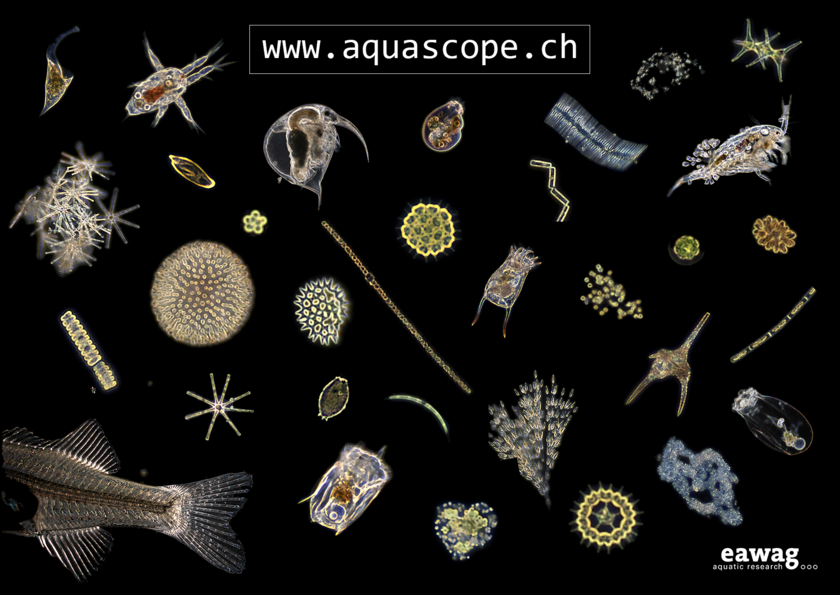
Forschungsprojekte
Neuste Publikationen
Baldan, D., Chauvier-Mendes, Y., Panzeri, D., Cossarini, G., Solidoro, C., & Bandelj, V. (2026). The geography of mediterranean benthic communities under climate change. Global Change Biology, 32(2), e70725 (16 pp.). doi:10.1111/gcb.70725, Institutional Repository
Black, B., Adde, A., Külling, N., Büth, C., Kurmann, M., Lehmann, A., … Grêt-Regamey, A. (2026). Identifying robust area-based conservation strategies to secure ecosystem service provision under uncertainties. Journal of Environmental Management, 398, 128395 (16 pp.). doi:10.1016/j.jenvman.2025.128395, Institutional Repository
Cereghetti, E., Altermatt, F., & Carraro, L. (2026). Improving species abundance information from river eDNA metabarcoding data. Environmental DNA, 8(1), e70250 (9 pp.). doi:10.1002/edn3.70250, Institutional Repository