Abteilung Verfahrenstechnik
Verfahrenstechnik
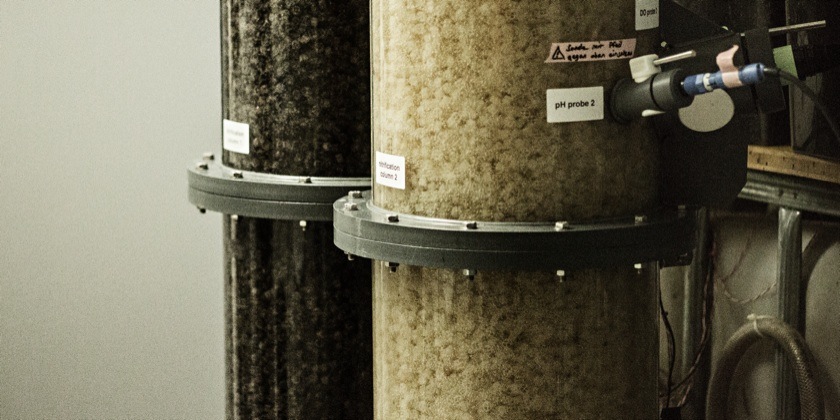
Unsere Forschungsgruppen beschäftigen sich aus der ingenieurtechnischen Perspektive mit Problemen der Abwasserreinigung und Trinkwasseraufbereitung sowie dem Schutz der Wasserressourcen. Unser langfristiges Ziel ist es, nachhaltige Konzepte für Wasser- und Nährstoffkreisläufe in Siedlungen zu entwickeln.
News
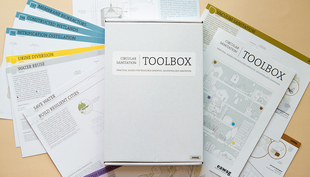

Water Hub: Neuer Film aus dem NEST
Publikationen
Ashta, N. M., Crosset-Perrotin, G., Moraz, A., Stoffel, J., Schilt, U., Ceglie, E., … Hueglin, C. (2026). Atmospheric deposition of microplastics: a sampling and analytical method including the associated measurement uncertainties. Atmospheric Measurement Techniques, 19(2), 371-388. doi:10.5194/amt-19-371-2026, Institutional Repository
Derlon, N., Schwaller, V., & Gubser, N. (2026). Boues densifiées. Retour d'experience de dix stations d'épuration Suisses. Aqua & Gas, 106(2), 39-45. , Institutional Repository
Furrer, V., Mutzner, L., Froemelt, A., Junghans, M., Singer, H., & Ort, C. (2026). Mikroverunreinigungen in Mischwasserentlastung. Hochaufgelöste Zeitreihen zeigen starke Dynamik. Aqua & Gas, 106(3), 64-70. , Institutional Repository
Hamilton, K. A., Quon, H., Ashbolt, N. J., Gurian, P. L., Reynaert, E., Haas, C. N., … Wilson, A. M. (2026). Making waves: Moving beyond the 1 in 10,000 benchmark in quantitative microbial risk assessment (QMRA) through evidence-informed risk approaches and systems decision-making. Water Research, 289, 124903 (8 pp.). doi:10.1016/j.watres.2025.124903, Institutional Repository