Abteilung Siedlungshygiene und Wasser für Entwicklung
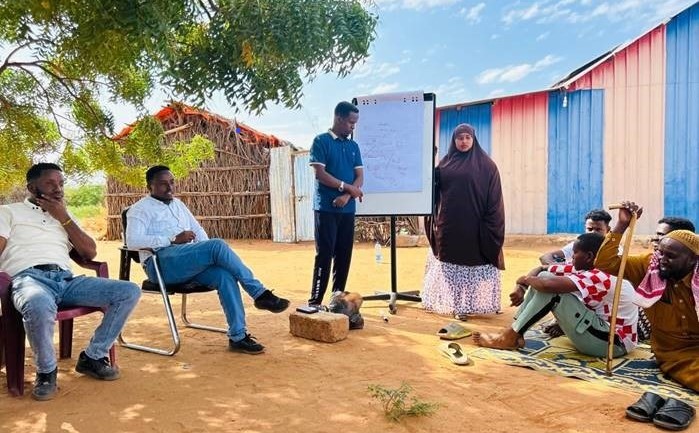
Abteilung Siedlungshygiene und Wasser für Entwicklung
Unsere Aufgaben sind die Entwicklung und das Testen von Methoden und Technologien, die den Ärmsten der Welt nachhaltige Wasserversorgung, Abfallwirtschaft und Siedlungshygiene ermöglichen.
Neue Publikationen
Integrating recent scientific advances to enhance non-sewered sanitation in urban areas
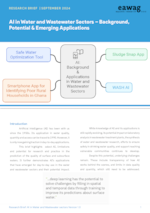
AI in Water and Wastewater Sectors – Background, Potential & Emerging Applications
Gravity-driven Membrane (GDM) filtration: A practical user guide
Black Soldier Fly Biowaste Processing: A Step-by-Step Guide. 2nd Edition
Methods for Faecal Sludge Analysis
Compendium of Sanitation Technologies in Emergencies
Eawag-Sandec's Research & Capacity Development Projects and the Sustainable Development Goals (SDGs)
SOWATT – Selecting Organic Waste Treatment Technologies
Faecal Sludge Management: Highlights and Exercises
Black Soldier Fly Biowaste Processing: A-Step-by-Step Guide, Chinese
Pyrolysis of Biowaste in Low and Middle Income Settings. A Step-by-Step Manual
Compendium
-
Rumänisch [10 MB]
-
Arabisch [10 MB]
-
Russisch [9 MB]
-
Französisch 2. Auflage [6 MB]
-
Spanisch 2. Auflage [10 MB]
News
-
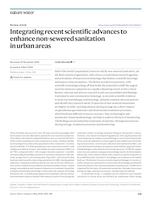 “Integrating recent scientific advances to enhance non-sewered sanitation in urban areas” In this review, research findings are translated into one consistent terminology to identify synergies in research findings and explore future potential application of new technologies [4 MB]
 -

MOOC Serie «Sanitation, Water and Solid Waste for Development»
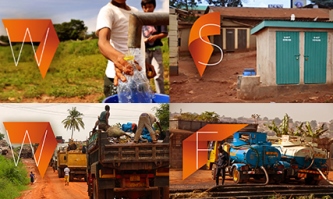
Unsere online Kurse sind konstant online und kostenlos zugänglich. Mehr Informationen finden Sie auf der MOOC Webseite.
In Kontakt bleiben