Abteilung Umweltmikrobiologie
Umweltmikrobiologie
Der Fokus unserer Forschung liegt auf den Aktivitäten und der Biologie von Mikroorganismen und mikrobiellen Gemeinschaften in der natürlichen Umwelt. Wir wollen grundsätzliche Prinzipien erarbeiten, um Prozesse in mikrobiellen Gemeinschaften zu verstehen, und dann diese Prinzipien anwenden, um konkrete angewandte Probleme zu lösen.
Ausgewählte Publikationen
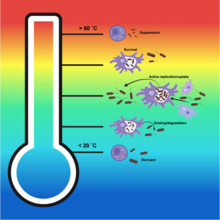
Trinkwassermikrobiologie: Ein Ausblick auf die multidisziplinären Forschungsrichtungen, die für den Umgang mit Legionellen in technischen Wassersystemen erforderlich sind.
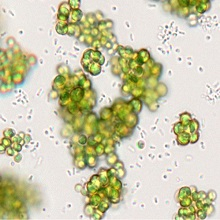
Ökologie Mikrobieller Systeme: In einem unserer neuesten Artikel zeigen wir, wie hungernde Bakterien eine überraschende Strategie verfolgen: Durch das Abtöten benachbarter Zellen über das Typ-VI-Sekretionssystem erschliessen sie sich eine bislang unbekannte Form der Nährstoffgewinnung, die mikrobielle Gemeinschaften in verschiedensten Ökosystemen prägen könnte.
Mikrobielle Gemeinschaften: Artikel, der zeigt, dass die Phagenprädation eine „Kill-the-winner“-Dynamik auslösen kann, die die Verbreitung von Antibiotikaresistenzen fördert.
Krankheitserreger und menschliche Gesundheit: Artikel über die Erfassung der sicheren Trinkwassernutzung in Ländern mit niedrigem und mittlerem Einkommen. Schätzungsweise 4 Milliarden Menschen haben keinen Zugang zu sicher bewirtschaftetem Trinkwasser, wobei die fäkale Verunreinigung der Wasserversorgung in den Haushalten der wichtigste limitierende Faktor ist.
Spezialisierter Mikrobieller Metabolismus: Unser in PNAS veröffentlichter Artikel berichtet über die unerwartete Entdeckung von Enzymen aus menschlichen Darmmikroben, die die starke Kohlenstoff-Fluor-Bindung in einigen organischen Fluorverbindungen aufbrechen können.
News