
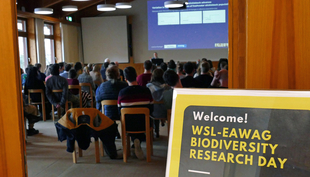
Department Aquatic Ecology
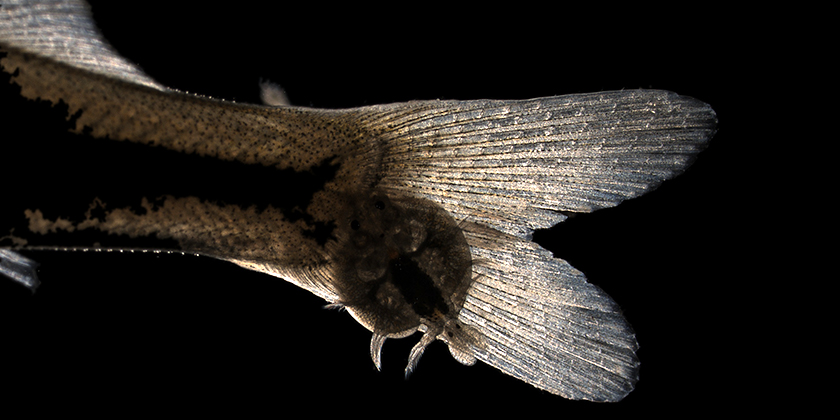
Aquatic Ecology
The Aquatic Ecology department at Eawag consists of eight research groups and covers a wide range of different disciplines in ecology and evolutionary biology, ranging from the individual level to associations and ecosystems. Learn more
The latest news from our department

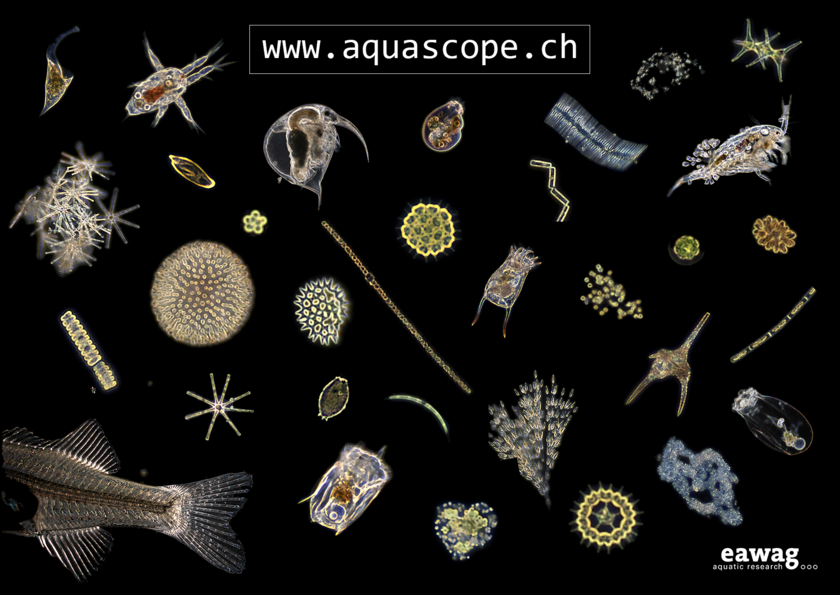
Research Projects
Latest publications
Baldan, D., Chauvier-Mendes, Y., Panzeri, D., Cossarini, G., Solidoro, C., & Bandelj, V. (2026). The geography of mediterranean benthic communities under climate change. Global Change Biology, 32(2), e70725 (16 pp.). doi:10.1111/gcb.70725, Institutional Repository
Black, B., Adde, A., Külling, N., Büth, C., Kurmann, M., Lehmann, A., … Grêt-Regamey, A. (2026). Identifying robust area-based conservation strategies to secure ecosystem service provision under uncertainties. Journal of Environmental Management, 398, 128395 (16 pp.). doi:10.1016/j.jenvman.2025.128395, Institutional Repository
Cereghetti, E., Altermatt, F., & Carraro, L. (2026). Improving species abundance information from river eDNA metabarcoding data. Environmental DNA, 8(1), e70250 (9 pp.). doi:10.1002/edn3.70250, Institutional Repository