Abteilung Siedlungshygiene und Wasser für Entwicklung
Abteilung Siedlungshygiene und Wasser für Entwicklung
Unsere Aufgaben sind die Entwicklung und das Testen von Methoden und Technologien, die den Ärmsten der Welt nachhaltige Wasserversorgung, Abfallwirtschaft und Siedlungshygiene ermöglichen.
Neue Publikationen
Coppens, K.; Stoll, S.; Strande, L. (2026) Des lombrics en Ville, Aqua & Gas, 106(2), 66-71, Institutional Repository
Kanyesigye, C.; Ferrero, G.; Marks, S. J.; Niwagaba, C. B.; Kulabako, R. N.; Kansiime, F. (2026) Evaluation of water safety plan outcomes and impacts in Bushenyi-Ishaka Municipality, Uganda, Utilities Policy, 98, 102106 (9 pp.), doi:10.1016/j.jup.2025.102106, Institutional Repository
Mnthambala, F.; Tembo, K.; Chitete, M. M. N.; Moyo, N.; Phiri, A. T.; Peguero, D. A.; Zurbrügg, C. (2026) Farmers' willingness to pay for organic fertilisers from Black Soldiers Fly Larvae frass in Malawi, Discover Sustainability, 7, 402 (17 pp.), doi:10.1007/s43621-026-02762-4, Institutional Repository
Weitere News

MOOC Serie «Sanitation, Water and Solid Waste for Development»
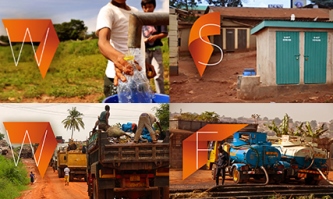
Unsere online Kurse sind konstant online und kostenlos zugänglich. Mehr Informationen finden Sie auf der MOOC Webseite.
In Kontakt bleiben