Zum Weltwassertag 2022 richten die Vereinten Nationen den Blick auf unser Grundwasser - einen unsichtbaren Schatz, den sie so ins gesellschaftliche und politische Licht holen möchten. Für die Eawag zählt die Ressource Grundwasser seit langem zu einem ihrer wichtigsten Forschungsschwerpunkte. Ein Überblick.
Grundwasser dient rund der Hälfte der Weltbevölkerung als Trinkwasser und versorgt über 40 Prozent der Landwirtschaft weltweit mit Wasser. Keine Frage also, dass die Forschung rund ums Grundwasser bei der Eawag eine wichtige Rolle spielt: Das Wasserforschungsinstitut befasst sich national und international mit der Grundwasserqualität, der Neubildung von Grundwasser, den geochemischen Prozessen im Untergrund sowie der Aufbereitung von Grundwasser zu Trinkwasser. So trägt die Eawag dazu bei, die natürlichen und anthropogenen Auswirkungen auf das Grundwasser zu verstehen, was für die Versorgung mit Trinkwasser, aber auch für den Schutz der Ressource und die verbundenen Ökosysteme wie Flüsse, Seen und Feuchtgebiete wichtig ist.
Spezialisten am Werk – ob SDGs, maschinelles Lernen oder Modellierung
Beispielsweise entwickeln und verfeinern die Forschenden der Eawag wissenschaftsbasierte Kriterien für die Bewertung und Modellierung von Wasserressourcen. «Unsere Kriterien beruhen auf einem detaillierten Verständnis der physikalischen, chemischen, mineralogischen und biogeochemischen Prozesse, wobei sich die Eawag vor allem durch die Erforschung von deren Verknüpfung auszeichnet», erklärt Michael Berg, Leiter der Abteilung Wasserressourcen und Trinkwasser. «Die Studien reichen vom molekularen bis zum makroskopischen Massstab, vom Reagenzglas bis zur städtischen Wasserversorgungen und von Flusseinzugsgebieten bis zu subkontinentalen Regionen», so Berg weiter.
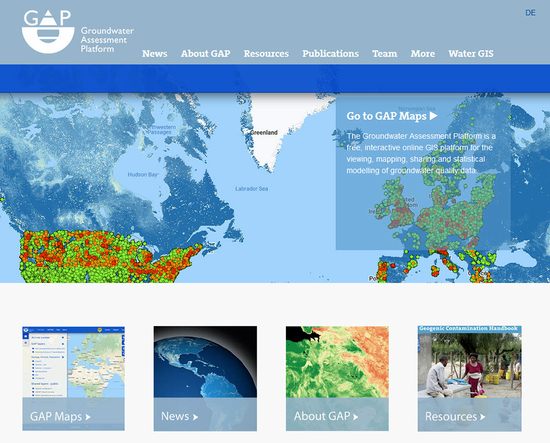
In den letzten Jahren hat die Eawag, so Berg, zudem eine Vorreiterrolle bei neuen statistischen Verfahren und der Anwendung von maschinellem Lernen eingenommen, um das Risiko natürlicher (geogener) Verunreinigungen anhand von geologischen, topografischen und weiteren Umweltdaten abzuschätzen, ohne alle Grundwasserbrunnen untersuchen zu müssen. Zu diesem Zweck wurden entsprechende Risikokarten von sicherem und unsicherem Grundwasser auf regionaler bis globaler Ebene erstellt.
In der Schweiz und Europa liegt der Forschungsfokus auf Industrieverunreinigungen, Pflanzenbehandlungsmitteln und Nitrat. Michael Berg: «In weniger entwickelten Regionen der Welt spielen natürlich vorkommende Schadstoffe wie Arsen und Fluorid eine zentrale Rolle, wobei immer noch zirka 400 Millionen Menschen (5% der globalen Bevölkerung) einer chronischen Vergiftung ausgesetzt sind. Weitere internationale Themen sind Grundwasserversalzung und Verletzlichkeit von Aquiferen, also Grundwasserleitern.»
Aber auch die Ziele für eine nachhaltige Entwicklung, die SDGs, lenken die Forschung. Im Zusammenhang mit den Zielen 3, 4 und 11 untersuchen und entwickeln die Eawag-Forschenden Methoden zur Aufbereitung von Grundwasser, dessen Qualität für die unmittelbare Verwendung als Trinkwasser für den Menschen nicht ausreicht.
Herausforderungen in der Grundwasserforschung
Zu den drängendsten Herausforderungen in der Grundwasserforschung gehören die Vorhersagen zum Klimawandel und die Einordnung der damit einhergehenden Folgen. Zum Beispiel, wie die Bewirtschaftung der Wasserressourcen verbessert werden kann, um die globale Grundwasserverknappung zu verringern oder wie mit dem Rückgang der Neubildung von Grundwasser bei einem gleichzeitigen Anstieg der Grundwassernutzung umzugehen ist.
Berg: «Ausserdem befassen wir uns mit spezifischen Herausforderungen wie der Grundwasserverschmutzung durch landwirtschaftliche Aktivitäten oder den Wechselwirkungen zwischen Grund- und Oberflächenwasser im Hinblick auf die Sanierung von Flüssen und die flussnahe Trinkwassergewinnung.» Aber auch der Wettbewerb um Grundwasserressourcen wird erforscht und man geht der Frage nach, wie sich Projekte zur Geothermie und der CO2-Speicherung auf die Wasserqualität und die Wasserversorgung auswirken - beides Technologien, die international und in der Schweiz stark auf dem Vormarsch sind.
Weltwassertag 2022 - «Unser Grundwasser: der unsichtbare Schatz»
Der Weltwassertag, zu dem die Vereinten Nationen (VN) seit 1992 aufrufen, erinnert alljährlich an die Besonderheiten von Wasser als der essenziellsten Ressource allen Lebens. Der Weltwassertag 2022 steht unter dem Motto: «Unser Grundwasser: der unsichtbare Schatz». Mit diesem Jahresthema wollen die VN weltweit auf die Bedeutung des Grundwassers aufmerksam machen und es ins Bewusstsein der Menschen rufen.
Die elementare Bedeutung des Grundwassers als unverzichtbare Ressource und Teil des Wasserkreislaufs und die Belastungen, denen es durch menschliche Tätigkeiten und zunehmend durch den Klimawandel ausgesetzt ist, sind vielen Menschen nicht wirklich präsent und bewusst. Aus diesem Grund und im Hinblick auf den bevorstehenden Klimawandel rücken die Vereinten Nationen die Bedeutung und den Wert unseres kostbaren Grundwassers wieder stärker ins gesellschaftliche sowie politische Bewusstsein.
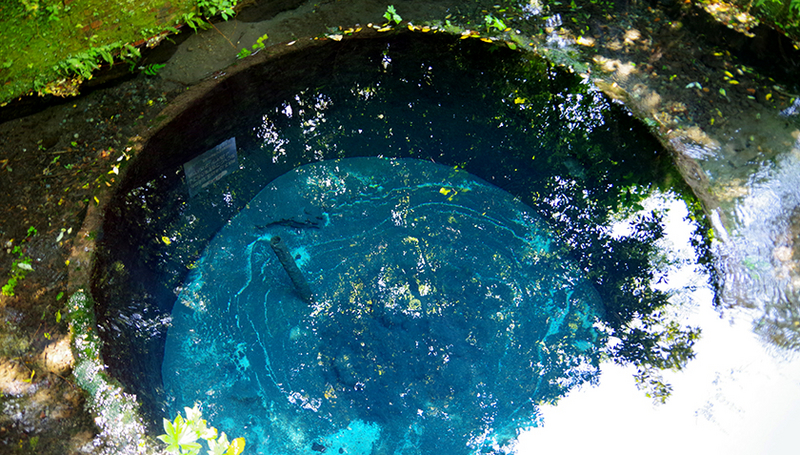
Titelbild: Der Klimawandel und andere menschliche Einflüsse setzen dem Grundwasser nicht nur hierzulande zu. (Foto: Tom-Kichi, iStock)
array(12 items)0 => Snowflake\Publications\Domain\Model\Publicationprototypepersistent entity (uid=23990, pid=124)originalId => protected23990 (integer)
authors => protected'Gulde, R.; Clerc, B.; Rutsch, M.; Helbing, J.; Salhi,&nb sp;E.; McArdell, C. S.; von Gunten, U.' (129 chars)
title => protected'Oxidation of 51 micropollutants during drinking water ozonation: formation o f transformation products and their fate during biological post-filtration' (150 chars)
journal => protected'Water Research' (14 chars)
year => protected2021 (integer)
volume => protected207 (integer)
issue => protected'' (0 chars)
startpage => protected'117812 (20 pp.)' (15 chars)
otherpage => protected'' (0 chars)
categories => protected'ozone; hydroxyl radical; sand filter; transformation products; abatement; la ke water' (84 chars)
description => protected'Micropollutants (MP) with varying ozone-reactive moieties were spiked to lak e water in the influent of a drinking water pilot plant consisting of an ozo nation followed by a biological sand filtration. During ozonation, 227 trans formation products (OTPs) from 39 of the spiked 51 MPs were detected after solid phase extraction by liquid chromatography high-resolution mass spectro metry (LC-HRMS/MS). Based on the MS/MS data, tentative molecular structures are proposed. Reaction mechanisms for the formation of a large number of OTP s are suggested by combination of the kinetics of formation and abatement an d state-of-the-art knowledge on ozone and hydroxyl radical chemistry. OTPs f orming as primary or higher generation products from the oxidation of MPs co uld be differentiated. However, some expected products from the reactions of ozone with activated aromatic compounds and olefins were not detected with the applied analytical procedure. 187 OTPs were present in the sand filtrati on in sufficiently high concentrations to elucidate their fate in this treat ment step. 35 of these OTPs (19%) were abated in the sand filtration step, m ost likely due to biodegradation. Only 24 (13%) of the OTPs were abated more efficiently than the parent compounds, with a dependency on the functional group of the parent MPs and OTPs. Overall, this study provides evidence, tha t the common assumption that OTPs are easily abated in biological post-treat ment is not generally valid. Nevertheless, it is unknown how the OTPs, which escaped detection, would have behaved in the biological post-treatment.' (1592 chars)
serialnumber => protected'0043-1354' (9 chars)
doi => protected'10.1016/j.watres.2021.117812' (28 chars)
uid => protected23990 (integer)
_localizedUid => protected23990 (integer)modified_languageUid => protectedNULL
_versionedUid => protected23990 (integer)modifiedpid => protected124 (integer)1 => Snowflake\Publications\Domain\Model\Publicationprototypepersistent entity (uid=18918, pid=124)originalId => protected18918 (integer)
authors => protected'Burri, N. M.; Weatherl, R.; Moeck, C.; Schirmer, M.' (76 chars)
title => protected'A review of threats to groundwater quality in the anthropocene' (62 chars)
journal => protected'Science of the Total Environment' (32 chars)
year => protected2019 (integer)
volume => protected684 (integer)
issue => protected'' (0 chars)
startpage => protected'136' (3 chars)
otherpage => protected'154' (3 chars)
categories => protected'water resources; groundwater quality; anthropogenic activity; contamination; sustainable; transdisciplinary' (107 chars)
description => protected'Awareness concerning sustainable groundwater consumption under the context o f land use and climate change is gaining traction, raising the bar for adequ ate understanding of the complexities of natural and anthropogenic processes and how they affect groundwater quality. The heterogeneous characteristics of aquifers have hampered comprehensive source, transport and contaminant id entification. As questions remain about the behavior and prediction of well- known groundwater contaminants, new concerns around emerging contaminants ar e on the increase. This review highlights some of the key contaminants that originate from anthropogenic activities, organized based on land use categor ies namely agricultural, urban and industrial. It further highlights the ext ensive overlap, in terms of both provenance as well as contaminant type, bet ween the different land use sectors. A selection of case studies from litera ture that describe the continued concern of established contaminants, as wel l as new and emerging compounds, are presented to illustrate the many qualit ative threats to global groundwater resources. In some cases, the risk of gr oundwater contamination lacks adequate gravity, while in others the underlyi ng physical and societal processes are not fully understood and activities m ay commence without adequately considering potential impacts. In the agricul tural context, the historic and current application of fertilizers and plant protectants, use of veterinary pharmaceuticals and hormones, strives to saf eguard the growing food demands. In the context of a sprawling urban environ ment, waste, human pharmaceuticals, and urban pesticide outputs are increasi ng, with adequate runoff and sanitation infrastructure often lagging. Finall y, industrial activities are associated with accidental leaks and spills, wh ile the large-scale storage of industrial byproducts has led to legacy conta minants such as those stemming from raw mineral extraction. With this review paper, we aim to unders...' (2202 chars)
serialnumber => protected'0048-9697' (9 chars)
doi => protected'10.1016/j.scitotenv.2019.05.236' (31 chars)
uid => protected18918 (integer)
_localizedUid => protected18918 (integer)modified_languageUid => protectedNULL
_versionedUid => protected18918 (integer)modifiedpid => protected124 (integer)2 => Snowflake\Publications\Domain\Model\Publicationprototypepersistent entity (uid=20910, pid=124)originalId => protected20910 (integer)
authors => protected'Podgorski, J.; Berg, M.' (33 chars)
title => protected'Global threat of arsenic in groundwater' (39 chars)
journal => protected'Science' (7 chars)
year => protected2020 (integer)
volume => protected368 (integer)
issue => protected'6493' (4 chars)
startpage => protected'845' (3 chars)
otherpage => protected'850' (3 chars)
categories => protected'' (0 chars)
description => protected'Naturally occurring arsenic in groundwater affects millions of people worldw ide. We created a global prediction map of groundwater arsenic exceeding 10 micrograms per liter using a random forest machine-learning model based on 1 1 geospatial environmental parameters and more than 50,000 aggregated data p oints of measured groundwater arsenic concentration. Our global prediction m ap includes known arsenic-affected areas and previously undocumented areas o f concern. By combining the global arsenic prediction model with household g roundwater-usage statistics, we estimate that 94 million to 220 million peop le are potentially exposed to high arsenic concentrations in groundwater, th e vast majority (94%) being in Asia. Because groundwater is increasingly use d to support growing populations and buffer against water scarcity due to ch anging climate, this work is important to raise awareness, identify areas fo r safe wells, and help prioritize testing.' (954 chars)
serialnumber => protected'0036-8075' (9 chars)
doi => protected'10.1126/science.aba1510' (23 chars)
uid => protected20910 (integer)
_localizedUid => protected20910 (integer)modified_languageUid => protectedNULL
_versionedUid => protected20910 (integer)modifiedpid => protected124 (integer)3 => Snowflake\Publications\Domain\Model\Publicationprototypepersistent entity (uid=21025, pid=124)originalId => protected21025 (integer)
authors => protected'Kiefer, K.; Bader, T.; Minas, N.; Salhi, E.; Janssen,&nb sp;E. M. -L.; von Gunten, U.; Hollender, J.' (139 chars)
title => protected'Chlorothalonil transformation products in drinking water resources: widespre ad and challenging to abate' (103 chars)
journal => protected'Water Research' (14 chars)
year => protected2020 (integer)
volume => protected183 (integer)
issue => protected'' (0 chars)
startpage => protected'116066 (11 pp.)' (15 chars)
otherpage => protected'' (0 chars)
categories => protected'pesticide; metabolite; water treatment; groundwater; ozonation; activated ca rbon' (80 chars)
description => protected'Chlorothalonil, a fungicide applied for decades worldwide, has recently been banned in the European Union (EU) and Switzerland due to its carcinogenicit y and the presence of potentially toxic transformation products (TPs) in gro undwater. The spread and concentration range of chlorothalonil TPs in differ ent drinking water resources was examined (73 groundwater and four surface w ater samples mainly from Switzerland). The chlorothalonil sulfonic acid TPs (R471811, R419492, R417888) occurred more frequently and at higher concentra tions (detected in 65-100% of the samples, ≤2200 ngL<sup>-1</sup>) than th e phenolic TPs (SYN507900, SYN548580, R611968; detected in 10-30% of the sam ples, ≤130 ngL<sup>-1</sup>). The TP R471811 was found in all samples and even in 52% of the samples above 100 ngL<sup>-1</sup>, the drinking water st andard in Switzerland and other European countries. Therefore, the abatement of chlorothalonil TPs was investigated in laboratory and pilot-scale experi ments and along the treatment train of various water works, comprising aquif er recharge, UV disinfection, ozonation, advanced oxidation processes (AOPs) , activated carbon treatment, and reverse osmosis. The phenolic TPs can be a bated during ozonation (second order rate constant k<sub>O3</sub> ∼10<sup> 4</sup> M<sup>-1</sup>s<sup>-1</sup>) and by reaction with hydroxyl radical s (OH) in AOPs (k<sub>OH</sub> ∼10<sup>9</sup> M<sup>-1</sup>s<sup>-1</su p>). In contrast, the sulfonic acid TPs, which occurred in higher concentrat ions in drinking water resources, react only very slowly with ozone (k<sub>O 3</sub> <0.04 M<sup>-1</sup>s<sup>-1</sup>) and OH (k<sub>OH</sub> < 5.0 × 10<sup>7</sup> M<sup>-1</sup>s<sup>-1</sup>) and therefore persist in ozonation and OH-based AOPs. Activated carbon retained the very polar TP R471811 only up to a specific throughput of 25 m<sup>3</sup>kg<sup>-1</sup> (20% breakthrough), similarly to the X-ray contrast agent diatrizoic acid. Reverse osmosis was capa...' (2050 chars)
serialnumber => protected'0043-1354' (9 chars)
doi => protected'10.1016/j.watres.2020.116066' (28 chars)
uid => protected21025 (integer)
_localizedUid => protected21025 (integer)modified_languageUid => protectedNULL
_versionedUid => protected21025 (integer)modifiedpid => protected124 (integer)4 => Snowflake\Publications\Domain\Model\Publicationprototypepersistent entity (uid=19902, pid=124)originalId => protected19902 (integer)
authors => protected'Popp, A. L.; Manning, C. C.; Brennwald, M. S.; Kipfer, R.' (92 chars)
title => protected'A new in situ method for tracing denitrification in riparian groundwater' (72 chars)
journal => protected'Environmental Science and Technology' (36 chars)
year => protected2020 (integer)
volume => protected554 (integer)
issue => protected'' (0 chars)
startpage => protected'1562' (4 chars)
otherpage => protected'1572' (4 chars)
categories => protected'' (0 chars)
description => protected'The spatio-temporal dynamics of denitrification in groundwater are still not well understood due to a lack of efficient methods to quantify this biogeoc hemical reaction pathway. Previous research used the ratio of N<sub>2</sub> to argon (Ar) to quantify net production of N<sub>2</sub> via denitrificatio n by separating the biologically-generated N<sub>2</sub> component from the atmospheric-generated components. However, this method does not allow to qua ntify the atmospheric components accurately since the differences in gas par titioning between N<sub>2</sub> and Ar are being neglected. Moreover, conven tional (noble) gas analysis in water is both expensive and labor-intensive. We overcome these limitations by using a portable mass spectrometer system, which enables a fast and efficient in situ analysis of dissolved (noble) gas es in groundwater. By analyzing a larger set of (noble) gases (N<sub>2</sub> , He, Ar and Kr) combined with a physically meaningful excess air model, we quantified N<sub>2</sub> originating from denitrification. Consequently, we were able to study the spatio-temporal dynamics of N<sub>2</sub> production due to denitrification in riparian groundwater over a six-month period. Our results show that denitrification is highly variable in space and time, emph asizing the need for spatially and temporally resolved data to accurately ac count for denitrification dynamics in groundwater.' (1418 chars)
serialnumber => protected'0013-936X' (9 chars)
doi => protected'10.1021/acs.est.9b05393' (23 chars)
uid => protected19902 (integer)
_localizedUid => protected19902 (integer)modified_languageUid => protectedNULL
_versionedUid => protected19902 (integer)modifiedpid => protected124 (integer)5 => Snowflake\Publications\Domain\Model\Publicationprototypepersistent entity (uid=20372, pid=124)originalId => protected20372 (integer)
authors => protected'Moeck, C.; Grech-Cumbo, N.; Podgorski, J.; Bretzler, A.; Gurdak, J. J.; Berg, M.; Schirmer, M.' (134 chars)
title => protected'A global-scale dataset of direct natural groundwater recharge rates: a revie w of variables, processes and relationships' (119 chars)
journal => protected'Science of the Total Environment' (32 chars)
year => protected2020 (integer)
volume => protected717 (integer)
issue => protected'' (0 chars)
startpage => protected'137042 (19 pp.)' (15 chars)
otherpage => protected'' (0 chars)
categories => protected'groundwater recharge; groundwater quantity; global-scale dataset; arid regio ns; model validation' (96 chars)
description => protected'Groundwater recharge indicates the existence of renewable groundwater resour ces and is therefore an important component in sustainability studies. Howev er, recharge is also one of the least understood, largely because it varies in space and time and is difficult to measure directly. For most studies, on ly a relatively small number of measurements is available, which hampers a c omprehensive understanding of processes driving recharge and the validation of hydrogeological model formulations for small- and large-scale application s.<br /> We present a new global recharge dataset encompassing >5000 loca tions. In order to gain insights into recharge processes, we provide a syste matic analysis between the dataset and other global-scale datasets, such as climatic or soil-related parameters. Precipitation rates and seasonality in temperature and precipitation were identified as the most important variable s in predicting recharge. The high dependency of recharge on climate indicat es its sensitivity to climate change. We also show that vegetation and soil structure have an explanatory power for recharge. Since these conditions can be highly variable, recharge estimates based only on climatic parameters ma y be misleading.<br /> The freely available dataset offers diverse possibili ties to study recharge processes from a variety of perspectives. By noting t he existing gaps in understanding, we hope to encourage the community to ini tiate new research into recharge processes and subsequently make recharge da ta available to improve recharge predictions.' (1565 chars)
serialnumber => protected'0048-9697' (9 chars)
doi => protected'10.1016/j.scitotenv.2020.137042' (31 chars)
uid => protected20372 (integer)
_localizedUid => protected20372 (integer)modified_languageUid => protectedNULL
_versionedUid => protected20372 (integer)modifiedpid => protected124 (integer)6 => Snowflake\Publications\Domain\Model\Publicationprototypepersistent entity (uid=18761, pid=124)originalId => protected18761 (integer)
authors => protected'Podgorski, J.; Berg, M.; Kipfer, R.' (50 chars)
title => protected'Isotope mapping of groundwater pollution and renewal' (52 chars)
journal => protected'IAEA Bulletin' (13 chars)
year => protected2019 (integer)
volume => protected60 (integer)
issue => protected'1' (1 chars)
startpage => protected'31' (2 chars)
otherpage => protected'32' (2 chars)
categories => protected'' (0 chars)
description => protected'An index aquifer vulnerability study from western Canada (left) compared wit h a new logistic regression map of these vulnerability index values on the o nline GAP platform (right). The red colour shows areas with the highest vuln erability. The green areas are less vulnerable or adequately protected from surface contamination.' (326 chars)
serialnumber => protected'' (0 chars)
doi => protected'' (0 chars)
uid => protected18761 (integer)
_localizedUid => protected18761 (integer)modified_languageUid => protectedNULL
_versionedUid => protected18761 (integer)modifiedpid => protected124 (integer)7 => Snowflake\Publications\Domain\Model\Publicationprototypepersistent entity (uid=14228, pid=124)originalId => protected14228 (integer)
authors => protected'Hering, J. G.; Katsoyiannis, I. A.; Ahumada Theoduloz,&n bsp;G.; Berg, M.; Hug, S. J.' (119 chars)
title => protected'Arsenic removal from drinking water: experiences with technologies and const raints in practice' (94 chars)
journal => protected'Journal of Environmental Engineering' (36 chars)
year => protected2017 (integer)
volume => protected143 (integer)
issue => protected'5' (1 chars)
startpage => protected'03117002 (9 pp.)' (16 chars)
otherpage => protected'' (0 chars)
categories => protected'' (0 chars)
description => protected'Treatment of drinking water for arsenic (As) removal has been implemented in centralized facilities worldwide, reflecting the increasingly stringent nat ional and international drinking water standards for As, for which a standar d of 10 <em>μg</em>=L has been widely adopted. It might therefore be expect ed that information on the performance of installed treatment processes coul d serve as basis for process optimization and more-informed decisions on pro cess selection. A review of available information on installed treatment doe s provide some insight into the scale of implementation, factors driving pro cess selection and difficulties that have arisen in practice (as a complemen t to more accessible information on bench-scale and pilot-scale studies). Th e availability of information on treatment performance at full-scale treatme nt is, however, severely limited. The rapid advances in information technolo gy and consequent elimination of technical barriers to sharing information a nd knowledge should allow the development of an international, accessible da tabase or even a metadata portal for installed technologies for As removal t hat would offer the potential to benefit from past and ongoing experience in practice.' (1226 chars)
serialnumber => protected'0733-9372' (9 chars)
doi => protected'10.1061/(ASCE)EE.1943-7870.0001225' (34 chars)
uid => protected14228 (integer)
_localizedUid => protected14228 (integer)modified_languageUid => protectedNULL
_versionedUid => protected14228 (integer)modifiedpid => protected124 (integer)8 => Snowflake\Publications\Domain\Model\Publicationprototypepersistent entity (uid=21198, pid=124)originalId => protected21198 (integer)
authors => protected'Hug, S. J.; Winkel, L. H. E.; Voegelin, A.; Be rg, M.; Johnson, C. A.' (113 chars)
title => protected'Arsenic and other geogenic contaminants in groundwater - a global challenge' (75 chars)
journal => protected'Chimia' (6 chars)
year => protected2020 (integer)
volume => protected74 (integer)
issue => protected'7/8' (3 chars)
startpage => protected'524' (3 chars)
otherpage => protected'537' (3 chars)
categories => protected'arsenic; fluoride; geogenic contamination; groundwater' (54 chars)
description => protected'Groundwater is a much safer and more dependable source of drinking water tha n surface water. However, natural (geogenic) hazardous elements can contamin ate groundwater and lead to severe health problems in consumers. Arsenic con centrations exceeding the WHO drinking water guideline of 10 μg/L globally affect over 220 million people and can cause arsenicosis (skin lesions and c ancers). Fluoride, while preventing caries at low concentrations, has detrim ental effects when above the WHO drinking water guideline of 1.5 mg/L and pu ts several hundred million people at risk of dental and skeletal fluorosis. In this article, we report on the geochemistry and occurrence of arsenic and fluoride in groundwater and on the development of global and regional risk maps that help alert governments and water providers to take appropriate mit igation measures for the provision of safe drinking water. We then summarize research on the removal of arsenic and fluoride from drinking water, focusi ng on adapted technologies for water treatment. Finally, we discuss the appl icability of various measures in a larger context and future challenges in r eaching the goal of access to safe drinking water for all.' (1198 chars)
serialnumber => protected'0009-4293' (9 chars)
doi => protected'10.2533/chimia.2020.524' (23 chars)
uid => protected21198 (integer)
_localizedUid => protected21198 (integer)modified_languageUid => protectedNULL
_versionedUid => protected21198 (integer)modifiedpid => protected124 (integer)9 => Snowflake\Publications\Domain\Model\Publicationprototypepersistent entity (uid=22645, pid=124)originalId => protected22645 (integer)
authors => protected'Seltzer, A. M.; Ng, J.; Aeschbach, W.; Kipfer, R.; Kulongoski, J. T.; Severinghaus, J. P.; Stute, M.' (150 chars)
title => protected'Widespread six degrees Celsius cooling on land during the Last Glacial Maxim um' (78 chars)
journal => protected'Nature' (6 chars)
year => protected2021 (integer)
volume => protected593 (integer)
issue => protected'7858' (4 chars)
startpage => protected'228' (3 chars)
otherpage => protected'232' (3 chars)
categories => protected'' (0 chars)
description => protected'The magnitude of global cooling during the Last Glacial Maximum (LGM, the co ldest multimillennial interval of the last glacial period) is an important c onstraint for evaluating estimates of Earth’s climate sensitivity<sup>1,2< /sup>. Reliable LGM temperatures come from high-latitude ice cores<sup>3,4</ sup>, but substantial disagreement exists between proxy records in the low l atitudes<sup>1,5–8</sup>, where quantitative low-elevation records on land are scarce. Filling this data gap, noble gases in ancient groundwater recor d past land surface temperatures through a direct physical relationship that is rooted in their temperature-dependent solubility in water<sup>9,10</sup> . Dissolved noble gases are suitable tracers of LGM temperature because of t heir complete insensitivity to biological and chemical processes and the ubi quity of LGM-aged groundwater around the globe<sup>11,12</sup>. However, alt hough several individual noble gas studies have found substantial tropical L GM cooling<sup>13–16</sup>, they have used different methodologies and pro vide limited spatial coverage. Here we use noble gases in groundwater to sho w that the low-altitude, low-to-mid-latitude land surface (45 degrees south to 35 degrees north) cooled by 5.8 ± 0.6 degrees Celsius (mean ± 95 % confidence interval) during the LGM. Our analysis includes four decades of groundwater noble gas data from six continents, along with new records from the tropics, all of which were interpreted using the same physical framewor k. Our land-based result broadly supports a recent reconstruction based on m arine proxy data assimilation<sup>1</sup> that suggested greater climate sen sitivity than previous estimates<sup>5–7</sup>.' (1721 chars)
serialnumber => protected'0028-0836' (9 chars)
doi => protected'10.1038/s41586-021-03467-6' (26 chars)
uid => protected22645 (integer)
_localizedUid => protected22645 (integer)modified_languageUid => protectedNULL
_versionedUid => protected22645 (integer)modifiedpid => protected124 (integer)10 => Snowflake\Publications\Domain\Model\Publicationprototypepersistent entity (uid=24474, pid=124)originalId => protected24474 (integer)
authors => protected'Pool, S.; Francés, F.; Garcia-Prats, A.; Puertes, C.; P ulido-Velazquez, M.; Sanchis-Ibor, C.; Schirmer, M.; Yang,&nb sp;H.; Jiménez-Martínez, J.' (186 chars)
title => protected'Impact of a transformation from flood to drip irrigation on groundwater rech arge and nitrogen leaching under variable climatic conditions' (137 chars)
journal => protected'Science of the Total Environment' (32 chars)
year => protected2022 (integer)
volume => protected825 (integer)
issue => protected'' (0 chars)
startpage => protected'153805 (11 pp.)' (15 chars)
otherpage => protected'' (0 chars)
categories => protected'agriculture; irrigation and nitrogen management practices; climate sensitivi ty; precipitation variability; fertigation; Mediterranean climate' (141 chars)
description => protected'The sustainability of agriculture in the Mediterranean climate is challenged by high irrigation water demands and nitrogen fertilizer losses to the envi ronment, causing significant pressure on groundwater resources and groundwat er-dependent ecosystems. Advanced irrigation technologies and improved ferti lizer management have been promoted as key solutions to reduce the agricultu ral impact on aquatic systems. However, it remains unclear how different irr igation-fertilizer practices perform on the long-term under a highly variabl e climate, such as the Mediterranean one. Here, we conduct hydrological simu lations over a fifty-year period to quantify the magnitude and dynamics of g roundwater recharge and nitrogen leaching under five real-case irrigation-fe rtilizer practices observed in Valencia (eastern Spain). The Valencian Regio n is the largest citrus-producing region of Europe and current irrigation-fe rtilizer practices reflect the ongoing transformation of irrigation systems from flood to drip irrigation. Our simulations highlight three major implica tions of the irrigation transformation for groundwater resources. First, the transformation from flood to drip irrigation reduces the recharge fraction (19% vs. 16%) and especially the nitrogen leaching fraction (33% vs. 18%) on the long term. Second, the long-term performance of the two irrigation prac tices is subject to substantial inter-annual differences controlled by preci pitation variability. The sensitivity of recharge and nitrogen leaching to a nnual meteorological conditions is stronger in drip irrigation, which eventu ally leads to a similar performance of flood and drip irrigation in wet year s if fertilizer inputs are similar. Third, we identify a pronounced year-to- year nitrogen memory in the soil, whereby an enhanced (decreased) nitrogen l eaching is observed after anomalously dry (wet) years, affecting the perform ance of irrigation-fertilizer practices. Overall, the study demonstrates the highly variable nature ...' (2208 chars)
serialnumber => protected'0048-9697' (9 chars)
doi => protected'10.1016/j.scitotenv.2022.153805' (31 chars)
uid => protected24474 (integer)
_localizedUid => protected24474 (integer)modified_languageUid => protectedNULL
_versionedUid => protected24474 (integer)modifiedpid => protected124 (integer)11 => Snowflake\Publications\Domain\Model\Publicationprototypepersistent entity (uid=17664, pid=124)originalId => protected17664 (integer)
authors => protected'Moeck, C.; Radny, D.; Huggenberger, P.; Affolter, A.; Au ckenthaler, A.; Hollender, J.; Berg, M.; Schirmer, M.' (149 chars)
title => protected'Verteilung anthropogen eingetragener Stoffe im Grundwasser: ein Fallbeispiel aus der Nordschweiz' (96 chars)
journal => protected'Grundwasser' (11 chars)
year => protected2018 (integer)
volume => protected23 (integer)
issue => protected'4' (1 chars)
startpage => protected'297' (3 chars)
otherpage => protected'309' (3 chars)
categories => protected'stable water isotopes; organic micropollutants; chlorinated solvents; artifi cial groundwater recharge; urban hydrogeology; Switzerland' (134 chars)
description => protected'Im Wassergewinnungsgebiet Hardwald werden rund 15 Mio. m<small><sup>3</s up></small>/a Trinkwasser produziert. Es finden sich jedoch Spuren von chlor ierten organischen Verbindungen im Grundwasser. Als Fallstudie werden hier d ie Ergebnisse von Feld- und Laborarbeiten zur Bestimmung der räumlichen Ver teilung der chlorierten organischen Verbindungen, der stabilen Wasserisotope (δ<small><sup>18</sup></small>O und δ<small><sup>2</sup></small>D), der H auptkationen- und -anionen und ausgewählter Spurenstoffe, welche über ein Rheininfiltrat eingetragen werden, vorgestellt. Als Ergebnis der Untersuchun gen zeigte sich, dass die künstliche Rheinwasserinfiltration ganz entscheid end zur Trinkwassersicherheit beiträgt und das entnommene Grundwasser vorwi egend der chemischen Signatur des infiltrierten Rheinwassers entspricht. Jed och zeigt sich auch, dass durch die über die Fläche ungleichmäßig vertei lte Infiltration vor allem eine Beimischung von Muschelkalkwasser in süd-we stlichen Bereichen des Untersuchungsgebiets wahrscheinlich ist. Diese Interp retation wird durch die Verteilung der chlorierten organischen Verbindungen, Hauptkationen- und -anionen, stabilen Wasserisotopen und Spurenstoffen gest ützt. Trotz der hier vorhandenen komplexen Randbedingungen wird durch das Z usammenspiel von künstlicher Infiltration und Entnahme eine sichere Trinkwa sserversorgung ermöglicht.<br/><br/> At the Hardwald study site, Switzerlan d, 15 million cubic metres per year of drinking water is being pumped. Chlor inated compounds, however, have been detected in the groundwater. We present results from field sampling and lab analyses to determine the spatial distr ibution of chlorinated organic compounds, stable water isotopes (δ<small><s up>18</sup></small>O und δ<small><sup>2</sup></small>D), major ions as well as selected micropollutants, which enter the groundwater by artificial rech arge. We demonstrate that artificial groundwater recharge is essential for w ater security and that t...' (2549 chars)
serialnumber => protected'1430-483X' (9 chars)
doi => protected'10.1007/s00767-018-0403-6' (25 chars)
uid => protected17664 (integer)
_localizedUid => protected17664 (integer)modified_languageUid => protectedNULL
_versionedUid => protected17664 (integer)modifiedpid => protected124 (integer)
Oxidation of 51 micropollutants during drinking water ozonation: formation of transformation products and their fate during biological post-filtration
Micropollutants (MP) with varying ozone-reactive moieties were spiked to lake water in the influent of a drinking water pilot plant consisting of an ozonation followed by a biological sand filtration. During ozonation, 227 transformation products (OTPs) from 39 of the spiked 51 MPs were detected after solid phase extraction by liquid chromatography high-resolution mass spectrometry (LC-HRMS/MS). Based on the MS/MS data, tentative molecular structures are proposed. Reaction mechanisms for the formation of a large number of OTPs are suggested by combination of the kinetics of formation and abatement and state-of-the-art knowledge on ozone and hydroxyl radical chemistry. OTPs forming as primary or higher generation products from the oxidation of MPs could be differentiated. However, some expected products from the reactions of ozone with activated aromatic compounds and olefins were not detected with the applied analytical procedure. 187 OTPs were present in the sand filtration in sufficiently high concentrations to elucidate their fate in this treatment step. 35 of these OTPs (19%) were abated in the sand filtration step, most likely due to biodegradation. Only 24 (13%) of the OTPs were abated more efficiently than the parent compounds, with a dependency on the functional group of the parent MPs and OTPs. Overall, this study provides evidence, that the common assumption that OTPs are easily abated in biological post-treatment is not generally valid. Nevertheless, it is unknown how the OTPs, which escaped detection, would have behaved in the biological post-treatment.
Gulde, R.; Clerc, B.; Rutsch, M.; Helbing, J.; Salhi, E.; McArdell, C. S.; von Gunten, U. (2021) Oxidation of 51 micropollutants during drinking water ozonation: formation of transformation products and their fate during biological post-filtration, Water Research, 207, 117812 (20 pp.), doi:10.1016/j.watres.2021.117812, Institutional Repository
A review of threats to groundwater quality in the anthropocene
Awareness concerning sustainable groundwater consumption under the context of land use and climate change is gaining traction, raising the bar for adequate understanding of the complexities of natural and anthropogenic processes and how they affect groundwater quality. The heterogeneous characteristics of aquifers have hampered comprehensive source, transport and contaminant identification. As questions remain about the behavior and prediction of well-known groundwater contaminants, new concerns around emerging contaminants are on the increase. This review highlights some of the key contaminants that originate from anthropogenic activities, organized based on land use categories namely agricultural, urban and industrial. It further highlights the extensive overlap, in terms of both provenance as well as contaminant type, between the different land use sectors. A selection of case studies from literature that describe the continued concern of established contaminants, as well as new and emerging compounds, are presented to illustrate the many qualitative threats to global groundwater resources. In some cases, the risk of groundwater contamination lacks adequate gravity, while in others the underlying physical and societal processes are not fully understood and activities may commence without adequately considering potential impacts. In the agricultural context, the historic and current application of fertilizers and plant protectants, use of veterinary pharmaceuticals and hormones, strives to safeguard the growing food demands. In the context of a sprawling urban environment, waste, human pharmaceuticals, and urban pesticide outputs are increasing, with adequate runoff and sanitation infrastructure often lagging. Finally, industrial activities are associated with accidental leaks and spills, while the large-scale storage of industrial byproducts has led to legacy contaminants such as those stemming from raw mineral extraction. With this review paper, we aim to underscore the need for transdisciplinary research, along with transboundary communication, using sound science and adaptive policy and management practice in order to procure sustainable groundwater quality.
Naturally occurring arsenic in groundwater affects millions of people worldwide. We created a global prediction map of groundwater arsenic exceeding 10 micrograms per liter using a random forest machine-learning model based on 11 geospatial environmental parameters and more than 50,000 aggregated data points of measured groundwater arsenic concentration. Our global prediction map includes known arsenic-affected areas and previously undocumented areas of concern. By combining the global arsenic prediction model with household groundwater-usage statistics, we estimate that 94 million to 220 million people are potentially exposed to high arsenic concentrations in groundwater, the vast majority (94%) being in Asia. Because groundwater is increasingly used to support growing populations and buffer against water scarcity due to changing climate, this work is important to raise awareness, identify areas for safe wells, and help prioritize testing.
Chlorothalonil transformation products in drinking water resources: widespread and challenging to abate
Chlorothalonil, a fungicide applied for decades worldwide, has recently been banned in the European Union (EU) and Switzerland due to its carcinogenicity and the presence of potentially toxic transformation products (TPs) in groundwater. The spread and concentration range of chlorothalonil TPs in different drinking water resources was examined (73 groundwater and four surface water samples mainly from Switzerland). The chlorothalonil sulfonic acid TPs (R471811, R419492, R417888) occurred more frequently and at higher concentrations (detected in 65-100% of the samples, ≤2200 ngL-1) than the phenolic TPs (SYN507900, SYN548580, R611968; detected in 10-30% of the samples, ≤130 ngL-1). The TP R471811 was found in all samples and even in 52% of the samples above 100 ngL-1, the drinking water standard in Switzerland and other European countries. Therefore, the abatement of chlorothalonil TPs was investigated in laboratory and pilot-scale experiments and along the treatment train of various water works, comprising aquifer recharge, UV disinfection, ozonation, advanced oxidation processes (AOPs), activated carbon treatment, and reverse osmosis. The phenolic TPs can be abated during ozonation (second order rate constant kO3 ∼104 M-1s-1) and by reaction with hydroxyl radicals (OH) in AOPs (kOH ∼109 M-1s-1). In contrast, the sulfonic acid TPs, which occurred in higher concentrations in drinking water resources, react only very slowly with ozone (kO3 <0.04 M-1s-1) and OH (kOH <5.0 × 10⁷ M-1s-1) and therefore persist in ozonation and OH-based AOPs. Activated carbon retained the very polar TP R471811 only up to a specific throughput of 25 m3kg-1 (20% breakthrough), similarly to the X-ray contrast agent diatrizoic acid. Reverse osmosis was capable of removing all chlorothalonil TPs by ≥98%.
Kiefer, K.; Bader, T.; Minas, N.; Salhi, E.; Janssen, E. M. -L.; von Gunten, U.; Hollender, J. (2020) Chlorothalonil transformation products in drinking water resources: widespread and challenging to abate, Water Research, 183, 116066 (11 pp.), doi:10.1016/j.watres.2020.116066, Institutional Repository
A new in situ method for tracing denitrification in riparian groundwater
The spatio-temporal dynamics of denitrification in groundwater are still not well understood due to a lack of efficient methods to quantify this biogeochemical reaction pathway. Previous research used the ratio of N2 to argon (Ar) to quantify net production of N2 via denitrification by separating the biologically-generated N2 component from the atmospheric-generated components. However, this method does not allow to quantify the atmospheric components accurately since the differences in gas partitioning between N2 and Ar are being neglected. Moreover, conventional (noble) gas analysis in water is both expensive and labor-intensive. We overcome these limitations by using a portable mass spectrometer system, which enables a fast and efficient in situ analysis of dissolved (noble) gases in groundwater. By analyzing a larger set of (noble) gases (N2, He, Ar and Kr) combined with a physically meaningful excess air model, we quantified N2 originating from denitrification. Consequently, we were able to study the spatio-temporal dynamics of N2 production due to denitrification in riparian groundwater over a six-month period. Our results show that denitrification is highly variable in space and time, emphasizing the need for spatially and temporally resolved data to accurately account for denitrification dynamics in groundwater.
Popp, A. L.; Manning, C. C.; Brennwald, M. S.; Kipfer, R. (2020) A new in situ method for tracing denitrification in riparian groundwater, Environmental Science and Technology, 554, 1562-1572, doi:10.1021/acs.est.9b05393, Institutional Repository
A global-scale dataset of direct natural groundwater recharge rates: a review of variables, processes and relationships
Groundwater recharge indicates the existence of renewable groundwater resources and is therefore an important component in sustainability studies. However, recharge is also one of the least understood, largely because it varies in space and time and is difficult to measure directly. For most studies, only a relatively small number of measurements is available, which hampers a comprehensive understanding of processes driving recharge and the validation of hydrogeological model formulations for small- and large-scale applications. We present a new global recharge dataset encompassing >5000 locations. In order to gain insights into recharge processes, we provide a systematic analysis between the dataset and other global-scale datasets, such as climatic or soil-related parameters. Precipitation rates and seasonality in temperature and precipitation were identified as the most important variables in predicting recharge. The high dependency of recharge on climate indicates its sensitivity to climate change. We also show that vegetation and soil structure have an explanatory power for recharge. Since these conditions can be highly variable, recharge estimates based only on climatic parameters may be misleading. The freely available dataset offers diverse possibilities to study recharge processes from a variety of perspectives. By noting the existing gaps in understanding, we hope to encourage the community to initiate new research into recharge processes and subsequently make recharge data available to improve recharge predictions.
Moeck, C.; Grech-Cumbo, N.; Podgorski, J.; Bretzler, A.; Gurdak, J. J.; Berg, M.; Schirmer, M. (2020) A global-scale dataset of direct natural groundwater recharge rates: a review of variables, processes and relationships, Science of the Total Environment, 717, 137042 (19 pp.), doi:10.1016/j.scitotenv.2020.137042, Institutional Repository
Isotope mapping of groundwater pollution and renewal
An index aquifer vulnerability study from western Canada (left) compared with a new logistic regression map of these vulnerability index values on the online GAP platform (right). The red colour shows areas with the highest vulnerability. The green areas are less vulnerable or adequately protected from surface contamination.
Podgorski, J.; Berg, M.; Kipfer, R. (2019) Isotope mapping of groundwater pollution and renewal, IAEA Bulletin, 60(1), 31-32, Institutional Repository
Arsenic removal from drinking water: experiences with technologies and constraints in practice
Treatment of drinking water for arsenic (As) removal has been implemented in centralized facilities worldwide, reflecting the increasingly stringent national and international drinking water standards for As, for which a standard of 10 μg=L has been widely adopted. It might therefore be expected that information on the performance of installed treatment processes could serve as basis for process optimization and more-informed decisions on process selection. A review of available information on installed treatment does provide some insight into the scale of implementation, factors driving process selection and difficulties that have arisen in practice (as a complement to more accessible information on bench-scale and pilot-scale studies). The availability of information on treatment performance at full-scale treatment is, however, severely limited. The rapid advances in information technology and consequent elimination of technical barriers to sharing information and knowledge should allow the development of an international, accessible database or even a metadata portal for installed technologies for As removal that would offer the potential to benefit from past and ongoing experience in practice.
Hering, J. G.; Katsoyiannis, I. A.; Ahumada Theoduloz, G.; Berg, M.; Hug, S. J. (2017) Arsenic removal from drinking water: experiences with technologies and constraints in practice, Journal of Environmental Engineering, 143(5), 03117002 (9 pp.), doi:10.1061/(ASCE)EE.1943-7870.0001225, Institutional Repository
Arsenic and other geogenic contaminants in groundwater - a global challenge
Groundwater is a much safer and more dependable source of drinking water than surface water. However, natural (geogenic) hazardous elements can contaminate groundwater and lead to severe health problems in consumers. Arsenic concentrations exceeding the WHO drinking water guideline of 10 μg/L globally affect over 220 million people and can cause arsenicosis (skin lesions and cancers). Fluoride, while preventing caries at low concentrations, has detrimental effects when above the WHO drinking water guideline of 1.5 mg/L and puts several hundred million people at risk of dental and skeletal fluorosis. In this article, we report on the geochemistry and occurrence of arsenic and fluoride in groundwater and on the development of global and regional risk maps that help alert governments and water providers to take appropriate mitigation measures for the provision of safe drinking water. We then summarize research on the removal of arsenic and fluoride from drinking water, focusing on adapted technologies for water treatment. Finally, we discuss the applicability of various measures in a larger context and future challenges in reaching the goal of access to safe drinking water for all.
Hug, S. J.; Winkel, L. H. E.; Voegelin, A.; Berg, M.; Johnson, C. A. (2020) Arsenic and other geogenic contaminants in groundwater - a global challenge, Chimia, 74(7/8), 524-537, doi:10.2533/chimia.2020.524, Institutional Repository
Widespread six degrees Celsius cooling on land during the Last Glacial Maximum
The magnitude of global cooling during the Last Glacial Maximum (LGM, the coldest multimillennial interval of the last glacial period) is an important constraint for evaluating estimates of Earth’s climate sensitivity1,2. Reliable LGM temperatures come from high-latitude ice cores3,4, but substantial disagreement exists between proxy records in the low latitudes1,5–8, where quantitative low-elevation records on land are scarce. Filling this data gap, noble gases in ancient groundwater record past land surface temperatures through a direct physical relationship that is rooted in their temperature-dependent solubility in water9,10. Dissolved noble gases are suitable tracers of LGM temperature because of their complete insensitivity to biological and chemical processes and the ubiquity of LGM-aged groundwater around the globe11,12. However, although several individual noble gas studies have found substantial tropical LGM cooling13–16, they have used different methodologies and provide limited spatial coverage. Here we use noble gases in groundwater to show that the low-altitude, low-to-mid-latitude land surface (45 degrees south to 35 degrees north) cooled by 5.8 ± 0.6 degrees Celsius (mean ± 95% confidence interval) during the LGM. Our analysis includes four decades of groundwater noble gas data from six continents, along with new records from the tropics, all of which were interpreted using the same physical framework. Our land-based result broadly supports a recent reconstruction based on marine proxy data assimilation1 that suggested greater climate sensitivity than previous estimates5–7.
Seltzer, A. M.; Ng, J.; Aeschbach, W.; Kipfer, R.; Kulongoski, J. T.; Severinghaus, J. P.; Stute, M. (2021) Widespread six degrees Celsius cooling on land during the Last Glacial Maximum, Nature, 593(7858), 228-232, doi:10.1038/s41586-021-03467-6, Institutional Repository
Impact of a transformation from flood to drip irrigation on groundwater recharge and nitrogen leaching under variable climatic conditions
The sustainability of agriculture in the Mediterranean climate is challenged by high irrigation water demands and nitrogen fertilizer losses to the environment, causing significant pressure on groundwater resources and groundwater-dependent ecosystems. Advanced irrigation technologies and improved fertilizer management have been promoted as key solutions to reduce the agricultural impact on aquatic systems. However, it remains unclear how different irrigation-fertilizer practices perform on the long-term under a highly variable climate, such as the Mediterranean one. Here, we conduct hydrological simulations over a fifty-year period to quantify the magnitude and dynamics of groundwater recharge and nitrogen leaching under five real-case irrigation-fertilizer practices observed in Valencia (eastern Spain). The Valencian Region is the largest citrus-producing region of Europe and current irrigation-fertilizer practices reflect the ongoing transformation of irrigation systems from flood to drip irrigation. Our simulations highlight three major implications of the irrigation transformation for groundwater resources. First, the transformation from flood to drip irrigation reduces the recharge fraction (19% vs. 16%) and especially the nitrogen leaching fraction (33% vs. 18%) on the long term. Second, the long-term performance of the two irrigation practices is subject to substantial inter-annual differences controlled by precipitation variability. The sensitivity of recharge and nitrogen leaching to annual meteorological conditions is stronger in drip irrigation, which eventually leads to a similar performance of flood and drip irrigation in wet years if fertilizer inputs are similar. Third, we identify a pronounced year-to-year nitrogen memory in the soil, whereby an enhanced (decreased) nitrogen leaching is observed after anomalously dry (wet) years, affecting the performance of irrigation-fertilizer practices. Overall, the study demonstrates the highly variable nature of the performance of irrigation-fertilizer practices, and the major findings can guide future efforts in designing sustainable water management strategies for agricultural areas with a Mediterranean climate.
Pool, S.; Francés, F.; Garcia-Prats, A.; Puertes, C.; Pulido-Velazquez, M.; Sanchis-Ibor, C.; Schirmer, M.; Yang, H.; Jiménez-Martínez, J. (2022) Impact of a transformation from flood to drip irrigation on groundwater recharge and nitrogen leaching under variable climatic conditions, Science of the Total Environment, 825, 153805 (11 pp.), doi:10.1016/j.scitotenv.2022.153805, Institutional Repository
Verteilung anthropogen eingetragener Stoffe im Grundwasser: ein Fallbeispiel aus der Nordschweiz
Im Wassergewinnungsgebiet Hardwald werden rund 15 Mio. m3/a Trinkwasser produziert. Es finden sich jedoch Spuren von chlorierten organischen Verbindungen im Grundwasser. Als Fallstudie werden hier die Ergebnisse von Feld- und Laborarbeiten zur Bestimmung der räumlichen Verteilung der chlorierten organischen Verbindungen, der stabilen Wasserisotope (δ18O und δ2D), der Hauptkationen- und -anionen und ausgewählter Spurenstoffe, welche über ein Rheininfiltrat eingetragen werden, vorgestellt. Als Ergebnis der Untersuchungen zeigte sich, dass die künstliche Rheinwasserinfiltration ganz entscheidend zur Trinkwassersicherheit beiträgt und das entnommene Grundwasser vorwiegend der chemischen Signatur des infiltrierten Rheinwassers entspricht. Jedoch zeigt sich auch, dass durch die über die Fläche ungleichmäßig verteilte Infiltration vor allem eine Beimischung von Muschelkalkwasser in süd-westlichen Bereichen des Untersuchungsgebiets wahrscheinlich ist. Diese Interpretation wird durch die Verteilung der chlorierten organischen Verbindungen, Hauptkationen- und -anionen, stabilen Wasserisotopen und Spurenstoffen gestützt. Trotz der hier vorhandenen komplexen Randbedingungen wird durch das Zusammenspiel von künstlicher Infiltration und Entnahme eine sichere Trinkwasserversorgung ermöglicht.
At the Hardwald study site, Switzerland, 15 million cubic metres per year of drinking water is being pumped. Chlorinated compounds, however, have been detected in the groundwater. We present results from field sampling and lab analyses to determine the spatial distribution of chlorinated organic compounds, stable water isotopes (δ18O und δ2D), major ions as well as selected micropollutants, which enter the groundwater by artificial recharge. We demonstrate that artificial groundwater recharge is essential for water security and that the pumped groundwater has a close chemical signature to that of the recharged river water. However, due to the heterogeneous infiltration, Muschelkalk water from the regional flow system is mixed with the recently infiltrated water in the south-west.This interpretation is based on the spatial distribution of chlorinated organic compounds, stable water isotopes, major ions as well as selected micropollutants. Despite the complex boundary conditions, the interaction between artificial recharge and pumping provides a secure drinking water supply.
Moeck, C.; Radny, D.; Huggenberger, P.; Affolter, A.; Auckenthaler, A.; Hollender, J.; Berg, M.; Schirmer, M. (2018) Verteilung anthropogen eingetragener Stoffe im Grundwasser: ein Fallbeispiel aus der Nordschweiz, Grundwasser, 23(4), 297-309, doi:10.1007/s00767-018-0403-6, Institutional Repository