Wasser ist unser wichtigstes Lebensmittel. Die Versorgung damit in ausreichender Menge und Qualität ist ein Menschenrecht. Die Eawag setzt sich mit ihrer Forschung dafür ein, dass dieses Recht sowohl in der Schweiz als auch in weniger privilegierten Regionen gewährleistet werden kann – angesichts von Bevölkerungswachstum, Klimawandel und Schadstoffeinträgen eine grosse Herausforderung.
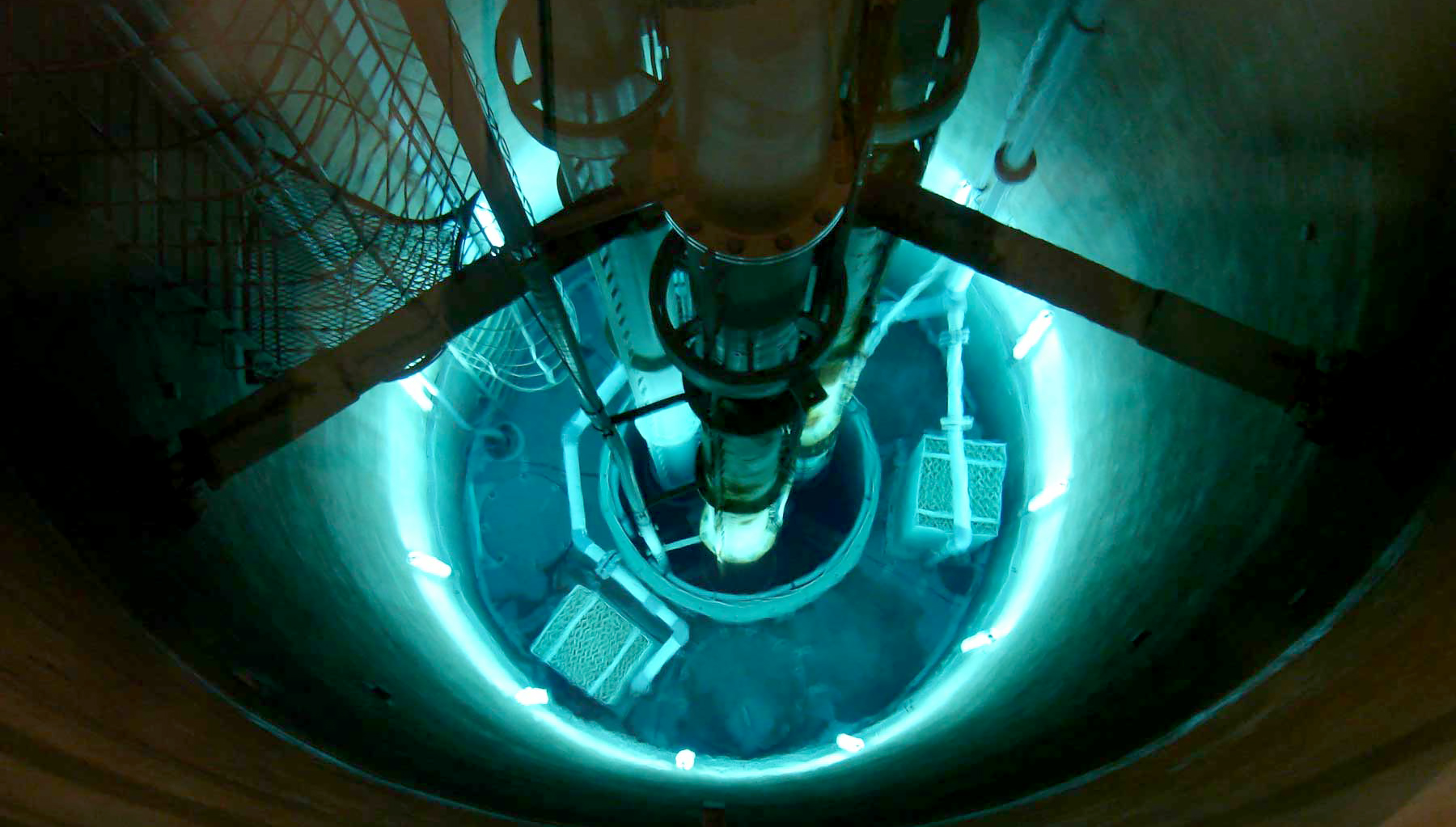
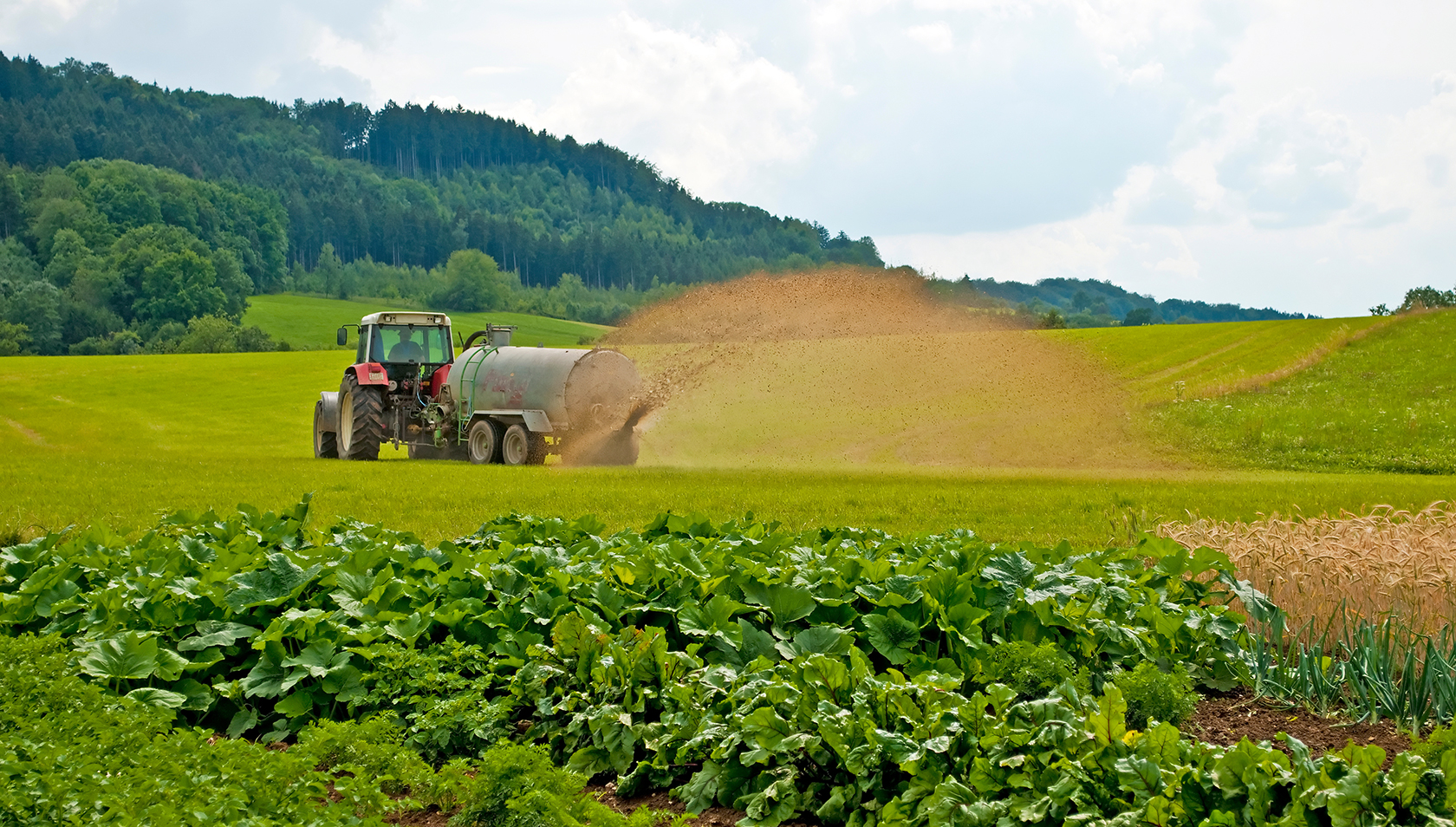
Immer mehr Wasserversorger müssen das Wasser aufbereiten oder sogar Fassungen stilllegen (Foto: iStock).
Risse im Wasserschloss
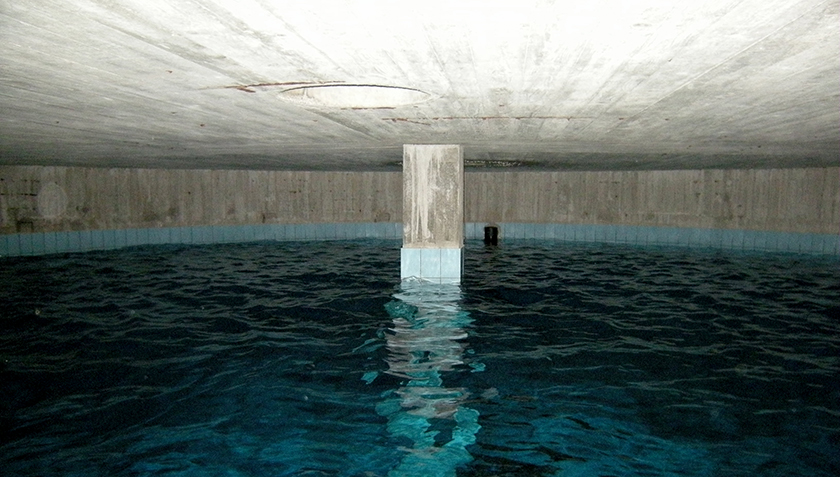
Fast 150 Liter Trinkwasser pro Person verbrauchen wir in der Schweiz jeden Tag im Haushalt. 80 Prozent davon werden aus Grundwasser gewonnen, der Rest aus Seewasser. Während das Seewasser meist mehrstufig aufbereitet werden muss, kann das Grundwasser grösstenteils ohne Behandlung oder mit einer einfachen Aufbereitung als Trinkwasser verwendet werden. Aber die Versorgung mit Trinkwasser in ausreichender Qualität und Menge ist auch im Wasserschloss Schweiz keine Selbstverständlichkeit mehr.
Schadstoffeinträge erkennen und reduzieren
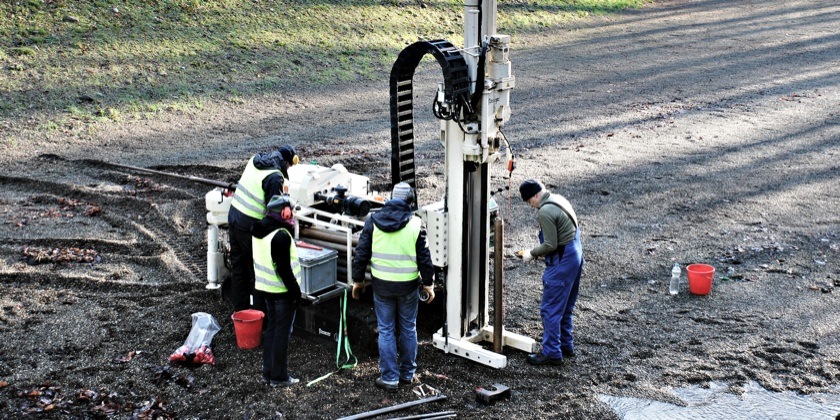
In landwirtschaftlich intensiv genutzten Regionen gelangen Nitrat und Pestizidrückstände in die Gewässer und ins Grundwasser. Das stellt die Trinkwasserversorger vor grosse Herausforderungen. Mit ihrer Forschung trägt die Eawag dazu bei, das Ausmass der Belastungen aufzudecken und Vorschläge zur Verbesserung der Situation zu entwickeln.
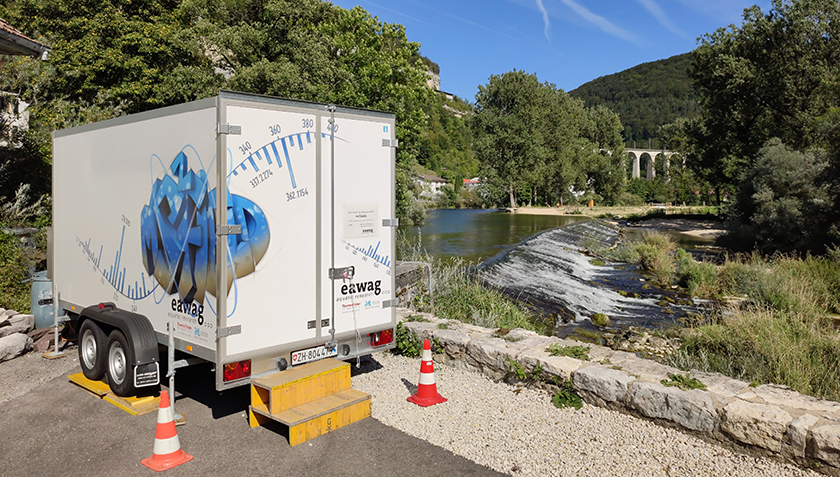
Um den Austausch zwischen Forschung, Praxis und Behörden zu diesen Themen zu fördern, betreibt die Eawag zusammen mit dem Verband Schweizer Abwasser- und Gewässerschutzfachleute (VSA) und dem Bundesamt für Umwelt (BAFU) die Plattform Wasserqualität und hat ausserdem das Schweizer Grundwasser Netzwerk CH-GNet lanciert.
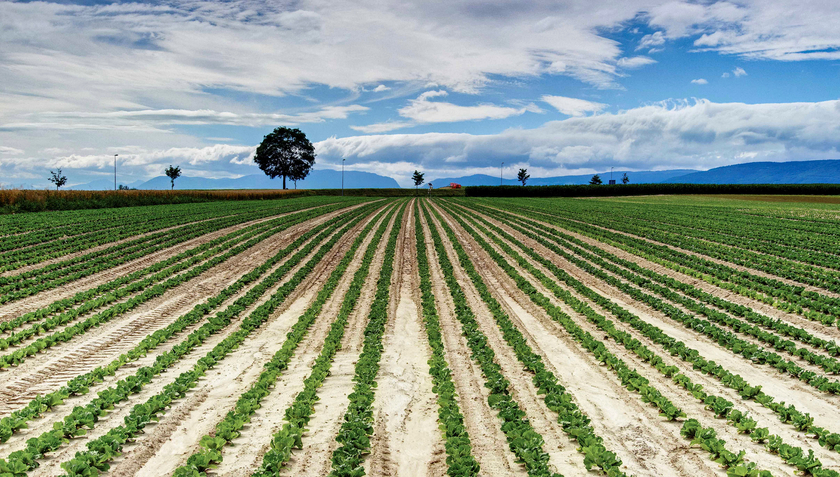
Die Ausdehnung des Siedlungsraumes und die intensive Landwirtschaft wirken sich negativ auf die Wasserqualität aus (Foto: Markus Bolliger/BAFU).
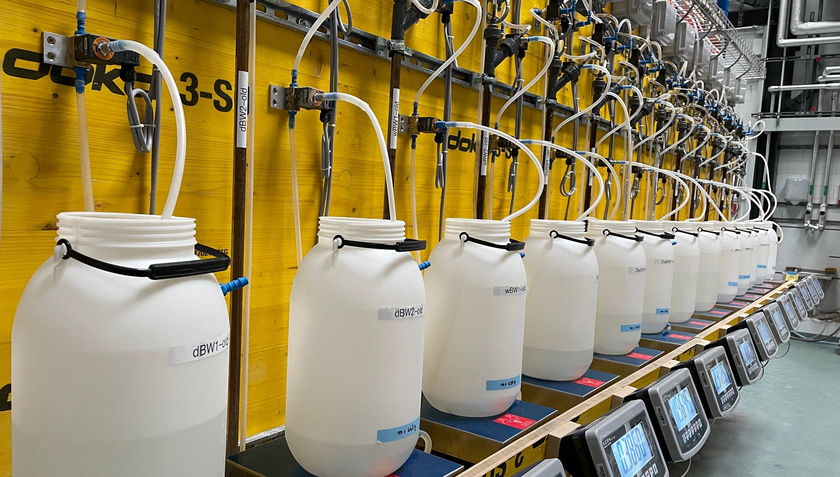
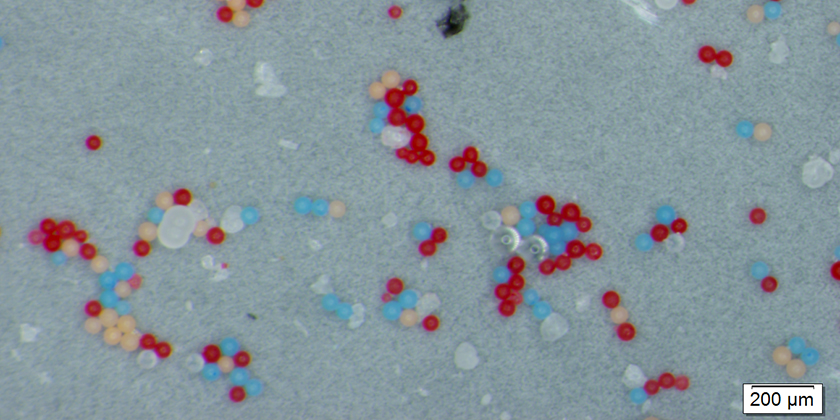
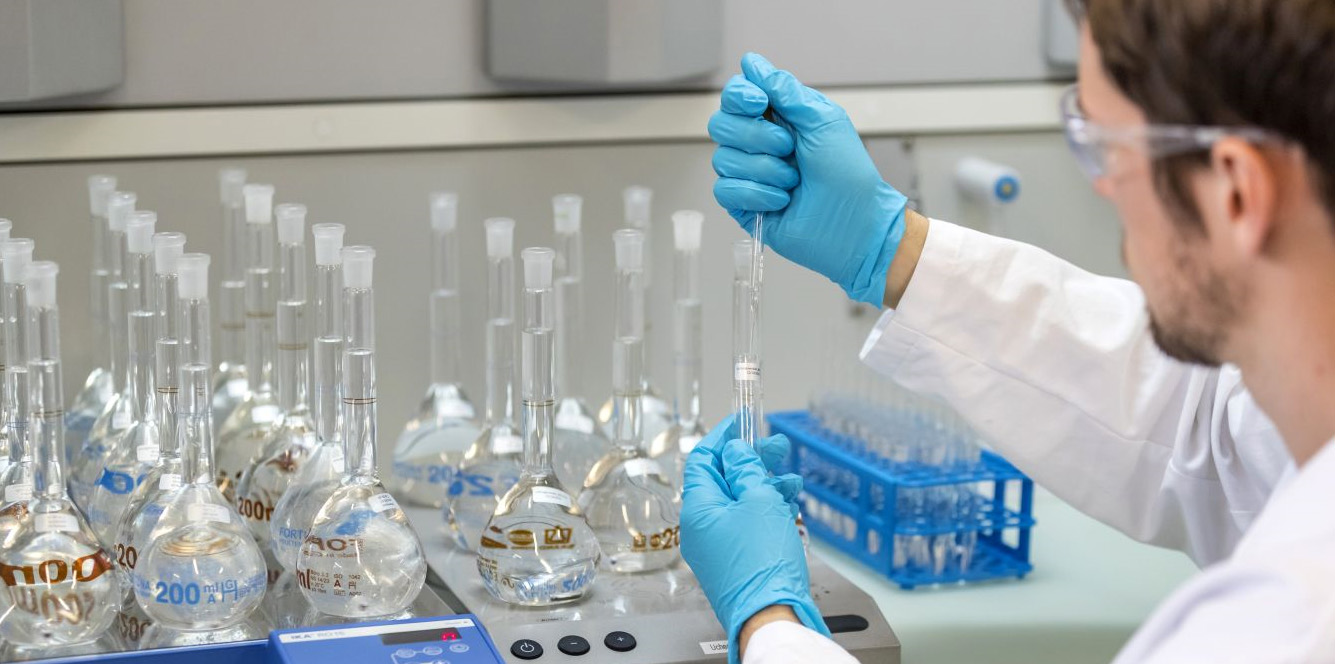
Die Eawag untersucht verschiedene Methoden zur Aufbereitung von Trinkwasser, hier etwa mit Membranfiltration (Foto: Eawag).
Wasseraufbereitung optimieren
Neben der Reduktion von Schadstoffeinträgen in die Gewässer forscht die Eawag auch an der Wasseraufbereitung, damit trotzdem vorhandene Schadstoffe möglichst effizient entfernt werden. Dabei geht es um die Optimierung bestehender und die Erforschung neuer Aufbereitungs-Technologien, aber auch um potenzielle neue Schadstoffe wie etwa Nanoplastik.
Auch wenn qualitativ einwandfreies Trinkwasser zu den Verbraucherinnen und Verbrauchern gelangt, bergen die Gebäudeinstallationen wiederum neue Gefahren. Wird das Wasser erwärmt, können sich Legionellen bilden – Bakterien, die schwere Lungenentzündungen hervorrufen können, die sogenannte Legionärskrankheit. Wie sich diese Gefahr eindämmen lässt, untersucht ein multidisziplinäres Forschungsteam unter Leitung der Eawag im Projekt «LeCo».
Wasser wiederverwenden
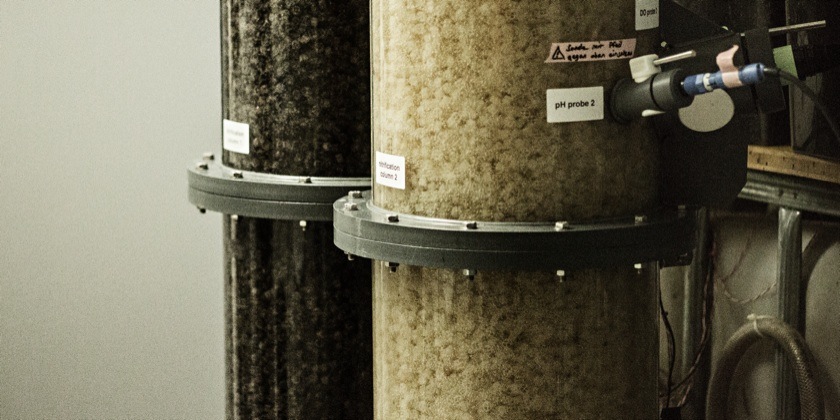
Mit den durch den Klimawandel häufiger auftretenden heissen und trockenen Sommern, werden auch im Wasserschloss Schweiz Versorgungsengpässe zum Thema. Daher forscht die Eawag an der Wiederverwendung von Grauwasser – Abwasser aus Duschen, Waschmaschinen oder Geschirrspülern – das aufbereitet für die Toilettenspülung oder zum Bewässern eingesetzt werden kann. Denn nicht überall, wo wir heute Trinkwasser verwenden, ist das auch erforderlich.
array(3 items)0 => Snowflake\Publications\Domain\Model\Publicationprototypepersistent entity (uid=34849, pid=124)originalId => protected34849 (integer)
authors => protected'Hammes, F.; Gabrielli, M.; Cavallaro, A.; Eichelberg, A. ; Barigelli, S.; Bigler, M.; Faucher, S. P.; Füchslin,& nbsp;H. P.; Gaia, V.; Gomez-Valero, L.; Grimard-Conea, M .; Haas, C. N.; Hamilton, K. A.; Healy, H. G.; Héchard, Y.; Julian, T.; Kieper, L.; Lauper, U.; Lefeb vre, X.; Mäusezahl, D.; Ortiz, C.; Pereira, A.; Prevost , M.; Quon, H.; Roy, S.; Silva, A. R.; Sylvestre,&n bsp;É.; Tang, L.; Reyes, E. V.; Van Der Wielen, P.  ;W. J. J.; Waak, M.' (642 chars)
title => protected'Foresight 2035: a perspective on the next decade of research on the manageme nt of <em>Legionella </em>spp. in engineered aquatic environments' (141 chars)
journal => protected'FEMS Microbiology Reviews' (25 chars)
year => protected2025 (integer)
volume => protected49 (integer)
issue => protected'2025' (4 chars)
startpage => protected'fuaf022 (18 pp.)' (16 chars)
otherpage => protected'' (0 chars)
categories => protected'legionella; Legionnaires' disease; legionellosis; building plumbing; opportu nistic pathogens; waterborne disease' (112 chars)
description => protected'The disease burden from <em>Legionella </em>spp. infections has been increas ing in many industrialized countries and, despite decades of scientific adva nces, ranks amongst the highest for waterborne diseases. We review here seve ral key research areas from a multidisciplinary perspective and list critica l research needs to address some of the challenges of <em>Legionella </em>sp p. management in engineered environments. These include: (i) a consideration of Legionella species diversity and cooccurrence, beyond <em>Legionella pne umophila</em> only; (ii) an assessment of their environmental prevalence and clinical relevance, and how that may affect legislation, management, and in tervention prioritization; (iii) a consideration of <em>Legionella </em>spp. sources, their definition and prioritization; (iv) the factors affecting Le gionnaires' disease seasonality, how they link to sources, <em>Legionella </ em>spp. proliferation and ecology, and how these may be affected by climate change; (v) the challenge of saving energy in buildings while controlling <e m>Legionella </em>spp. with high water temperatures and chemical disinfectio n; and (vi) the ecological interactions of <em>Legionella </em>spp. with oth er microbes, and their potential as a biological control strategy. Ultimatel y, we call for increased interdisciplinary collaboration between multiple re search domains, as well as transdisciplinary engagement and collaboration ac ross government, industry, and science as the way toward controlling and red ucing <em>Legionella</em>-derived infections.' (1565 chars)
serialnumber => protected'0168-6445' (9 chars)
doi => protected'10.1093/femsre/fuaf022' (22 chars)
uid => protected34849 (integer)
_localizedUid => protected34849 (integer)modified_languageUid => protectedNULL
_versionedUid => protected34849 (integer)modifiedpid => protected124 (integer)1 => Snowflake\Publications\Domain\Model\Publicationprototypepersistent entity (uid=34275, pid=124)originalId => protected34275 (integer)
authors => protected'Lin, Z.; Ruan, C.; Xia, R.; Liao, J.; Zhu, L.; Wang , D.; Alvarez, P. J. J.; Yu, P.' (132 chars)
title => protected'Bacterium-phage interactions enhance biofilm resilience during membrane filt ration biofouling under oxidative and hydraulic stresses' (132 chars)
journal => protected'Environmental Science and Technology' (36 chars)
year => protected2025 (integer)
volume => protected59 (integer)
issue => protected'17' (2 chars)
startpage => protected'8614' (4 chars)
otherpage => protected'8628' (4 chars)
categories => protected'membrane biofouling; oxidative stress; microbial adaptation; phage-host inte ractions; auxiliary metabolic genes; quorum sensing' (127 chars)
description => protected'Microbial interactions on membrane surfaces can facilitate biofilm formation and biofouling, which poses a significant challenge for pressure-driven mem brane filtration systems. This multiomics study investigates the adaptive re sponses of bacterium-phage interactions under varying oxidative and hydrauli c stress during membrane backwashing and their biological contributions to b iofouling. Oxidative and hydraulic stress distinctly shaped bacteria and pha ge diversity and community composition. Under moderate oxidative backwashing (300 ppm of NaClO), diversity was maintained, with increased antioxidant en zyme activities, extracellular polymeric substance (EPS) production, and quo rum sensing (QS) signaling, promoting bacterial resilience and biofilm forma tion. In contrast, excessive oxidative stress (600 ppm of NaClO) reduced bac teria and phage diversity, disrupted antioxidant responses, and increased mi crobial sensitivity. Hydraulic stress predominantly influenced viral diversi ty and co-occurrence network topology, favoring the expansion of broad host- range phages and lysogenic lifestyles under combined stresses. Phage-bacteri um interaction analyses highlighted phages' adaptive preferences for hosts w ith high network centrality and broad ecological niches, which enhanced micr obial interactions and resilience. Transcriptomic profiling demonstrated the early enrichment of genes associated with energy metabolism, ROS detoxifica tion, and biofilm formation, followed by stabilization as biofilms matured. Phage-encoded auxiliary metabolic genes were involved in DNA repair, QS, and EPS biosynthesis, contributing to microbial adaptation through oxidative st ress resistance and biofilm stabilization. Overall, these findings provide m echanistic insights into biofouling dynamics and highlight the need to optim ize chlorine dosing to prevent suboptimal levels of microbial adaptation and biofouling.' (1912 chars)
serialnumber => protected'0013-936X' (9 chars)
doi => protected'10.1021/acs.est.5c00490' (23 chars)
uid => protected34275 (integer)
_localizedUid => protected34275 (integer)modified_languageUid => protectedNULL
_versionedUid => protected34275 (integer)modifiedpid => protected124 (integer)2 => Snowflake\Publications\Domain\Model\Publicationprototypepersistent entity (uid=34871, pid=124)originalId => protected34871 (integer)
authors => protected'Ra, J.; Huang, K.; Mohn, J.; Hofstetter, T. B.; Muc k, E.; von Gunten, U.' (107 chars)
title => protected'Characterization of organic nitrogen by chlorination, ozonation, and stable isotope analysis of nitrate' (103 chars)
journal => protected'Environmental Science and Technology' (36 chars)
year => protected2025 (integer)
volume => protected59 (integer)
issue => protected'26' (2 chars)
startpage => protected'13481' (5 chars)
otherpage => protected'13493' (5 chars)
categories => protected'dissolved organic matter; amines; ozonation; chlorination; nitrate; nitrogen isotopes' (85 chars)
description => protected'During oxidation, nitrogenous species in dissolved organic matter (DOM) are critical in the formation of nitrogenous, potentially toxic disinfection byp roducts, but their chemical identity remains poorly understood. Here, we dev eloped three complementary approaches to identify and quantify reactive amin es in model compounds and DOM, including aliphatic primary and secondary ami nes, aryl-type primary amines, amino acids, and terminal peptidic amino grou ps. With the chloramine formation assay, the total reactive amines were quan tified for the main subgroups. An assay with continuous ozonation quantified three types of reactive amines based on nitrate formation rate constants (k <sub>NO<sub>3</sub>-</sub>): k<sub>NO<sub>3</sub>-</sub> < 0.1 M<sup>-1</ sup> s<sup>-1</sup> for secondary and aliphatic primary amines; k<sub>NO<sub >3</sub>-</sub> = 0.9-1.9 M<sup>-1</sup> s<sup>-1</sup> for aryl-type primar y amines; k<sub>NO<sub>3</sub>-</sub> = 15-110 M<sup>-1</sup> s<sup>-1</sup> for amino acids and peptidic amino groups. The analysis of <sup>15</sup>N/< sup>14</sup>N ratios of nitrate helped to distinguish reactive amines based on <sup>15</sup>N enrichment factors (ϵ<sub>N</sub>): aliphatic (or aryl-ty pe) primary amines (ϵ<sub>N</sub>:-9 to -3‰), and amino acids and peptidi c amino groups (ϵ<sub>N</sub>:-28 to -19‰). Overall, 23-27% of the organi c nitrogen in DOM isolates comprises oxidant-reactive amines, with 5-6% seco ndary amines, 10-14% aliphatic primary amines, 4% aryl-type primary amines, 1-4% amino acids, and 0-2% peptidic amino groups. Based on the quantitative characterization of amine moieties in DOM, which are possible precursors of N-DBPs, the formation potential of N-DBPs upon oxidative water treatment was estimated.' (1759 chars)
serialnumber => protected'0013-936X' (9 chars)
doi => protected'10.1021/acs.est.5c01034' (23 chars)
uid => protected34871 (integer)
_localizedUid => protected34871 (integer)modified_languageUid => protectedNULL
_versionedUid => protected34871 (integer)modifiedpid => protected124 (integer)
Foresight 2035: a perspective on the next decade of research on the management of Legionella spp. in engineered aquatic environments
The disease burden from Legionella spp. infections has been increasing in many industrialized countries and, despite decades of scientific advances, ranks amongst the highest for waterborne diseases. We review here several key research areas from a multidisciplinary perspective and list critical research needs to address some of the challenges of Legionella spp. management in engineered environments. These include: (i) a consideration of Legionella species diversity and cooccurrence, beyond Legionella pneumophila only; (ii) an assessment of their environmental prevalence and clinical relevance, and how that may affect legislation, management, and intervention prioritization; (iii) a consideration of Legionella spp. sources, their definition and prioritization; (iv) the factors affecting Legionnaires' disease seasonality, how they link to sources, Legionella spp. proliferation and ecology, and how these may be affected by climate change; (v) the challenge of saving energy in buildings while controlling Legionella spp. with high water temperatures and chemical disinfection; and (vi) the ecological interactions of Legionella spp. with other microbes, and their potential as a biological control strategy. Ultimately, we call for increased interdisciplinary collaboration between multiple research domains, as well as transdisciplinary engagement and collaboration across government, industry, and science as the way toward controlling and reducing Legionella-derived infections.
Hammes, F.; Gabrielli, M.; Cavallaro, A.; Eichelberg, A.; Barigelli, S.; Bigler, M.; Faucher, S. P.; Füchslin, H. P.; Gaia, V.; Gomez-Valero, L.; Grimard-Conea, M.; Haas, C. N.; Hamilton, K. A.; Healy, H. G.; Héchard, Y.; Julian, T.; Kieper, L.; Lauper, U.; Lefebvre, X.; Mäusezahl, D.; Ortiz, C.; Pereira, A.; Prevost, M.; Quon, H.; Roy, S.; Silva, A. R.; Sylvestre, É.; Tang, L.; Reyes, E. V.; Van Der Wielen, P. W. J. J.; Waak, M. (2025) Foresight 2035: a perspective on the next decade of research on the management of Legionella spp. in engineered aquatic environments, FEMS Microbiology Reviews, 49(2025), fuaf022 (18 pp.), doi:10.1093/femsre/fuaf022, Institutional Repository
Bacterium-phage interactions enhance biofilm resilience during membrane filtration biofouling under oxidative and hydraulic stresses
Microbial interactions on membrane surfaces can facilitate biofilm formation and biofouling, which poses a significant challenge for pressure-driven membrane filtration systems. This multiomics study investigates the adaptive responses of bacterium-phage interactions under varying oxidative and hydraulic stress during membrane backwashing and their biological contributions to biofouling. Oxidative and hydraulic stress distinctly shaped bacteria and phage diversity and community composition. Under moderate oxidative backwashing (300 ppm of NaClO), diversity was maintained, with increased antioxidant enzyme activities, extracellular polymeric substance (EPS) production, and quorum sensing (QS) signaling, promoting bacterial resilience and biofilm formation. In contrast, excessive oxidative stress (600 ppm of NaClO) reduced bacteria and phage diversity, disrupted antioxidant responses, and increased microbial sensitivity. Hydraulic stress predominantly influenced viral diversity and co-occurrence network topology, favoring the expansion of broad host-range phages and lysogenic lifestyles under combined stresses. Phage-bacterium interaction analyses highlighted phages' adaptive preferences for hosts with high network centrality and broad ecological niches, which enhanced microbial interactions and resilience. Transcriptomic profiling demonstrated the early enrichment of genes associated with energy metabolism, ROS detoxification, and biofilm formation, followed by stabilization as biofilms matured. Phage-encoded auxiliary metabolic genes were involved in DNA repair, QS, and EPS biosynthesis, contributing to microbial adaptation through oxidative stress resistance and biofilm stabilization. Overall, these findings provide mechanistic insights into biofouling dynamics and highlight the need to optimize chlorine dosing to prevent suboptimal levels of microbial adaptation and biofouling.
Lin, Z.; Ruan, C.; Xia, R.; Liao, J.; Zhu, L.; Wang, D.; Alvarez, P. J. J.; Yu, P. (2025) Bacterium-phage interactions enhance biofilm resilience during membrane filtration biofouling under oxidative and hydraulic stresses, Environmental Science and Technology, 59(17), 8614-8628, doi:10.1021/acs.est.5c00490, Institutional Repository
Characterization of organic nitrogen by chlorination, ozonation, and stable isotope analysis of nitrate
During oxidation, nitrogenous species in dissolved organic matter (DOM) are critical in the formation of nitrogenous, potentially toxic disinfection byproducts, but their chemical identity remains poorly understood. Here, we developed three complementary approaches to identify and quantify reactive amines in model compounds and DOM, including aliphatic primary and secondary amines, aryl-type primary amines, amino acids, and terminal peptidic amino groups. With the chloramine formation assay, the total reactive amines were quantified for the main subgroups. An assay with continuous ozonation quantified three types of reactive amines based on nitrate formation rate constants (kNO3-): kNO3- < 0.1 M-1 s-1 for secondary and aliphatic primary amines; kNO3- = 0.9-1.9 M-1 s-1 for aryl-type primary amines; kNO3- = 15-110 M-1 s-1 for amino acids and peptidic amino groups. The analysis of 15N/14N ratios of nitrate helped to distinguish reactive amines based on 15N enrichment factors (ϵN): aliphatic (or aryl-type) primary amines (ϵN:-9 to -3‰), and amino acids and peptidic amino groups (ϵN:-28 to -19‰). Overall, 23-27% of the organic nitrogen in DOM isolates comprises oxidant-reactive amines, with 5-6% secondary amines, 10-14% aliphatic primary amines, 4% aryl-type primary amines, 1-4% amino acids, and 0-2% peptidic amino groups. Based on the quantitative characterization of amine moieties in DOM, which are possible precursors of N-DBPs, the formation potential of N-DBPs upon oxidative water treatment was estimated.
Ra, J.; Huang, K.; Mohn, J.; Hofstetter, T. B.; Muck, E.; von Gunten, U. (2025) Characterization of organic nitrogen by chlorination, ozonation, and stable isotope analysis of nitrate, Environmental Science and Technology, 59(26), 13481-13493, doi:10.1021/acs.est.5c01034, Institutional Repository