Biodiversität

Die Dynamik der Biodiversität verstehen und erhalten

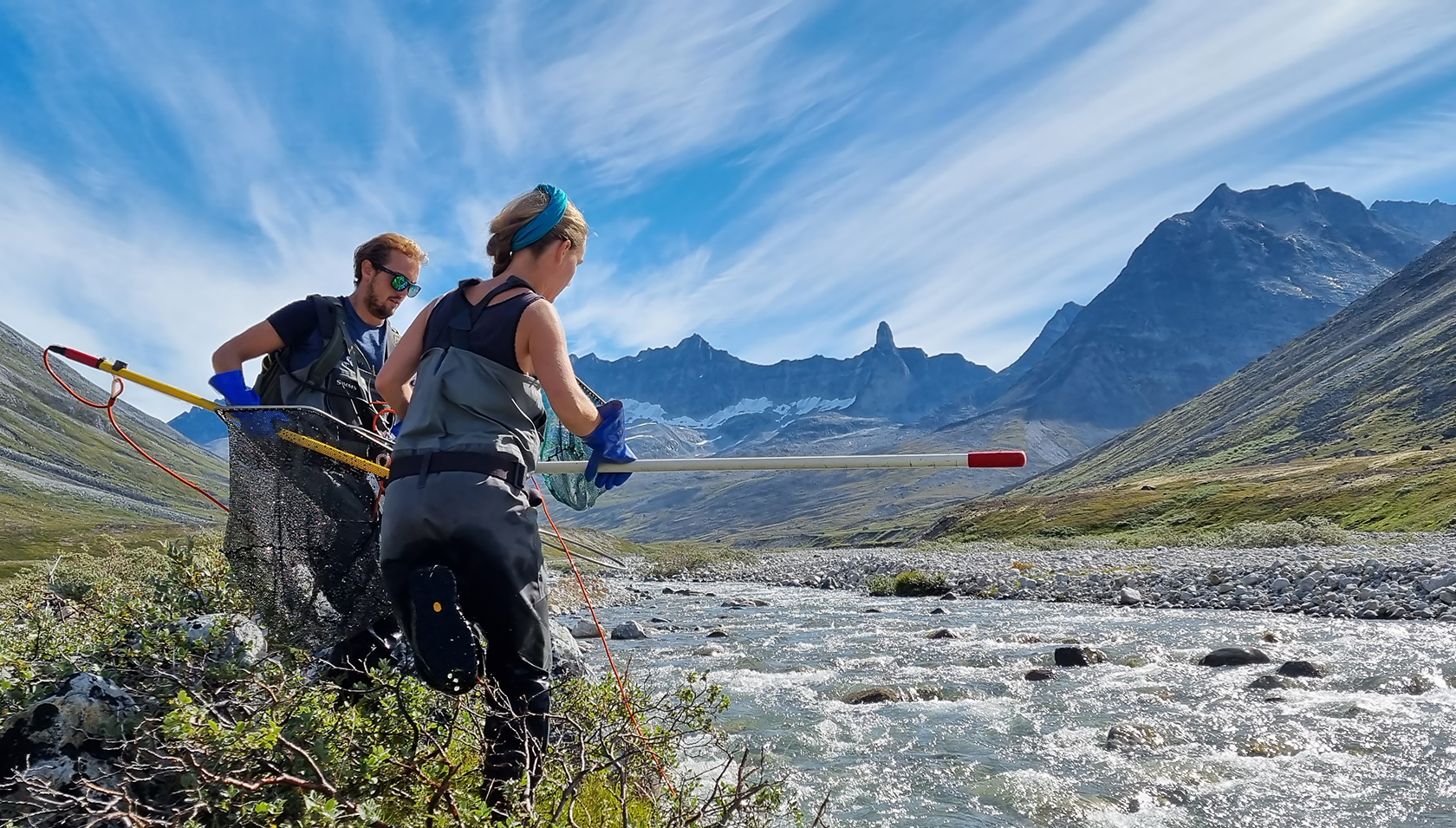
Eingriffe durch die Menschen führen dazu, dass die Biodiversität im Wasser schwindet, sogar stärker als jene an Land. Wir erforschen die Vielfalt der Natur, um besser zu verstehen, wie Arten entstehen und aussterben. Daraus leiten wir ab, mit welchen Werkzeugen sich die Biodiversität schützen lässt.

Verlust der aquatischen Biodiversität

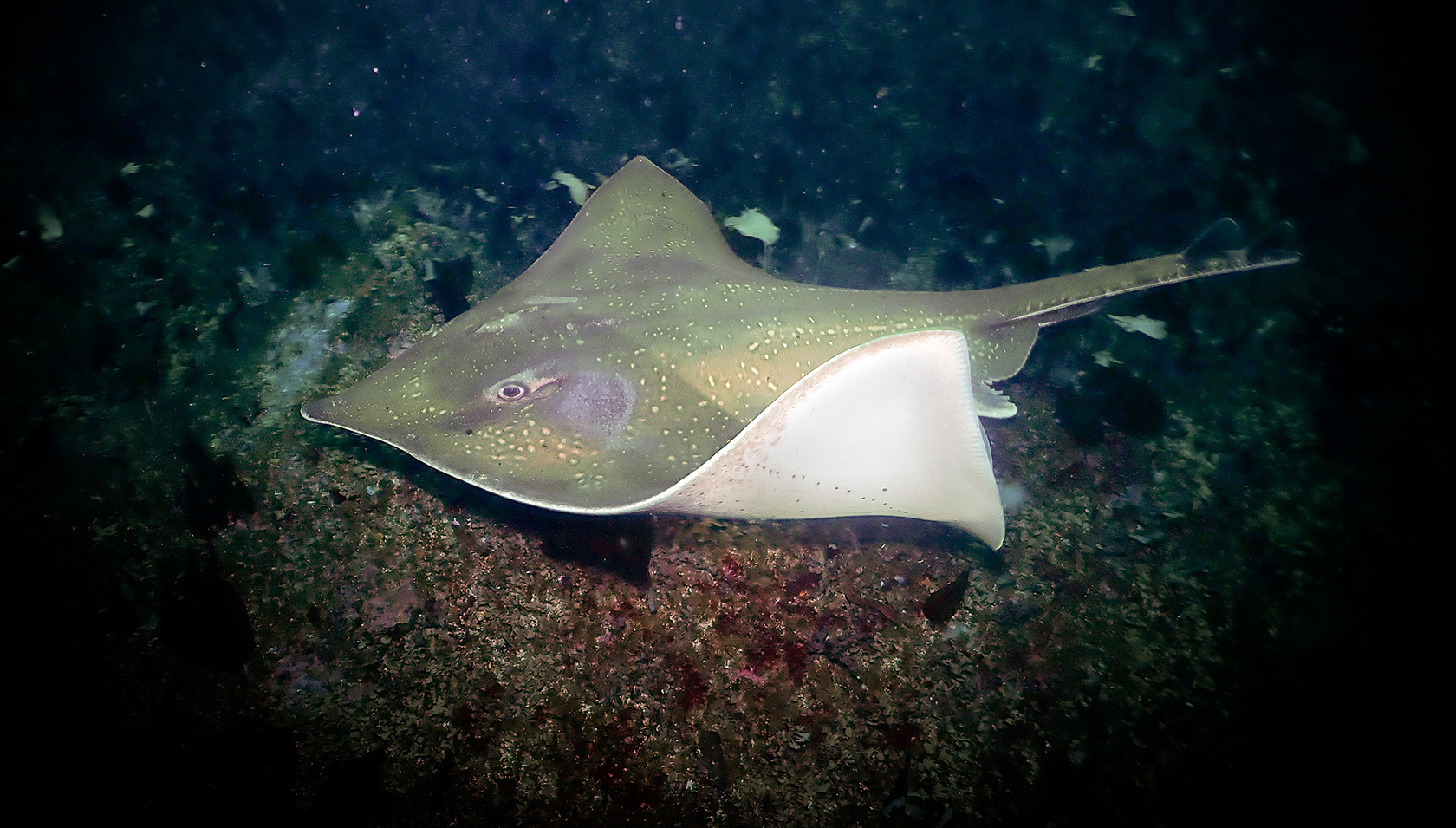
Flüsse, Seen und Grundwasser sind eng mit der Lebensweise der Menschen verknüpft. Unser Handeln hat einen starken Einfluss auf diese Lebensräume. Mit Folgen: Zwar gehören Gewässer zu den artenreichsten Ökosystemen der Welt, sie sind aber auch besonders gefährdet. Laut der 2022 aktualisierten Roten Liste der Weltnaturschutzorganisation IUCN ist ein Drittel der Süsswasser-Tierarten vom Aussterben bedroht. Darunter leidet nicht nur die Anpassungsfähigkeit der Wasserökosysteme an den Klimawandel. Wir Menschen verlieren auch eine bedeutende Nahrungsgrundlage, sauberes Trinkwasser oder Schutz vor Hochwasser.

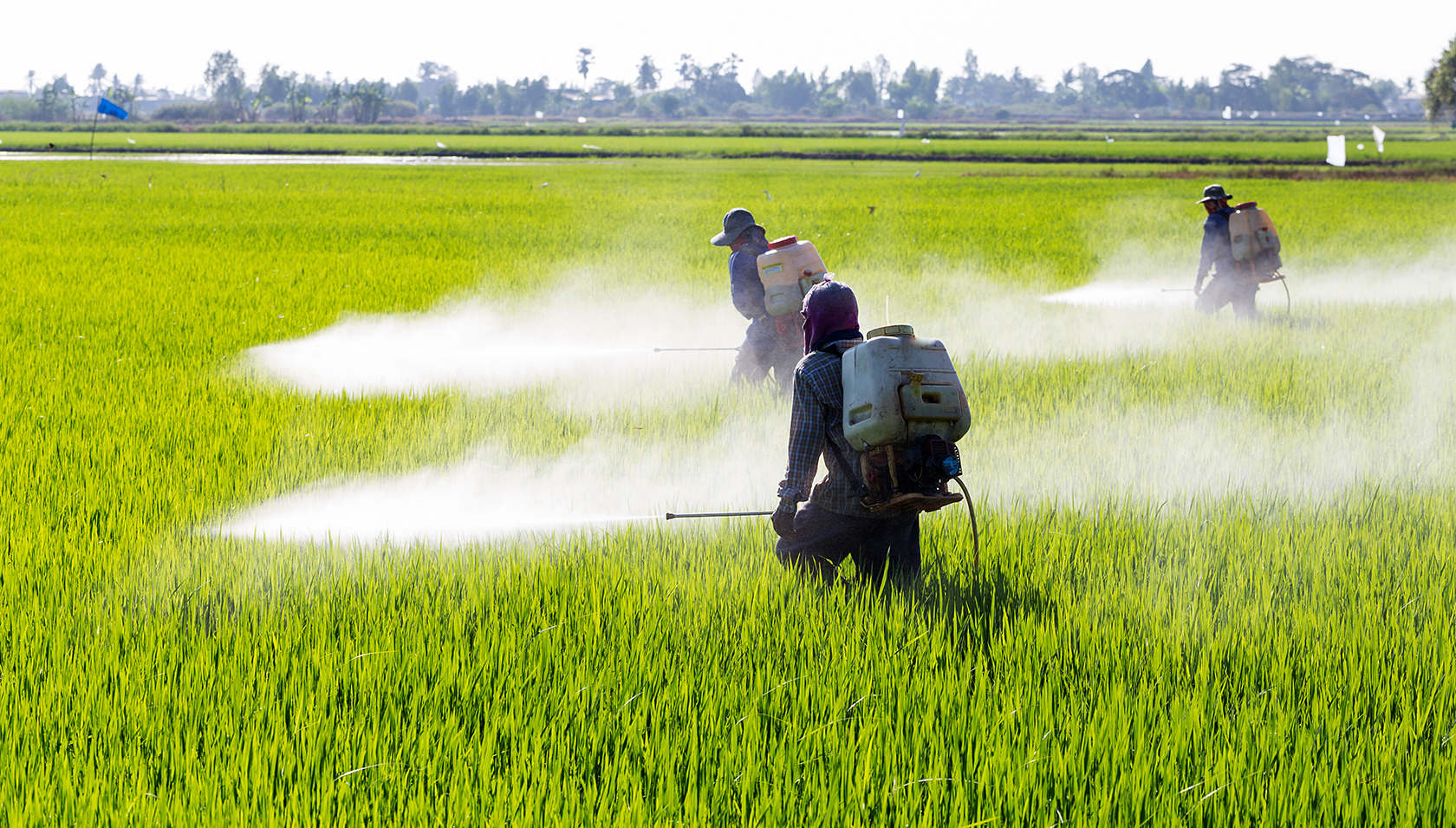
Eine veränderte Land- und Gewässernutzung reduziert den natürlichen Lebensraum Wasser: So werden zum Beispiel Auen und Moore trockengelegt, Ufer verbaut und Flüsse für die Energiegewinnung genutzt. Dünger, Pflanzenschutzmittel und andere Mikroverunreinigungen belasten die Gewässer. Dazu kommen weitere Faktoren wie der Klimawandel und eingeschleppte invasive Arten. Das alles verursacht oder beschleunigt den Artenverlust.
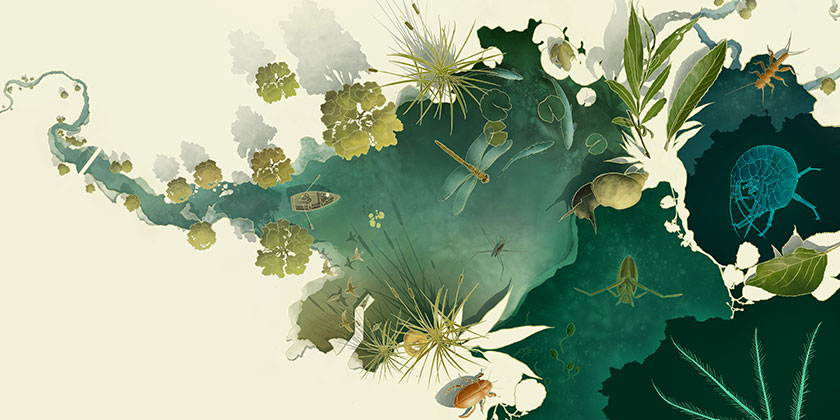
Die Eawag erforscht die Biodiversität

Süsswasser-Ökosysteme und ihre Biodiversität sind noch weniger gut erforscht als jene an Land oder im Meer.

Forschende der Eawag

  • dokumentieren, wo welche Biodiversität zu finden ist und wie sie sich entwickelt,
  • verknüpfen Wissen über die Biodiversität im Wasser und an Land,
  • untersuchen die Zusammenhänge zwischen der Biodiversität und den Dienstleistungen der Ökosysteme,
  • erforschen, welche gesellschaftlichen Prozesse Biodiversität fördern oder gefährden,
  • entwickeln Methoden zur Beobachtung der Biodiversität,
  • stellen Daten und Werkzeuge zu Verfügung, um dem Rückgang der Biodiversität und seinen Folgen zu begegnen,
  • vermitteln aktuelle wissenschaftliche Erkenntnisse in Praxiskursen und praxisorientierten Projekten,
  • bilden Studierende und Nachwuchsforschende zum Thema Biodiversität aus.

Expertinnen und Experten aus dem Ingenieurwesen und aus den Natur- und Sozialwissenschaften arbeiten an der Eawag Hand in Hand.

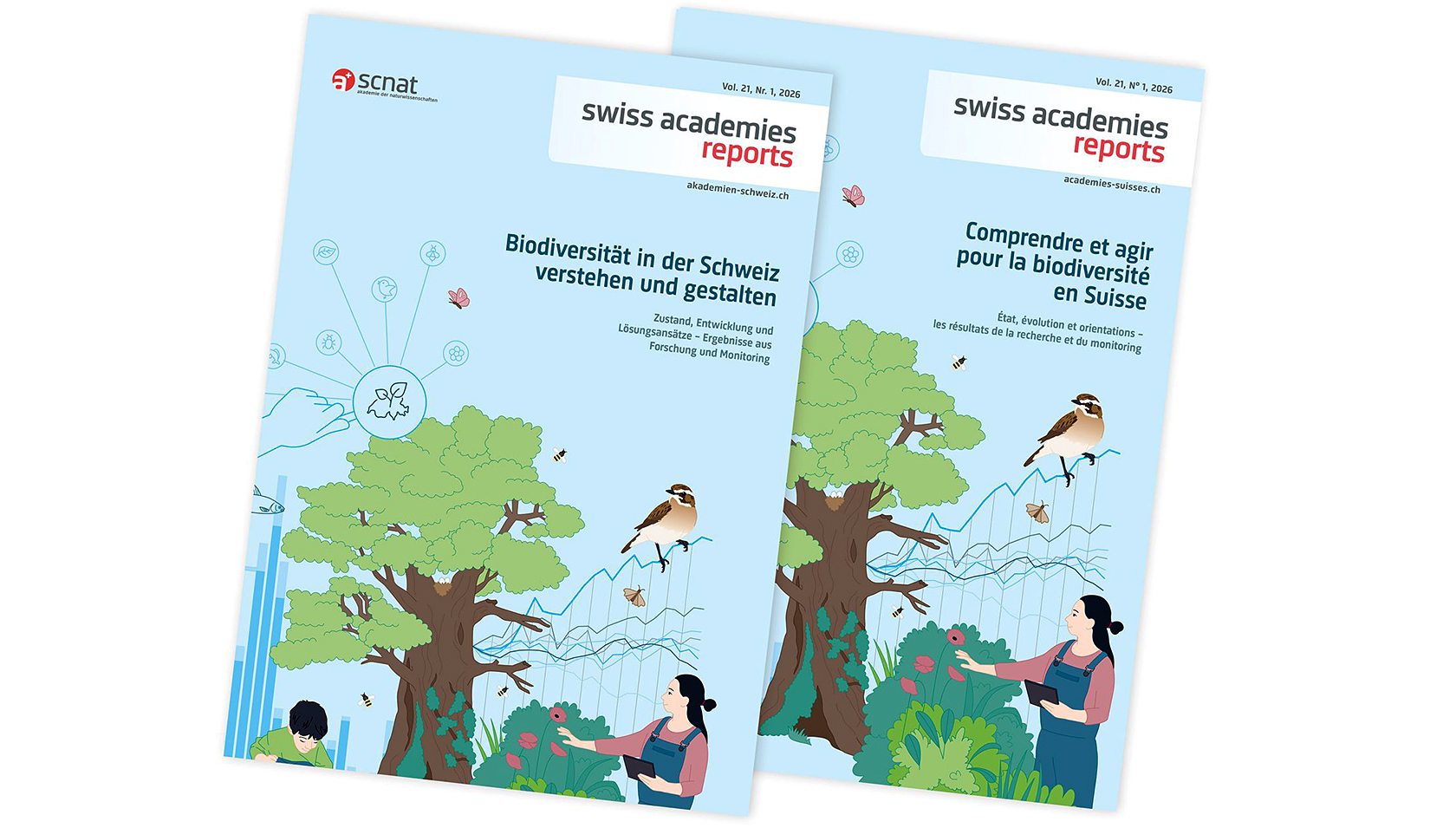
Publikationen für die Praxis

Netzwerk

Wir arbeiten mit verschiedenen Partnern zusammen.

Der Bund ergreift auf verschiedensten Ebenen Massnahmen, um die Biodiversität zu erhalten und zu fördern.

Bundesamt für Umwelt BAFU

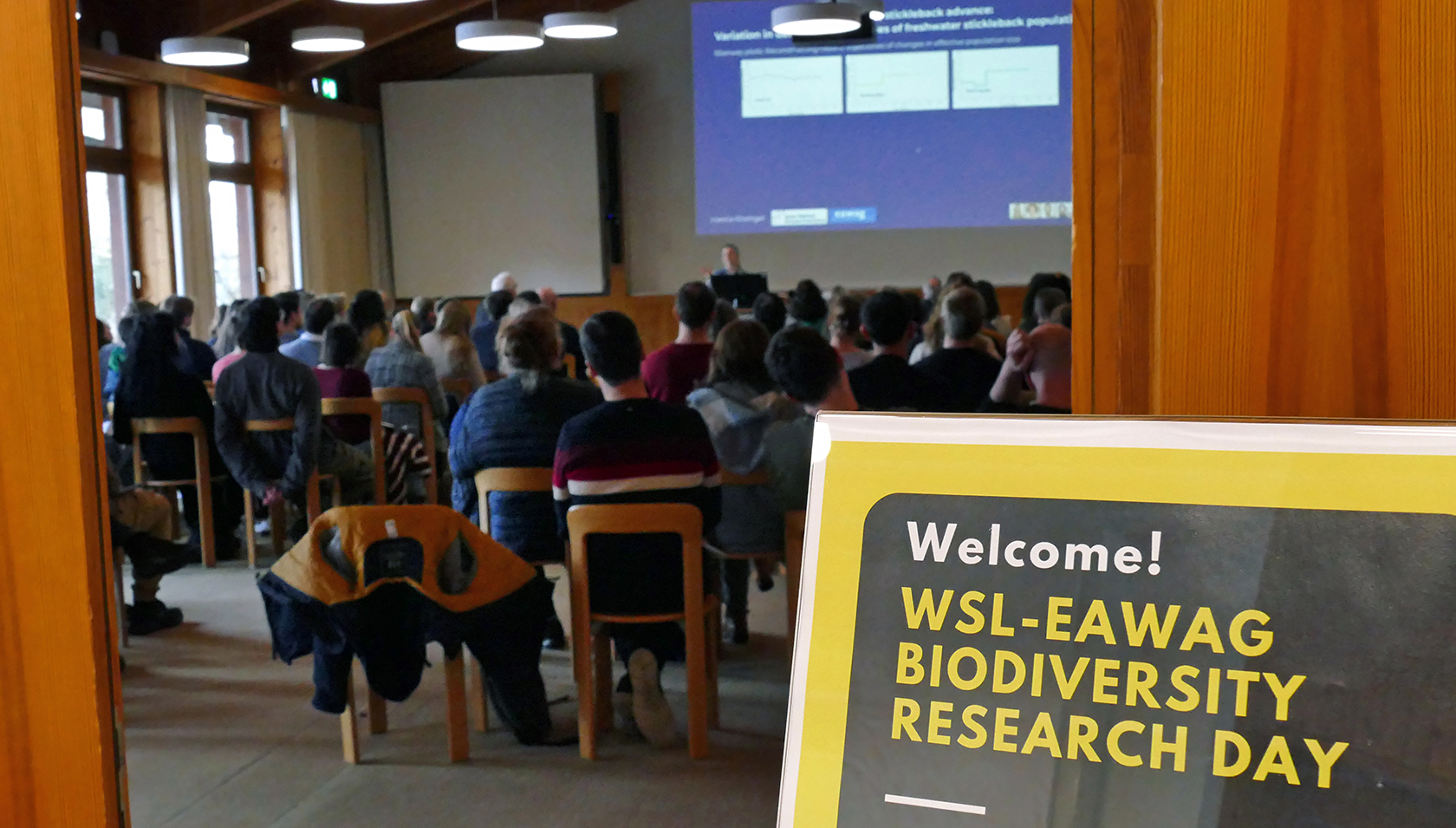
Die Veranstaltung bringt regelmässig Forschende aus allen Disziplinen mit Fachleuten und gesellschaftlichen Akteuren zusammen.

World Biodiversity Forum

Im Biodiversitätsmonitoring Schweiz wird die Entwicklung der Artenvielfalt ausgewählter Pflanzen- und Tierarten erhoben.

Biodiversitätsmonitoring Schweiz

Das wissenschaftliche Kompetenzzentrum der Akademie der Naturwissenschaften setzt sich für die Erforschung der Biodiversität ein.

Forum Biodiversität Schweiz

Die Dauerausstellung «Wunderkammer» beherbergt eine einzigartige Fischsammlung, die bis ins Jahr 1871 zurückreicht.

Naturhistorisches Museum Bern

Expertinnen und Experten

Prof. Dr. Martin Ackermann
  • Bakterien
  • Genetik
  • Antibiotika
  • Resistenzen
  • Evolution
  • Ökologie
Prof. Dr. Florian Altermatt
  • Biodiversität
  • Genetik
  • Modellierung
  • Ökologie
  • Ökosysteme
Dr. Jakob Brodersen
  • Isotope
  • Ökologie
Dr. Helmut Bürgmann
  • Antibiotikaresistenz
  • Bakterienplankton
  • Mikrobiologie
  • Nährstoffe
  • Oberflächengewässer
Dr. Lauren Cook
  • Infrastrukturplanung
  • Klimaveränderung
  • Modellierung
  • Nachhaltige Wasserwirtschaft
  • Siedlungswasserwirtschaft
Dr. Philine Feulner
  • Evolution
  • Fische
  • Genetik
  • Vergleichende Genomik
Dr. David Johnson
  • Biodiversität
  • Mikrobiologie
  • Ökologie
  • Evolutionsökologie
  • Evolution
Dr. Marissa Kosnik
  • Computergestützte Methoden
  • Datenwissenschaft
  • Ökotoxikologie
  • Transdisziplinäre Forschung
Dr. Blake Matthews
  • Biodiversität
  • Plankton
  • Evolution
  • Ökosysteme
Dr. Carlos Melian
  • Biodiversität
  • Modellierung
  • Ökologie
Dr. Helen Moor
  • Ökologie
  • Modellierung
  • Biodiversität
  • Feuchtgebiete
Dr. Francesco Pomati
  • Algen
  • Biodiversität
  • Ökologie
  • Plankton
  • Ökotoxikologie
Dr. Serina Robinson
  • Mikrobiologie
  • Biotransformation
  • Metagenomik
  • Arzneimittel
  • Biodegradation
Dr. Nele Schuwirth
  • Aquatische Ökologie
  • Entscheidungsanalyse
  • Modellierung
  • Multiple Stressoren
  • Transdisziplinäre Forschung
Prof. Dr. Ole Seehausen
  • Fische
  • Genetik
  • Ökologie
  • Evolution
PD Dr. Piet Spaak
  • Plankton
  • Sedimente
Dr. Cornelia Twining
  • Ökologie
  • Evolution
  • Klimaveränderung
  • Flüsse
  • Fettsäuren
Prof. Dr. Christoph Vorburger
  • Biodiversität
  • Genetik
  • Ökologie
  • Evolution
Dr. Alexandra Anh-Thu Weber
  • Evolution
  • Genetik
  • Ökologie
  • Umweltveränderung
  • Vergleichende Genomik
Dr. Christine Weber
  • Flussrevitalisierung
  • Ökologie

Wissenschaftliche Publikationen

Extbase Variable Dump
array(3 items)
   publications => '34990,34150,35240' (17 chars)
   libraryUrl => 'https://www.dora.lib4ri.ch/eawag/islandora/search?f[0]=mods_name_personal_na
      meIdentifier_organizational%5C%20unit%5C%20id_ms%3A%22eawag%5C-units%5C%3A34
      %22
' (155 chars) layout => '1' (1 chars)
Extbase Variable Dump
array(3 items)
   0 => Snowflake\Publications\Domain\Model\Publicationprototypepersistent entity (uid=34990, pid=124)
      originalId => protected34990 (integer)
      authors => protected'Monclús, L.; Arp, H. P. H.; Groh, K. J.; Falt
         ynkova, A.; Løseth, M. E.; Muncke, J.; Wang, Z.; W
         olf, R.; Zimmermann, L.; Wagner, M.
' (202 chars) title => protected'Mapping the chemical complexity of plastics' (43 chars) journal => protected'Nature' (6 chars) year => protected2025 (integer) volume => protected643 (integer) issue => protected'8071' (4 chars) startpage => protected'349' (3 chars) otherpage => protected'355' (3 chars) categories => protected'' (0 chars) description => protected'Plastic pollution is a pervasive and growing global problem. Chemicals in pl
         astics are often not sufficiently considered in the overall strategy to prev
         ent and mitigate the impacts of plastics on human health, the environment an
         d circular economy. Here we present an inventory of 16,325 known plastic che
         micals with a focus on their properties, presence in plastic and hazards. We
          find that diverse chemical structures serve a small set of functions, inclu
         ding 5,776 additives, 3,498 processing aids, 1,975 starting substances and 1
         ,788 non-intentionally added substances. Using a hazard-based approach, we i
         dentify more than 4,200 chemicals of concern, which are persistent, bioaccum
         ulative, mobile or toxic. We also determine 15 priority groups of chemicals,
          for which more than 40% of their members are of concern. Finally, we examin
         e data gaps regarding the basic properties, hazards, uses and exposure poten
         tial of plastic chemicals. Our work maps the chemical landscape of plastics
         and contributes to setting the baseline for a transition towards safer and m
         ore sustainable materials and products. We propose that removing known chemi
         cals of concern, disclosing the chemical composition and simplifying the for
         mulation of plastics can provide pathways towards this goal.
' (1276 chars) serialnumber => protected'0028-0836' (9 chars) doi => protected'10.1038/s41586-025-09184-8' (26 chars) uid => protected34990 (integer) _localizedUid => protected34990 (integer)modified _languageUid => protectedNULL _versionedUid => protected34990 (integer)modified pid => protected124 (integer)
1 => Snowflake\Publications\Domain\Model\Publicationprototypepersistent entity (uid=34150, pid=124) originalId => protected34150 (integer) authors => protected'Furrer, V.; Junghans, M.; Singer, H.; Ort, C.' (65 chars) title => protected'Realistic exposure scenarios in combined sewer overflows: how temporal resol
         ution and selection of micropollutants impact risk assessment
' (137 chars) journal => protected'Water Research' (14 chars) year => protected2025 (integer) volume => protected278 (integer) issue => protected'' (0 chars) startpage => protected'123318 (9 pp.)' (14 chars) otherpage => protected'' (0 chars) categories => protected'chemical risk assessment; acute ecotoxicity; temporal dynamics; urban draina
         ge; aquatic ecosystems; real exposure scenarios
' (123 chars) description => protected'Organic micropollutants in combined sewer overflows (CSOs) pose a potential
         risk to aquatic ecosystems. Previous studies mainly reported event mean conc
         entrations (EMCs) and often focused on a small number of substances. This st
         udy presents realistic exposure scenarios using high-temporal resolution (10
         -minute) data from 24 events at two CSO sites. We analyzed 49 dissolved orga
         nic micropollutants for all events and 198 for four events, including pharma
         ceuticals, pesticides, and road-related compounds, of which we detected 83 s
         ubstances at least once. From these, we assessed the mixed chemical risk by
         applying acute quality criteria and evaluated how the risk assessment outcom
         e changes for two aspects: temporal resolution and selection of substances.
         Our results reveal that total risk quotients (RQ<sub>tot</sub>) can vary gre
         atly within CSO events, with 10-minute data capturing peak concentrations th
         at are missed with EMCs. Using EMCs underestimates the maximum RQ<sub>tot</s
         ub> of an event by a median factor of 4.9, up to a maximum factor of 6.9. Wh
         en comparing a selection of 20 substances from the Swiss Waters Protection O
         rdinance to a broader list of 49 substances commonly detected at CSOs and a
         comprehensive list of 198 substances, the estimated RQ<sub>tot</sub> increas
         es between 1.1 to 2.3-fold. RQ<sub>tot</sub> values exceed the threshold of
         1 in 75 % of the events, requiring further dilution in the receiving water b
         ody. All three pollutant classes (pharma, pesticide, road) drive the total r
         isk, and no specific phase during overflow events consistently poses higher
         risk than other phases, which challenges the design of effective mitigation
         measures. Furthermore, the exposure scenarios presented here offer essential
          input for future ecotoxicological research as they reveal high short-term f
         luctuations in RQ<sub>tot</sub> whose ecological significance is still large
         ly unknown.
' (1911 chars) serialnumber => protected'0043-1354' (9 chars) doi => protected'10.1016/j.watres.2025.123318' (28 chars) uid => protected34150 (integer) _localizedUid => protected34150 (integer)modified _languageUid => protectedNULL _versionedUid => protected34150 (integer)modified pid => protected124 (integer)
2 => Snowflake\Publications\Domain\Model\Publicationprototypepersistent entity (uid=35240, pid=124) originalId => protected35240 (integer) authors => protected'Li,&nbsp;K.-Y.; Covatti,&nbsp;G.; Podgorski,&nbsp;J.; Berg,&nbsp;M.' (67 chars) title => protected'Distribution of geogenic arsenic in European topsoil and potential concerns
         for food safety
' (91 chars) journal => protected'Journal of Hazardous Materials' (30 chars) year => protected2025 (integer) volume => protected497 (integer) issue => protected'' (0 chars) startpage => protected'139523 (11 pp.)' (15 chars) otherpage => protected'' (0 chars) categories => protected'geogenic arsenic; spatial prediction; machine learning; food safety; environ
         mental; hazard; soil contamination
' (110 chars) description => protected'Arsenic (As) is naturally present in trace amounts in most soils and poses a
          public health risk when elevated in topsoil due to potential accumulation i
         n agricultural products. Europe has several regions with natural As enrichme
         nt in soils, but since soil analyses are limited to individual soil samples,
          information on the spatial distribution has been lacking. This study uses e
         xpert-based machine learning to create a high-resolution map of As exceeding
          20 mg/kg in European topsoil based on ∼4100 data points of the Geochemi
         cal Mapping of Agricultural and Grazing Land Soil in Europe (GEMAS) dataset
         and 15 environmental variables. The resulting pan-European probability map d
         elineates areas with high soil arsenic concentrations due to natural process
         es. The study finds that 11.7 % of grassland and 3.9 % of cropland in Eu
         rope have arsenic levels above this threshold, with France, Spain, the Weste
         rn Balkans, and mountain areas most affected. Commonly grown crops in these
         areas include wheat, maize, rapeseed, and fodder crops. Our research links e
         levated arsenic levels to areas with low soil water erosion. SHapley Additiv
         e exPlanations (SHAP) analysis was used to identify key predictors, which ma
         y also be relevant in other regions globally. The high-resolution As map off
         ers valuable insights for agricultural and health professionals and policy-m
         akers.
' (1374 chars) serialnumber => protected'0304-3894' (9 chars) doi => protected'10.1016/j.jhazmat.2025.139523' (29 chars) uid => protected35240 (integer) _localizedUid => protected35240 (integer)modified _languageUid => protectedNULL _versionedUid => protected35240 (integer)modified pid => protected124 (integer)
Monclús, L.; Arp, H. P. H.; Groh, K. J.; Faltynkova, A.; Løseth, M. E.; Muncke, J.; Wang, Z.; Wolf, R.; Zimmermann, L.; Wagner, M. (2025) Mapping the chemical complexity of plastics, Nature, 643(8071), 349-355, doi:10.1038/s41586-025-09184-8, Institutional Repository
Furrer, V.; Junghans, M.; Singer, H.; Ort, C. (2025) Realistic exposure scenarios in combined sewer overflows: how temporal resolution and selection of micropollutants impact risk assessment, Water Research, 278, 123318 (9 pp.), doi:10.1016/j.watres.2025.123318, Institutional Repository
Li, K.-Y.; Covatti, G.; Podgorski, J.; Berg, M. (2025) Distribution of geogenic arsenic in European topsoil and potential concerns for food safety, Journal of Hazardous Materials, 497, 139523 (11 pp.), doi:10.1016/j.jhazmat.2025.139523, Institutional Repository

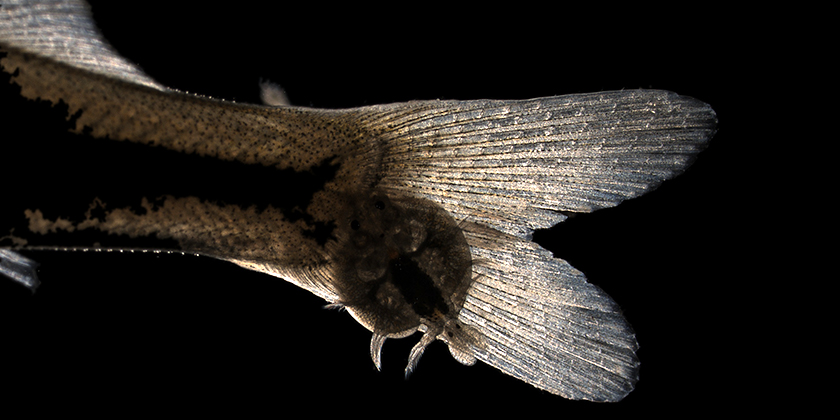
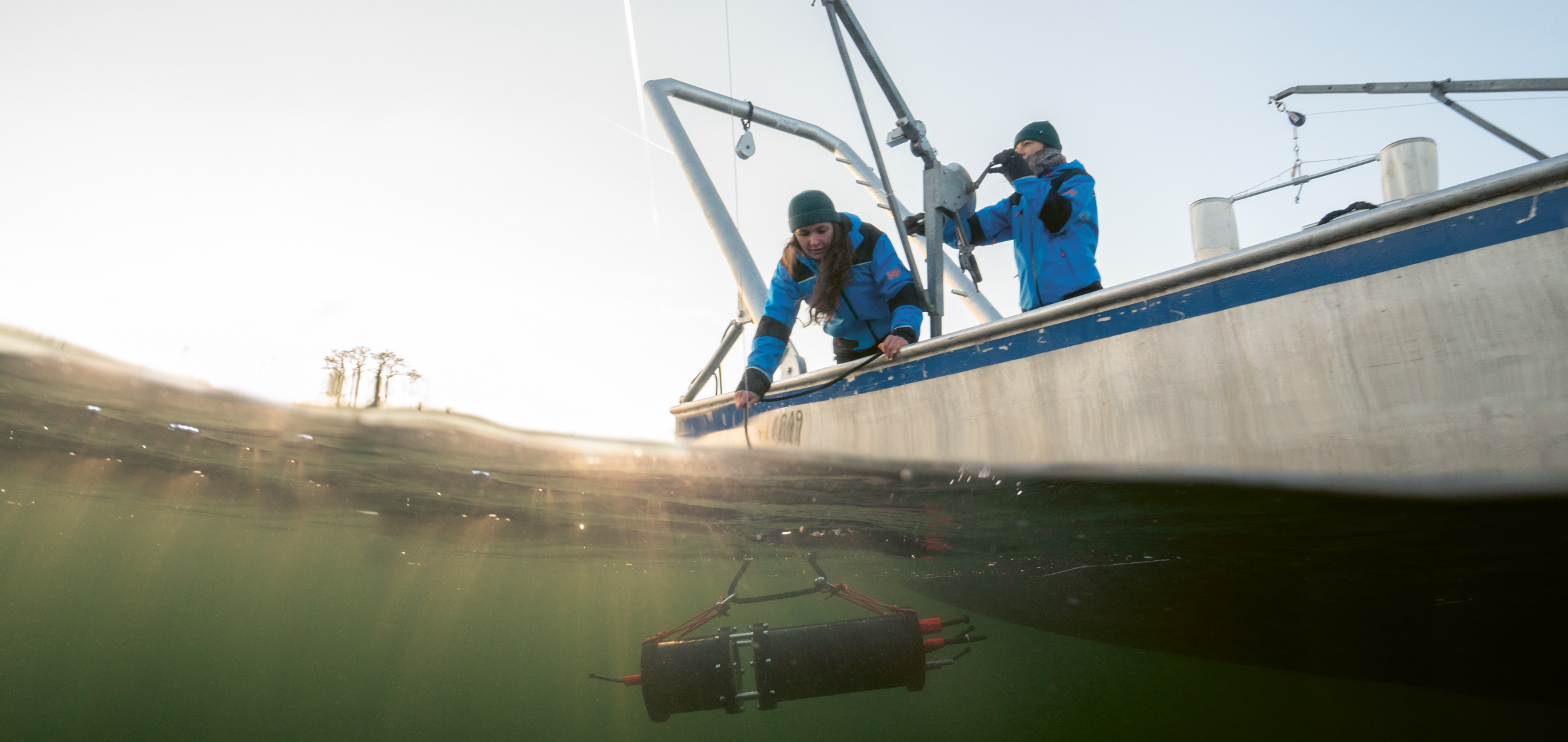
Titelbild: Eawag-Forscherinnen Ewa Merz und Thea Kozakiewicz bei der Feldarbeit auf dem Greifensee (ZH). Die Unterwasserkamera Aquascope erfasst die winzigen Lebewesen im Greifensee in Echtzeit. (Foto: Eawag, Jonas Steiner)