Verunreinigte Trinkwasserquellen und die Rekontamination von sauberem Trinkwasser während des Transports und der Lagerung in den Haushalten sind in vielen einkommensschwachen Regionen nach wie vor ein grosses Problem und eine der Hauptursachen für Infektionskrankheiten. Auch die Wiederverwendung von Wasser kann die menschliche Gesundheit gefährden, wenn das Wasser nicht angemessen behandelt wird. Die Chlorung hat sich als einfache und wirksame Desinfektionsmethode erwiesen, um das Auftreten von durch Wasser übertragenen Krankheiten zu verringern, indem sie Krankheitserreger inaktiviert und durch einen Restgehalt an Desinfektionsmittel vor Rekontamination schützt.
Forschungsgruppen aus den Abteilungen Sandec, Verfahrenstechnik und Umweltmikrobiologie der Eawag evaluieren innovative Ansätze zur Verbesserung der kostengünstigen Chlorung als praktikable Option für die Wasseraufbereitung und -wiederverwendung in Regionen mit niedrigem Einkommen.
In mehreren Projekten dieser Abteilungen werden die Vorteile der Chlorung untersucht, darunter die Erschwinglichkeit, die Leistungsfähigkeit der technischen Lösungen, die Betriebs- und Wartungsanforderungen, die einfache Implementierung, der Bedarf und die Verfügbarkeit von Verbrauchsmaterialien und Ersatzteilen sowie der Schutz vor Rekontamination.
Desinfektion von Trinkwasser
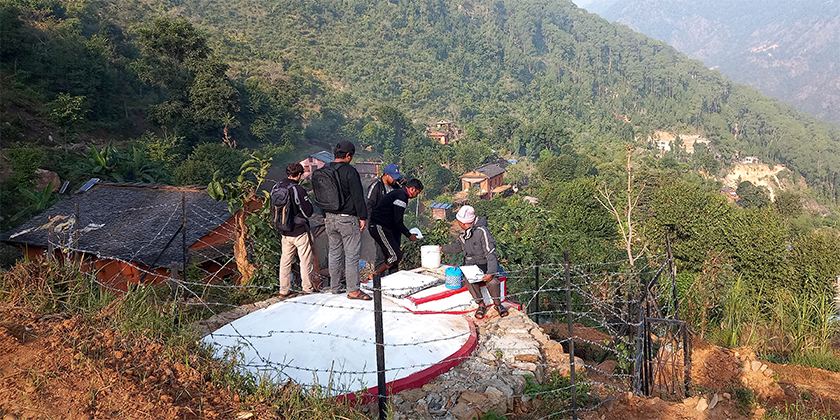
Einer der zentralen Forschungsbereiche ist die kostengünstige Inline-Chlorung zur Trinkwasserdesinfektion in einfachen Leitungsnetzen und in Wasserkiosken. Im Vergleich zur Chlorung auf Haushaltsebene gewährleistet dieser Ansatz, dass das Wasser durchgängig gechlort wird, und ermöglicht einen zentraleren Betrieb und eine zentralere Wartung der Chlorungsanlage, wodurch die Belastung der einzelnen Haushalte verringert wird. Inline-Chlorungssysteme steuern die Chlordosierung automatisch und gewährleisten so eine kontinuierliche Behandlung des Wassers, während gleichzeitig der Arbeitsaufwand für die manuelle Dosierung reduziert wird.
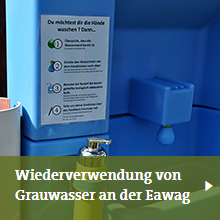
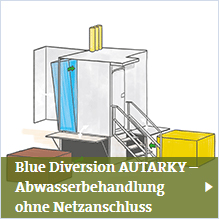
Ein weiterer Schwerpunkt ist die Einführung einfacher Chlorungssysteme für die sichere Wiederverwendung von Wasser vor Ort. So ermöglichen beispielsweise Toiletten mit getrennter Sammlung von Wasser, Urin und Fäkalien die Aufbereitung und Wiederverwendung von Wasser zum Händewaschen oder für die Toilettenspülung. Darüber hinaus können Chlorungssysteme auch eine wichtige Rolle bei der dezentralen Wiederverwendung von Grauwasser spielen.
array(6 items)0 => Snowflake\Publications\Domain\Model\Publicationprototypepersistent entity (uid=33456, pid=124)originalId => protected33456 (integer)
authors => protected'Locher, J. M.; Tosi Robinson, D.; Canú, E. N.; San chez, G.; Herrera, N.; Muj, M. S.; Crider, Y. S.; Marks, S. J.' (178 chars)
title => protected'Assessment of a local and low-cost passive inline chlorination device in rur al Guatemala' (88 chars)
journal => protected'PLoS Water' (10 chars)
year => protected2024 (integer)
volume => protected3 (integer)
issue => protected'9' (1 chars)
startpage => protected'e0000255 (19 pp.)' (17 chars)
otherpage => protected'' (0 chars)
categories => protected'' (0 chars)
description => protected'Access to safe and affordable drinking water remains a major challenge world wide, especially in rural areas. While passive in-line chlorination offers a promising approach for providing consistent treatment of water supplies in resource-limited settings, little is known about the factors influencing the uptake and use of these technologies. This study used a controlled pre-post intervention design to evaluate the technical performance and user acceptan ce of a low-cost and locally constructed chlorinator (the A’Jín) in four water distribution systems in rural Guatemala. Data sources included househo ld surveys (N = 319) and operator interviews (N = 25), with regular monitori ng of faecal contamination, pH, temperature and free residual chlorine (FRC) at reservoir tanks, taps and households. Faecal contamination was significa ntly reduced in water systems actively using the A’Jín device. In these s ystems, the share of tap and household drinking water samples with detectabl e E. coli decreased from 28% to 1% and 25% to 15%, respectively. Chlorine do sing consistency with the A’Jín was low, with only 24% of tap samples mee ting the recommended minimal FRC threshold of 0.2 mg/L. Overall, the share o f users expressing satisfaction with their water increased by 14% in the wat er distribution systems with the A’Jín and stayed constant for users of c ontrol systems. While the device’s low cost and simple design offered adva ntages over other chlorinators on the market, operators reported challenges with high maintenance needs and frequent clogging. To ensure the future succ ess of passive in-line chlorination for small community supplies, we recomme nd prioritising ease of use combined with external support for addressing ma intenance needs.' (1764 chars)
serialnumber => protected'' (0 chars)
doi => protected'10.1371/journal.pwat.0000255' (28 chars)
uid => protected33456 (integer)
_localizedUid => protected33456 (integer)modified_languageUid => protectedNULL
_versionedUid => protected33456 (integer)modifiedpid => protected124 (integer)1 => Snowflake\Publications\Domain\Model\Publicationprototypepersistent entity (uid=24466, pid=124)originalId => protected24466 (integer)
authors => protected'Bänziger, C.; Schertenleib, A.; Kunwar, B. M.; Bhatta,& nbsp;M. R.; Marks, S. J.' (115 chars)
title => protected'Assessing microbial water quality, users' perceptions and system functionali ty following a combined water safety intervention in rural Nepal' (140 chars)
journal => protected'Frontiers in Water' (18 chars)
year => protected2022 (integer)
volume => protected3 (integer)
issue => protected'' (0 chars)
startpage => protected'750802 (14 pp.)' (15 chars)
otherpage => protected'' (0 chars)
categories => protected'drinking water; water safety planning; microbial quality; piped systems; rur al communities; Nepal' (97 chars)
description => protected'Risk-based water safety interventions are one approach to improve drinking w ater quality and consequently reduce the number of people consuming faecally contaminated water. Despite broad acceptance of water safety planning appro aches globally, there is a lack of evidence of their effectiveness for commu nity-managed piped water supplies in rural areas of developing countries. Ou r research, in the form of a cluster-based controlled pre-post intervention analysis, investigated the impact of a combined water safety intervention on outcomes of microbial water quality, users' perceptions and piped system fu nctionality in rural Nepal. The study enrolled 21 treatment systems and 12 c ontrol systems across five districts of the Karnali and Sudurpaschim provinc es. Treatment group interventions included field laboratories for microbial analysis, regular monitoring of water quality including sanitary inspections , targeted treatment and infrastructure improvements, household hygiene and water filter promotion, and community training. In certain systems, regular system-level chlorination was implemented. Before and after the intervention s, the microbial water quality was measured at multiple points within the wa ter system. This information was complemented by household interviews and sa nitary inspections. The main result to emerge from this study is that chlori nation is the only identified intervention that led to a significant reducti on in <em>E. coli</em> concentration at the point of consumption. Secondly, the effectiveness of other interventions was presumably reduced due to highe r contamination at endline in general, brought about by the monsoon. All the interventions had a positive impact on users' perceptions about their water system, as measured by expectations for future functionality, satisfaction with the services received, and awareness of the potential health risks of d rinking contaminated water. For future applications we would recommend the m ore broadly applied use ...' (2115 chars)
serialnumber => protected'' (0 chars)
doi => protected'10.3389/frwa.2021.750802' (24 chars)
uid => protected24466 (integer)
_localizedUid => protected24466 (integer)modified_languageUid => protectedNULL
_versionedUid => protected24466 (integer)modifiedpid => protected124 (integer)2 => Snowflake\Publications\Domain\Model\Publicationprototypepersistent entity (uid=25904, pid=124)originalId => protected25904 (integer)
authors => protected'Crider, Y. S.; Sainju, S.; Shrestha, R.; Clair-Caliot,&n bsp;G.; Schertenleib, A.; Kunwar, B. M.; Bhatta, M.  ;R.; Marks, S. J.; Ray, I.' (193 chars)
title => protected'Evaluation of system-level, passive chlorination in gravity-fed piped water systems in rural Nepal' (98 chars)
journal => protected'Environmental Science and Technology' (36 chars)
year => protected2022 (integer)
volume => protected56 (integer)
issue => protected'19' (2 chars)
startpage => protected'13985' (5 chars)
otherpage => protected'13995' (5 chars)
categories => protected'chlorine; safe drinking water; rural water supply; passive chlorination' (71 chars)
description => protected'Over 2 billion people globally lack access to safely managed drinking water. In contrast to the household-level, manually implemented treatment products that have been the dominant strategy for gaining low-cost access to safe dr inking water, passive chlorination technologies have the potential to treat water and reduce reliance on individual behavior change. However, few studie s exist that evaluate the performance and costs of these technologies over t ime, especially in small, rural systems. We conducted a nonrandomized evalua tion of two passive chlorination technologies for system-level water treatme nt in six gravity-fed, piped water systems in small communities in the hilly region of western Nepal. We monitored water quality indicators upstream of the treatment, at shared taps, and at households, as well as user acceptabil ity and maintenance costs, over 1 year. At baseline, over 80% of tap samples were contaminated with <em>Escherichia coli</em>. After 1 year of system-le vel chlorination, only 7% of those same taps had <em>E. coli</em>. However, 29% of household stored water was positive for <em>E. coli</em>. Per cubic m eter of treated water, the cost of chlorine was 0.06-0.09 USD, similar to th e cost of monitoring technology installations. Safe storage, service deliver y models, and reliable supply chains are required, but passive chlorination technologies have the potential to radically improve how rural households ga in access to safely managed water.' (1478 chars)
serialnumber => protected'0013-936X' (9 chars)
doi => protected'10.1021/acs.est.2c03133' (23 chars)
uid => protected25904 (integer)
_localizedUid => protected25904 (integer)modified_languageUid => protectedNULL
_versionedUid => protected25904 (integer)modifiedpid => protected124 (integer)3 => Snowflake\Publications\Domain\Model\Publicationprototypepersistent entity (uid=21855, pid=124)originalId => protected21855 (integer)
authors => protected'Gärtner, N.; Germann, L.; Wanyama, K.; Ouma, H.; Meierh ofer, R.' (89 chars)
title => protected'Keeping water from kiosks clean: strategies for reducing recontamination dur ing transport and storage in Eastern Uganda' (119 chars)
journal => protected'Water Research X' (16 chars)
year => protected2021 (integer)
volume => protected10 (integer)
issue => protected'' (0 chars)
startpage => protected'100079 (8 pp.)' (14 chars)
otherpage => protected'' (0 chars)
categories => protected'chlorination; drinking water treatment; water kiosks; safe storage; drinking water recontamination; hygiene' (107 chars)
description => protected'Drinking water is frequently recontaminated during transport and storage whe n water is poured into jerrycans. To address this issue, three strategies ai ming at reducing these recontamination risks were implemented at water kiosk s in Eastern Uganda. In all three strategies, water at the kiosks was chlori nated to a free residual chlorine (FRC) concentration of 2 mg/L at the tap of the kiosk. In addition, water was collected in different containers for drinking water transport: a) uncleaned jerrycans, b) cleaned jerrycans, and c) cleaned improved containers with a wide mouth and a spigot. Water quality in the containers was compared to that of a control group collecting unchlo rinated water in uncleaned jerrycans. Water samples were collected at the ta p of the kiosk, from the containers of 135 households after they were filled at the tap, and from the same containers in the households after 24 h of water storage. The samples were analysed for counts of <em>E. coli</em>, tot al coliforms, and FRC. Household interviews and structured observations were conducted to identify confounding variables and to assess the influence of water, sanitation, and hygiene infrastructure and practices on recontaminati on.<br /> All three intervention strategies contributed to significantly low er <em>E. coli</em> recontamination levels after 24 h than in the control group (Median (Mdn) = 9 CFU/100 mL, Interquartile Range (IQR) = 25). Median <em>E. coli</em> counts and mean FRC consumption were higher in
= 2, ΔFRC = 1.6 mg/L) and the lowest in cleaned improved containers (Median = 0 CFU/100 mL, IQR = 0, ΔFRC = 1.2 mg/L). The F RC concentration at the tap of 2 mg/L was too low to protect water from <e m>E. coli</em> recontamination in uncleaned jerrycans over 24 h. Cleaning the jerrycans was inconv...' (2599 chars)
serialnumber => protected'2589-9147' (9 chars)
doi => protected'10.1016/j.wroa.2020.100079' (26 chars)
uid => protected21855 (integer)
_localizedUid => protected21855 (integer)modified_languageUid => protectedNULL
_versionedUid => protected21855 (integer)modifiedpid => protected124 (integer)4 => Snowflake\Publications\Domain\Model\Publicationprototypepersistent entity (uid=18600, pid=124)originalId => protected18600 (integer)
authors => protected'Meierhofer, R.; Wietlisbach, B.; Matiko, C.' (58 chars)
title => protected'Influence of container cleanliness, container disinfection with chlorine, an d container handling on recontamination of water collected from a water kios k in a Kenyan slum' (170 chars)
journal => protected'Journal of Water and Health' (27 chars)
year => protected2019 (integer)
volume => protected17 (integer)
issue => protected'2' (1 chars)
startpage => protected'308' (3 chars)
otherpage => protected'317' (3 chars)
categories => protected'chlorination; drinking water quality; drinking water treatment; low-income c ountry; recontamination; safe storage' (113 chars)
description => protected'The study assessed whether using clean containers that had been disinfected with chlorine at a water kiosk in the Kangemi slum in Nairobi reduced recont amination of treated water during drinking transport and storage. At the sam e time, the impacts of container handling and hygiene conditions at the hous ehold level on water quality changes during storage were evaluated. Data wer e collected during interviews with 135 households using either new, clean Ma ji Safi containers (MSCs) that had been disinfected with chlorine or normal uncleaned jerrycans (NJCs). Bacteriological water quality and free chlorine levels in both types of containers were measured after container filling at the kiosk and in the same containers after 24 h storage in households. The u se of MSCs significantly reduced the risk of recontaminating the treated wat er. After water filling at the kiosk, none of the MSCs contained <i>Escheric hia coli</i> bacteria, and 2.8% were contaminated after 24 h storage. In con trast, 6.2% of NJCs were contaminated after filling, and 15.2% after 24 h st orage. Multivariate logistic regression indicated that the use of a clean wa ter container and sufficient chlorine and the frequency of cleaning the cont ainer in the household mitigated recontamination. We suggest further investi gation of water container designs that facilitate cleaning.' (1351 chars)
serialnumber => protected'1477-8920' (9 chars)
doi => protected'10.2166/wh.2019.282' (19 chars)
uid => protected18600 (integer)
_localizedUid => protected18600 (integer)modified_languageUid => protectedNULL
_versionedUid => protected18600 (integer)modifiedpid => protected124 (integer)5 => Snowflake\Publications\Domain\Model\Publicationprototypepersistent entity (uid=22544, pid=124)originalId => protected22544 (integer)
authors => protected'Dössegger, L.; Tournefier, A.; Germann, L.; Gärtner, N .; Huonder, T.; Etenu, C.; Wanyama, K.; Ouma, H.; Meierh ofer, R.' (165 chars)
title => protected'Assessment of low-cost, non-electrically powered chlorination devices for gr avity-driven membrane water kiosks in eastern Uganda' (128 chars)
journal => protected'Waterlines' (10 chars)
year => protected2021 (integer)
volume => protected40 (integer)
issue => protected'2' (1 chars)
startpage => protected'92' (2 chars)
otherpage => protected'106' (3 chars)
categories => protected'point-of-collection chlorination; water treatment; recontamination; GDM wate r kiosk; low-income country' (103 chars)
description => protected'Recontamination during transport and storage is a common challenge of water supply in low-income settings, especially if water is collected manually. Ch lorination is a strategy to reduce recontamination. We assessed seven low-co st, non-electrically powered chlorination devices in gravity-driven membrane filtration (GDM) kiosks in eastern Uganda: one floater, two in-line dosers, three end-line dosers (tap-attached), and one manual dispenser. The evaluat ion criteria were dosing consistency, user-friendliness, ease of maintenance , local supply chain, and cost. Achieving an adequate chlorine dosage (∼2 mg/L at the tap and ≥ 0.2 mg/L after 24 h of storage in a container) was c hallenging. The T-chlorinator was the most promising option for GDM kiosks: it achieved correct dosage (CD, 1.5-2.5 mg/L) with a probability of 90 per c ent, was easy to use and maintain, economical, and can be made from locally available materials. The other in-line option, the chlorine-dosing bucket (4 0 per cent CD) still needs design improvements. The end-line options AkvoTur (67 per cent CD) and AquatabsFlo® (57 per cent CD) are easy to install and operate at the tap, but can be easily damaged in the GDM set-up. The Ventur i doser (52 per cent CD) did not perform satisfactorily with flow rates > 6 L/min. The chlorine dispenser (52 per cent CD) was robust and user-friend ly, but can only be recommended if users comply with chlorinating the water themselves. Establishing a sustainable supply chain for chlorine products wa s challenging. Where solid chlorine tablets were locally rarely available, t he costs of liquid chlorine options were high (27-162 per cent of the water price).' (1679 chars)
serialnumber => protected'0262-8104' (9 chars)
doi => protected'10.3362/1756-3488.20-00014' (26 chars)
uid => protected22544 (integer)
_localizedUid => protected22544 (integer)modified_languageUid => protectedNULL
_versionedUid => protected22544 (integer)modifiedpid => protected124 (integer)
Assessment of a local and low-cost passive inline chlorination device in rural Guatemala
Access to safe and affordable drinking water remains a major challenge worldwide, especially in rural areas. While passive in-line chlorination offers a promising approach for providing consistent treatment of water supplies in resource-limited settings, little is known about the factors influencing the uptake and use of these technologies. This study used a controlled pre-post intervention design to evaluate the technical performance and user acceptance of a low-cost and locally constructed chlorinator (the A’Jín) in four water distribution systems in rural Guatemala. Data sources included household surveys (N = 319) and operator interviews (N = 25), with regular monitoring of faecal contamination, pH, temperature and free residual chlorine (FRC) at reservoir tanks, taps and households. Faecal contamination was significantly reduced in water systems actively using the A’Jín device. In these systems, the share of tap and household drinking water samples with detectable E. coli decreased from 28% to 1% and 25% to 15%, respectively. Chlorine dosing consistency with the A’Jín was low, with only 24% of tap samples meeting the recommended minimal FRC threshold of 0.2 mg/L. Overall, the share of users expressing satisfaction with their water increased by 14% in the water distribution systems with the A’Jín and stayed constant for users of control systems. While the device’s low cost and simple design offered advantages over other chlorinators on the market, operators reported challenges with high maintenance needs and frequent clogging. To ensure the future success of passive in-line chlorination for small community supplies, we recommend prioritising ease of use combined with external support for addressing maintenance needs.
Locher, J. M.; Tosi Robinson, D.; Canú, E. N.; Sanchez, G.; Herrera, N.; Muj, M. S.; Crider, Y. S.; Marks, S. J. (2024) Assessment of a local and low-cost passive inline chlorination device in rural Guatemala, PLoS Water, 3(9), e0000255 (19 pp.), doi:10.1371/journal.pwat.0000255, Institutional Repository
Assessing microbial water quality, users' perceptions and system functionality following a combined water safety intervention in rural Nepal
Risk-based water safety interventions are one approach to improve drinking water quality and consequently reduce the number of people consuming faecally contaminated water. Despite broad acceptance of water safety planning approaches globally, there is a lack of evidence of their effectiveness for community-managed piped water supplies in rural areas of developing countries. Our research, in the form of a cluster-based controlled pre-post intervention analysis, investigated the impact of a combined water safety intervention on outcomes of microbial water quality, users' perceptions and piped system functionality in rural Nepal. The study enrolled 21 treatment systems and 12 control systems across five districts of the Karnali and Sudurpaschim provinces. Treatment group interventions included field laboratories for microbial analysis, regular monitoring of water quality including sanitary inspections, targeted treatment and infrastructure improvements, household hygiene and water filter promotion, and community training. In certain systems, regular system-level chlorination was implemented. Before and after the interventions, the microbial water quality was measured at multiple points within the water system. This information was complemented by household interviews and sanitary inspections. The main result to emerge from this study is that chlorination is the only identified intervention that led to a significant reduction in E. coli concentration at the point of consumption. Secondly, the effectiveness of other interventions was presumably reduced due to higher contamination at endline in general, brought about by the monsoon. All the interventions had a positive impact on users' perceptions about their water system, as measured by expectations for future functionality, satisfaction with the services received, and awareness of the potential health risks of drinking contaminated water. For future applications we would recommend the more broadly applied use of chlorination methods at system level as a key component of the package of risk-based water safety interventions.
Bänziger, C.; Schertenleib, A.; Kunwar, B. M.; Bhatta, M. R.; Marks, S. J. (2022) Assessing microbial water quality, users' perceptions and system functionality following a combined water safety intervention in rural Nepal, Frontiers in Water, 3, 750802 (14 pp.), doi:10.3389/frwa.2021.750802, Institutional Repository
Evaluation of system-level, passive chlorination in gravity-fed piped water systems in rural Nepal
Over 2 billion people globally lack access to safely managed drinking water. In contrast to the household-level, manually implemented treatment products that have been the dominant strategy for gaining low-cost access to safe drinking water, passive chlorination technologies have the potential to treat water and reduce reliance on individual behavior change. However, few studies exist that evaluate the performance and costs of these technologies over time, especially in small, rural systems. We conducted a nonrandomized evaluation of two passive chlorination technologies for system-level water treatment in six gravity-fed, piped water systems in small communities in the hilly region of western Nepal. We monitored water quality indicators upstream of the treatment, at shared taps, and at households, as well as user acceptability and maintenance costs, over 1 year. At baseline, over 80% of tap samples were contaminated with Escherichia coli. After 1 year of system-level chlorination, only 7% of those same taps had E. coli. However, 29% of household stored water was positive for E. coli. Per cubic meter of treated water, the cost of chlorine was 0.06-0.09 USD, similar to the cost of monitoring technology installations. Safe storage, service delivery models, and reliable supply chains are required, but passive chlorination technologies have the potential to radically improve how rural households gain access to safely managed water.
Crider, Y. S.; Sainju, S.; Shrestha, R.; Clair-Caliot, G.; Schertenleib, A.; Kunwar, B. M.; Bhatta, M. R.; Marks, S. J.; Ray, I. (2022) Evaluation of system-level, passive chlorination in gravity-fed piped water systems in rural Nepal, Environmental Science and Technology, 56(19), 13985-13995, doi:10.1021/acs.est.2c03133, Institutional Repository
Keeping water from kiosks clean: strategies for reducing recontamination during transport and storage in Eastern Uganda
Drinking water is frequently recontaminated during transport and storage when water is poured into jerrycans. To address this issue, three strategies aiming at reducing these recontamination risks were implemented at water kiosks in Eastern Uganda. In all three strategies, water at the kiosks was chlorinated to a free residual chlorine (FRC) concentration of 2 mg/L at the tap of the kiosk. In addition, water was collected in different containers for drinking water transport: a) uncleaned jerrycans, b) cleaned jerrycans, and c) cleaned improved containers with a wide mouth and a spigot. Water quality in the containers was compared to that of a control group collecting unchlorinated water in uncleaned jerrycans. Water samples were collected at the tap of the kiosk, from the containers of 135 households after they were filled at the tap, and from the same containers in the households after 24 h of water storage. The samples were analysed for counts of E. coli, total coliforms, and FRC. Household interviews and structured observations were conducted to identify confounding variables and to assess the influence of water, sanitation, and hygiene infrastructure and practices on recontamination. All three intervention strategies contributed to significantly lower E. coli recontamination levels after 24 h than in the control group (Median (Mdn) = 9 CFU/100 mL, Interquartile Range (IQR) = 25). Median E. coli counts and mean FRC consumption were higher in uncleaned jerrycans (Median = 1 CFU/100 mL, IQR = 6, ΔFRC = 1.8 mg/L) than in cleaned jerrycans (Median = 0 CFU/100 mL IQR = 2, ΔFRC = 1.6 mg/L) and the lowest in cleaned improved containers (Median = 0 CFU/100 mL, IQR = 0, ΔFRC = 1.2 mg/L). The FRC concentration at the tap of 2 mg/L was too low to protect water from E. coli recontamination in uncleaned jerrycans over 24 h. Cleaning the jerrycans was inconvenient due to their small openings, therefore, sand was used. The cleaning with sand reduced recontamination with E. coli but did not reduce the count of total coliforms. Improved containers with a larger opening allowed for cleaning with a brush and showed the lowest levels of recontamination for both E. coli and total coliforms. In addition to the intervention strategies, households receiving a higher number of WASH education visits within the previous year had lower recontamination levels of E. coli in stored water (OR = 0.54, p = .003).
Gärtner, N.; Germann, L.; Wanyama, K.; Ouma, H.; Meierhofer, R. (2021) Keeping water from kiosks clean: strategies for reducing recontamination during transport and storage in Eastern Uganda, Water Research X, 10, 100079 (8 pp.), doi:10.1016/j.wroa.2020.100079, Institutional Repository
Influence of container cleanliness, container disinfection with chlorine, and container handling on recontamination of water collected from a water kiosk in a Kenyan slum
The study assessed whether using clean containers that had been disinfected with chlorine at a water kiosk in the Kangemi slum in Nairobi reduced recontamination of treated water during drinking transport and storage. At the same time, the impacts of container handling and hygiene conditions at the household level on water quality changes during storage were evaluated. Data were collected during interviews with 135 households using either new, clean Maji Safi containers (MSCs) that had been disinfected with chlorine or normal uncleaned jerrycans (NJCs). Bacteriological water quality and free chlorine levels in both types of containers were measured after container filling at the kiosk and in the same containers after 24 h storage in households. The use of MSCs significantly reduced the risk of recontaminating the treated water. After water filling at the kiosk, none of the MSCs contained Escherichia coli bacteria, and 2.8% were contaminated after 24 h storage. In contrast, 6.2% of NJCs were contaminated after filling, and 15.2% after 24 h storage. Multivariate logistic regression indicated that the use of a clean water container and sufficient chlorine and the frequency of cleaning the container in the household mitigated recontamination. We suggest further investigation of water container designs that facilitate cleaning.
Meierhofer, R.; Wietlisbach, B.; Matiko, C. (2019) Influence of container cleanliness, container disinfection with chlorine, and container handling on recontamination of water collected from a water kiosk in a Kenyan slum, Journal of Water and Health, 17(2), 308-317, doi:10.2166/wh.2019.282, Institutional Repository
Assessment of low-cost, non-electrically powered chlorination devices for gravity-driven membrane water kiosks in eastern Uganda
Recontamination during transport and storage is a common challenge of water supply in low-income settings, especially if water is collected manually. Chlorination is a strategy to reduce recontamination. We assessed seven low-cost, non-electrically powered chlorination devices in gravity-driven membrane filtration (GDM) kiosks in eastern Uganda: one floater, two in-line dosers, three end-line dosers (tap-attached), and one manual dispenser. The evaluation criteria were dosing consistency, user-friendliness, ease of maintenance, local supply chain, and cost. Achieving an adequate chlorine dosage (∼2 mg/L at the tap and ≥ 0.2 mg/L after 24 h of storage in a container) was challenging. The T-chlorinator was the most promising option for GDM kiosks: it achieved correct dosage (CD, 1.5-2.5 mg/L) with a probability of 90 per cent, was easy to use and maintain, economical, and can be made from locally available materials. The other in-line option, the chlorine-dosing bucket (40 per cent CD) still needs design improvements. The end-line options AkvoTur (67 per cent CD) and AquatabsFlo® (57 per cent CD) are easy to install and operate at the tap, but can be easily damaged in the GDM set-up. The Venturi doser (52 per cent CD) did not perform satisfactorily with flow rates > 6 L/min. The chlorine dispenser (52 per cent CD) was robust and user-friendly, but can only be recommended if users comply with chlorinating the water themselves. Establishing a sustainable supply chain for chlorine products was challenging. Where solid chlorine tablets were locally rarely available, the costs of liquid chlorine options were high (27-162 per cent of the water price).
Dössegger, L.; Tournefier, A.; Germann, L.; Gärtner, N.; Huonder, T.; Etenu, C.; Wanyama, K.; Ouma, H.; Meierhofer, R. (2021) Assessment of low-cost, non-electrically powered chlorination devices for gravity-driven membrane water kiosks in eastern Uganda, Waterlines, 40(2), 92-106, doi:10.3362/1756-3488.20-00014, Institutional Repository
Wissenschaftliche Publikationen – Wiederverwendung von Wasser
array(6 items)0 => Snowflake\Publications\Domain\Model\Publicationprototypepersistent entity (uid=32681, pid=124)originalId => protected32681 (integer)
authors => protected'Reynaert, E.; Nagappa, D.; Sigrist, J.A.; Morgenroth, E.' (76 chars)
title => protected'Ensuring microbial water quality for on-site water reuse: importance of onli ne sensors for reliable operation' (109 chars)
journal => protected'Water Research X' (16 chars)
year => protected2024 (integer)
volume => protected22 (integer)
issue => protected'' (0 chars)
startpage => protected'100215 (8 pp.)' (14 chars)
otherpage => protected'' (0 chars)
categories => protected'on-site water reuse; microbial water quality; sensors; online flow cytometry ; chlorination' (90 chars)
description => protected'A growing number of cities and regions are promoting or mandating on-site tr eatment and reuse of wastewater, which has resulted in the implementation of several thousand on-site water reuse systems on a global scale. However, th ere is only limited information on the (microbial) water quality from implem ented systems. The focus of this study was on two best-in-class on-site wate r reuse systems in Bengaluru, India, which typically met the local water qua lity requirements during monthly compliance testing. This study aimed to (i) assess the microbial quality of the reclaimed water at a high temporal reso lution (daily or every 15 min), and (ii) explore whether measurements from c ommercially available sensors can be used to improve the operation of such s ystems. The monitoring campaign revealed high variations in microbial water quality, even in these best-in-class systems, rendering the water inadequate for the intended reuse applications (toilet flushing and landscape irrigati on). These variations were attributed to two key factors: (1) the low freque ncy of chlorination, and (2) fluctuations of the chlorine demand of the wate r, in particular of ammonium concentrations. Such fluctuations are likely in herent to on-site systems, which rely on a low level of process control. The monitoring campaign showed that the microbial water quality was most closel y related to oxidation–reduction potential (ORP) and free chlorine sensors . Due to its relatively low cost and low need for maintenance, the ORP emerg es as a compelling candidate for automating the chlorination to effectively manage variations in chlorine demand and ensure safe water reuse. Overall, t his study underscores the necessity of integrating treatment trains, operati on, and monitoring for safe on-site water reuse.' (1796 chars)
serialnumber => protected'2589-9147' (9 chars)
doi => protected'10.1016/j.wroa.2024.100215' (26 chars)
uid => protected32681 (integer)
_localizedUid => protected32681 (integer)modified_languageUid => protectedNULL
_versionedUid => protected32681 (integer)modifiedpid => protected124 (integer)1 => Snowflake\Publications\Domain\Model\Publicationprototypepersistent entity (uid=31156, pid=124)originalId => protected31156 (integer)
authors => protected'Reynaert, E.; Steiner, P.; Yu, Q.; D'Olif, L.; Joller,&n bsp;N.; Schneider, M. Y.; Morgenroth, E.' (131 chars)
title => protected'Predicting microbial water quality in on-site water reuse systems with onlin e sensors' (85 chars)
journal => protected'Water Research' (14 chars)
year => protected2023 (integer)
volume => protected240 (integer)
issue => protected'' (0 chars)
startpage => protected'120075 (13 pp.)' (15 chars)
otherpage => protected'' (0 chars)
categories => protected'online monitoring; machine learning; membrane bioreactor; chlorination; viru s removal; bacterial regrowth' (105 chars)
description => protected'Widespread implementation of on-site water reuse is hindered by the limited availability of monitoring approaches that ensure microbial quality during o peration. In this study, we developed a methodology for monitoring microbial water quality in on-site water reuse systems using inexpensive and commerci ally available online sensors. An extensive dataset containing sensor and mi crobial water quality data for six of the most critical types of disruptions in membrane bioreactors with chlorination was collected. We then tested the ability of three typological machine learning algorithms - logistic regress ion, support-vector machine, and random forest - to predict the microbial wa ter quality as "safe" or "unsafe" for reuse. The main criteria for model opt imization was to ensure a low false positive rate (FPR) - the percentage of safe predictions when the actual condition is unsafe - which is essential to protect users health. This resulted in enforcing a fixed FPR ≤ 2%. Maximi zing the true positive rate (TPR) - the percentage of safe predictions when the actual condition is safe - was given second priority. Our results show t hat logistic-regression-based models using only two out of the six sensors ( free chlorine and oxidation-reduction potential) achieved the highest TPR. I ncluding sensor slopes as engineered features allowed to reach similar TPRs using only one sensor instead of two. Analysis of the occurrence of false pr edictions showed that these were mostly early alarms, a characteristic that could be regarded as an asset in alarm management. In conclusion, the simple st algorithm in combination with only one or two sensors performed best at p redicting the microbial water quality. This result provides useful insights for water quality modeling or for applications where small datasets are a co mmon challenge and a general advantage might be gained by using simpler mode ls that reduce the risk of overfitting, allow better interpretability, and r equire less computationa...' (2008 chars)
serialnumber => protected'0043-1354' (9 chars)
doi => protected'10.1016/j.watres.2023.120075' (28 chars)
uid => protected31156 (integer)
_localizedUid => protected31156 (integer)modified_languageUid => protectedNULL
_versionedUid => protected31156 (integer)modifiedpid => protected124 (integer)2 => Snowflake\Publications\Domain\Model\Publicationprototypepersistent entity (uid=33210, pid=124)originalId => protected33210 (integer)
authors => protected'Reynaert, E.; Nagappa, D.; Morgenroth, E.' (56 chars)
title => protected'Research brief: using sensors and automated chlorination to improve the micr obial water quality of on-site sewage treatment plants in Bengaluru' (143 chars)
journal => protected'' (0 chars)
year => protected2023 (integer)
volume => protected0 (integer)
issue => protected'' (0 chars)
startpage => protected'5 p' (8 chars)
otherpage => protected'' (0 chars)
categories => protected'' (0 chars)
description => protected'More than 3,000 on-site sewage treatment plants (STPs) recycle water for lan dscaping and toilet flushing in Bengaluru. Microbial water quality is essent ial to protect user health, even for non-potable water reuse applications. H owever, there is lack of information on short-term variability of the microb ial quality of the water. This research brief presents monitoring results fr om two on-site STPs in Bengaluru, and makes recommendations on how to optimi ze STP operation to ensure microbiologically safe water at all times.' (525 chars)
serialnumber => protected'' (0 chars)
doi => protected'10.3929/ethz-b-000603755' (24 chars)
uid => protected33210 (integer)
_localizedUid => protected33210 (integer)modified_languageUid => protectedNULL
_versionedUid => protected33210 (integer)modifiedpid => protected124 (integer)3 => Snowflake\Publications\Domain\Model\Publicationprototypepersistent entity (uid=30227, pid=124)originalId => protected30227 (integer)
authors => protected'Reynaert, E.; Gretener, F.; Julian, T. R.; Morgenroth,&n bsp;E.' (82 chars)
title => protected'Sensor setpoints that ensure compliance with microbial water quality targets for membrane bioreactor and chlorination treatment in on-site water reuse s ystems' (158 chars)
journal => protected'Water Research X' (16 chars)
year => protected2023 (integer)
volume => protected18 (integer)
issue => protected'' (0 chars)
startpage => protected'100164 (13 pp.)' (15 chars)
otherpage => protected'' (0 chars)
categories => protected'online sensors; water reuse; chlorination; virus removal; bacterial regrowth ; risk-based monitoring' (99 chars)
description => protected'Widespread implementation of on-site water reuse systems is hindered by the limited ability to ensure the level of treatment and protection of human hea lth during operation. In this study, we tested the ability of five commercia lly available online sensors (free chlorine (FC), oxidation-reduction potent ial (ORP), pH, turbidity, UV absorbance at 254 nm) to predict the microbial water quality in membrane bioreactors followed by chlorination using logisti c regression-based and mechanism-based models. The microbial water quality w as assessed in terms of removal of enteric bacteria from the wastewater, rem oval of enteric viruses, and regrowth of bacteria in the treated water. We f ound that FC and ORP alone could predict the microbial water quality well, w ith ORP-based models generally performing better. We further observed that p rediction accuracy did not increase when data from multiple sensors were int egrated. We propose a methodology to link online sensor measurements to risk -based water quality targets, providing operation setpoints protective of hu man health for specific combinations of wastewaters and reuse applications. For instance, we recommend a minimum ORP of 705 mV to ensure a virus log-rem oval of 5, and an ORP of 765 mV for a log-removal of 6. These setpoints were selected to ensure that the percentage of events where the water is predict ed to meet the quality target but it does not remains below 5%. Such a syste matic approach to set sensor setpoints could be used in the development of w ater reuse guidelines and regulations that aim to cover a range of reuse app lications with differential risks to human health.' (1646 chars)
serialnumber => protected'2589-9147' (9 chars)
doi => protected'10.1016/j.wroa.2022.100164' (26 chars)
uid => protected30227 (integer)
_localizedUid => protected30227 (integer)modified_languageUid => protectedNULL
_versionedUid => protected30227 (integer)modifiedpid => protected124 (integer)4 => Snowflake\Publications\Domain\Model\Publicationprototypepersistent entity (uid=21700, pid=124)originalId => protected21700 (integer)
authors => protected'Sutherland, C.; Reynaert, E.; Dhlamini, S.; Magwaza, F.; Lienert, J.; Riechmann, M. E.; Buthelezi, S.; Khumalo,& nbsp;D.; Morgenroth, E.; Udert, K. M.; Sindall, R. C.' (230 chars)
title => protected'Socio-technical analysis of a sanitation innovation in a peri-urban househol d in Durban, South Africa' (101 chars)
journal => protected'Science of the Total Environment' (32 chars)
year => protected2021 (integer)
volume => protected755 (integer)
issue => protected'' (0 chars)
startpage => protected'143284 (12 pp.)' (15 chars)
otherpage => protected'' (0 chars)
categories => protected'field test; water reuse; source separation; service delivery; social accepta nce; transdisciplinary research' (107 chars)
description => protected'The provision of water and sanitation for all that is safe, dignified, relia ble, affordable and sustainable is a major global challenge. While centraliz ed sewer-based sanitation systems remain the dominant approach to providing sanitation, the benefits of non-sewered onsite sanitation systems are increa singly being recognised. This paper presents the outcomes of the testing of the Blue Diversion Autarky Toilet (BDAT), a sanitation system providing hygi ene and dignity without relying on water and wastewater infrastructure, in a peri-urban household in Durban, South Africa. The BDAT was used by a single household as their only form of sanitation during three months of technical and social testing. An analysis based on technical data in combination with interpretive, qualitative research methods revealed that the BDAT functione d well and achieved high levels of social acceptance in the test household. The flushing, cleanliness and odour-free nature of the sanitation technology , its functionality, the household's previous sanitation experience, and the ir experience with and understanding of water scarcity, were the main factor s underpinning their positive response to this innovation in sanitation. The testing process resulted in broader developmental benefits for the househol d, including improved basic services due to the upgrading of the electrical and existing sanitation system, social learning, and improved relationships between household members and the local state. A transdisciplinary research process, which emerged through the assessment, enabled the integration of di fferent forms of knowledge from multiple actors to address the complexity of problems related to the development of socially just sanitation. The benefi t of engaging with societal actors in sanitation innovation and assessing it s outcomes using both the technical and social sciences is evident in this p aper.' (1905 chars)
serialnumber => protected'0048-9697' (9 chars)
doi => protected'10.1016/j.scitotenv.2020.143284' (31 chars)
uid => protected21700 (integer)
_localizedUid => protected21700 (integer)modified_languageUid => protectedNULL
_versionedUid => protected21700 (integer)modifiedpid => protected124 (integer)5 => Snowflake\Publications\Domain\Model\Publicationprototypepersistent entity (uid=23229, pid=124)originalId => protected23229 (integer)
authors => protected'Sutherland, C.; Reynaert, E.; Sindall, R. C.; Riechmann, M. E.; Magwaza, F.; Lienert, J.; Buthelezi, S.; Kh umalo, D.; Dhlamini, S.; Morgenroth, E.; Udert, K. M.' (230 chars)
title => protected'Innovation for improved hand hygiene: field testing the Autarky handwashing station in collaboration with informal settlement residents in Durban, South Africa' (159 chars)
journal => protected'Science of the Total Environment' (32 chars)
year => protected2021 (integer)
volume => protected796 (integer)
issue => protected'' (0 chars)
startpage => protected'149024 (13 pp.)' (15 chars)
otherpage => protected'' (0 chars)
categories => protected'community participation; hand hygiene; WASH; technology field test; water re cycling; transdisciplinary research' (111 chars)
description => protected'Safe and accessible water services for hand hygiene are critical to human he alth and well-being. However, access to handwashing facilities is limited in cities in the Global South, where rapid urbanisation, service backlogs, lac k of infrastructure and capacity, and water scarcity impact on the ability o f local governments to provide them. Community participation and the co-prod uction of knowledge in the development of innovative technologies, which are aligned with Water, Sanitation and Hygiene (WASH) principles, can lead to m ore sustainable and socially-acceptable hand hygiene systems. This paper pre sents the outcomes of the testing of the Autarky handwashing station, a tech nology that provides onsite treatment and recycling of handwashing water, in an informal settlement in Durban, South Africa. The transdisciplinary resea rch approach adopted enabled the participation of multiple stakeholders with different knowledge systems in the framing, testing and evaluation of the s ystem. The process of co-producing knowledge, as well as the outcomes of the testing, namely high levels of functionality and social acceptability of th e technology, supported the WASH principles. The evaluation revealed that th e Autarky handwashing station is a niche intervention that improved access t o safe and appealing handwashing facilities in an informal settlement. Its n ovel design, socially desirable features, reliability and ability to save wa ter increased its acceptance in the community. The testing of the system in a real-world context revealed the value of including communities in knowledg e production processes for technology innovation. Further work is required t o ensure that real-time monitoring of system function is feasible before suc h systems can be implemented at larger scale.' (1793 chars)
serialnumber => protected'0048-9697' (9 chars)
doi => protected'10.1016/j.scitotenv.2021.149024' (31 chars)
uid => protected23229 (integer)
_localizedUid => protected23229 (integer)modified_languageUid => protectedNULL
_versionedUid => protected23229 (integer)modifiedpid => protected124 (integer)
Ensuring microbial water quality for on-site water reuse: importance of online sensors for reliable operation
A growing number of cities and regions are promoting or mandating on-site treatment and reuse of wastewater, which has resulted in the implementation of several thousand on-site water reuse systems on a global scale. However, there is only limited information on the (microbial) water quality from implemented systems. The focus of this study was on two best-in-class on-site water reuse systems in Bengaluru, India, which typically met the local water quality requirements during monthly compliance testing. This study aimed to (i) assess the microbial quality of the reclaimed water at a high temporal resolution (daily or every 15 min), and (ii) explore whether measurements from commercially available sensors can be used to improve the operation of such systems. The monitoring campaign revealed high variations in microbial water quality, even in these best-in-class systems, rendering the water inadequate for the intended reuse applications (toilet flushing and landscape irrigation). These variations were attributed to two key factors: (1) the low frequency of chlorination, and (2) fluctuations of the chlorine demand of the water, in particular of ammonium concentrations. Such fluctuations are likely inherent to on-site systems, which rely on a low level of process control. The monitoring campaign showed that the microbial water quality was most closely related to oxidation–reduction potential (ORP) and free chlorine sensors. Due to its relatively low cost and low need for maintenance, the ORP emerges as a compelling candidate for automating the chlorination to effectively manage variations in chlorine demand and ensure safe water reuse. Overall, this study underscores the necessity of integrating treatment trains, operation, and monitoring for safe on-site water reuse.
Reynaert, E.; Nagappa, D.; Sigrist, J.A.; Morgenroth, E. (2024) Ensuring microbial water quality for on-site water reuse: importance of online sensors for reliable operation, Water Research X, 22, 100215 (8 pp.), doi:10.1016/j.wroa.2024.100215, Institutional Repository
Predicting microbial water quality in on-site water reuse systems with online sensors
Widespread implementation of on-site water reuse is hindered by the limited availability of monitoring approaches that ensure microbial quality during operation. In this study, we developed a methodology for monitoring microbial water quality in on-site water reuse systems using inexpensive and commercially available online sensors. An extensive dataset containing sensor and microbial water quality data for six of the most critical types of disruptions in membrane bioreactors with chlorination was collected. We then tested the ability of three typological machine learning algorithms - logistic regression, support-vector machine, and random forest - to predict the microbial water quality as "safe" or "unsafe" for reuse. The main criteria for model optimization was to ensure a low false positive rate (FPR) - the percentage of safe predictions when the actual condition is unsafe - which is essential to protect users health. This resulted in enforcing a fixed FPR ≤ 2%. Maximizing the true positive rate (TPR) - the percentage of safe predictions when the actual condition is safe - was given second priority. Our results show that logistic-regression-based models using only two out of the six sensors (free chlorine and oxidation-reduction potential) achieved the highest TPR. Including sensor slopes as engineered features allowed to reach similar TPRs using only one sensor instead of two. Analysis of the occurrence of false predictions showed that these were mostly early alarms, a characteristic that could be regarded as an asset in alarm management. In conclusion, the simplest algorithm in combination with only one or two sensors performed best at predicting the microbial water quality. This result provides useful insights for water quality modeling or for applications where small datasets are a common challenge and a general advantage might be gained by using simpler models that reduce the risk of overfitting, allow better interpretability, and require less computational power.
Reynaert, E.; Steiner, P.; Yu, Q.; D'Olif, L.; Joller, N.; Schneider, M. Y.; Morgenroth, E. (2023) Predicting microbial water quality in on-site water reuse systems with online sensors, Water Research, 240, 120075 (13 pp.), doi:10.1016/j.watres.2023.120075, Institutional Repository
Research brief: using sensors and automated chlorination to improve the microbial water quality of on-site sewage treatment plants in Bengaluru
More than 3,000 on-site sewage treatment plants (STPs) recycle water for landscaping and toilet flushing in Bengaluru. Microbial water quality is essential to protect user health, even for non-potable water reuse applications. However, there is lack of information on short-term variability of the microbial quality of the water. This research brief presents monitoring results from two on-site STPs in Bengaluru, and makes recommendations on how to optimize STP operation to ensure microbiologically safe water at all times.
Reynaert, E.; Nagappa, D.; Morgenroth, E. (2023) Research brief: using sensors and automated chlorination to improve the microbial water quality of on-site sewage treatment plants in Bengaluru, 5 p, doi:10.3929/ethz-b-000603755, Institutional Repository
Sensor setpoints that ensure compliance with microbial water quality targets for membrane bioreactor and chlorination treatment in on-site water reuse systems
Widespread implementation of on-site water reuse systems is hindered by the limited ability to ensure the level of treatment and protection of human health during operation. In this study, we tested the ability of five commercially available online sensors (free chlorine (FC), oxidation-reduction potential (ORP), pH, turbidity, UV absorbance at 254 nm) to predict the microbial water quality in membrane bioreactors followed by chlorination using logistic regression-based and mechanism-based models. The microbial water quality was assessed in terms of removal of enteric bacteria from the wastewater, removal of enteric viruses, and regrowth of bacteria in the treated water. We found that FC and ORP alone could predict the microbial water quality well, with ORP-based models generally performing better. We further observed that prediction accuracy did not increase when data from multiple sensors were integrated. We propose a methodology to link online sensor measurements to risk-based water quality targets, providing operation setpoints protective of human health for specific combinations of wastewaters and reuse applications. For instance, we recommend a minimum ORP of 705 mV to ensure a virus log-removal of 5, and an ORP of 765 mV for a log-removal of 6. These setpoints were selected to ensure that the percentage of events where the water is predicted to meet the quality target but it does not remains below 5%. Such a systematic approach to set sensor setpoints could be used in the development of water reuse guidelines and regulations that aim to cover a range of reuse applications with differential risks to human health.
Reynaert, E.; Gretener, F.; Julian, T. R.; Morgenroth, E. (2023) Sensor setpoints that ensure compliance with microbial water quality targets for membrane bioreactor and chlorination treatment in on-site water reuse systems, Water Research X, 18, 100164 (13 pp.), doi:10.1016/j.wroa.2022.100164, Institutional Repository
Socio-technical analysis of a sanitation innovation in a peri-urban household in Durban, South Africa
The provision of water and sanitation for all that is safe, dignified, reliable, affordable and sustainable is a major global challenge. While centralized sewer-based sanitation systems remain the dominant approach to providing sanitation, the benefits of non-sewered onsite sanitation systems are increasingly being recognised. This paper presents the outcomes of the testing of the Blue Diversion Autarky Toilet (BDAT), a sanitation system providing hygiene and dignity without relying on water and wastewater infrastructure, in a peri-urban household in Durban, South Africa. The BDAT was used by a single household as their only form of sanitation during three months of technical and social testing. An analysis based on technical data in combination with interpretive, qualitative research methods revealed that the BDAT functioned well and achieved high levels of social acceptance in the test household. The flushing, cleanliness and odour-free nature of the sanitation technology, its functionality, the household's previous sanitation experience, and their experience with and understanding of water scarcity, were the main factors underpinning their positive response to this innovation in sanitation. The testing process resulted in broader developmental benefits for the household, including improved basic services due to the upgrading of the electrical and existing sanitation system, social learning, and improved relationships between household members and the local state. A transdisciplinary research process, which emerged through the assessment, enabled the integration of different forms of knowledge from multiple actors to address the complexity of problems related to the development of socially just sanitation. The benefit of engaging with societal actors in sanitation innovation and assessing its outcomes using both the technical and social sciences is evident in this paper.
Sutherland, C.; Reynaert, E.; Dhlamini, S.; Magwaza, F.; Lienert, J.; Riechmann, M. E.; Buthelezi, S.; Khumalo, D.; Morgenroth, E.; Udert, K. M.; Sindall, R. C. (2021) Socio-technical analysis of a sanitation innovation in a peri-urban household in Durban, South Africa, Science of the Total Environment, 755, 143284 (12 pp.), doi:10.1016/j.scitotenv.2020.143284, Institutional Repository
Innovation for improved hand hygiene: field testing the Autarky handwashing station in collaboration with informal settlement residents in Durban, South Africa
Safe and accessible water services for hand hygiene are critical to human health and well-being. However, access to handwashing facilities is limited in cities in the Global South, where rapid urbanisation, service backlogs, lack of infrastructure and capacity, and water scarcity impact on the ability of local governments to provide them. Community participation and the co-production of knowledge in the development of innovative technologies, which are aligned with Water, Sanitation and Hygiene (WASH) principles, can lead to more sustainable and socially-acceptable hand hygiene systems. This paper presents the outcomes of the testing of the Autarky handwashing station, a technology that provides onsite treatment and recycling of handwashing water, in an informal settlement in Durban, South Africa. The transdisciplinary research approach adopted enabled the participation of multiple stakeholders with different knowledge systems in the framing, testing and evaluation of the system. The process of co-producing knowledge, as well as the outcomes of the testing, namely high levels of functionality and social acceptability of the technology, supported the WASH principles. The evaluation revealed that the Autarky handwashing station is a niche intervention that improved access to safe and appealing handwashing facilities in an informal settlement. Its novel design, socially desirable features, reliability and ability to save water increased its acceptance in the community. The testing of the system in a real-world context revealed the value of including communities in knowledge production processes for technology innovation. Further work is required to ensure that real-time monitoring of system function is feasible before such systems can be implemented at larger scale.
Sutherland, C.; Reynaert, E.; Sindall, R. C.; Riechmann, M. E.; Magwaza, F.; Lienert, J.; Buthelezi, S.; Khumalo, D.; Dhlamini, S.; Morgenroth, E.; Udert, K. M. (2021) Innovation for improved hand hygiene: field testing the Autarky handwashing station in collaboration with informal settlement residents in Durban, South Africa, Science of the Total Environment, 796, 149024 (13 pp.), doi:10.1016/j.scitotenv.2021.149024, Institutional Repository
Erfahre mehr über die wichtigsten Wasseraufbereitungsmethoden auf Haushaltsebene sowie erfolgreiche Umsetzungsstrategien in diesem frei zugänglichen Kurs mit dem Titel “Introduction to Household Water Treatment and Safe Storage”. Melde dich jederzeit an und nehme kostenlos an allen Kursen teil.
Besuche den MOOC auf Coursera Schaue dir die Videos auf Youtube
Durch Chlorung wird der Rekontamination von Trinkwasser nach Transport und Lagerung vorgebeugt. Ingenieurinnen und Ingenieure der Eawag haben zwei Arten von Chlorgasdosieranlagen entwickelt und getestet.
Durch Chlorung wird der Rekontamination von Trinkwasser nach Transport und Lagerung vorgebeugt. Ingenieurinnen und Ingenieure der Eawag haben zwei Arten von Chlorgasdosieranlagen entwickelt und getestet.
Wegen des zunehmenden Wassermangels wird in indischen Städten gereinigtes Abwasser als alternative Wasserquelle genutzt. Eine Studie der Eawag zusammen mit indischen Partnern zeigt, wie der Einsatz von Sensoren und automatischer...
Wegen des zunehmenden Wassermangels wird in indischen Städten gereinigtes Abwasser als alternative Wasserquelle genutzt. Eine Studie der Eawag zusammen mit indischen Partnern zeigt, wie der Einsatz von Sensoren und automatischer Chlorierung die mikrobielle Wasserqualität in Systemen zur Wasser-Rezyklierung in Gebäuden verbessern und damit die Sicherheit der Nutzer erhöhen kann.