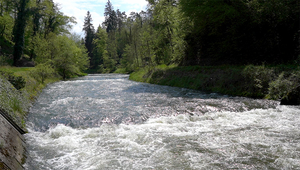
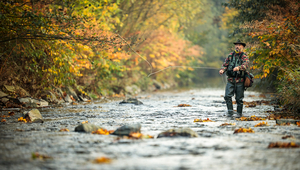
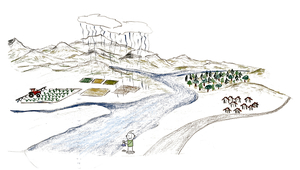
May 30, 2023Trainees from Eawag’s analytical and training laboratory assist in the analysis of a wide variety of water samples. A prominent example is the National River Monitoring and Survey Programme (NADUF). In a video, we take a look behind the scenes of the laboratory and show its role for the NADUF programme.
March 26, 2025Not only are the numbers of species declining, but the composition of species communities is also changing. This is shown by a new study published in the journal “Nature”.
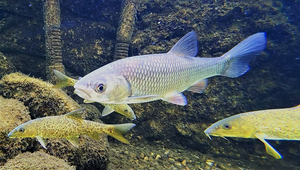
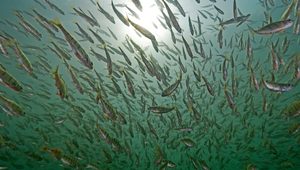
February 13, 2025Each year, tens of thousands of chemicals enter the market and ultimately the environment. While most of these compounds undergo safety testing before approval, their long-term effects on wildlife remain difficult to predict. To better estimate their potential threat for ecosystems, researchers at Eawag have explored biochemical signatures that indicate the level of chemical stress suffered by fish.
October 22, 2024Forest or farmland: The impact on amphipods in the groundwater is detectable, even if the groundwater extraction site is up to one kilometre away.
October 11, 2024The Swiss fisheries advisory office (FIBER) promotes sustainable fisheries through advice and training. It now has a location in French-speaking Switzerland.
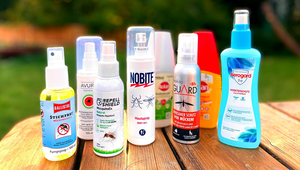
August 22, 2024Microorganisms in biofilms in rivers can break down harmful substances. Some are also able to degrade biocides, including the insect repellent diethyltoluamide (DEET) - or so it is thought. Researchers at the aquatic research institute Eawag have now discovered that DEET is degraded better when the proportion of treated wastewater in the water is high. They attribute this to specific enzymes that occur primarily where wastewater treatment plants return the water to the aquatic environment. However, the enzymes involved are not straightforward to predict.
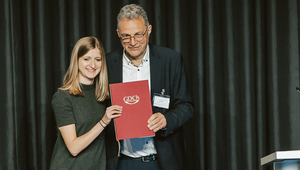
July 17, 2024Environmental chemist Joanna Houska has received an award for her doctoral thesis from the German Water Chemistry Society. She conducted her research at Eawag and EPFL, demonstrating both theoretically and experimentally how oxidative water treatment using ozone or chlorine can be more efficiently utilized when there is a precise understanding of the organic substances dissolved in the water to be treated.
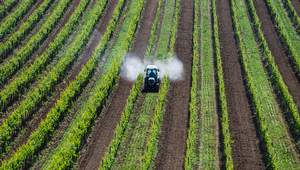
July 9, 2024The VSA Water Quality Platform and Eawag have analysed the effects to date of the measures taken under the "Action Plan for Risk Reduction and Sustainable Use of Pesticides" on water quality. The number of limit value exceedances has decreased significantly since 2019. Nevertheless, many kilometres of rivers and streams are still contaminated. Pyrethroids pose a particularly high risk to watercourses.
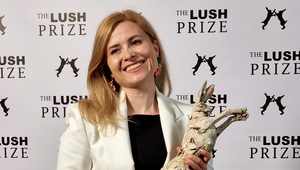
May 27, 2024The Lush Young Researcher Prize promotes research for a future free of animal testing. This year, the award goes to Eawag researcher Barbara Jozef.