Water and development

Safe drinking water and comprehensive sanitation

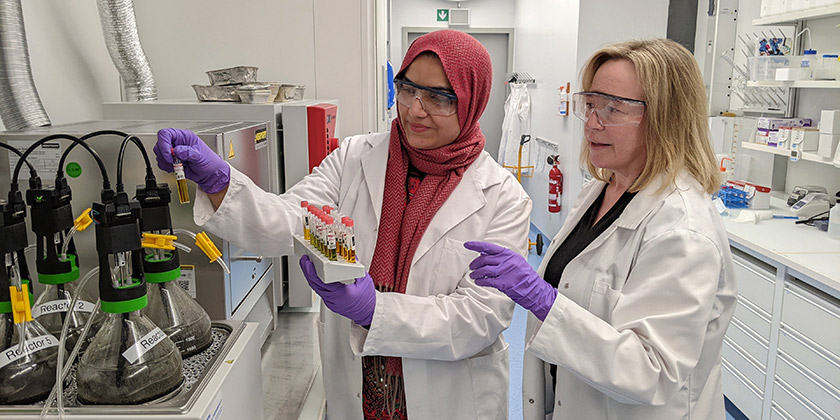
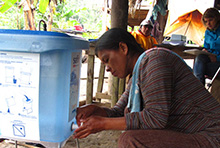
Access to safe drinking water and sanitation are important factors for people’s health and well-being. Hygiene is key to preventing illnesses, and the safe handling of faeces protects the environment. Eawag is therefore conducting research into methods of drinking water treatment as well as the improvement and optimisation of sanitation facilities and wastewater treatment plants.
Water and sanitation in the Global South

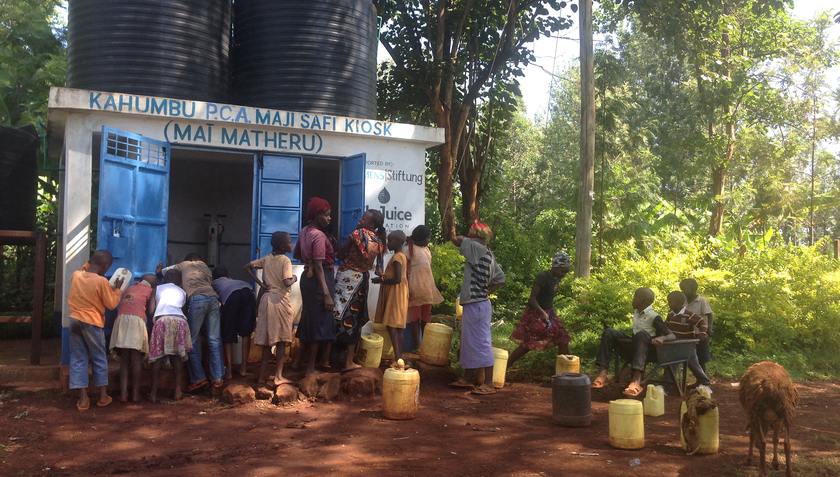
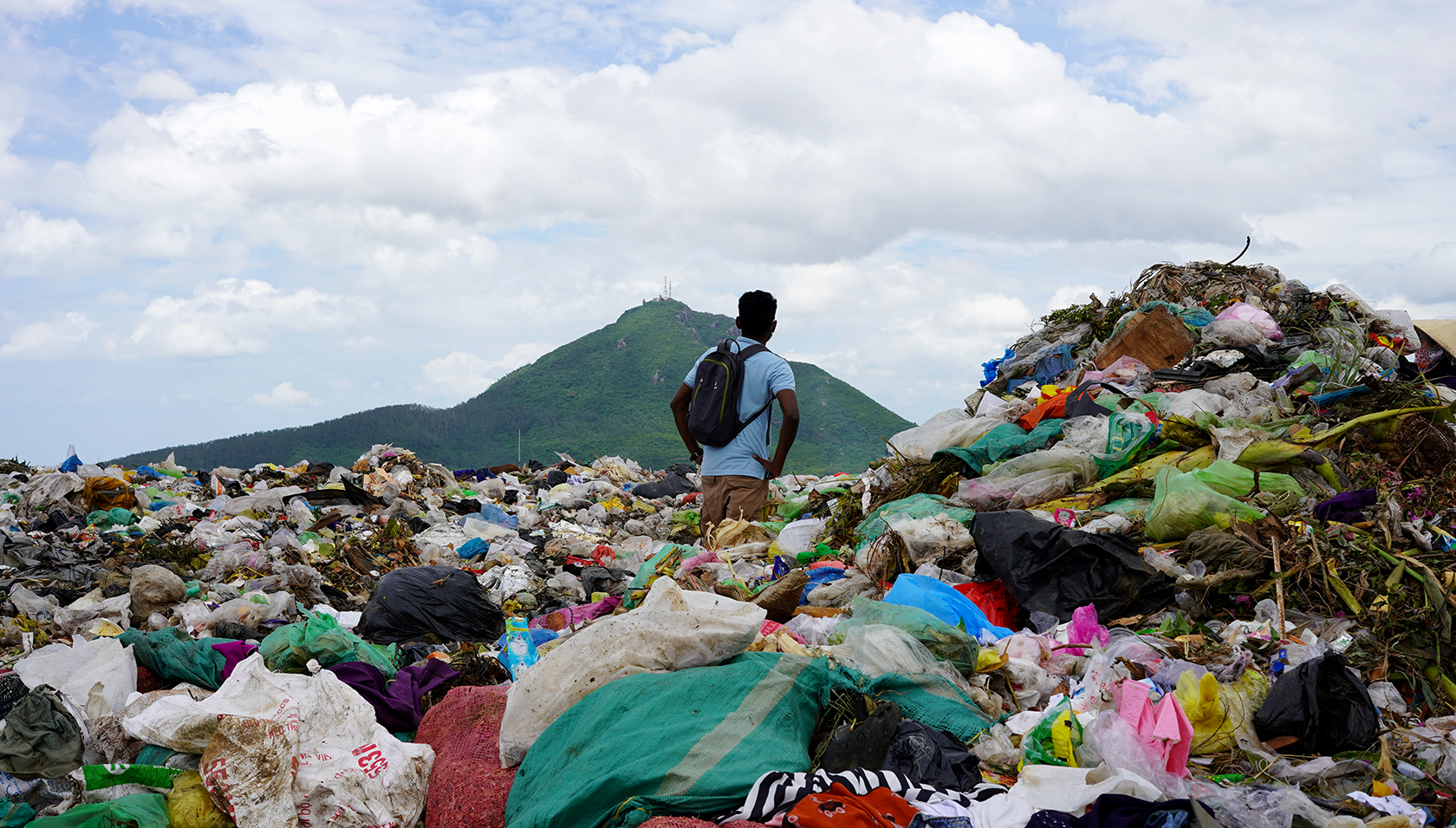
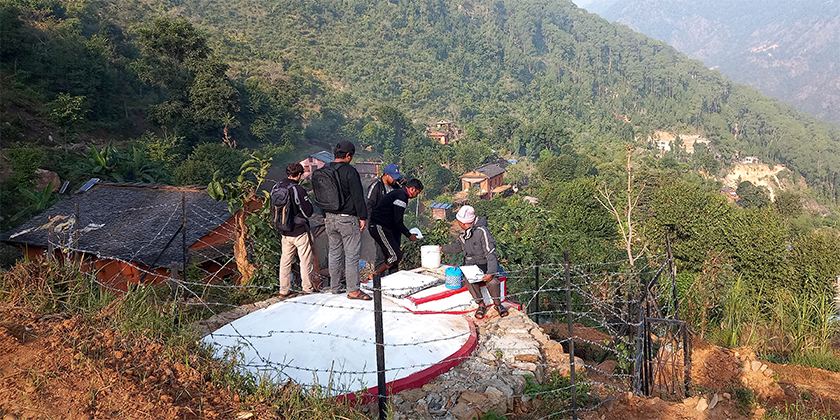
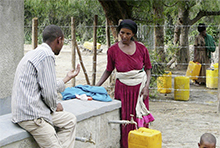
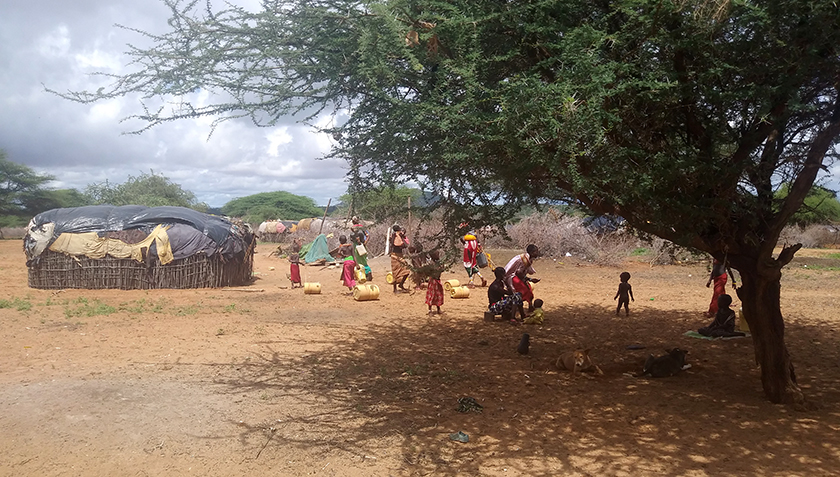
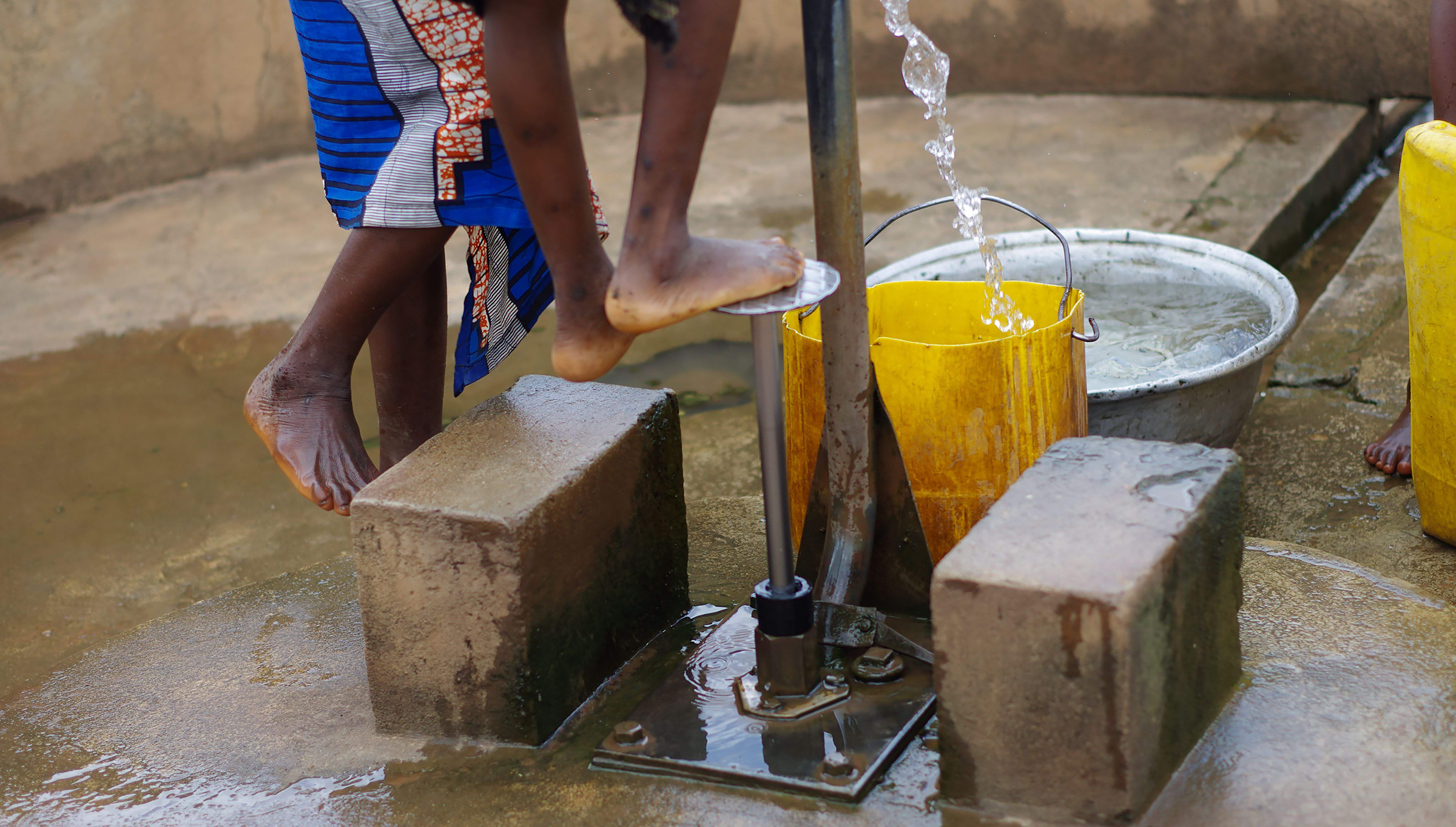
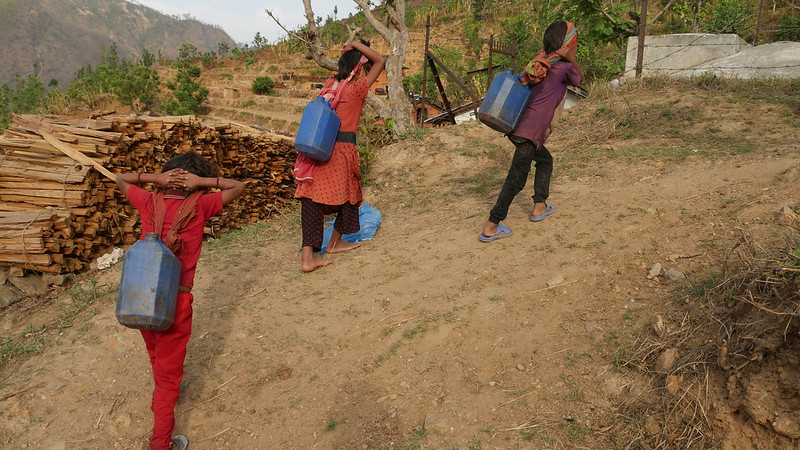
Water supply and wastewater disposal are particularly inadequate in countries of the Global South. This is partly due to climatic conditions, the rapid growth of urban regions as well as structural and economic influences. Eawag researches innovative, evidence-based methods and further develops best practices and technologies that improve access to sanitation and clean drinking water as well as solid waste management.

In doing so, Eawag focuses on international cooperation with universities, research institutions, government agencies and NGOs. The research institute promotes transdisciplinary partnerships with the public and private sectors at regional and national level and offers training and further education, workshops and blended learning programmes. 

Pollutants in drinking water

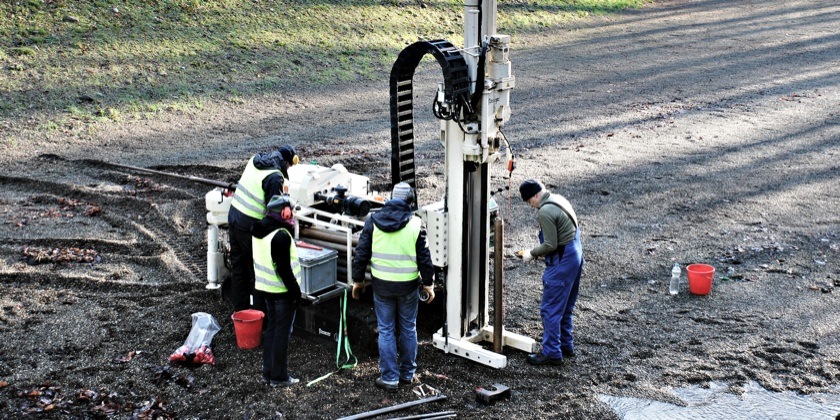
In addition to sufficient quantities, quality is also crucial when it comes to the supply of drinking water. Besides supply issues, Eawag’s research also covers questions relating to environmental processes and the behaviour of chemical substances. What happens to our drinking water in the ground? Which organic pollutants and heavy metals can end up in drinking water? An understanding of bio- and geochemical processes is essential in order to guarantee the supply of clean drinking water. But also understanding and appropriate solutions with regard to pesticides or the contamination of arsenic and fluoride play a key role in the provision (and protection) of safe drinking water. 
Social issues surrounding water

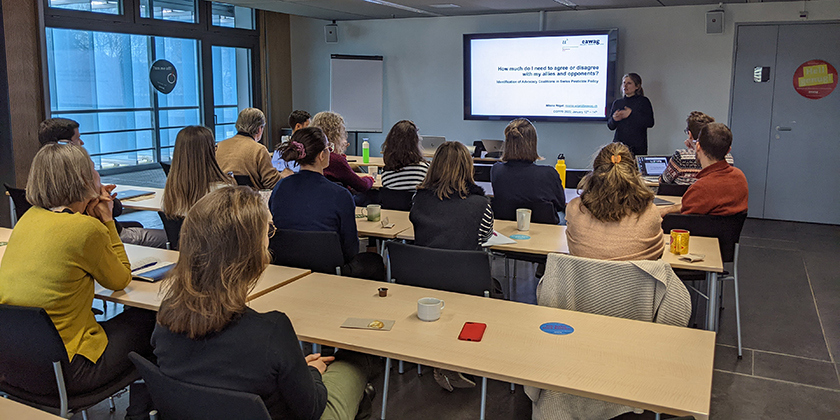
Drinking water and sanitation are issues that affect everyone. This makes it all the more important to know the social structures in the respective areas and to adapt appropriate measures accordingly. Our research is not only dedicated to the question of how social acceptance can be found for sustainable innovations and how behavioural changes can be achieved, but also how complex decisions can be improved or what roles politics and governance play in the water and environmental sector.

Wastewater treatment and processing

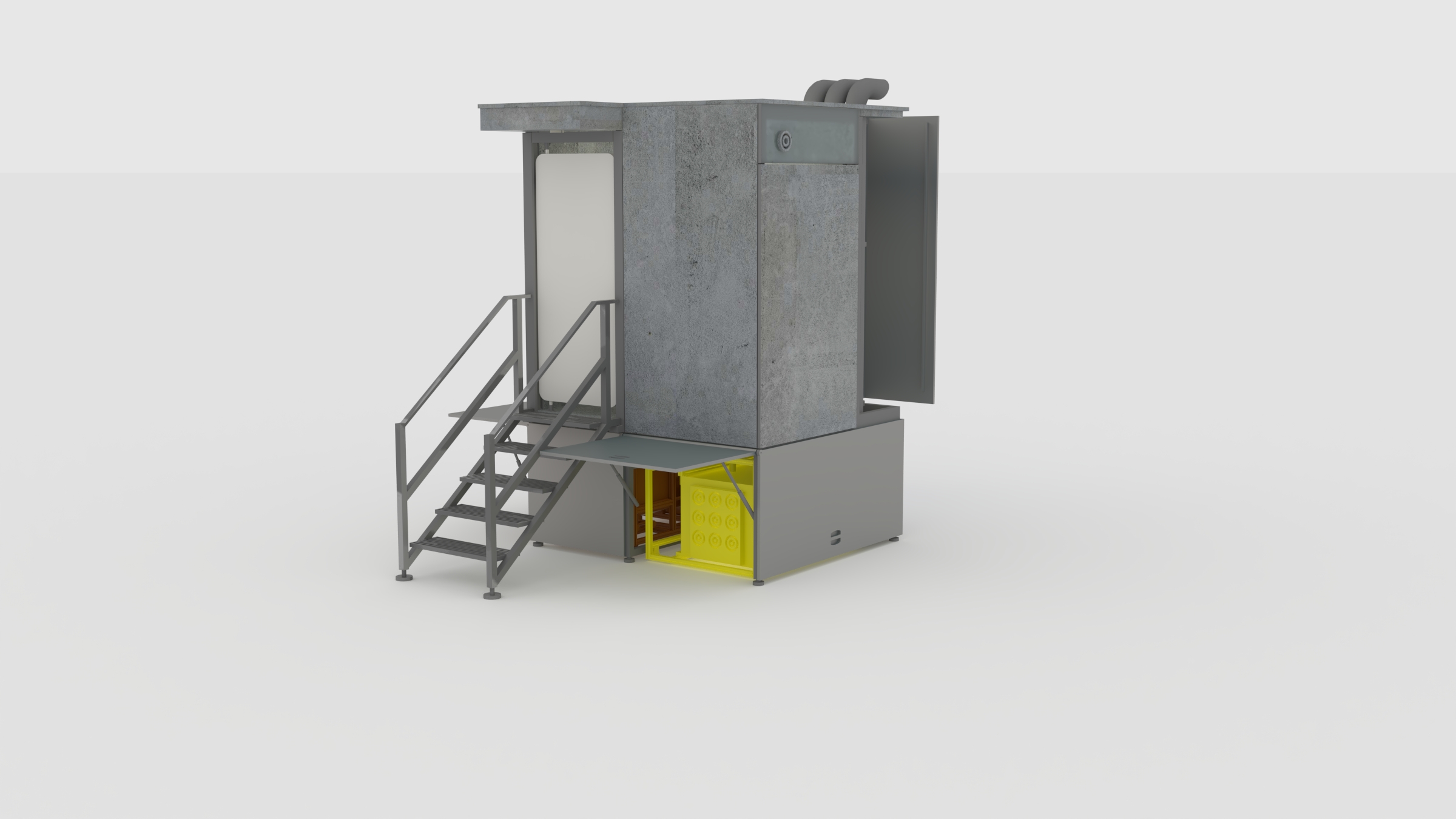
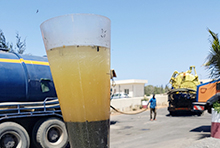
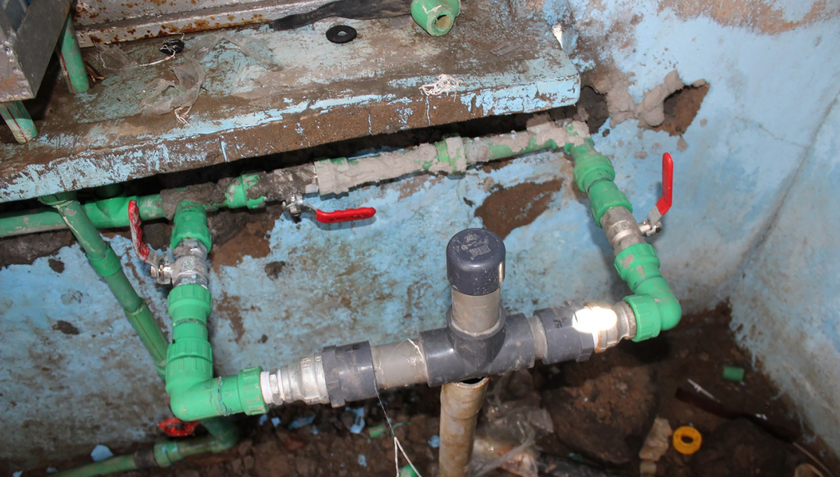
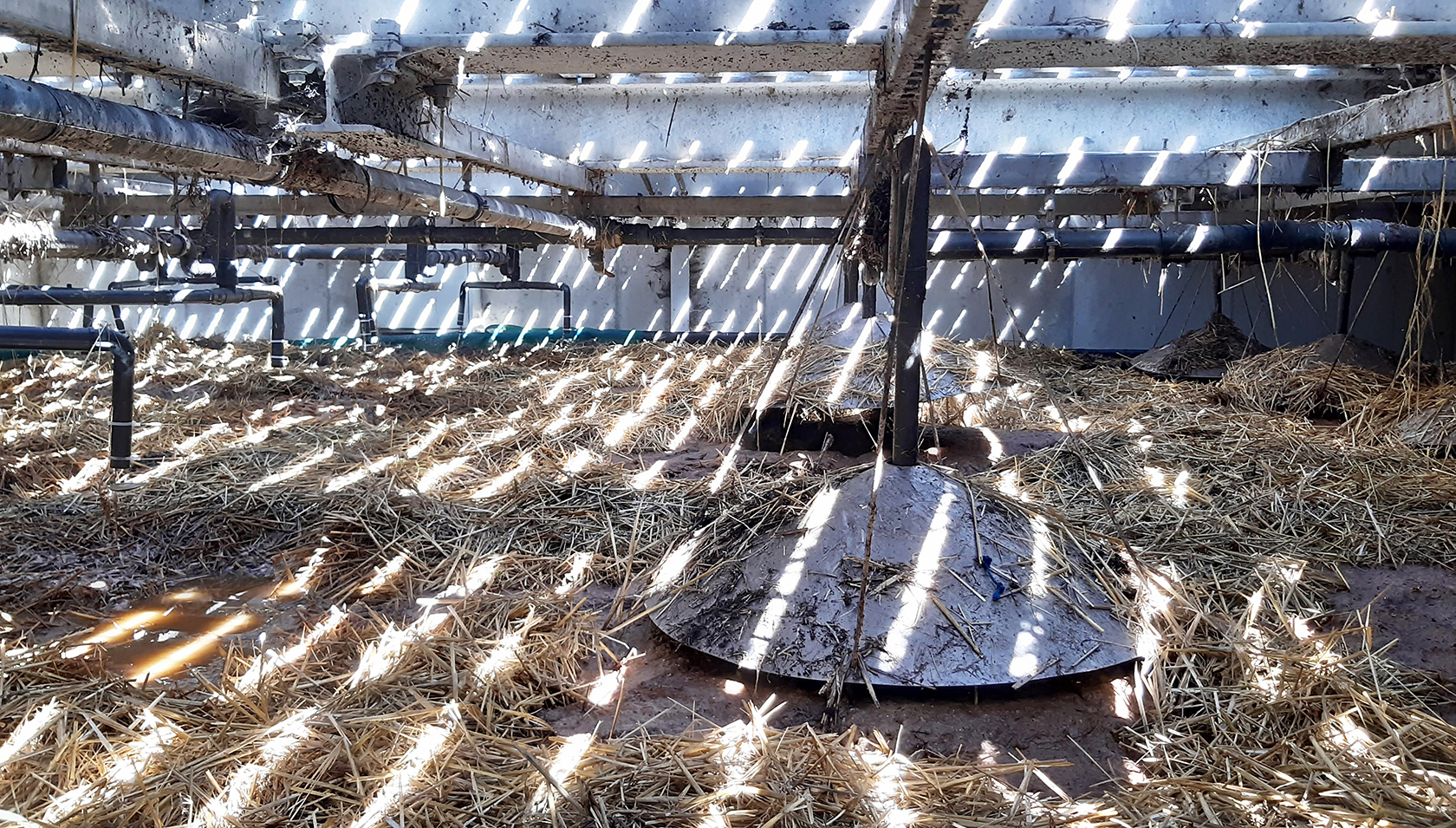
In countries of the Global South, sewage systems and wastewater treatment plants are usually only found in large urban areas. The rapidly growing areas on the periphery and remote regions often have no connection to a sewage system. Here, Eawag is researching decentralised systems to make the handling of urine and faeces safer and more sustainable. This protects groundwater and watercourses – and therefore drinking water – from pollution and in turn reduces the risk of disease for the population. At the same time, it offers the opportunity to recover resources. The cleaned water can be used for irrigation. In addition, processed urine and faeces can be reused as fertiliser or a source of energy.
Research projects

Network

We work together with a wide variety of partners.

The SDC Water Network promotes knowledge management within the water sector worldwide.

SDC's water network

SECO Urban development and infrastructure services: SECO is dedicated to promoting environmentally friendly urban development.

State Secretariat for Economic Affairs SECO

The Swiss Water Partnership (SWP) is a multi-stakeholder platform bringing together organisations from academia, civil society, public and private sectors.

Swiss Water Partnership (SWP)

The objective of the NADEL Center for Development and Cooperation at ETH Zurich is to inspire and train the next generation for global cooperation.


Nadel Center for Development and Cooperation

Experts

Dr. Nadja Contzen
  • environmental psychology
  • transdisciplinary research
  • behaviour change
  • health psychology
  • public acceptability
Dr. Lauren Cook
  • planning of infrastructure
  • climate change
  • modeling
  • sustainable water management
  • urban water management
Dr. Fabrizio Fenicia
  • uncertainty assessment
  • catchment hydrology
  • modeling
  • water quality
Dr. Karin Gallandat
  • climate change
  • drinking water
  • transdisciplinary research
  • developing countries
  • Environmental health
Prof. Dr. Joaquin Jimenez-Martinez
  • groundwater
  • hydrogeology
  • modeling
  • porous and fractured media
  • transport of contaminants
Prof. Dr. Joao Paulo Leitao
  • GIS
  • urban planning
  • modeling
  • Risk assessment
  • urban water management
Dr. Christoph Lüthi
  • developing countries
  • urban planning
  • sustainable water management
  • urban sanitation
  • transdisciplinary research
  • drinking water
Dr. Sara Marks
  • sustainable water management
  • technology concepts
  • transdisciplinary research
  • water treatment
  • water supply
Regula Meierhofer
  • urban planning
  • sustainable water management
  • drinking water
  • water treatment
  • water supply
Dr. Marc Müller
  • data science
  • developing countries
  • earth observation
  • sustainable development
  • science-policy interface
Dr. Daniel Odermatt
  • monitoring
  • surface water
  • spectroscopic methods
  • earth observation
  • remote sensing
Dr. Linda Strande
  • urban sanitation
  • climate change
  • resource recovery
  • decentralized systems
  • microbial ecology
Dr. George Wainaina
  • urban sanitation
  • science-policy interface
  • sustainable transitions
  • water supply
  • water and sanitation organisational development
Dr. Christian Zurbrügg
  • solid waste management
  • sustainable water management
  • water treatment
  • urban sanitation
  • water supply

Scientific publications
Extbase Variable Dump
array(3 items)
   publications => '35453,35455,35152' (17 chars)
   libraryUrl => '' (0 chars)
   layout => '1' (1 chars)
Extbase Variable Dump
array(3 items)
   0 => Snowflake\Publications\Domain\Model\Publicationprototypepersistent entity (uid=35453, pid=124)
      originalId => protected35453 (integer)
      authors => protected'Mehta, P.; Muller, M.; Niles, M. T.; Davis, K.&nbsp
         ;F.
' (79 chars) title => protected'Child diet diversity and irrigation expansion in the global south' (65 chars) journal => protected'Nature Sustainability' (21 chars) year => protected2025 (integer) volume => protected8 (integer) issue => protected'8' (1 chars) startpage => protected'905' (3 chars) otherpage => protected'913' (3 chars) categories => protected'' (0 chars) description => protected'Irrigation expansion has been promoted as a way to improve global nutrition
         and health by increasing food production and income. However, its impact on
         the health and nutrition of local communities is unclear and might vary subs
         tantially across contexts, depending on who reaps the benefits and how. Here
          we combine georeferenced survey data from 9,144 rural communities (70,817 h
         ouseholds) across 26 global south countries with data on global patterns of
         irrigation infrastructure changes to examine linkages between irrigation exp
         ansion and local changes in child diet diversity—a key indicator of micron
         utrient intake and development. We found a positive link between irrigation
         and child diet diversity, with substantial regional differences. Irrigation
         benefits were concentrated in regions without sufficient water resources to
         support it, suggesting trade-offs between dietary improvements and water str
         ess. By contrast, irrigated areas with sufficient water tend to produce high
         er fractions of cash crops and export-oriented food items, with weaker assoc
         iations to improved local diets. These findings suggest that while irrigatio
         n access is associated with overall improvements of child diet diversity in
         rural communities, water stress conditions can influence these outcomes. Nut
         rition-sensitive strategies thus need to be considered as an essential compo
         nent of sustainable irrigation planning in the future.
' (1422 chars) serialnumber => protected'' (0 chars) doi => protected'10.1038/s41893-025-01584-y' (26 chars) uid => protected35453 (integer) _localizedUid => protected35453 (integer)modified _languageUid => protectedNULL _versionedUid => protected35453 (integer)modified pid => protected124 (integer)
1 => Snowflake\Publications\Domain\Model\Publicationprototypepersistent entity (uid=35455, pid=124) originalId => protected35455 (integer) authors => protected'Mehta, P.; Müller, M.; Niles, M. T.; Davis, K.&nbs
         p;F.
' (80 chars) title => protected'Nutritional outcomes of irrigation expansion' (44 chars) journal => protected'Nature Sustainability' (21 chars) year => protected2025 (integer) volume => protected8 (integer) issue => protected'8' (1 chars) startpage => protected'853' (3 chars) otherpage => protected'854' (3 chars) categories => protected'' (0 chars) description => protected'Assessing linkages between irrigation expansion and child diet diversity in
         the global south revealed larger diet diversity improvements in water-stress
         ed regions. Future irrigation planning should explicitly incorporate nutriti
         on-sensitive strategies to ensure food security of local communities while m
         aintaining sustainable water withdrawals.
' (345 chars) serialnumber => protected'' (0 chars) doi => protected'10.1038/s41893-025-01593-x' (26 chars) uid => protected35455 (integer) _localizedUid => protected35455 (integer)modified _languageUid => protectedNULL _versionedUid => protected35455 (integer)modified pid => protected124 (integer)
2 => Snowflake\Publications\Domain\Model\Publicationprototypepersistent entity (uid=35152, pid=124) originalId => protected35152 (integer) authors => protected'Verstraete, W.; Strubbe, L.; Pikaar, I.; Vinestock, T.&n
         bsp;W.; Lee, P. H.; Matassa, S.; Chong, J.; Zhou, J
         .; Daigger, G. T.; Guo, M.
' (193 chars) title => protected'Escaping historical lock-in─Redesigning wastewater treatment plants and th
         eir microbiomes for the 21st century
' (112 chars) journal => protected'Environmental Science and Technology' (36 chars) year => protected2025 (integer) volume => protected59 (integer) issue => protected'29' (2 chars) startpage => protected'14862' (5 chars) otherpage => protected'14869' (5 chars) categories => protected'WWTP; microbiome; wastewater; portable water; resource recovery; optimizatio
         n; machine learning
' (95 chars) description => protected'Wastewater treatment plants (WWTPs) have gradually, over the last hundred ye
         ars, been designed and extended to deal with a sequence of problems, includi
         ng a) odor, b) suspended solids, c) organics, d) ammonia, e) nitrate and pho
         sphate, and f) recalcitrant pollutants. The line of historical developments
         was piecemeal rather than holistic and did not focus on sustainability, reso
         urce recovery, and water reuse. On the contrary, microbial processes that ac
         celerated the removal of nitrogen were incorporated and heralded as a positi
         ve part of the "cleanup" agenda, despite their relatively large energy consu
         mption and substantial production of nitrous oxide, a potent greenhouse gas.
          The time has come to examine the historical, technological, and microbiolog
         ical lock-in present in today's WWTPs, so that a more coherent integrated sy
         stem can be developed for future generations. Some disruptive strategies are
          outlined, and a categorization of processes in terms of their potential for
          the future is formulated.
' (1014 chars) serialnumber => protected'0013-936X' (9 chars) doi => protected'10.1021/acs.est.5c06208' (23 chars) uid => protected35152 (integer) _localizedUid => protected35152 (integer)modified _languageUid => protectedNULL _versionedUid => protected35152 (integer)modified pid => protected124 (integer)
Mehta, P.; Muller, M.; Niles, M. T.; Davis, K. F. (2025) Child diet diversity and irrigation expansion in the global south, Nature Sustainability, 8(8), 905-913, doi:10.1038/s41893-025-01584-y, Institutional Repository
Mehta, P.; Müller, M.; Niles, M. T.; Davis, K. F. (2025) Nutritional outcomes of irrigation expansion, Nature Sustainability, 8(8), 853-854, doi:10.1038/s41893-025-01593-x, Institutional Repository
Verstraete, W.; Strubbe, L.; Pikaar, I.; Vinestock, T. W.; Lee, P. H.; Matassa, S.; Chong, J.; Zhou, J.; Daigger, G. T.; Guo, M. (2025) Escaping historical lock-in─Redesigning wastewater treatment plants and their microbiomes for the 21st century, Environmental Science and Technology, 59(29), 14862-14869, doi:10.1021/acs.est.5c06208, Institutional Repository

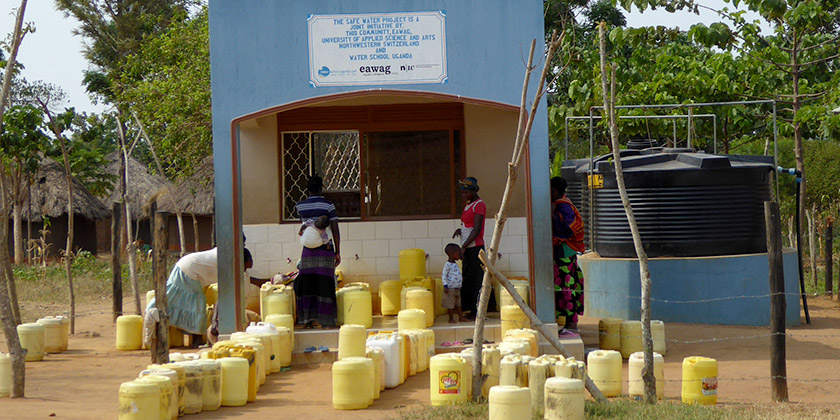
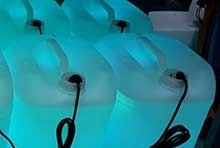
Cover picture: A water kiosk in Uganda that uses a gravity-driven membrane to purify and then dispense water. The system was developed at Eawag (Maryna Peter, FHNW).