Climate change and energy

Climate and energy – bodies of water under pressure

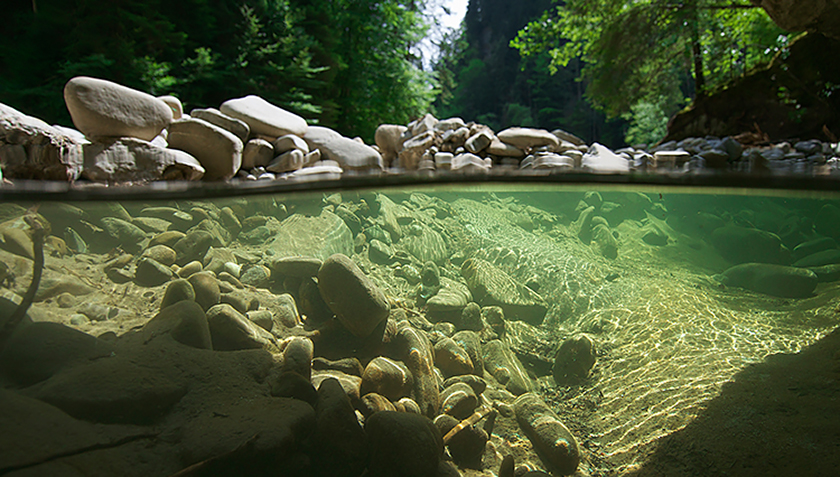
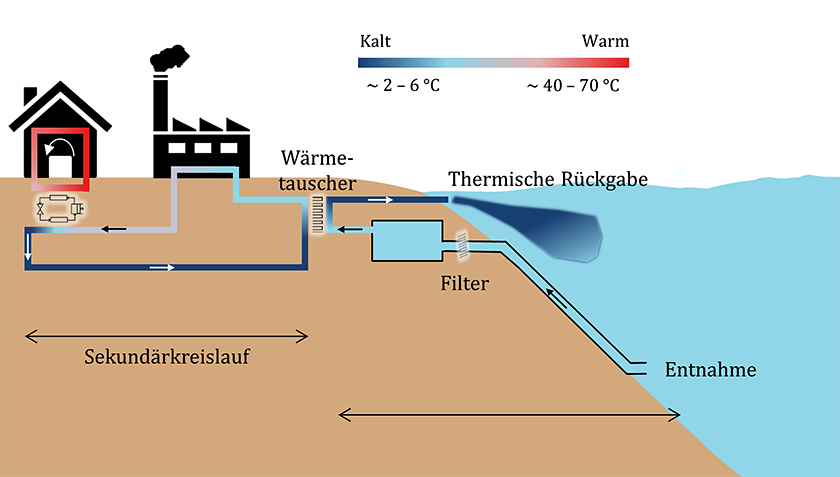
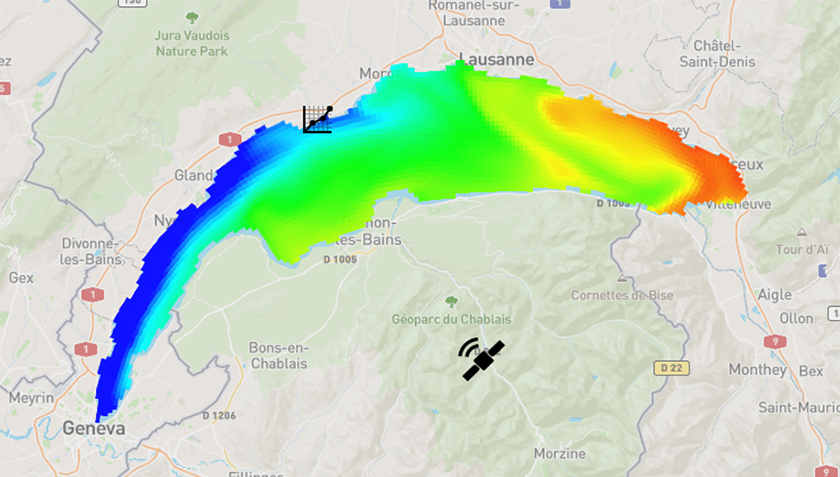
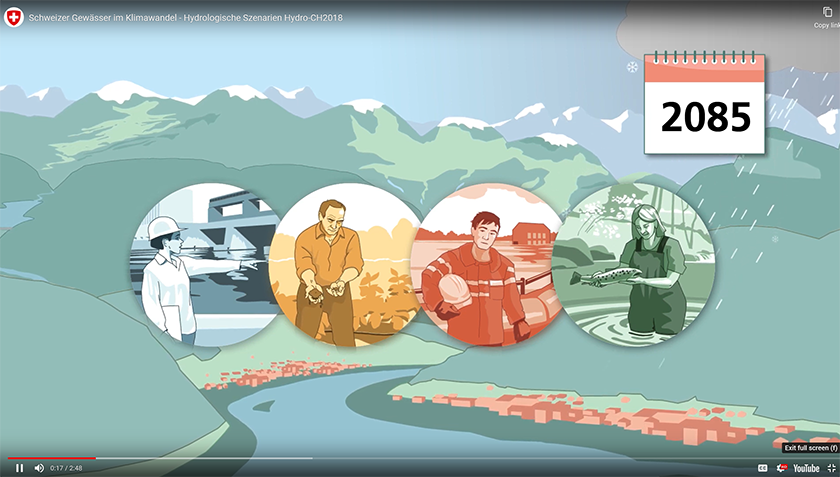
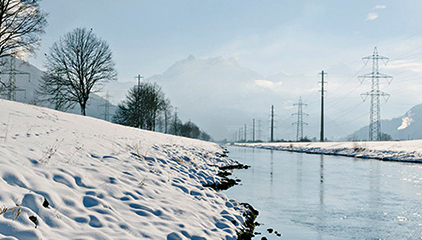
Climate change and energy production are putting pressure on our bodies of water. Eawag is investigating how climate warming is changing our lakes, rivers and groundwater and what this means for the plants and animals living in them, as well as for humans. Furthermore, it is also researching and developing measures and technologies to protect the climate, promote adaptation to the consequences of climate change and shape the energy transition in an environmentally friendly way.
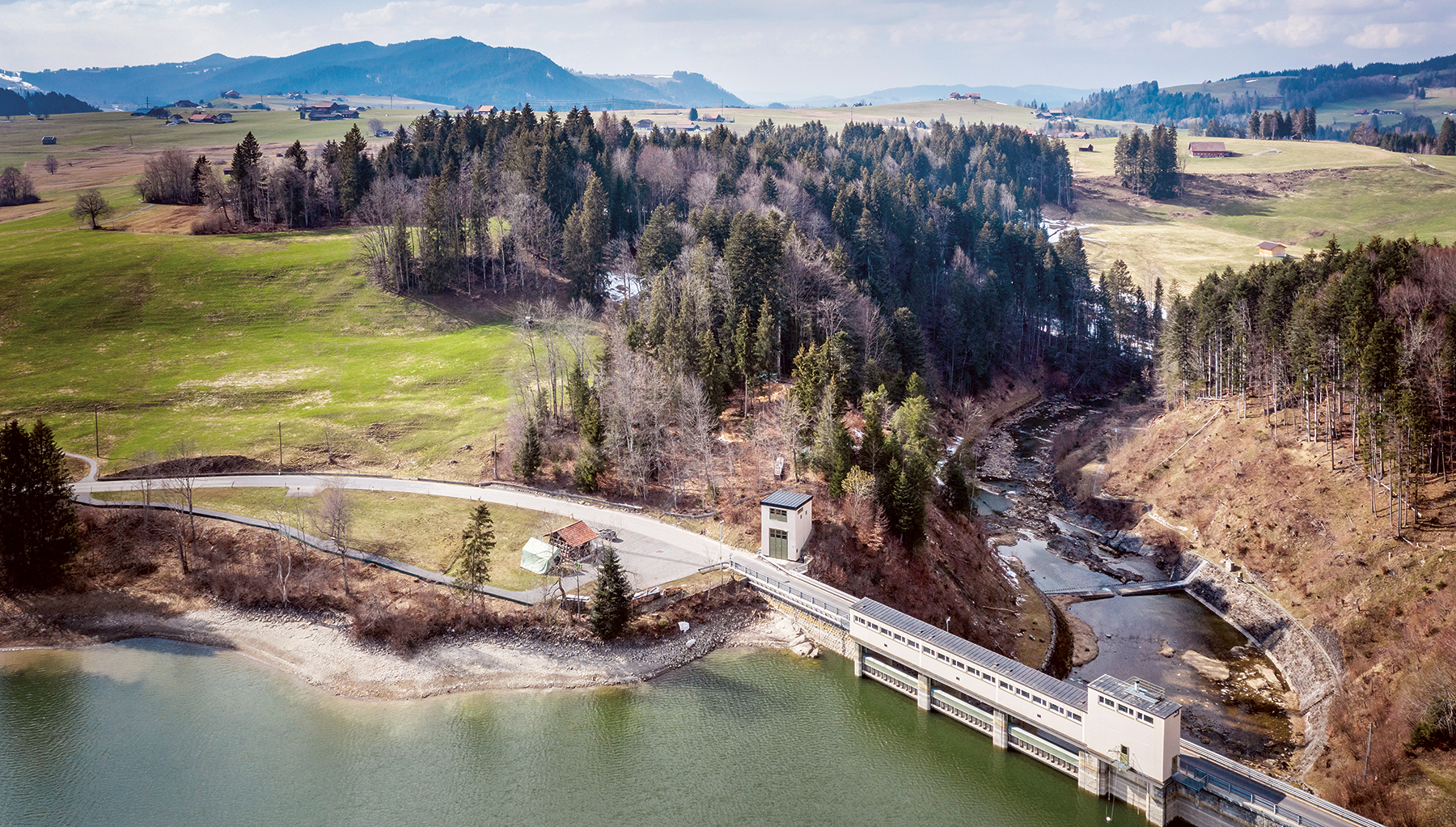
Energy production and water protection in conflict

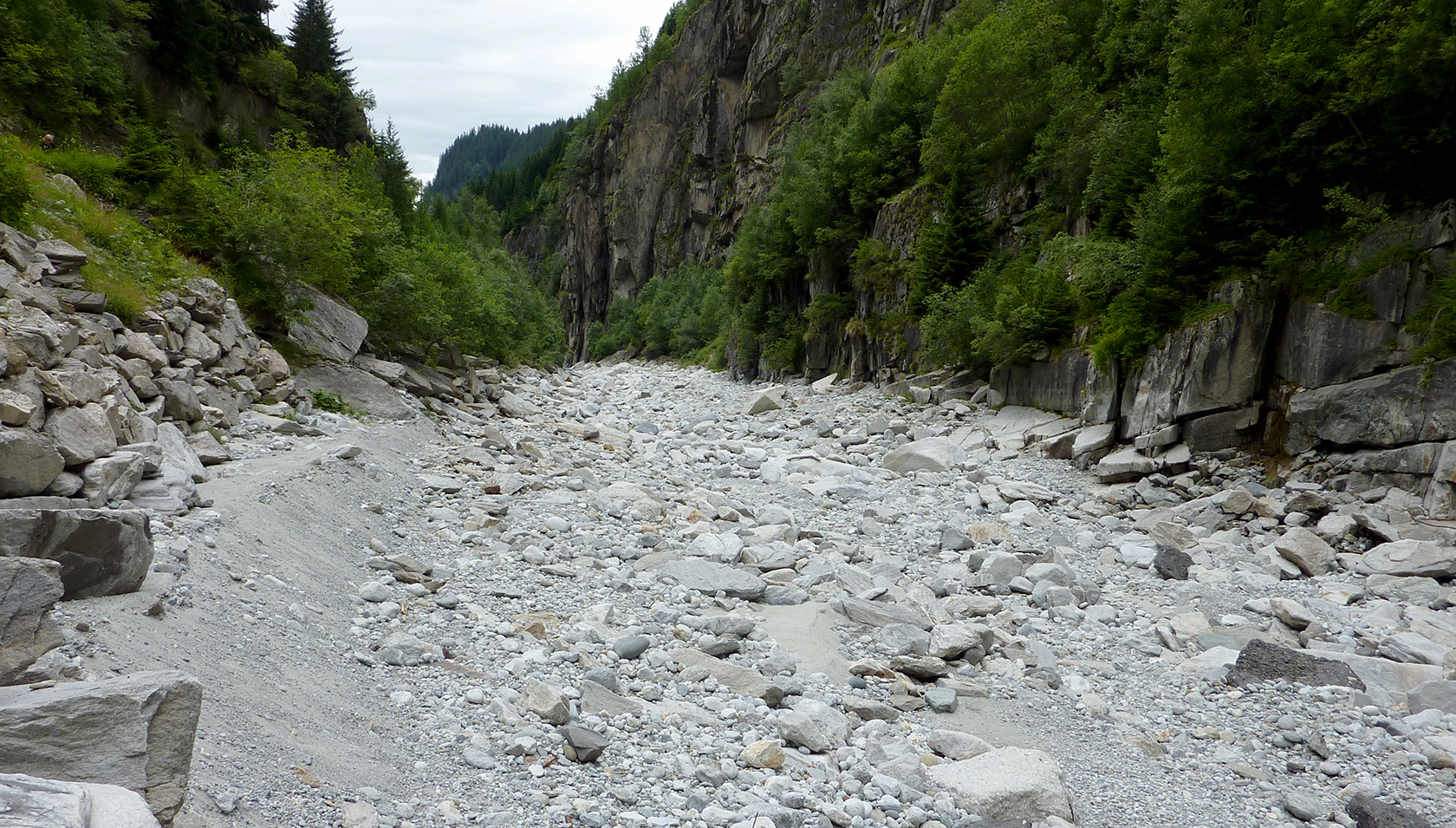
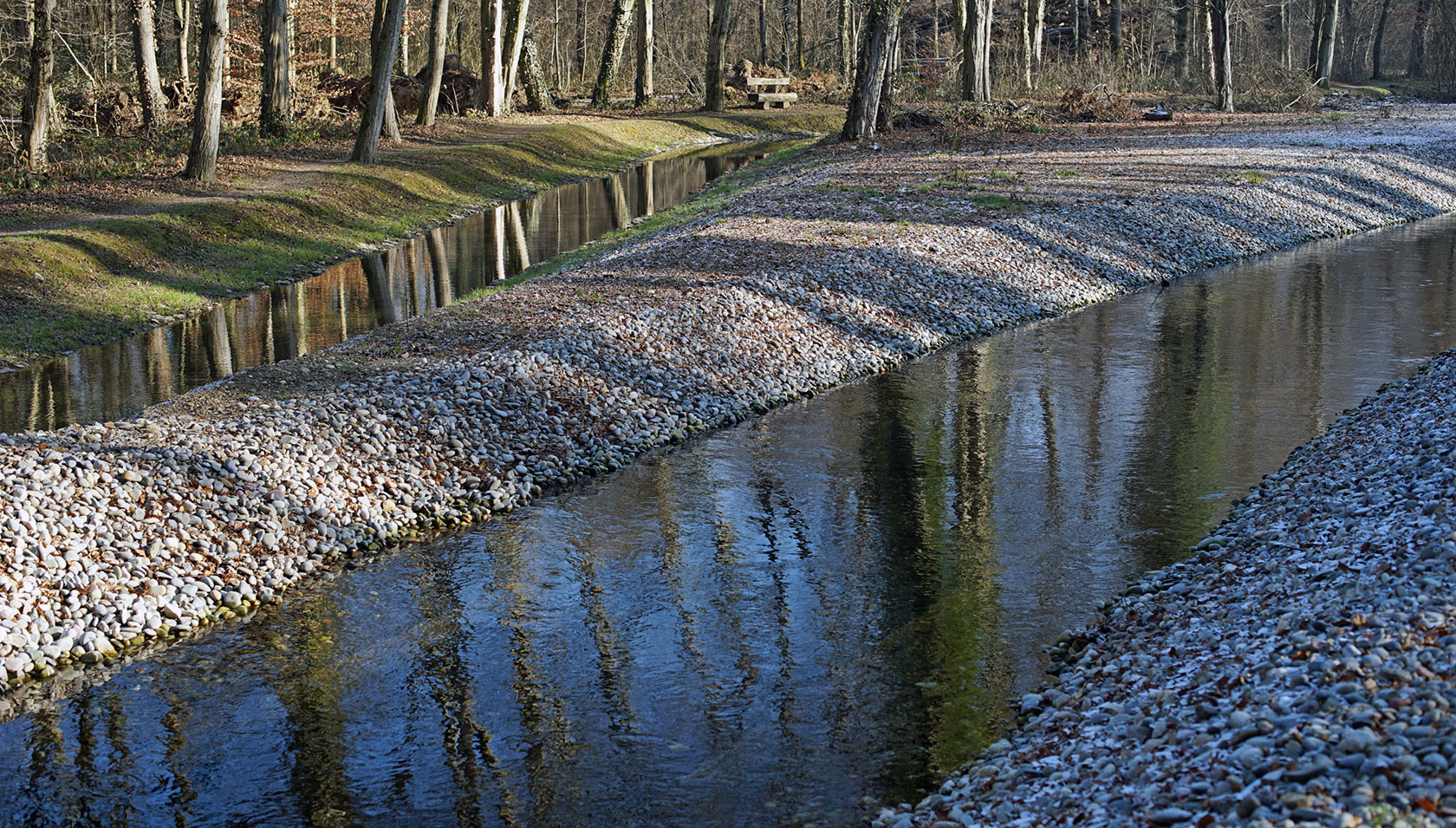
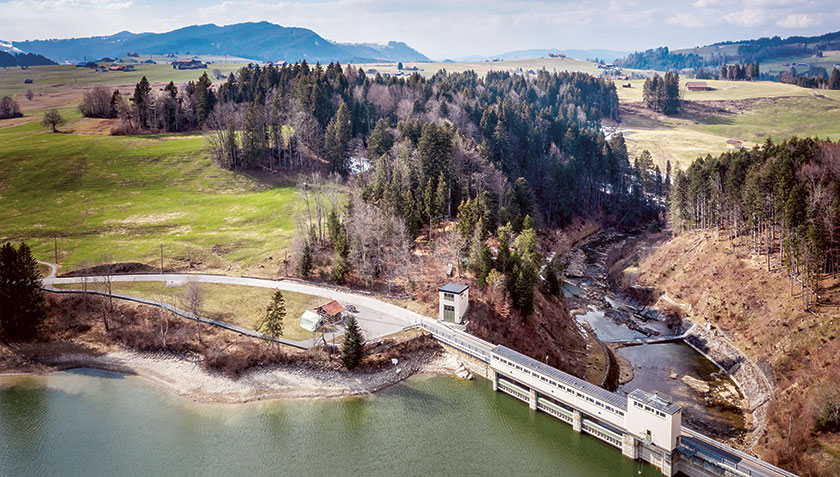
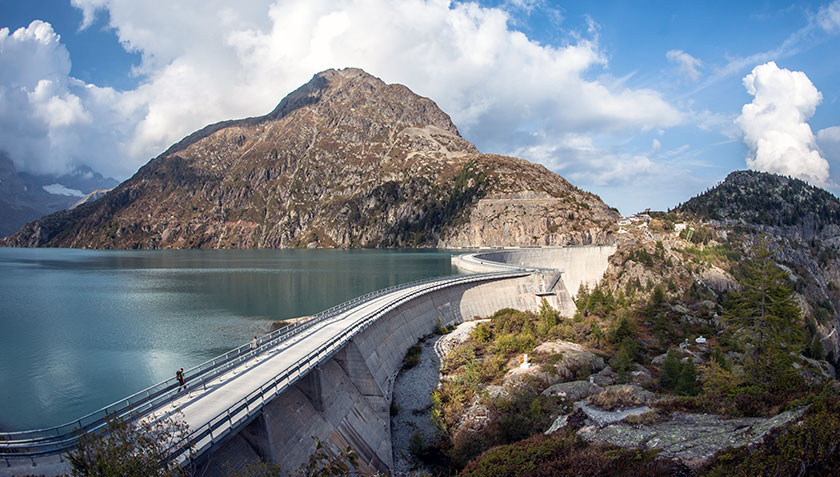
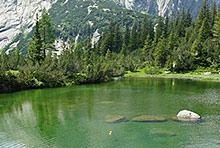
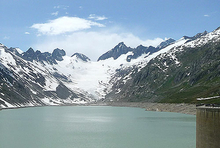
The growing demand for climate-friendly hydropower is increasing pressure on our bodies of water. In residual water stretches located downstream of power plants, a large part of the natural run-off is missing. Hydroelectric power plants also cause unnatural dynamics in watercourses and disrupt fish migration. The basis of life for aquatic organisms is thus severely impaired. Hydroelectric power plants can also reduce the water supply for groundwater, our most important source of drinking water.

Impacts of climate change on bodies of water

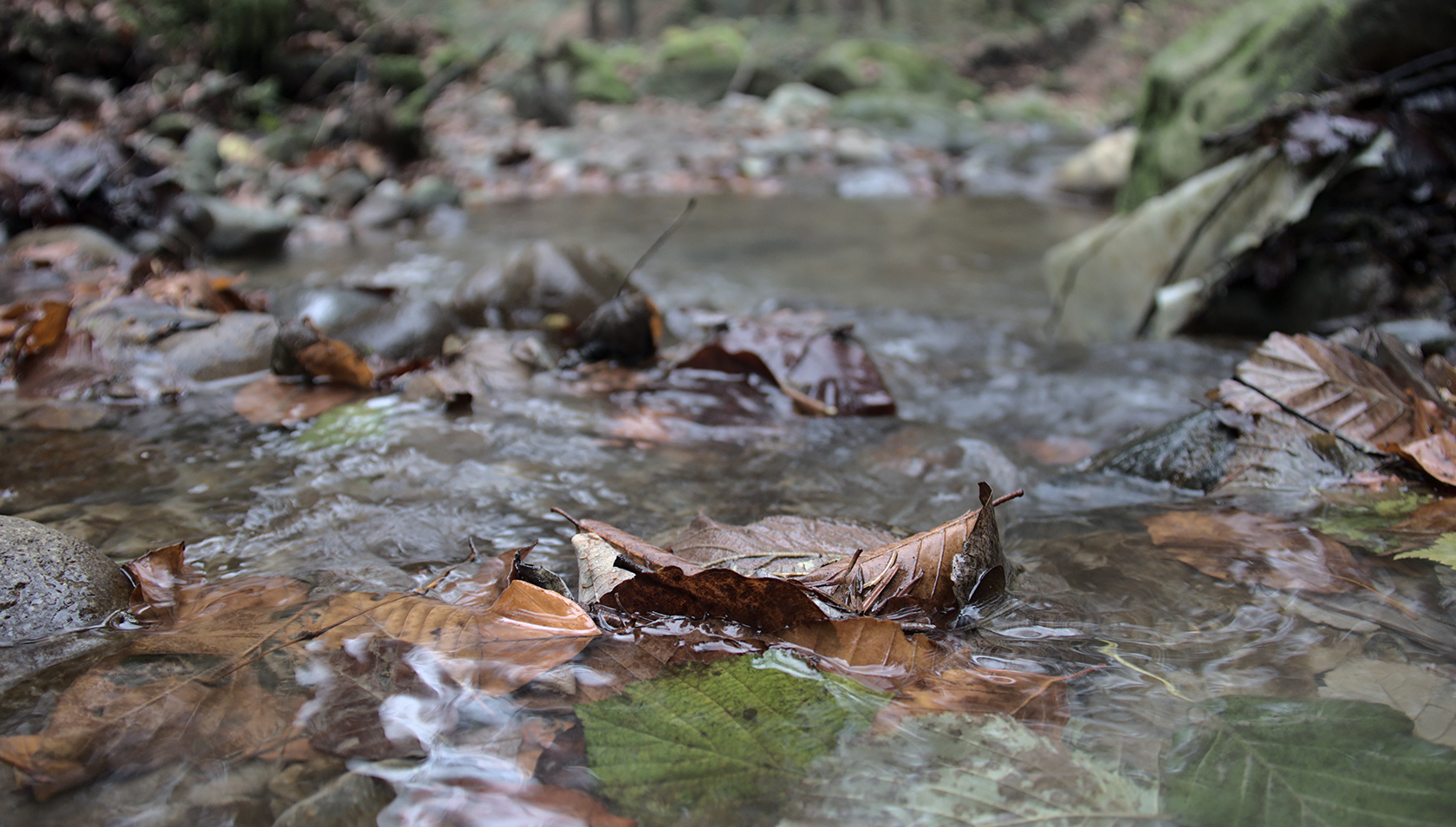
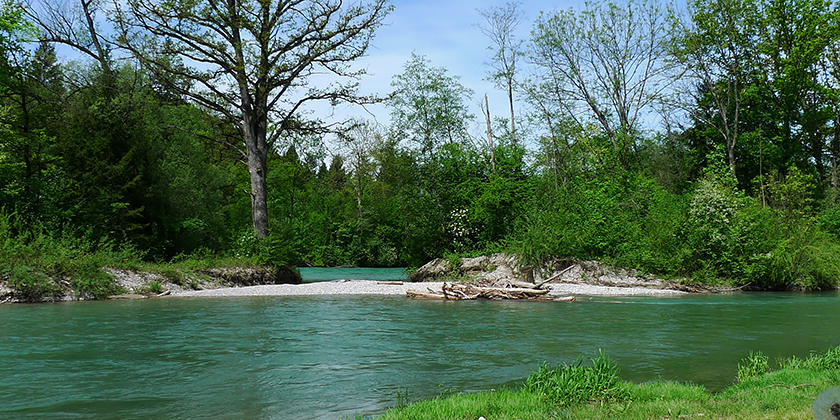
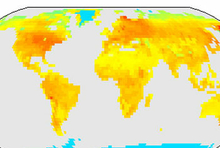
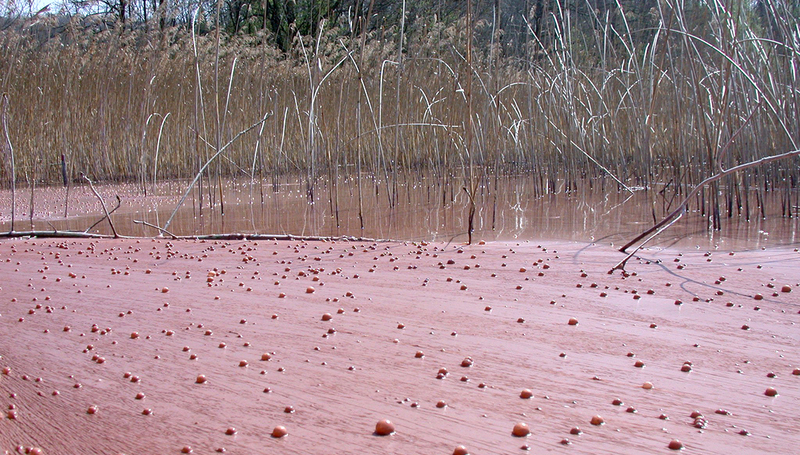
If the temperature of the atmosphere rises, bodies of water also warm up. Warmer water means stress for some forms of aquatic life. At the same time, others benefit from the warming. This changes the overall species composition. For example, certain algae, some of which are toxic, can better spread and thus harm other living organisms in and around the water. The circulation of the lakes is also altered. As a result, the time period during which the lakes mix their water from the surface to the bottom of the lake in winter becomes shorter. This can lead to an oxygen deficiency at depth and reduce the supply of nutrients in the upper layers of the water, an adverse impact for a great many fish and other aquatic life.
Blue-green infrastructure – cooling cities with water

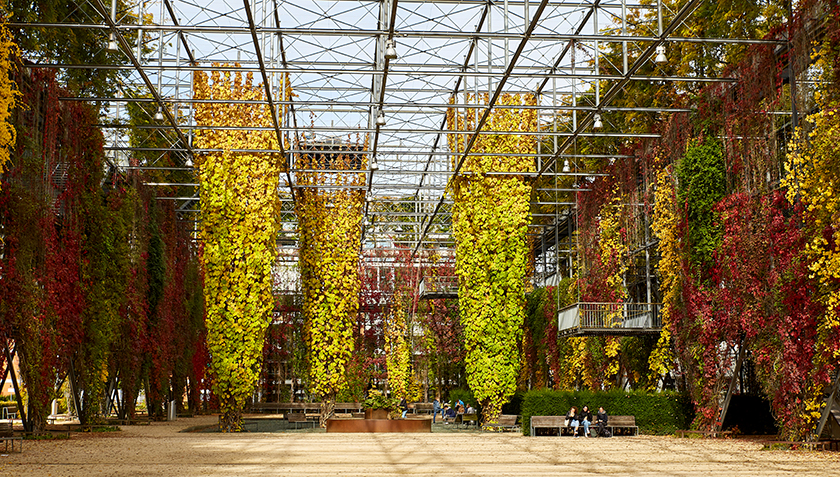
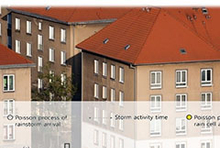
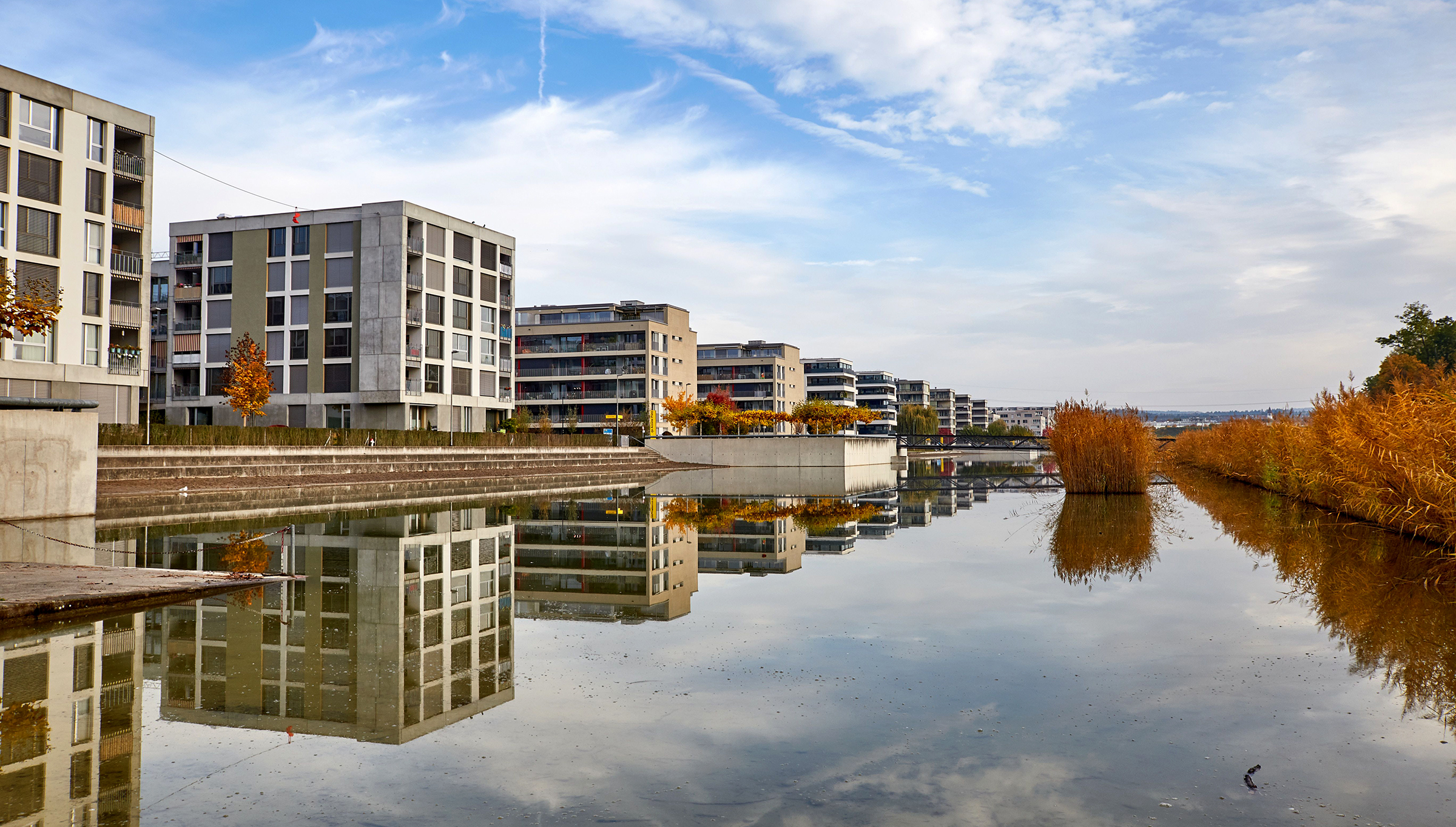
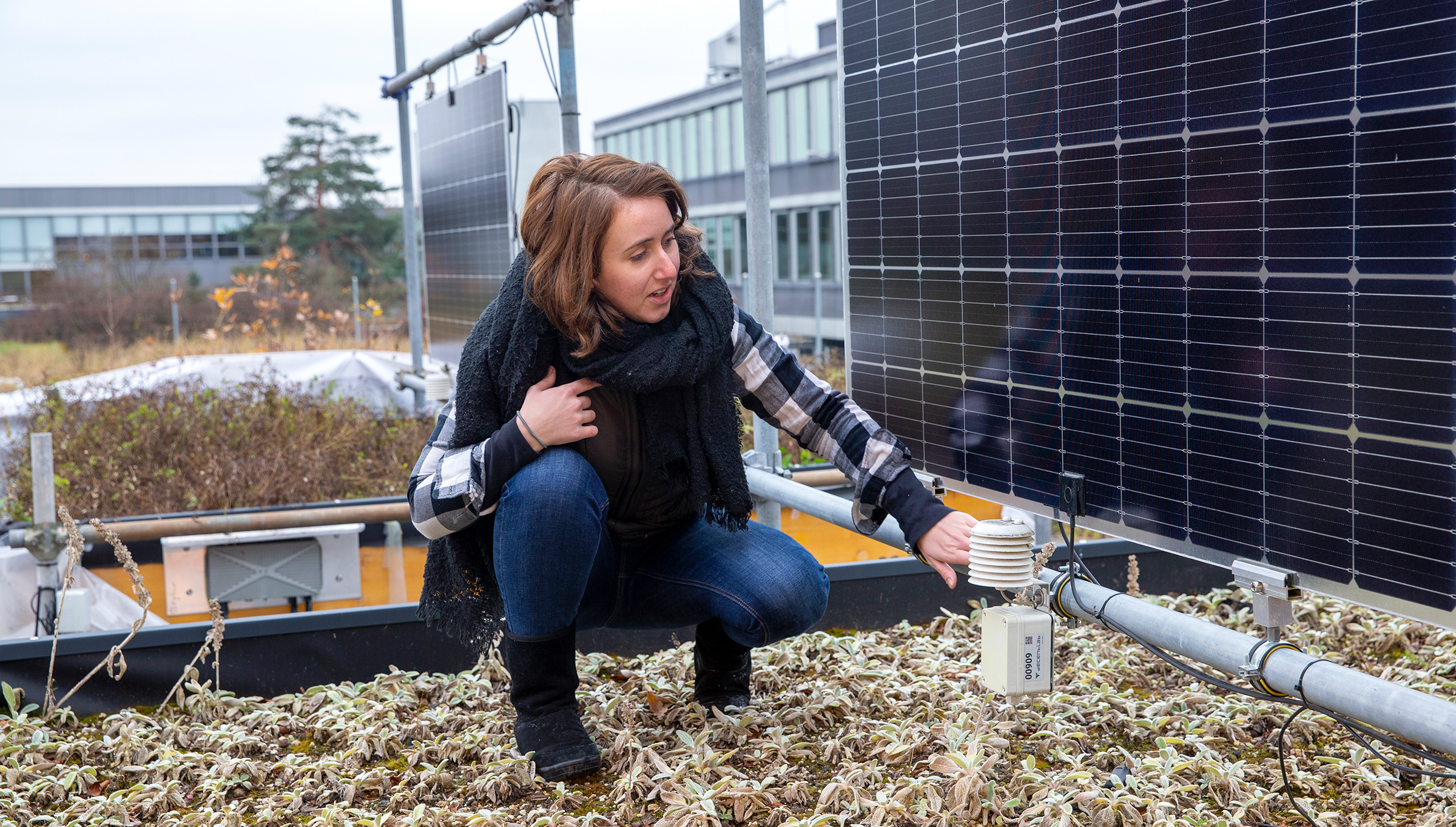
Heat, drought or extreme precipitation not only cause problems for the environment, but also for us humans, especially in densely built-up cities. Water (blue) in streams, ponds and water basins, as well as plants (green) on roofs, on façades and in green spaces can help cool cities. In order to mitigate the consequences of climate change, there are therefore plans to store more water in urban areas and to manage rainwater and wastewater in a climate-adapted manner.

Minimising the consequences of climate change and the energy transition

Eawag observes and studies how environmental changes and the increasing use of water resources affect aquatic ecosystems and their inhabitants. It uses models to analyse how lakes, rivers and groundwater could develop in the future under different scenarios. Building on this knowledge, Eawag researchers are developing solutions that reduce greenhouse gas emissions, minimise the impact of climate change on humans and the environment and make the energy transition sustainable and more climate-friendly.
Network

We work together with a wide variety of partners.

The Hydrology Division is responsible for the protection of surface water, groundwater and drinking water.

Federal Office for the Environment (FOEN)

The Hydrological Forecasts Research Group investigates, among other things, the consequences of climate change on hydrology

Swiss Federal Institute for Forest, Snow and Landscape Research (WSL)

The Federal Climate Services Network supports climate-compatible decision making in order to minimise risks, maximise opportunities and optimise costs.

National Centre for Climate Services NCCS

The Joint Initiative of the ETH Domain contributes to halving greenhouse gas emissions by 2030 by preparing the necessary infrastructure, building a resilient energy system and protecting biodiversity. 

Speed2zero

The Joint Initiative of the ETH Domain aims to reduce greenhouse gas emissions to zero by 2050.

Scene

Experts

Dr. Christian Binz
  • decentralized systems
  • innovation
  • global change
  • sustainable transitions
  • urban water management
Marc Böhler
  • wastewater treatment
  • activated carbon
  • micropollutants
  • ozonation
  • trace substance elimination
Dr. Nadja Contzen
  • environmental psychology
  • transdisciplinary research
  • behaviour change
  • health psychology
  • public acceptability
Dr. Lauren Cook
  • planning of infrastructure
  • climate change
  • modeling
  • sustainable water management
  • urban water management
Dr. Andreas Frömelt
  • wastewater
  • wastewater treatment
  • data science
  • machine learning
  • modeling
Prof. Dr. Karin Ingold
  • science-policy interface
  • environmental policy
Dr. Adriano Joss
  • wastewater
  • micropollutants
  • ozonation
Prof. Dr. Rolf Kipfer
  • noble gases
  • isotopes
Dr. Ivana Logar
  • sustainable water management
  • Ecosystem services
  • environmental economics
Prof. Dr. Max Maurer
  • wastewater
  • decentralized technologies
  • sustainable water management
  • urban sanitation
  • urban water management
  • urine separation
Dr. Marc Müller
  • data science
  • developing countries
  • earth observation
  • sustainable development
  • science-policy interface
Dr. Martin Schmid
  • modeling
  • surface water
  • hydropower
  • climate change
  • Lake management
Dr. Olga Schubert
  • microbial ecology
  • biogeochemistry
  • proteomics
  • biomarker
  • microfluidics
Prof. Dr. Bernhard Truffer
  • wastewater
  • decentralized technologies
  • transdisciplinary research
  • hydropower
Dr. Cornelia Twining
  • ecology
  • evolution
  • climate change
  • rivers
  • fatty acids
Prof. Dr. Kai Udert
  • wastewater separation
  • decentralized technologies
  • nutrients
  • urine separation
  • resource recovery
Dr. Christine Weber
  • river restoration
  • ecology
Dr. Christian Zurbrügg
  • solid waste management
  • sustainable water management
  • water treatment
  • urban sanitation
  • water supply

Scientific publications
Extbase Variable Dump
array(3 items)
   publications => '35017,34273,34204' (17 chars)
   libraryUrl => '' (0 chars)
   layout => '1' (1 chars)
Extbase Variable Dump
array(3 items)
   0 => Snowflake\Publications\Domain\Model\Publicationprototypepersistent entity (uid=35017, pid=124)
      originalId => protected35017 (integer)
      authors => protected'Xi, Q.; Gao, H.; Wang-Erlandsson, L.; Dong, J.; Fenicia,
          F.; Savenije, H. H. G.; Hrachowitz, M.
' (140 chars) title => protected'Terrestrial ecosystems enhanced root zone water storage capacity in response
          to climate change over the past four decades
' (121 chars) journal => protected'Science Bulletin' (16 chars) year => protected2025 (integer) volume => protected70 (integer) issue => protected'18' (2 chars) startpage => protected'3019' (4 chars) otherpage => protected'3028' (4 chars) categories => protected'root zone water storage capacity; mass curve technique; climate change; resi
         lience; trend analysis
' (98 chars) description => protected'Adaptation of ecosystems’ root zones to climate change critically affects
         drought resilience and vegetation productivity. However, a global quantitati
         ve assessment of this mechanism is missing. In this study, we analyzed high-
         quality observation-based data to find that the global average root zone wat
         er storage capacity (S<sub>R</sub>) increased by 11%, from 182 to 202 mm in
         1982–2020. The total increase of S<sub>R</sub> equals to 1652 billion m<su
         p>3</sup> over the past four decades. S<sub>R</sub> increased in 9 out of 12
          land cover types, while three relatively dry types experienced decreasing t
         rends, potentially suggesting the crossing of ecosystems’ tipping points.
         Our results underscore the importance of accounting for root zone dynamics u
         nder climate change to assess drought impacts.
' (806 chars) serialnumber => protected'2095-9273' (9 chars) doi => protected'10.1016/j.scib.2025.06.027' (26 chars) uid => protected35017 (integer) _localizedUid => protected35017 (integer)modified _languageUid => protectedNULL _versionedUid => protected35017 (integer)modified pid => protected124 (integer)
1 => Snowflake\Publications\Domain\Model\Publicationprototypepersistent entity (uid=34273, pid=124) originalId => protected34273 (integer) authors => protected'He,&nbsp;L.; Li,&nbsp;J.; Tang,&nbsp;L.; Wang,&nbsp;Y.; Zhao,&nbsp;X.; Ding,
         &nbsp;K.; Xu,&nbsp;L.; Gu,&nbsp;L.; Cheng,&nbsp;S.; Wei,&nbsp;Y.&nbsp;yuan
' (150 chars) title => protected'Applying side-stream gas recirculation to promote anaerobic digestion of foo
         d waste under ammonia stress: overlooked impact of gaseous atmospheres on mi
         croorganisms
' (164 chars) journal => protected'Water Research' (14 chars) year => protected2025 (integer) volume => protected281 (integer) issue => protected'' (0 chars) startpage => protected'123571 (13 pp.)' (15 chars) otherpage => protected'' (0 chars) categories => protected'ammonia stress; anaerobic digestion; side-stream gas recirculation; metaprot
         eomics
' (82 chars) description => protected'High ammonia concentrations can be toxic to microorganisms, leading to the a
         ccumulation of hydrogen (H<sub>2</sub>) and acids in anaerobic digestion (AD
         ) system. In this study, a side gas recycling strategy (SGR), coupled with a
          primary reactor and a small side-stream reactor, which recirculates biogas
         between primary reactor and side reactor was employed to mitigate ammonia in
         hibition. This approach enabled the mesophilic side-stream gas recirculation
          system (SMGR) and the thermophilic side-stream gas recirculation system (ST
         GR) to ultimately withstand ammonia stress levels of 2.5 g/L and 3.5 g/L, re
         spectively, while maintaining lower hydrogen partial pressures. In contrast,
          the control group experienced system failure at an ammonia concentration of
          2 g/L. Enzyme activity, microbial community, and metaproteomic analysis ind
         icated that the side reactor enriched microorganisms with strong hydrogen-ut
         ilizing capacity, while the primary reactor was enriched with Methanosaeta.
         Furthermore, key pathways related to propionate metabolism, ABC transporters
         , and methane production were enhanced in the primary reactor, along with in
         creased ATPase activity. The activity of key enzymes involved in AD was also
          significantly enhanced. This study enhances the understanding of the impact
          of gas atmosphere control on the microbial ecology and metabolic characteri
         stics of AD system, providing valuable insights and practical guidance for t
         he development of Engineering applications in this field.
' (1501 chars) serialnumber => protected'0043-1354' (9 chars) doi => protected'10.1016/j.watres.2025.123571' (28 chars) uid => protected34273 (integer) _localizedUid => protected34273 (integer)modified _languageUid => protectedNULL _versionedUid => protected34273 (integer)modified pid => protected124 (integer)
2 => Snowflake\Publications\Domain\Model\Publicationprototypepersistent entity (uid=34204, pid=124) originalId => protected34204 (integer) authors => protected'Chen,&nbsp;J.; Bach,&nbsp;P.&nbsp;M.; Leitão,&nbsp;J.&nbsp;P.' (62 chars) title => protected'Modelling pavement watering effects on urban heat mitigation with a fast urb
         an climate model
' (92 chars) journal => protected'Sustainable Cities and Society' (30 chars) year => protected2025 (integer) volume => protected124 (integer) issue => protected'' (0 chars) startpage => protected'106313 (14 pp.)' (15 chars) otherpage => protected'' (0 chars) categories => protected'pavement watering; evaporative cooling; heat mitigation; urban climate; mode
         l-based planning-support; TARGET
' (108 chars) description => protected'Pavement watering is considered as a possible solution to mitigate urban hea
         t and adapt urban environments to climate change. Yet, modelling tools to su
         pport the planning of such practices, especially at larger scales, are scarc
         e. This study presents the integration of pavement watering dynamics into an
          existing urban climate model. The proposed new model was evaluated against
         measurements as well as modelling data with a good agreement. We then tested
          our integrated approach with different input information to ensure the robu
         stness and reliability of its results, showing that a reduction of 15 °C in
          surface temperature and up to 2 °C in air temperature can be induced by we
         tting impervious pavements. Results also provide some first insights into po
         ssible best practices for pavement watering and surface and air temperatures
          reduction. Finally, a city-scale simulation demonstrated the potential impa
         ct of scaling up the pavement watering simulation process. The proposed mode
         l opens up new opportunities for further understanding of the cooling impact
          and water demand of pavement watering practices, offering new approaches to
          smart planning of heat mitigation measures for more liveable cities.
' (1209 chars) serialnumber => protected'2210-6707' (9 chars) doi => protected'10.1016/j.scs.2025.106313' (25 chars) uid => protected34204 (integer) _localizedUid => protected34204 (integer)modified _languageUid => protectedNULL _versionedUid => protected34204 (integer)modified pid => protected124 (integer)
Xi, Q.; Gao, H.; Wang-Erlandsson, L.; Dong, J.; Fenicia, F.; Savenije, H. H. G.; Hrachowitz, M. (2025) Terrestrial ecosystems enhanced root zone water storage capacity in response to climate change over the past four decades, Science Bulletin, 70(18), 3019-3028, doi:10.1016/j.scib.2025.06.027, Institutional Repository
He, L.; Li, J.; Tang, L.; Wang, Y.; Zhao, X.; Ding, K.; Xu, L.; Gu, L.; Cheng, S.; Wei, Y. yuan (2025) Applying side-stream gas recirculation to promote anaerobic digestion of food waste under ammonia stress: overlooked impact of gaseous atmospheres on microorganisms, Water Research, 281, 123571 (13 pp.), doi:10.1016/j.watres.2025.123571, Institutional Repository
Chen, J.; Bach, P. M.; Leitão, J. P. (2025) Modelling pavement watering effects on urban heat mitigation with a fast urban climate model, Sustainable Cities and Society, 124, 106313 (14 pp.), doi:10.1016/j.scs.2025.106313, Institutional Repository

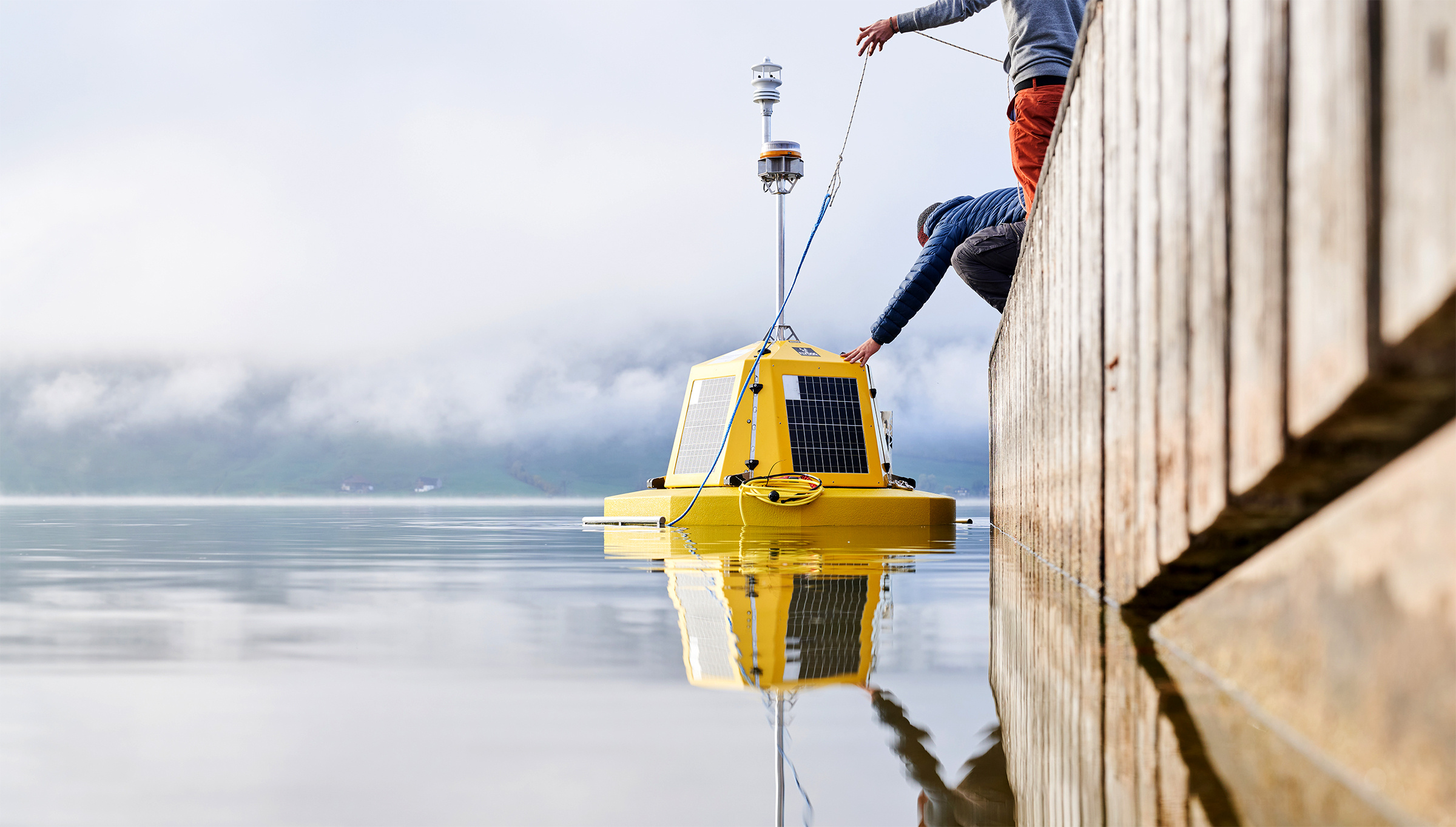
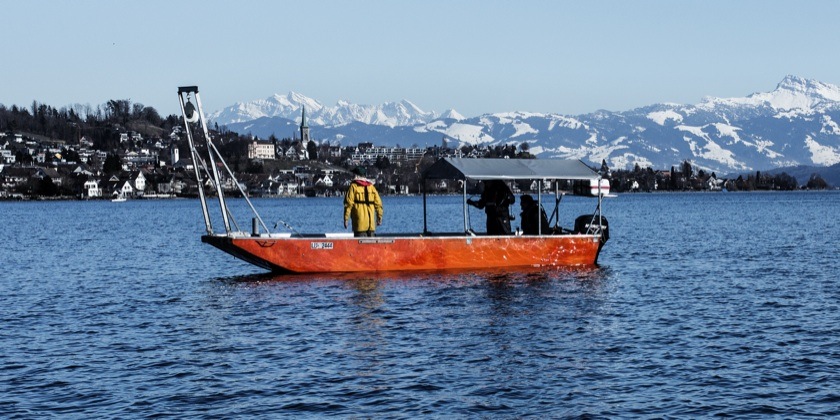
Cover picture: Here at Lake Aegeri in the canton of Zug, Eawag and FOEN have been using automatic measuring buoys to record the water temperatures of individual lakes in Switzerland since the summer of 2022. (Photo: Mathias Blattmann, Oberägeri, 11 November 2022, Zuger Zeitung)