Wastewater

Wastewater: waste, recyclable material and early warning system

Efficient wastewater discharge and treatment infrastructures are essential for public health and water quality. Eawag’s research contributes to optimising these systems. However, wastewater also contains resources that can be recovered. In addition, it is a reflection of our health and consumption patterns, in which infectious diseases, for example, can be monitored. Eawag is also conducting research into this area.
Meeting new challenges

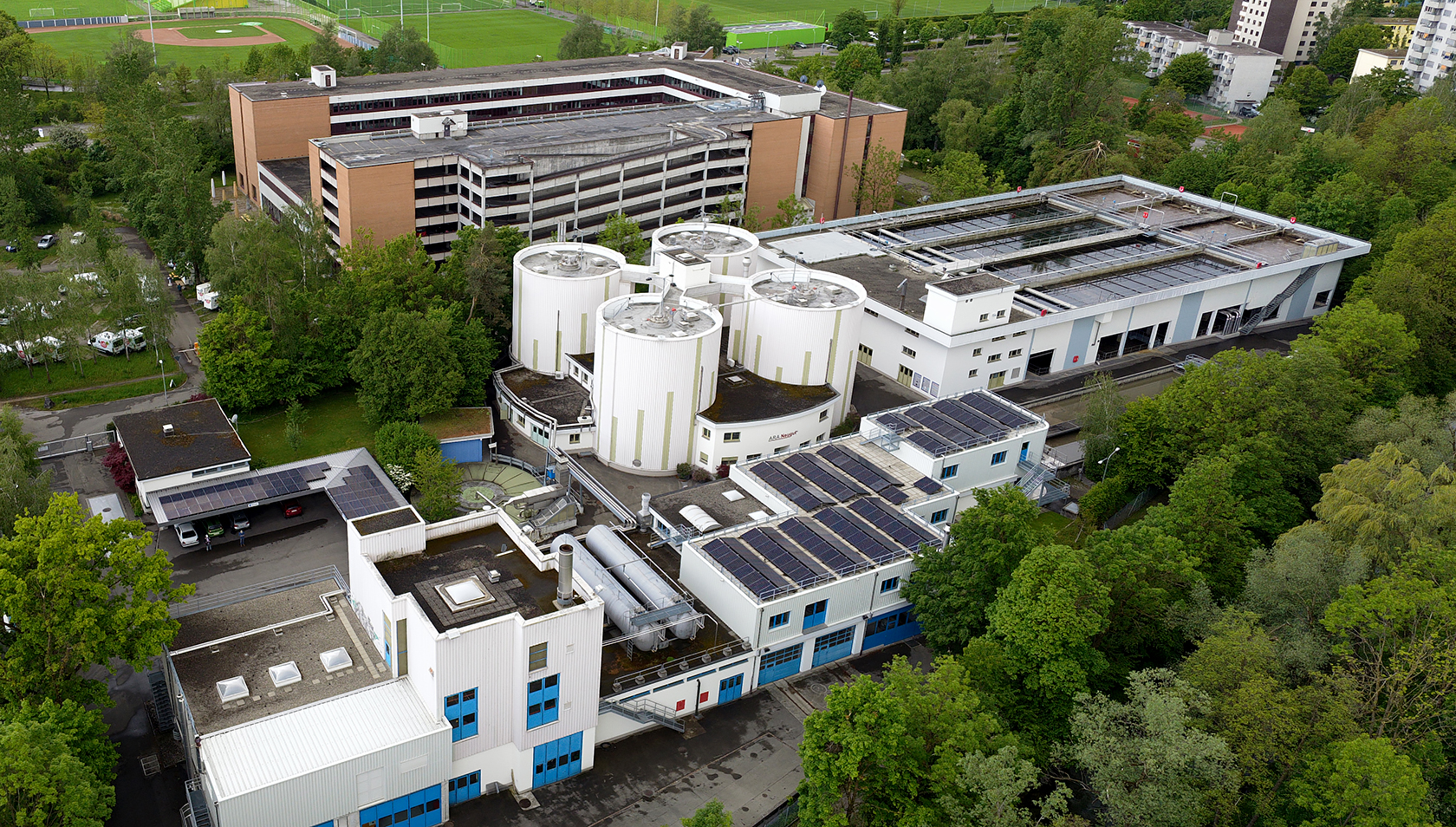
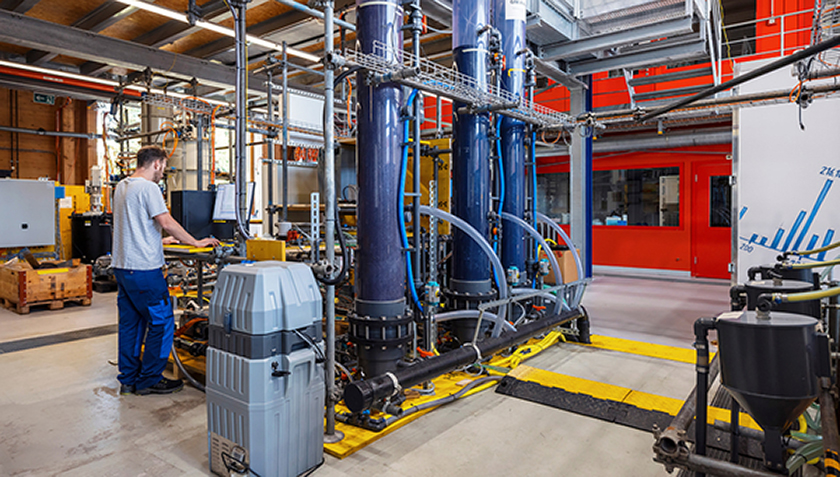
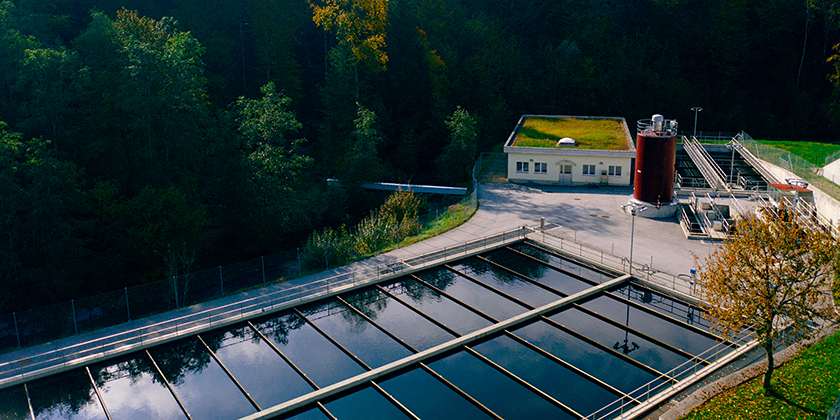
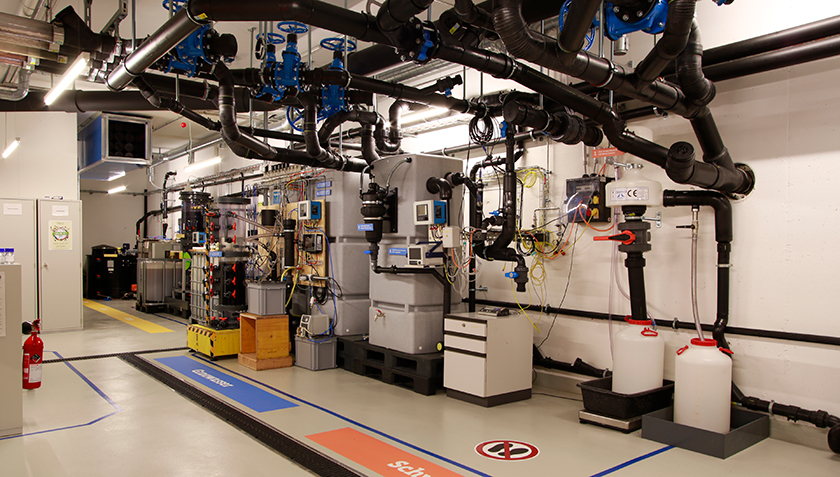
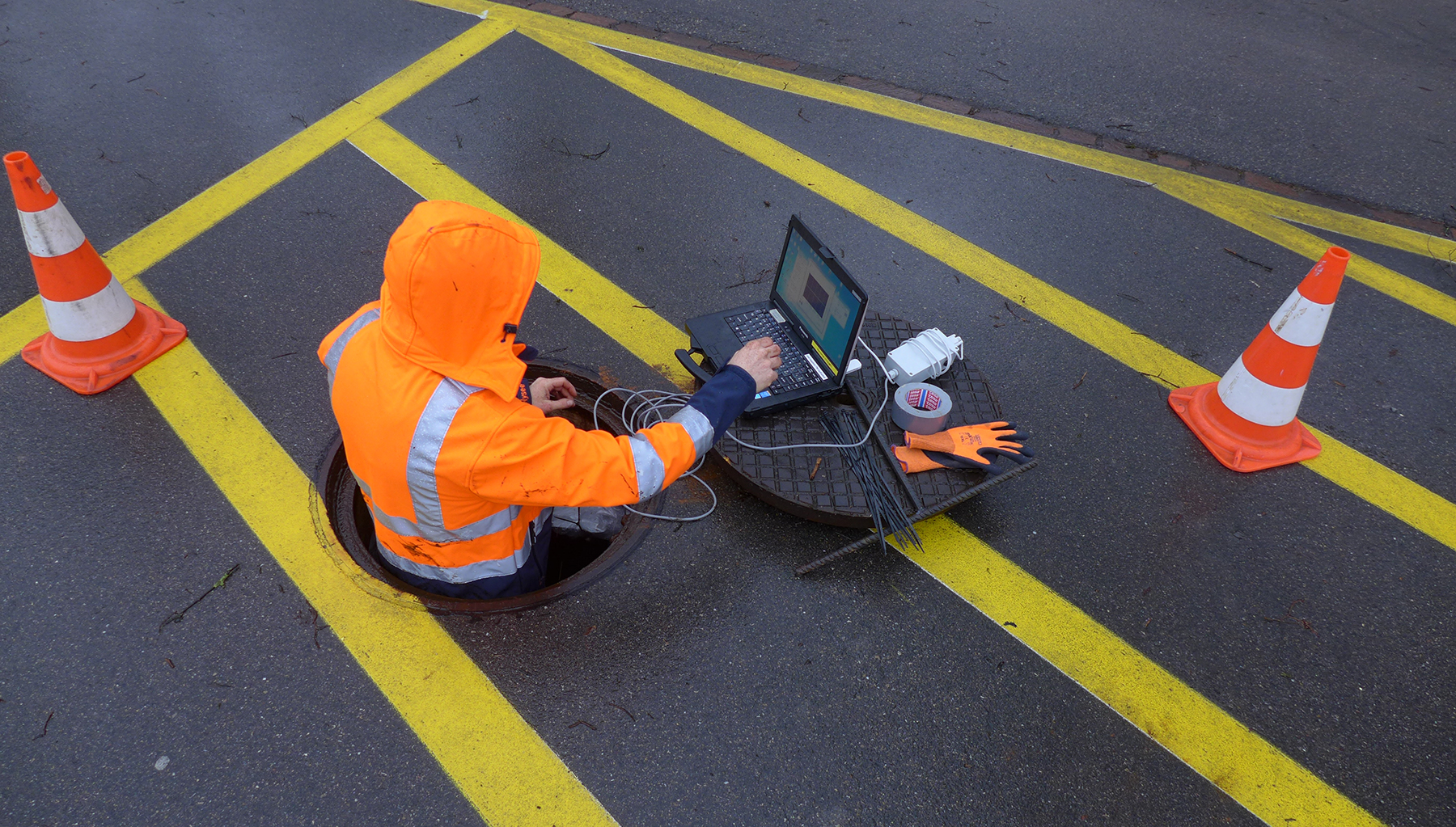
In Switzerland, around 50,000 km of public sewers and about 800 communal wastewater treatments plants (WWTPs) ensure that wastewater and rainwater are drained and treated before they enter bodies of water again. However, the system is constantly confronted with new challenges, such as micropollutants from household chemicals or pharmaceuticals, microplastics or antibiotic resistance. Increased heavy rainfall can also overload the sewage systems. With its research, Eawag is helping to continuously optimise the wastewater system so that the high quality of Swiss bodies of water can be maintained. It also operates its own experimental sewage treatment plant for this purpose.

Over-fertilisation and climate protection

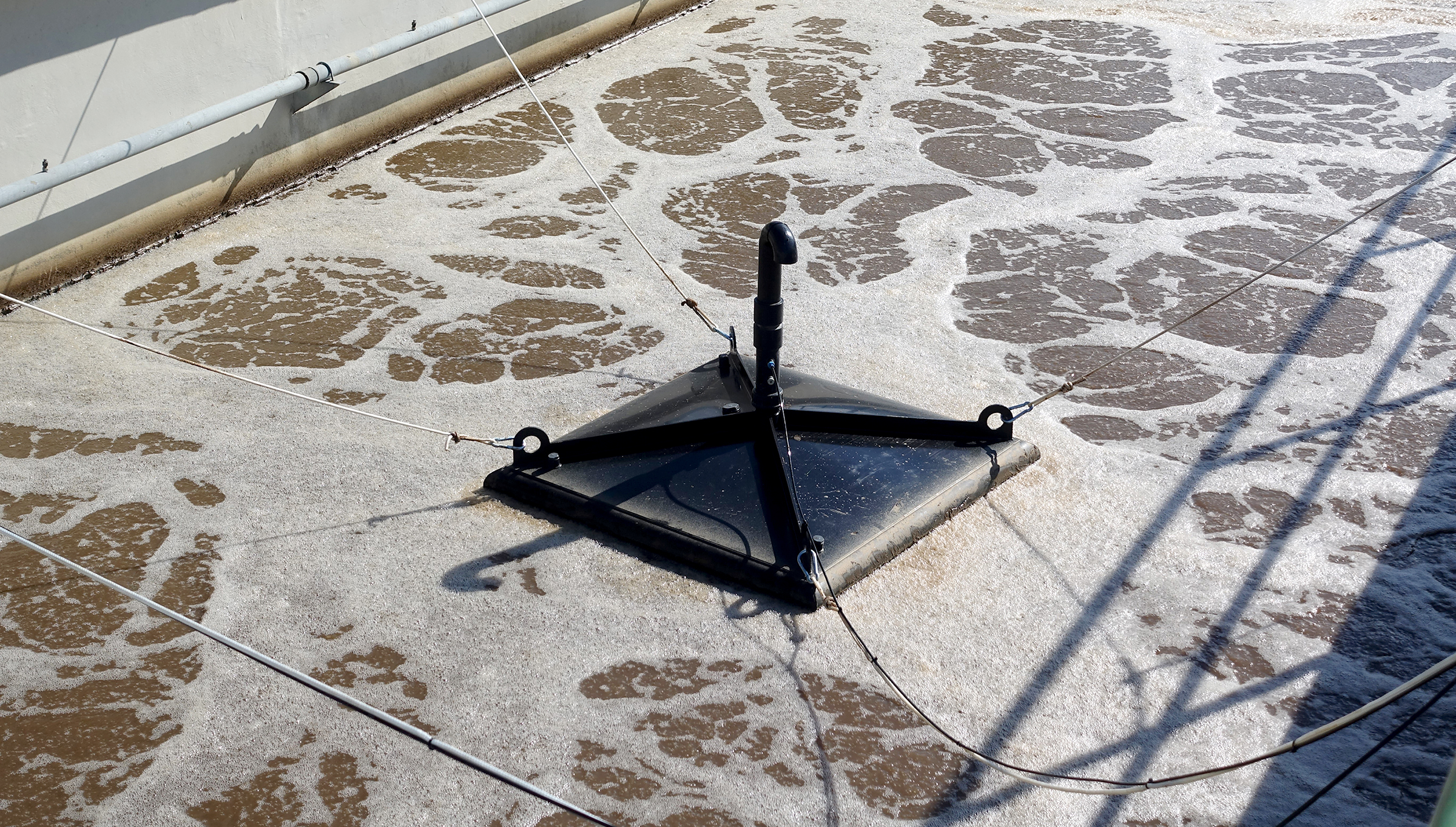
On average, wastewater treatment plants in Switzerland have to date only removed about half of the nitrogen contained in wastewater. The rest ends up in the bodies of water and contributes to over-fertilisation. However, some of the nitrogen also escapes into the air in the form of nitrous oxide. Nitrous oxide is one of the most significant greenhouse gases and also destroys the ozone layer. Eawag is therefore developing processes to quantify nitrogen leaks and make nitrogen removal more efficient and targeted.

Closing loops with decentralised systems

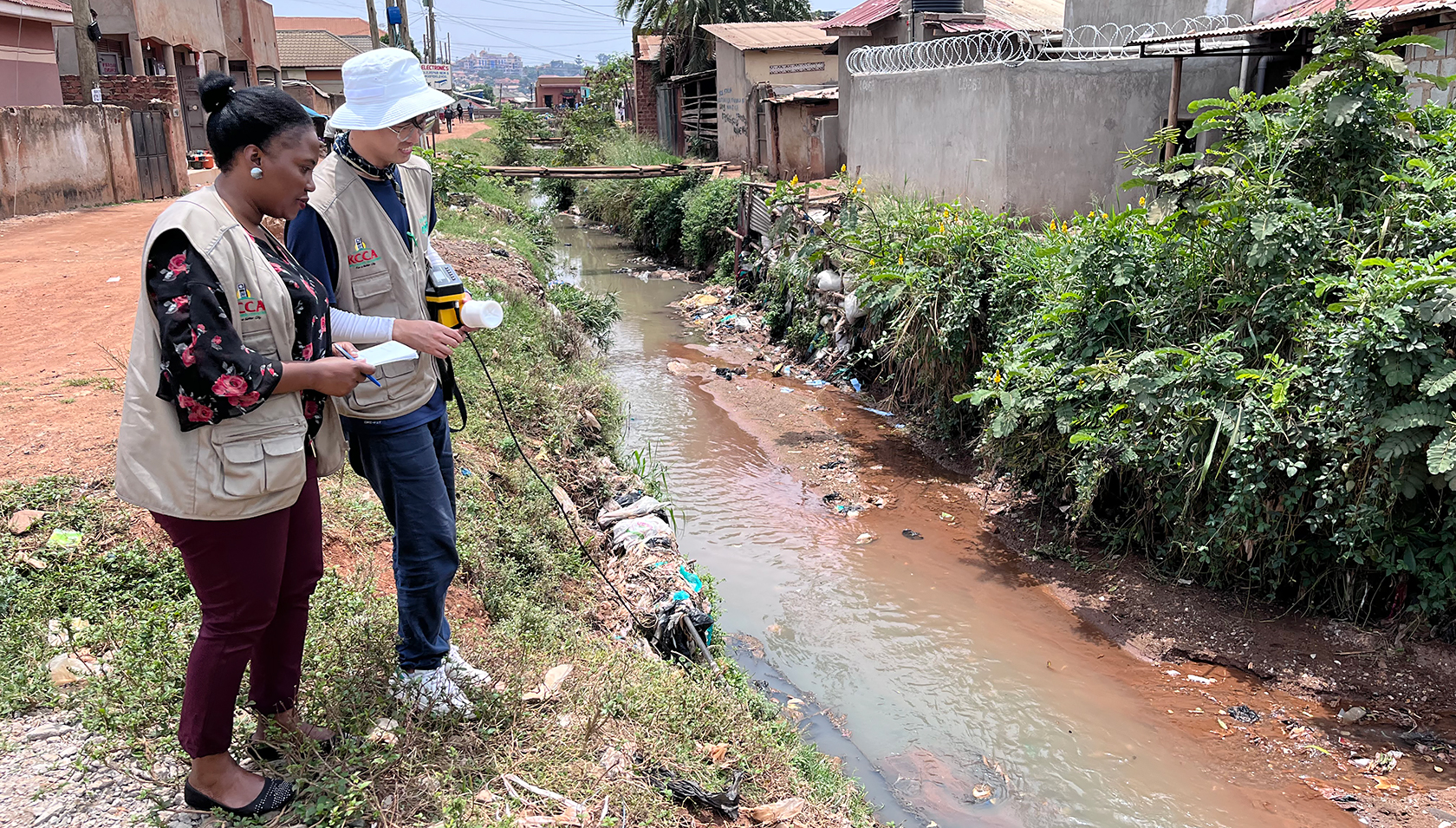
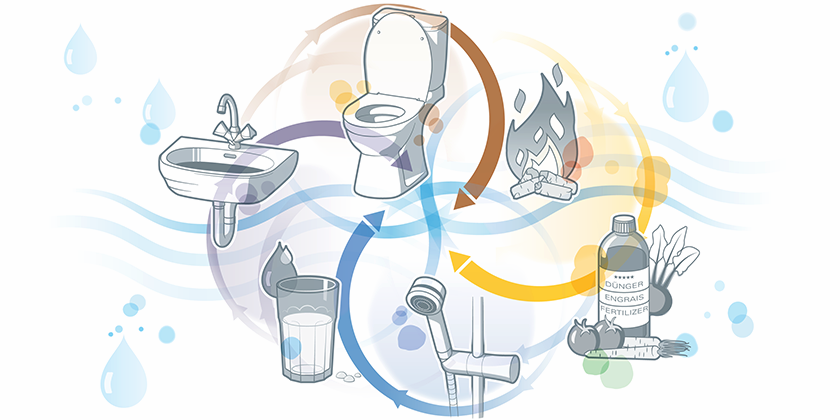
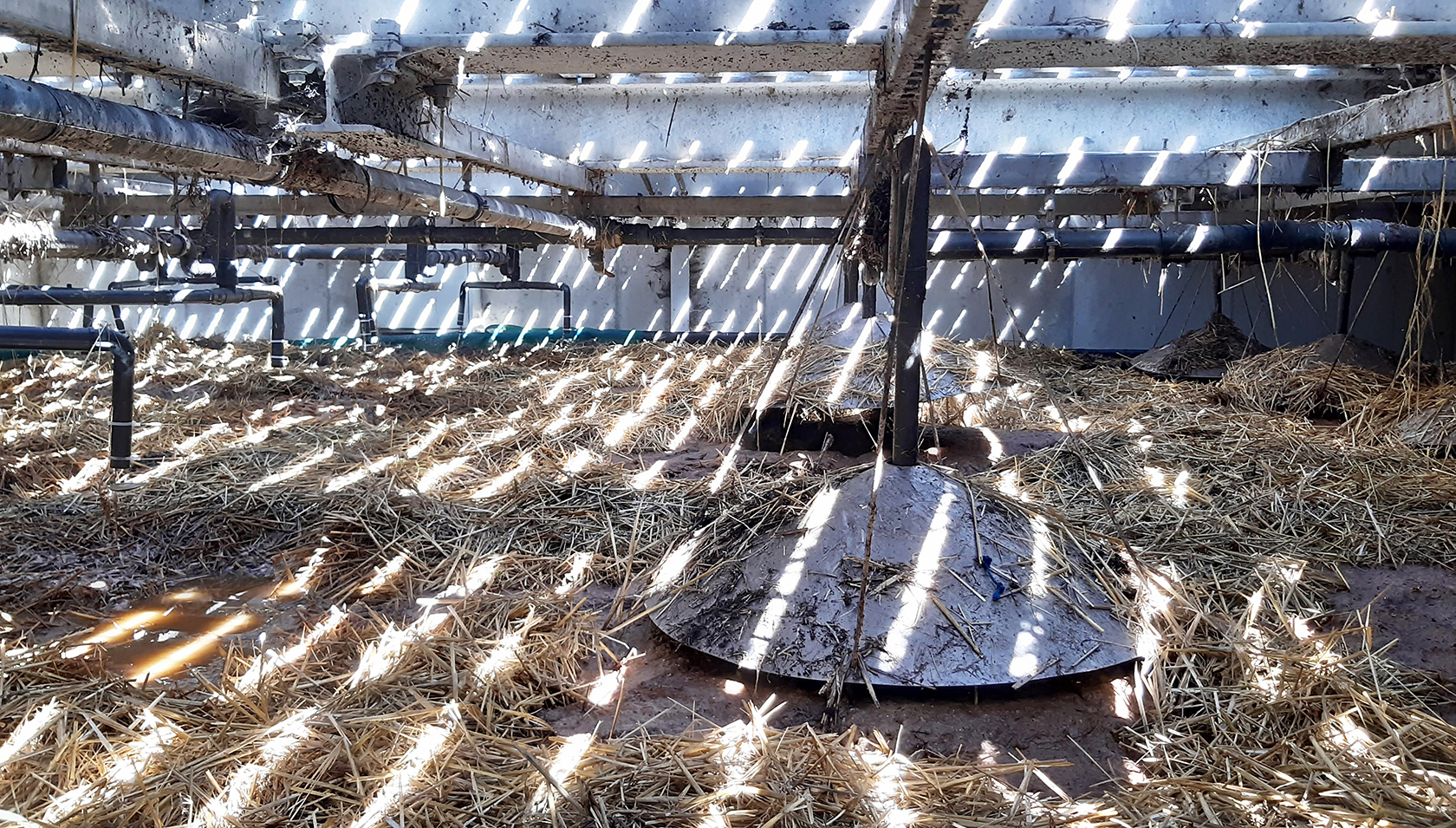
In the existing Swiss sewage system, urine, faeces and toilet paper are mixed and flushed away. This not only consumes a lot of water, but also makes it difficult to recover the valuable substances contained in the wastewater. Eawag is therefore researching new approaches in which the different wastewater streams are drained and treated separately. In this way, nutrients and energy can be recovered, and water can be saved and reused. Similar approaches can also be used in regions that are not connected to the water and sanitation network or where water is scarce. Eawag is developing technologies to enable the provision of good sanitation in such regions as well.

Monitoring infectious diseases and drug use

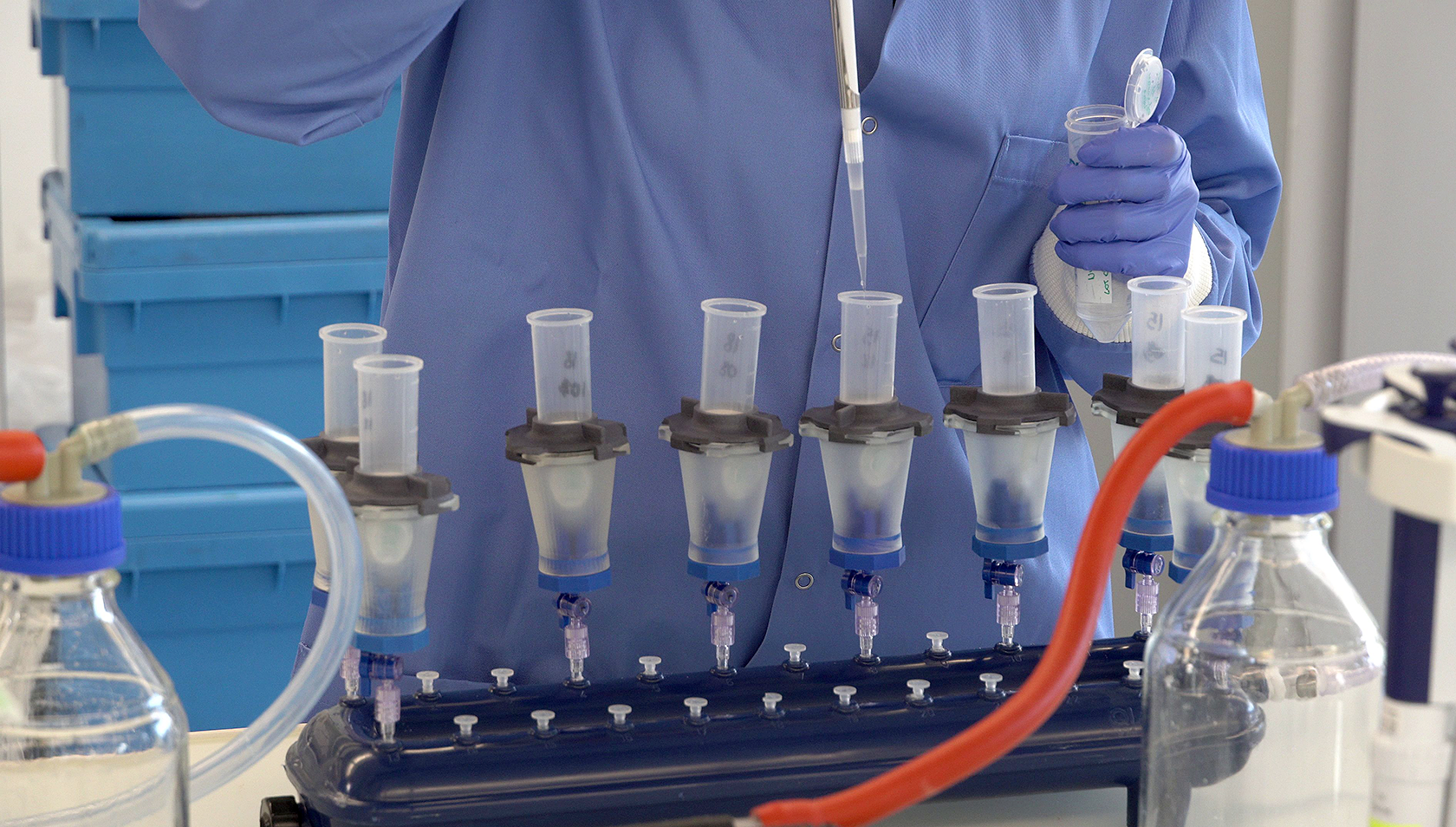
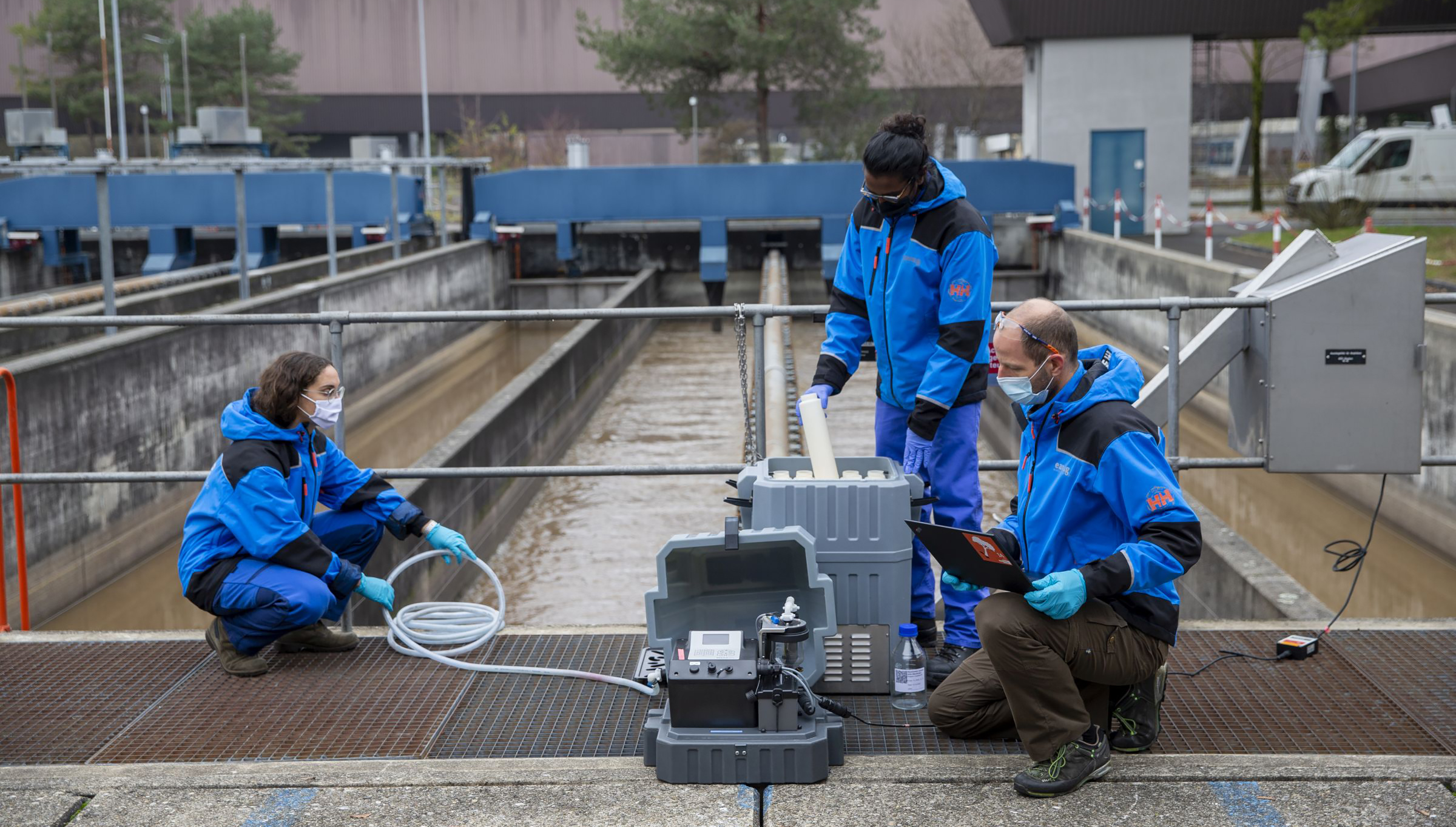
Wastewater is full of information about our health and consumption patterns. Thanks to these traces, it can be used, among other things, as an early warning system for the spread of infectious diseases. Eawag is working to extend the method it developed with partners for monitoring SARS-CoV-2 to other pathogens. Another Eawag project is concerned with the monitoring of addictive substances such as alcohol, drugs, medicines and tobacco in wastewater.

Research projects

Network

We work together with a wide variety of partners.

The FOEN Water Division is responsible for the protection of surface water, groundwater and drinking water.
Federal Office for the Environment (FOEN)

AWEL is a representative of all cantonal environmental or water protection agencies with which Eawag cooperates.

Office of Waste, Water, Energy and Air of the Canton of Zurich (AWEL)

The VSA is the Swiss professional organisation in the field of integral water management.

Swiss Water Association (VSA)

The FOPH is responsible for the protection of public health, health policy and the health system.

Federal Office of Public Health (FOPH)

The CoUDLab brings together European research and innovation activities and testing facilities on urban drainage systems.


CoUDLabs

Experts

Dr. Christian Binz
  • decentralized systems
  • innovation
  • global change
  • sustainable transitions
  • urban water management
Marc Böhler
  • wastewater treatment
  • activated carbon
  • micropollutants
  • ozonation
  • trace substance elimination
Dr. Helmut Bürgmann
  • antibiotic resistance
  • bacterioplankton
  • Microbiology
  • nutrients
  • surface water
Dr. Nicolas Derlon
  • wastewater
  • wastewater treatment
  • wastewater treatment plant
Prof. Dr. Juliane Hollender
  • Computational methods
  • biological degradation
  • bioaccumulation
  • groundwater
  • mass spectrometry
Dr. Adriano Joss
  • wastewater
  • micropollutants
  • ozonation
Prof. Dr. Joao Paulo Leitao
  • GIS
  • urban planning
  • modeling
  • Risk assessment
  • urban water management
PD Dr. Judit Lienert
  • decision analysis
  • public acceptability
  • sustainable water management
  • stakeholder participation
  • transdisciplinary research
Prof. Dr. Max Maurer
  • wastewater
  • decentralized technologies
  • sustainable water management
  • urban sanitation
  • urban water management
  • urine separation
Dr. Christa McArdell
  • activated carbon
  • wastewater treatment
  • mass fluxes
  • micropollutants
  • ozonation
Prof. Dr. Eberhard Morgenroth
  • wastewater
  • decentralized technologies
  • nutrients
  • urban water management
  • urban planning
  • urine separation
Dr. Lena Mutzner
  • modeling
  • water quality
  • micropollutants
  • monitoring
  • sustainable water management
Dr. Christoph Ort
  • wastewater
  • wastewater-based epidemiology
  • micropollutants
  • modeling
  • monitoring
Dr. Jörg Rieckermann
  • wastewater
  • modeling
  • urban water management
  • transdisciplinary research
Dr. Linda Strande
  • urban sanitation
  • climate change
  • resource recovery
  • decentralized systems
  • microbial ecology
Dr. Andreas Voegelin
  • arsenic
  • environmental geochemistry
  • trace elements
  • water resources
  • soils
Prof. Dr. Kai Udert
  • wastewater separation
  • decentralized technologies
  • nutrients
  • urine separation
  • resource recovery

Scientific publications

Extbase Variable Dump
array(3 items)
   publications => '34703,35350,34992' (17 chars)
   libraryUrl => '' (0 chars)
   layout => '1' (1 chars)
Extbase Variable Dump
array(3 items)
   0 => Snowflake\Publications\Domain\Model\Publicationprototypepersistent entity (uid=34703, pid=124)
      originalId => protected34703 (integer)
      authors => protected'Baumgartner, S.; Salvisberg, M.; Schmidhalter, P.; Julian,&nb
         sp;T. R.; Ort, C.; Singer, H.
' (120 chars) title => protected'Insights into respiratory illness at the population level through parallel a
         nalysis of pharmaceutical and viral markers in wastewater
' (133 chars) journal => protected'Nature Water' (12 chars) year => protected2025 (integer) volume => protected3 (integer) issue => protected'' (0 chars) startpage => protected'580' (3 chars) otherpage => protected'589' (3 chars) categories => protected'' (0 chars) description => protected'Wastewater as a medium contains information on both circulating pathogens an
         d drug consumption at the population level. This study combines tracking of
         respiratory viruses and quantification of pharmaceuticals as untargeted indi
         cators of symptoms related to acute respiratory infections and influenza-lik
         e illnesses such as coughing, fever and pain. From January 2021 to June 2024
         , raw wastewater samples from ten locations covering 23% of the Swiss popula
         tion were analysed. This encompassed 15 pharmaceuticals and four priority re
         spiratory viruses including severe acute respiratory syndrome coronavirus vi
         rus-2 (SARS-CoV-2), respiratory syncytial virus (RSV), influenza A and influ
         enza B viruses. The pharmaceutical compounds dextromethorphan, pheniramine,
         clarithromycin, acetaminophen and codeine showed a strong correlation with r
         espiratory virus loads in wastewater. This enabled the estimation of pathoge
         n-specific and cumulative symptom treatment in the population. In 2021 and 2
         024, notable increases in pharmaceutical loads without corresponding increas
         es in viral loads signalled high community symptoms linked to unsurveilled p
         athogens. This study demonstrates that pharmaceutical surveillance can infor
         m respiratory disease burden and highlights the value of integrated surveill
         ance for assessing emerging public health threats beyond those routinely mon
         itored.
' (1375 chars) serialnumber => protected'' (0 chars) doi => protected'10.1038/s44221-025-00437-4' (26 chars) uid => protected34703 (integer) _localizedUid => protected34703 (integer)modified _languageUid => protectedNULL _versionedUid => protected34703 (integer)modified pid => protected124 (integer)
1 => Snowflake\Publications\Domain\Model\Publicationprototypepersistent entity (uid=35350, pid=124) originalId => protected35350 (integer) authors => protected'Pitton, M.; McLeod, R. E.; Caduff, L.; Dauletova, A
         .; de Korne-Elenbaas, J.; Gan, C.; Hablützel, C.; Holschneid
         er, A.; Kang, S.; Loustalot, G.; Schmidhalter, P.; Schne
         ider, L.; Wettlauffer, A.; Yordanova, D.; Julian, T.&nbs
         p;R.; Ort, C.
' (322 chars) title => protected'A six-plex digital PCR assay for monitoring respiratory viruses in wastewate
         r
' (77 chars) journal => protected'Nature Water' (12 chars) year => protected2025 (integer) volume => protected3 (integer) issue => protected'' (0 chars) startpage => protected'1174' (4 chars) otherpage => protected'1186' (4 chars) categories => protected'' (0 chars) description => protected'Wastewater surveillance can track trends in multiple pathogens simultaneousl
         y by leveraging efficient laboratory processing. In Switzerland, wastewater
         surveillance of four respiratory pathogens is conducted at 14 locations repr
         esenting 2.3 million people. Trends in respiratory diseases are tracked usin
         g a six-plex digital PCR assay targeting influenza A, influenza B, respirato
         ry syncytial virus and SARS-CoV-2 N1 and N2 regions and murine hepatitis vir
         us for recovery efficiency control. Wastewater data were integrated with dis
         ease data from two reporting systems, and comparisons from July 2023 to July
          2024 showed strong agreement for most targets. Lower correspondence for inf
         luenza B highlighted challenges in tracking disease dynamics during seasons
         without pronounced outbreaks. Wastewater monitoring further revealed that ta
         rgeting N1 or N2 led to divergent estimates of SARS-CoV-2 loads, highlightin
         g the impact of mutations in assay target regions. The study emphasizes the
         importance of an integrated wastewater monitoring programme as a complementa
         ry tool for public health surveillance, demonstrating clear concordance with
          clinical data.
' (1155 chars) serialnumber => protected'' (0 chars) doi => protected'10.1038/s44221-025-00503-x' (26 chars) uid => protected35350 (integer) _localizedUid => protected35350 (integer)modified _languageUid => protectedNULL _versionedUid => protected35350 (integer)modified pid => protected124 (integer)
2 => Snowflake\Publications\Domain\Model\Publicationprototypepersistent entity (uid=34992, pid=124) originalId => protected34992 (integer) authors => protected'Ruan, C.; Vinod, D. P.; Johnson, D. R.' (63 chars) title => protected'Phage-mediated peripheral kill-the-winner facilitates the maintenance of cos
         tly antibiotic resistance
' (101 chars) journal => protected'Nature Communications' (21 chars) year => protected2025 (integer) volume => protected16 (integer) issue => protected'1' (1 chars) startpage => protected'5839 (13 pp.)' (13 chars) otherpage => protected'' (0 chars) categories => protected'' (0 chars) description => protected'The persistence of antibiotic resistant (AR) bacteria in the absence of anti
         biotic pressure raises a paradox regarding the fitness costs associated with
          antibiotic resistance. These fitness costs should slow the growth of AR bac
         teria and cause them to be displaced by faster-growing antibiotic sensitive
         (AS) counterparts. Yet, even in the absence of antibiotic pressure, slower-g
         rowing AR bacteria can persist for prolonged periods of time. Here, we demon
         strate a mechanism that can explain this apparent paradox. We hypothesize th
         at lytic phage can modulate bacterial spatial organization to facilitate the
          persistence of slower-growing AR bacteria. Using surface-associated growth
         experiments with the bacterium <em>Escherichia coli</em> in conjunction with
          individual-based computational simulations, we show that phage disproportio
         nately lyse the faster-growing AS counterpart cells located at the biomass p
         eriphery via a peripheral kill-the-winner dynamic. This enables the slower-g
         rowing AR cells to persist even when they are susceptible to the same phage.
          This phage-mediated selection is accompanied by enhanced bacterial diversit
         y, further emphasizing the role of phage in shaping the assembly and evoluti
         on of bacterial systems. The mechanism is potentially relevant for any antib
         iotic resistance genetic determinant and has tangible implications for the m
         anagement of bacterial populations via phage therapy.
' (1421 chars) serialnumber => protected'' (0 chars) doi => protected'10.1038/s41467-025-61055-y' (26 chars) uid => protected34992 (integer) _localizedUid => protected34992 (integer)modified _languageUid => protectedNULL _versionedUid => protected34992 (integer)modified pid => protected124 (integer)
Baumgartner, S.; Salvisberg, M.; Schmidhalter, P.; Julian, T. R.; Ort, C.; Singer, H. (2025) Insights into respiratory illness at the population level through parallel analysis of pharmaceutical and viral markers in wastewater, Nature Water, 3, 580-589, doi:10.1038/s44221-025-00437-4, Institutional Repository
Pitton, M.; McLeod, R. E.; Caduff, L.; Dauletova, A.; de Korne-Elenbaas, J.; Gan, C.; Hablützel, C.; Holschneider, A.; Kang, S.; Loustalot, G.; Schmidhalter, P.; Schneider, L.; Wettlauffer, A.; Yordanova, D.; Julian, T. R.; Ort, C. (2025) A six-plex digital PCR assay for monitoring respiratory viruses in wastewater, Nature Water, 3, 1174-1186, doi:10.1038/s44221-025-00503-x, Institutional Repository
Ruan, C.; Vinod, D. P.; Johnson, D. R. (2025) Phage-mediated peripheral kill-the-winner facilitates the maintenance of costly antibiotic resistance, Nature Communications, 16(1), 5839 (13 pp.), doi:10.1038/s41467-025-61055-y, Institutional Repository

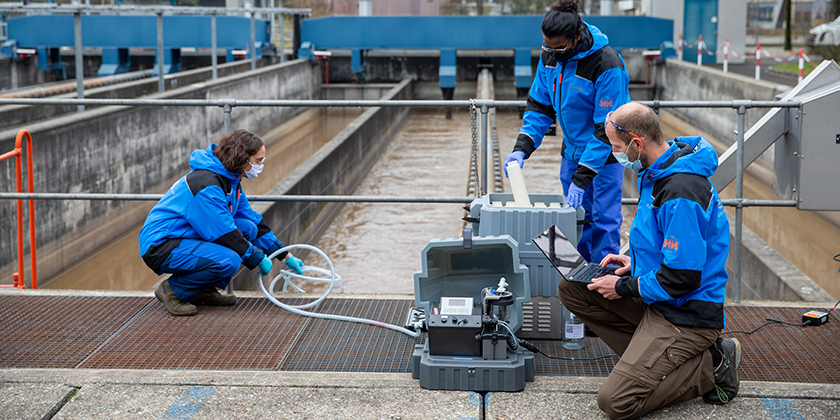
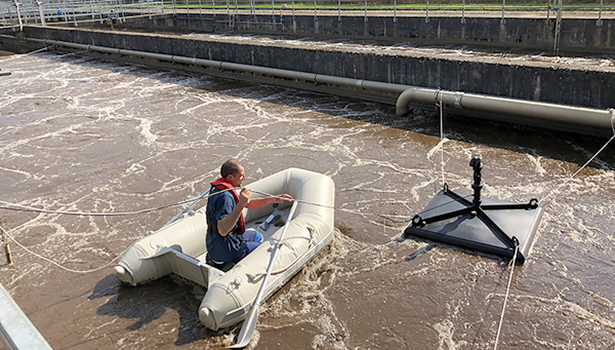
Cover picture: Eawag researchers collect wastewater samples at the Werdhölzli wastewater treatment plant in Zurich, which they later test for SARS-CoV2 in the laboratory
(Photo: Eawag, Esther Michel).