
News Detail
Continuation of wastewater monitoring secured
February 19, 2026 |
“Covid? That’s over now, though, isn’t it?” Researchers at the Swiss Federal Institute of Aquatic Science and Technology (Eawag) hear remarks like this all the time. But Corona is still here, and much has happened since then. That's why the team has expanded, now based in two new laboratories and has an expanded remit.
Not without reason: wastewater-based epidemiology (WBE) gained major momentum with the SARS-CoV-2 pandemic from 2020 onwards. From autumn 2020, Eawag and EPFL, and later numerous laboratories commissioned by the Federal Office of Public Health (FOPH), analysed wastewater samples from over 100 Swiss sewage treatment plants with a view to detecting coronaviruses.
The methodology and technical capabilities were steadily improved and expanded. Soon, the “wastewater portfolio” included flu viruses and the respiratory syncytial virus (RSV), which is particularly dangerous for infants. As Eawag has been detecting pharmaceutical residues and other substances in wastewater for over 20 years, it was an obvious step to integrate this form of substance monitoring into the programmes.
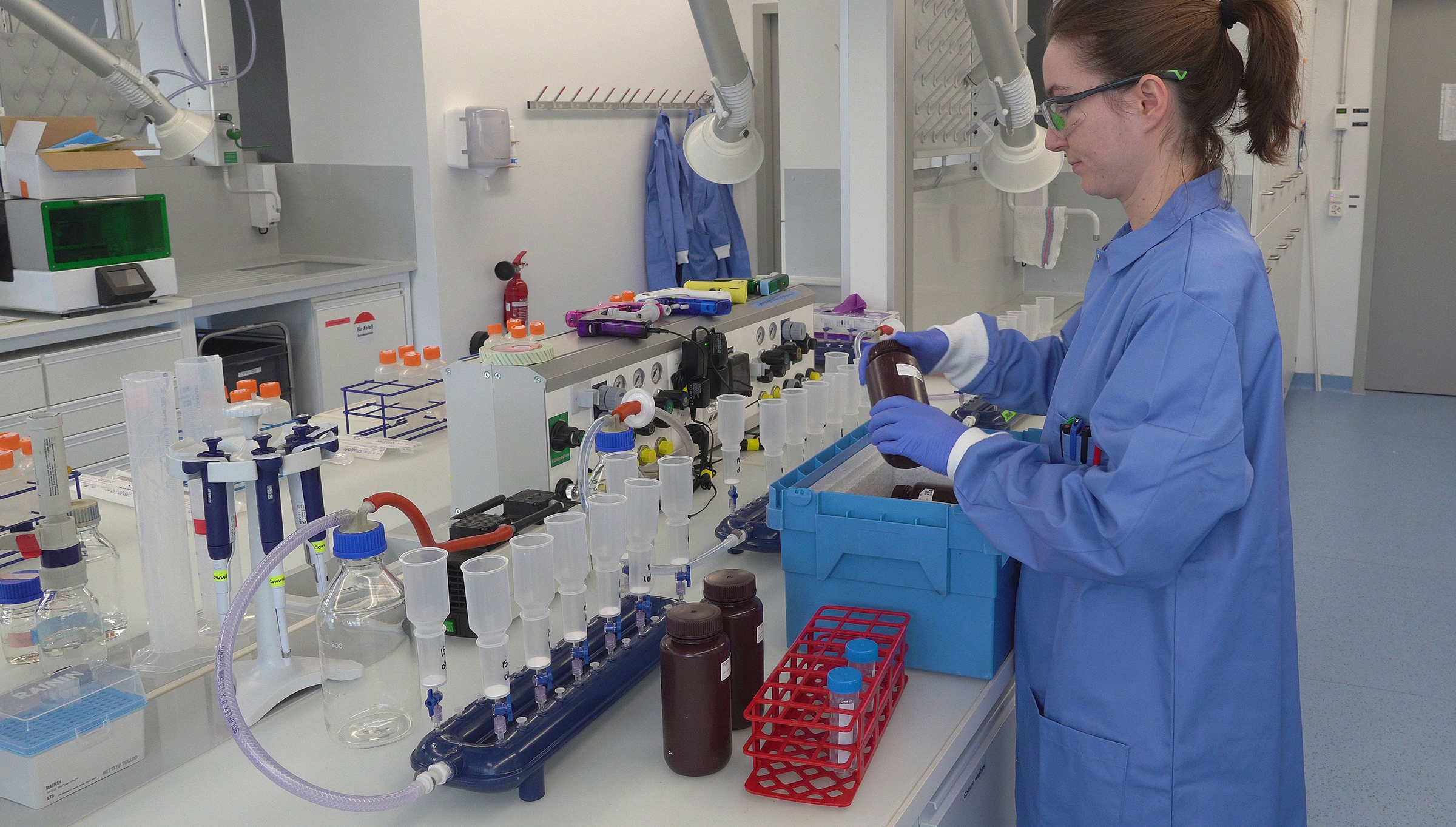
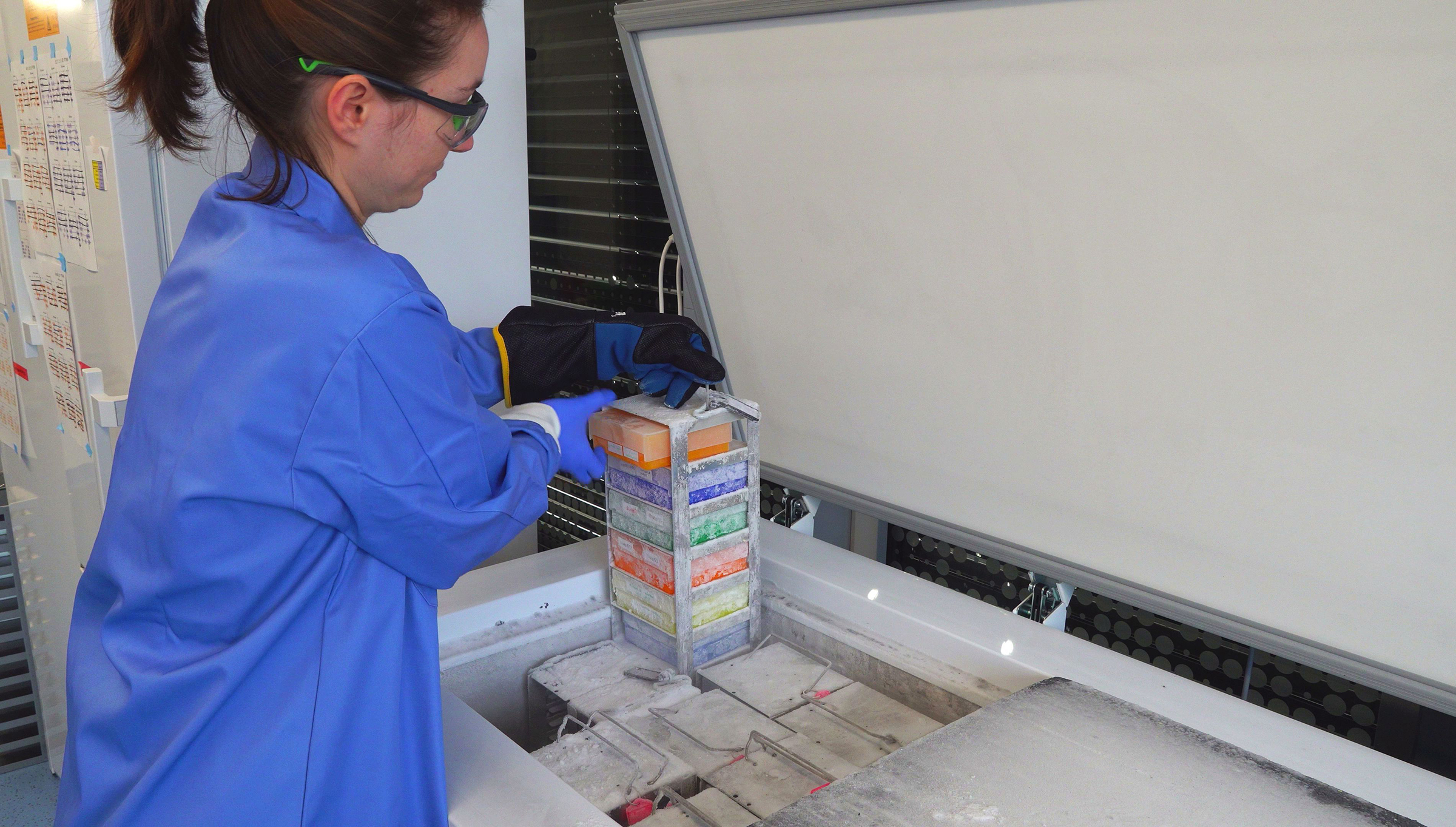
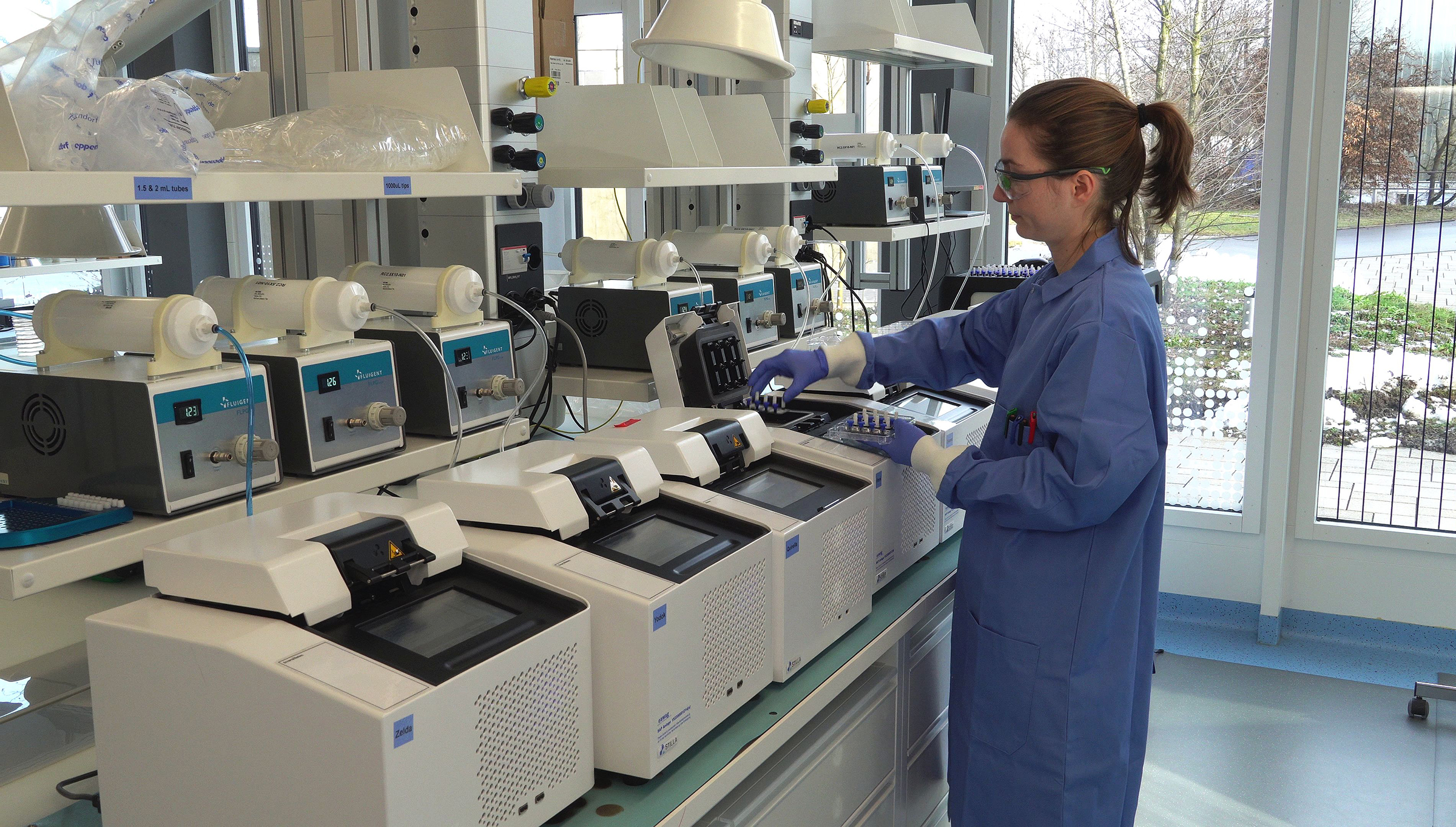
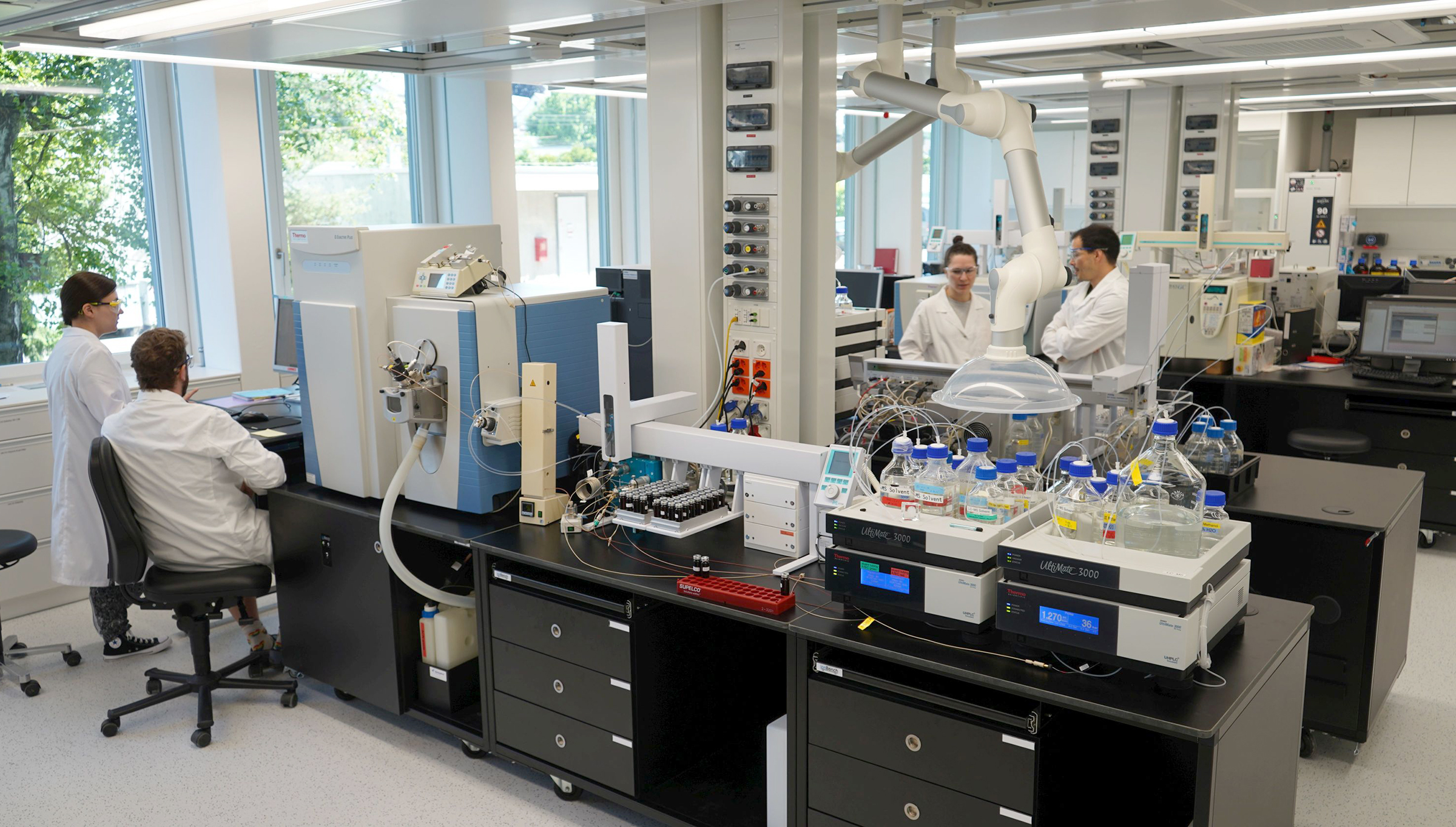
Left: Preparation of wastewater samples. Middle: Samples are stored in a freezer in case analyses have to be repeated or additional questions arise at a later stage. Right: Digital PCR instruments for the detection of viral RNA. (Images: Andri Bryner, Eawag)
Interdisciplinary collaboration
WBE is a highly interdisciplinary field of research. At Eawag, it is primarily experts from the three departments of Urban Water Management, Environmental Microbiology and Environmental Chemistry who are involved. This is complemented by collaboration with other bodies, such as the Computational Biology and Computational Evolution groups at ETH or the Laboratory of Environmental Virology at EPFL.
Since the summer of 2023, the number of wastewater treatment plants where wastewater is tested for pathogens has been reduced, with all wastewater analysis now conducted centrally at Eawag in Dübendorf. At present, ten wastewater treatment plants across Switzerland are included in the programme, from Geneva to St Gallen and from Lugano to Basel. Altogether, this covers the wastewater of almost two million people, or around 20 per cent of the population. Recent advances such as digital PCR instruments for the detection of viral RNA, along with the development of multiplex tests enabling the simultaneous analysis of multiple viruses, have further enhanced the efficiency of the method and improved the comparability of results.
National Reference Centre
As of early 2026, Eawag is now the official National Reference Centre for Wastewater Monitoring (NRAM) as part of a collaboration that is set to run for ten years. As Head of the Department of Urban Water Management, Christoph Ort coordinates the projects together with Tim Julian from the Department of Environmental Microbiology. “This is a big step for us,” says Ort. “By institutionalising the monitoring, we can stay on top of developments and, should another pandemic emerge, be far better prepared and trained than we were in spring 2020.” Moreover, closer collaboration opens up opportunities to work with specialist units to expand the virus portfolio and address emerging questions more rapidly. One example is the sudden outbreak of monkeypox in 2022.
Simon Ming, press spokesperson at the FOPH says: “The collaboration with Eawag is key to establishing and maintaining national wastewater monitoring over the long term. It provides a meaningful complement to our existing systems for pathogen surveillance and the analysis of substances related to pharmaceutical and illicit drug use. With its scientific expertise and strong cross-disciplinary networks, Eawag plays a crucial role in ensuring that wastewater monitoring delivers valuable insights for protecting public health.”
In principle, wastewater monitoring with just a small number of samples can help to reliably track the spatial and temporal circulation of specific viruses, to detect the appearance of new variants at an early stage and to efficiently plan and implement protective measures for the population. Christoph Ort sees another advantage in the fact that Eawag and its partners are now responsible for the programme on a long-term basis: the longer the data time series become, and the more opportunities there are to compare chemical and microbiological data, the greater the insights into relationships that cannot be derived from short measurement campaigns.
National trends for SARS-CoV-2 and influenza A and B
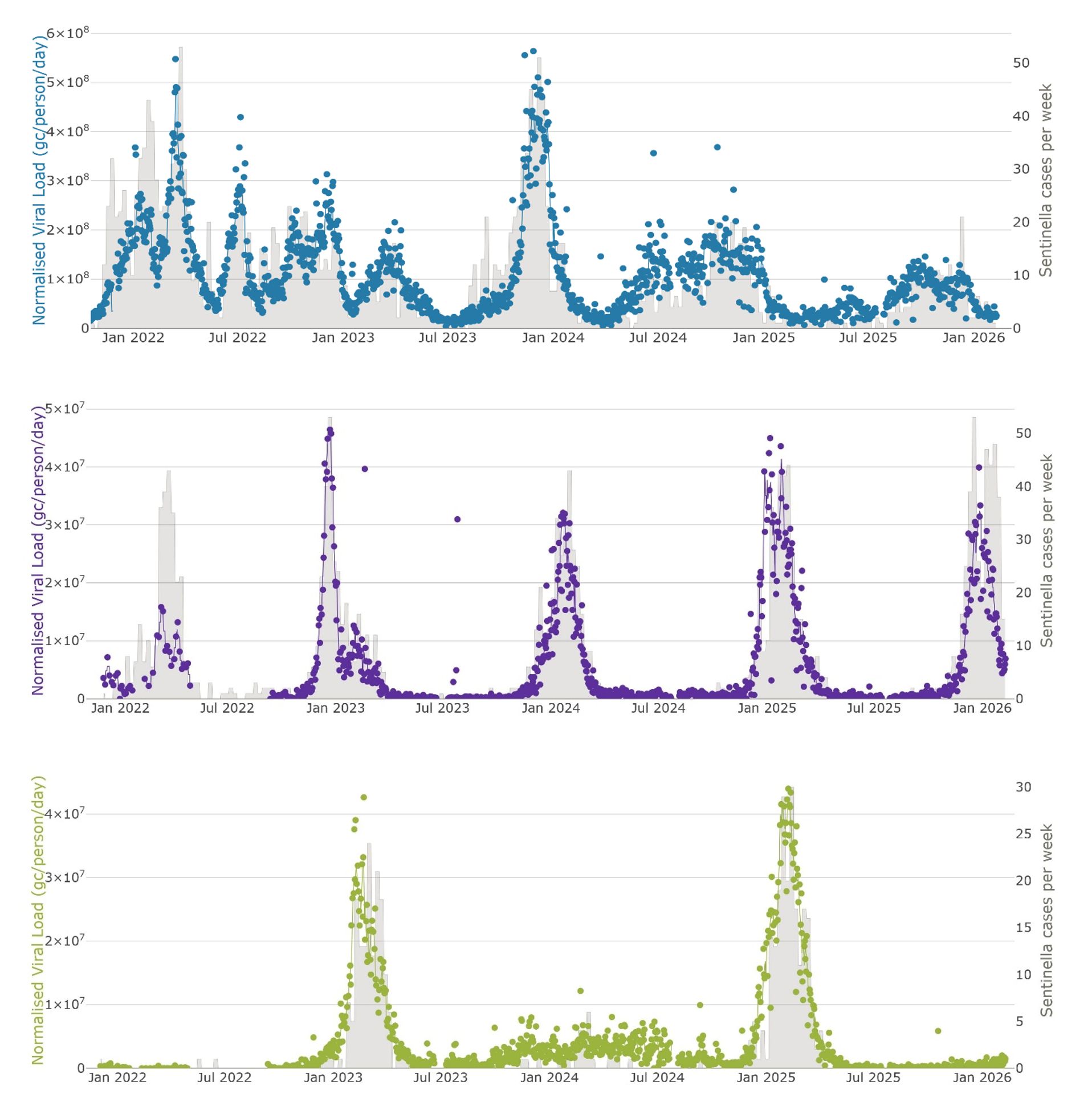
SARS-CoV-2 (top, blue), influenza A (middle, purple) and influenza B (bottom, green). Variation in the quantities of RNA of the respective viruses in Swiss wastewater from around 2 million people. In grey are the cases confirmed by the Sentinella reporting system. One can clearly see the flu waves in winter and that influenza B evidently almost failed to materialise in winter 2024 and winter 2026. Graphs from the data portal https://wise.ethz.ch/ ).
Combining wastewater and substance monitoring opens up new opportunities
Following a successful pilot project, the FOPH and Eawag have signed a contract for the continuation of substance monitoring via wastewater analyses as part of the “Strategy on Addiction and the Prevention of Non-communicable Diseases”. Running until the end of 2029, the investigation of wastewater for substances related to pharmaceutical and illicit drug use is intended to deliver new insights into legal and non-medical substance consumption and the health status of the population. Data published on the DroMedArio data portal includes that for the first two quarters of 2025 from the project “DroMedArio II” – short for “Drugs, Medicaments, Alcohol and Tobacco Residues: Wastewater-based epidemiology in Switzerland” – for the same ten Swiss cities whose wastewater is tested for pathogens. Of particular interest to experts, especially in the field of preventive healthcare, are the graphs of those substances for which no – or only unreliable – sales figures are available. “Wastewater doesn’t lie”: analysing wastewater data makes it possible to identify patterns and detect increases or decreases in consumption across society. Wastewater monitoring thus supports observations from other sources (e.g. the police and the Drug Information Centre) regarding the distribution of individual substances, such as the increase in ketamine. The extent to which this can be attributed to medical use as opposed to substance misuse has to be clarified in more detail using consumption figures and additional data.
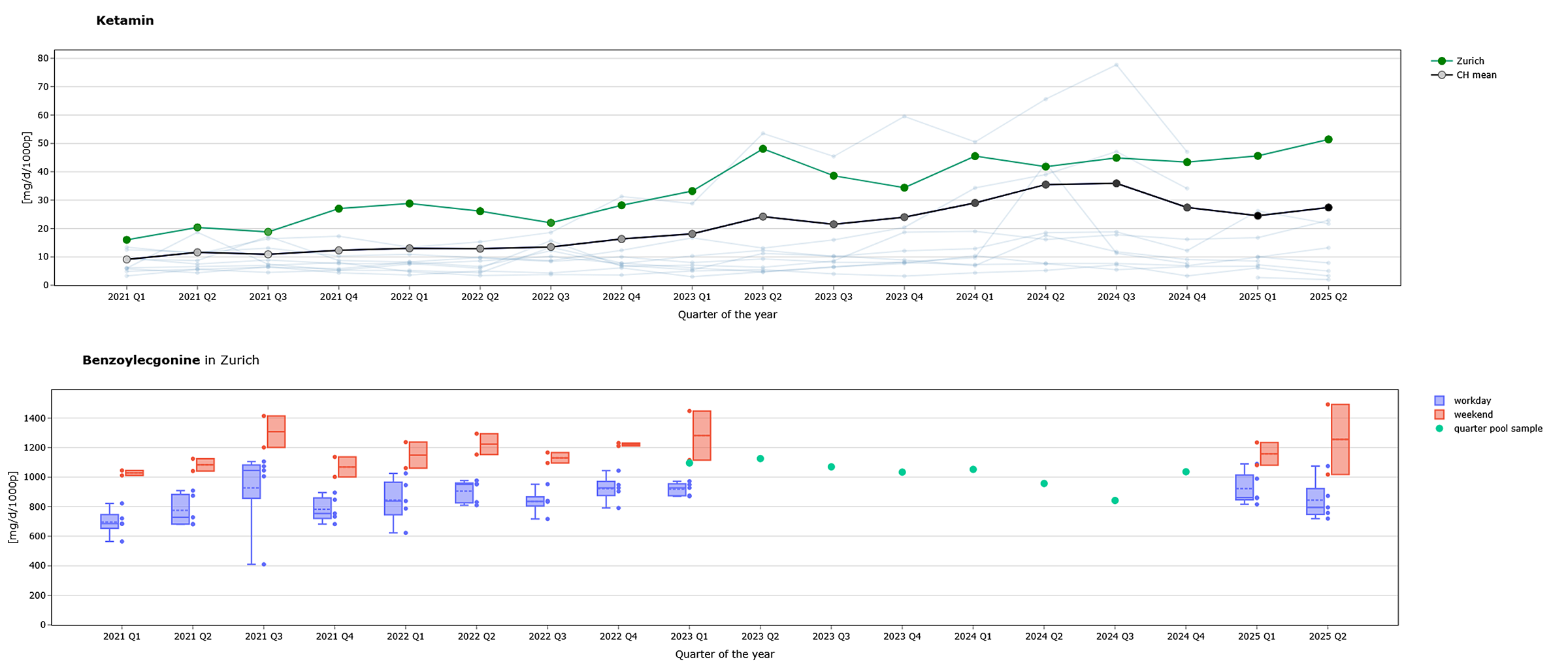
Top: The wastewater shows a rise in ketamine consumption and that Zurich (green) is above average for the ten Swiss cities (black). Bottom: Variation in levels of benzoylecgonine, the main metabolite following consumption of cocaine, in Zurich’s wastewater. The higher values at weekends can be clearly seen. (Graphs from https://dromedario.ch)
The combination of chemical and microbiological analysis of wastewater opens up new opportunities. For example, if a sharp increase in a cough medicine is detected in wastewater, this may indicate an emerging illness and symptoms within the population, even before rising numbers of severe cases are reported by GP practices or hospitals.
Not the wastewater police
Despite institutionalisation and the introduction of certain routine processes, wastewater monitoring at Eawag remains a research project. Indeed, new questions are always being asked — for example, whether it might be possible to develop a technology that would allow analyses of the same quality to be carried out automatically and directly at wastewater treatment plants. Greater visibility has also led to a growing number of enquiries from public authorities and from practitioners, such as medical staff in hospitals. The WBE team assists with these questions as far as possible. “What we are definitely not is the wastewater police,” says Ort. For example, he says that Eawag will not be carrying out measurement campaigns at schools in order to monitor cannabis consumption among pupils.
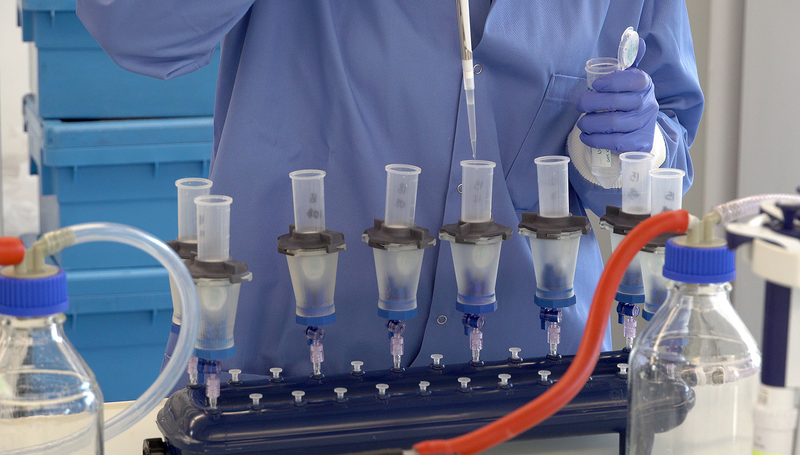
Cover picture: Preparation of wastewater samples for virus monitoring at Eawag (Eawag, Andri Bryner)
Original article
Conforti, S., Pitton, M. et al (2025). Integrated analyses of longitudinal trends of antibiotic-resistant bacteria in wastewater, clinical resistance data, and antibiotic consumption in Switzerland. Preprint on medrxiv: https://www.medrxiv.org/content/10.1101/2025.11.22.25340789v1
further publications wise / publications
Funding and cooperation
Eawag, FOPH, ETH, EPFL; with many thanks also to all participating wastewater treatment plants that provided samples