Biodiversity

Understanding and preserving the dynamics of biodiversity

Human intervention is causing biodiversity in aquatic environments to decline even more severely than on land. We explore the diversity of nature to better understand how species emerge and how they become extinct. Based on this, we can determine which tools can be used to protect biodiversity.

Loss of aquatic biodiversity

Rivers, lakes and groundwater are closely linked to the way humans live. Our actions have a strong influence on these habitats. Consequently, while water bodies are among the richest ecosystems in the world in terms of species, they are also particularly endangered. According to the Red List of the International Union for Conservation of Nature (IUCN), updated in 2022, one third of freshwater animal species are threatened with extinction. This not only affects the adaptability of water ecosystems to climate change. We humans also lose an important source of food, clean drinking water and protection against floods.

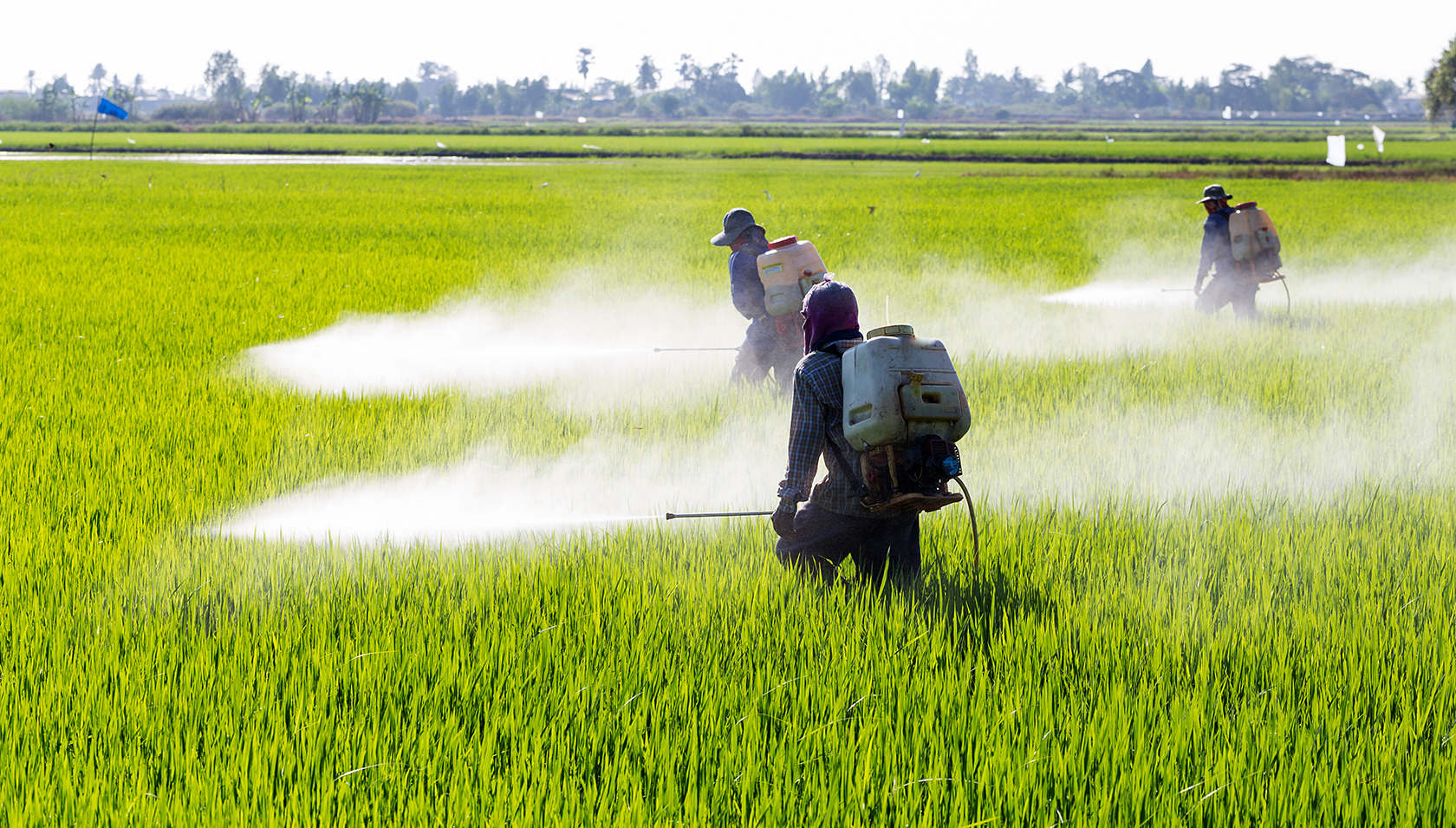
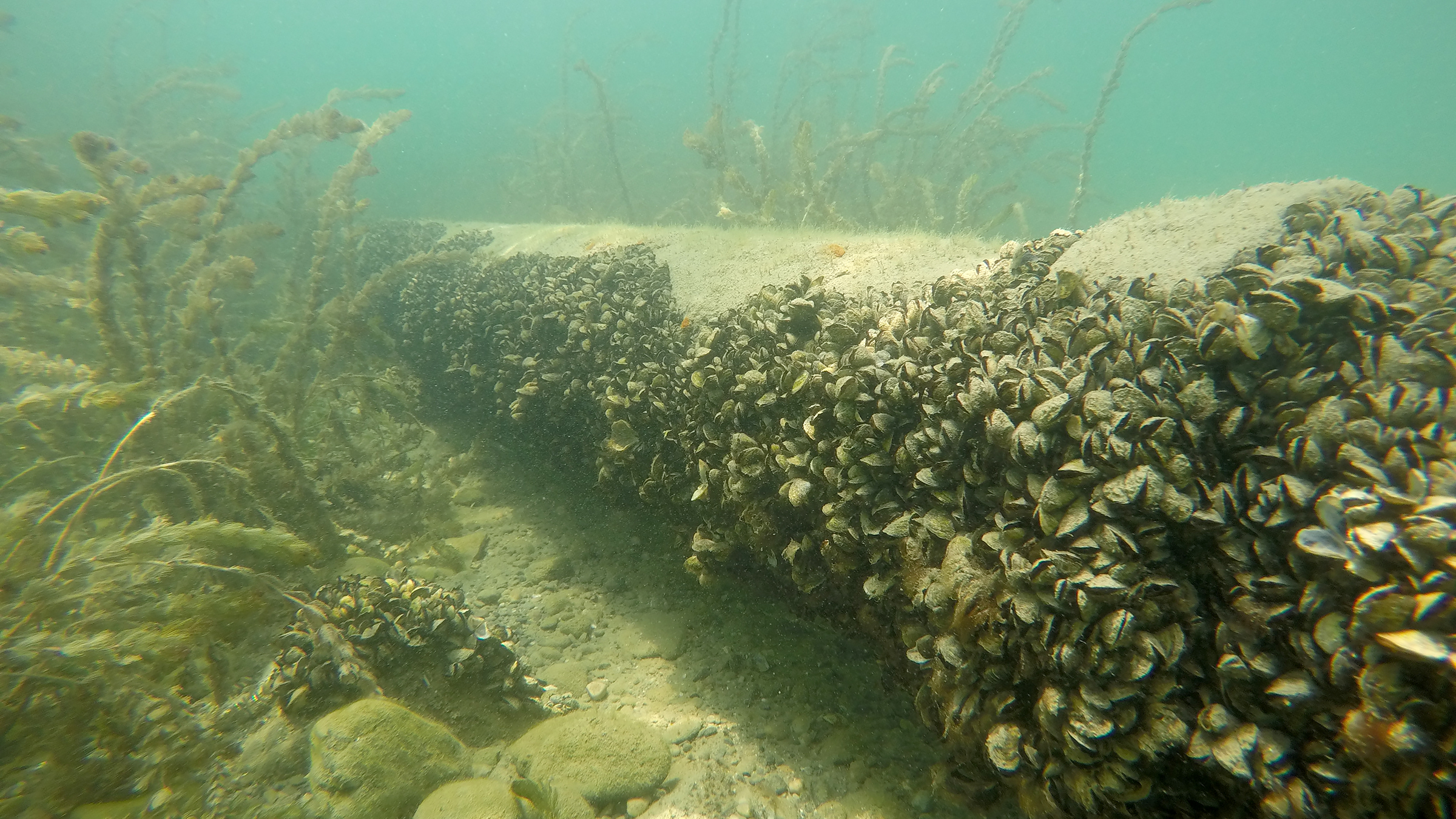
Changes in land and water use reduce the natural habitat of water. For example, floodplains and marshes are drained, banks are blocked and rivers are used for energy production. Bodies of water are polluted by fertilisers, pesticides and other micropollutants. In addition, there are other factors, such as climate change and imported invasive species. All of this causes or accelerates the loss of species.

Eawag researches biodiversity

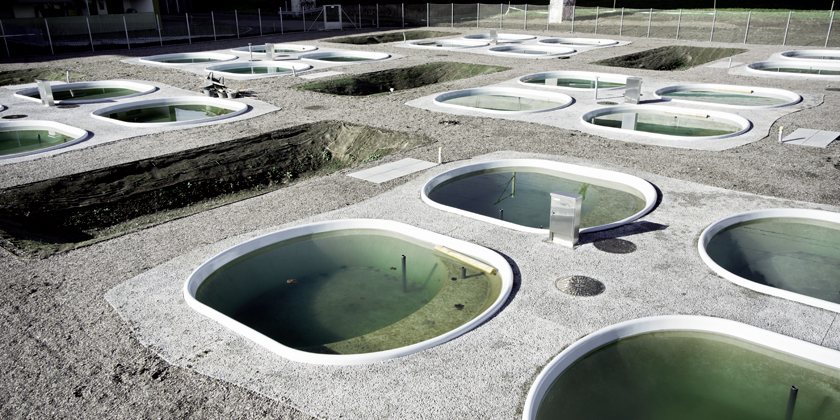
Freshwater ecosystems and their biodiversity are even less well studied than those on land or in the sea.

Eawag researchers:

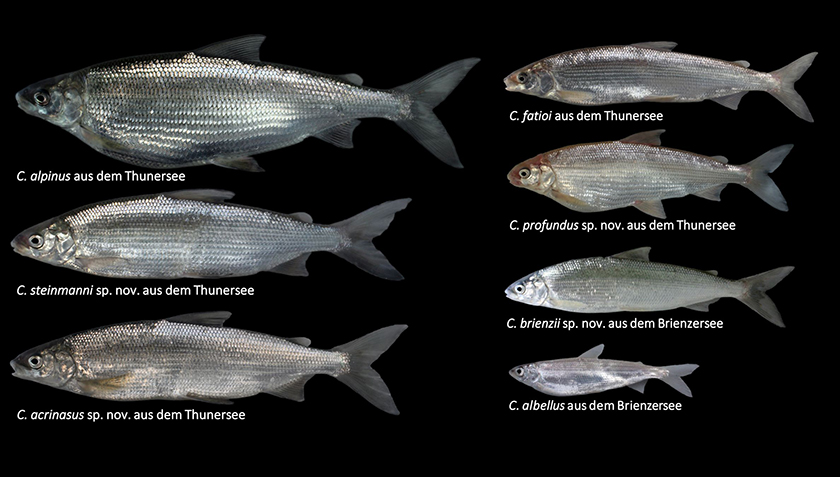
  • document what biodiversity can be found where and how it is developing,
  • link knowledge about biodiversity in water and on land,
  • investigate the connections between biodiversity and the services provided by ecosystems,
  • explore which societal processes promote or endanger biodiversity,
  • develop methods for monitoring biodiversity,
  • provide data and tools for use to address the decline in biodiversity and its consequences,
  • pass on current scientific findings in practical courses and practice-oriented projects,
  • provide training for students and junior researchers on the topic of biodiversity.

Experts from engineering and the natural and social sciences work hand in hand at Eawag.
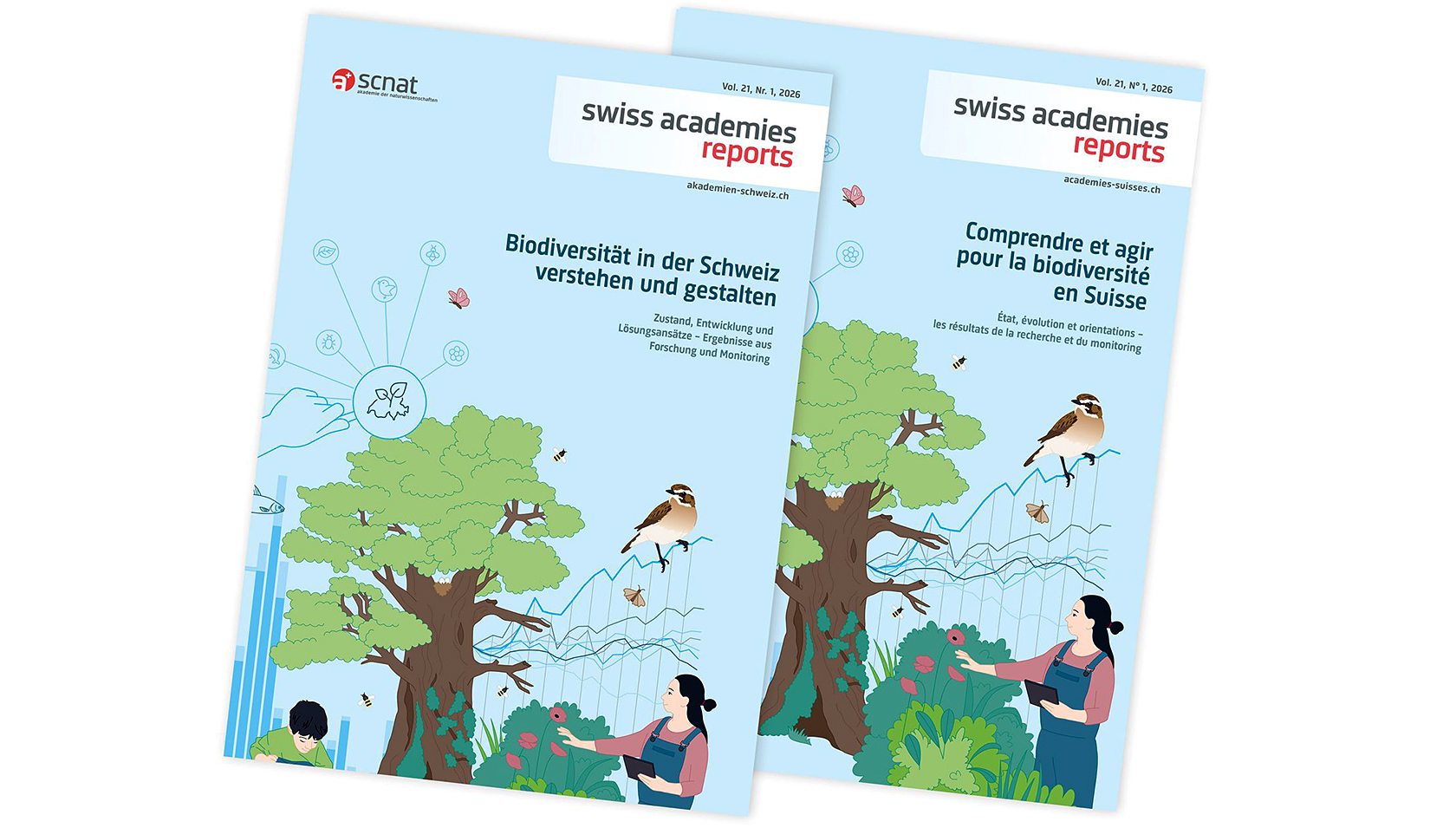
Publications for practice

Network

We work together with a wide variety of partners.
The Federal Government is taking measures at various levels to preserve and promote biodiversity.

Federal Office for the Environment FOEN

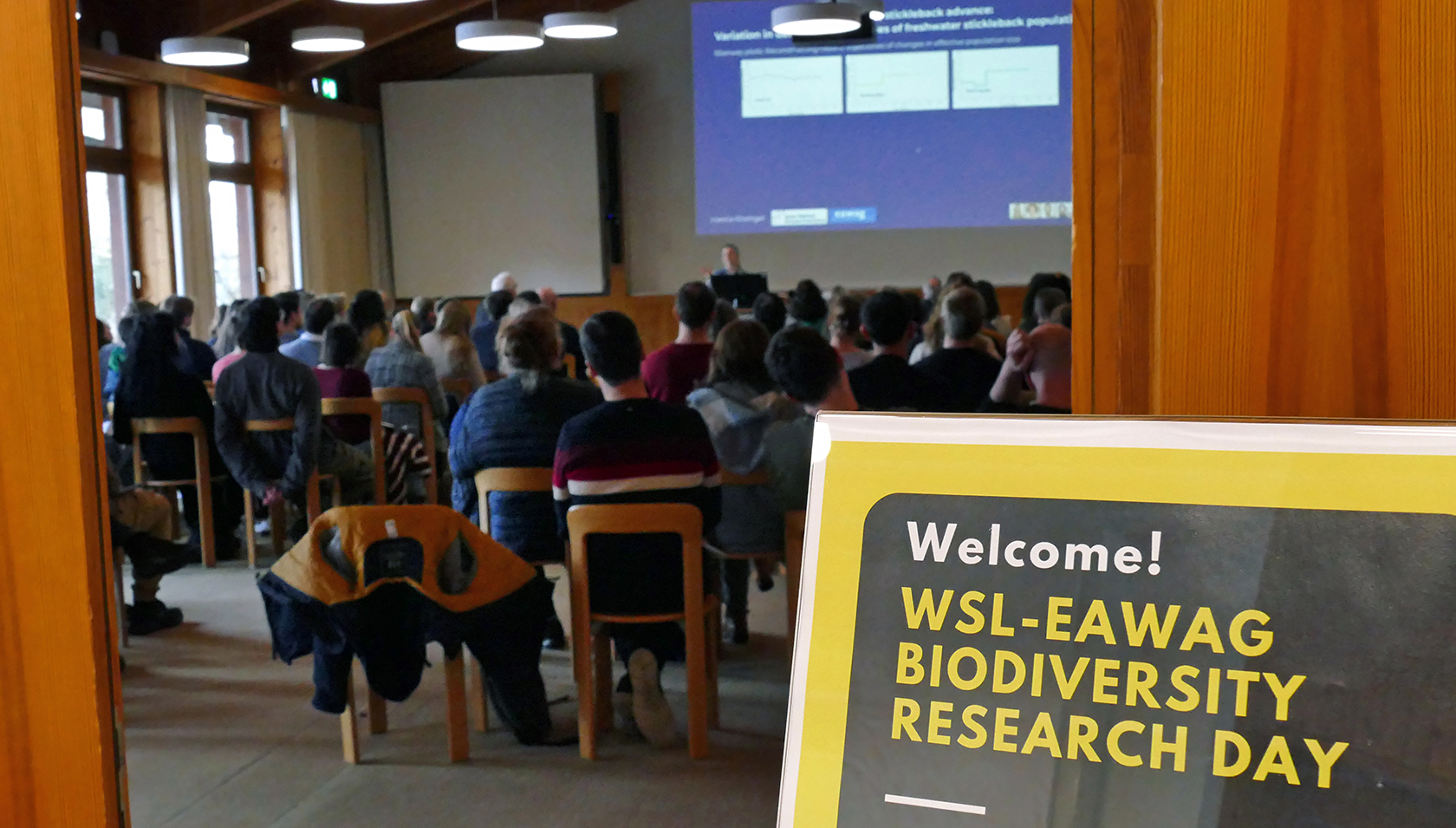
The event regularly brings together researchers from all disciplines with experts and social players.

World Biodiversity Forum

Biodiversity Monitoring Switzerland surveys the development of species diversity of selected plant and animal species.

Biodiversity Monitoring Switzerland

The scientific competence centre of the Academy of Natural Sciences is committed to the study of biodiversity.

Swiss Biodiversity Forum

The permanent exhibition “Cabinet of Curiosities” houses a unique fish collection and dates back to 1871.


Naturhistorisches Museum Bern

Experts

Prof. Dr. Martin Ackermann
  • bacteria
  • genetics
  • antibiotics
  • resistances
  • evolution
  • ecology
Prof. Dr. Florian Altermatt
  • biodiversity
  • genetics
  • modeling
  • ecology
  • Ecosystems
Dr. Jakob Brodersen
  • isotopes
  • ecology
Dr. Helmut Bürgmann
  • antibiotic resistance
  • bacterioplankton
  • Microbiology
  • nutrients
  • surface water
Dr. Lauren Cook
  • planning of infrastructure
  • climate change
  • modeling
  • sustainable water management
  • urban water management
Dr. Philine Feulner
  • evolution
  • fish
  • genetics
  • comparative genomics
Dr. David Johnson
  • biodiversity
  • Microbiology
  • ecology
  • Evolutionary ecology
  • evolution
Dr. Marissa Kosnik
  • computational methods
  • data science
  • ecotoxicology
  • transdisciplinary research
Dr. Blake Matthews
  • biodiversity
  • plankton
  • evolution
  • Ecosystems
Dr. Carlos Melian
  • biodiversity
  • modeling
  • ecology
Dr. Helen Moor
  • ecology
  • modeling
  • biodiversity
  • wetlands
Dr. Francesco Pomati
  • algae
  • biodiversity
  • ecology
  • plankton
  • ecotoxicology
Dr. Serina Robinson
  • Microbiology
  • biotransformation
  • Metagenomics
  • pharmaceuticals
  • biodegradation
Dr. Nele Schuwirth
  • aquatic ecology
  • decision analysis
  • modeling
  • multiple stressors
  • transdisciplinary research
Prof. Dr. Ole Seehausen
  • fish
  • genetics
  • ecology
  • evolution
PD Dr. Piet Spaak
  • plankton
  • sediments
Dr. Cornelia Twining
  • ecology
  • evolution
  • climate change
  • rivers
  • fatty acids
Prof. Dr. Christoph Vorburger
  • biodiversity
  • genetics
  • ecology
  • evolution
Dr. Alexandra Anh-Thu Weber
  • evolution
  • genetics
  • ecology
  • Environmental change
  • comparative genomics
Dr. Christine Weber
  • river restoration
  • ecology

Scientific publications
Extbase Variable Dump
array(3 items)
   publications => '34990,34150,35240' (17 chars)
   libraryUrl => 'https://www.dora.lib4ri.ch/eawag/islandora/search?f[0]=mods_name_personal_na
      meIdentifier_organizational%5C%20unit%5C%20id_ms%3A%22eawag%5C-units%5C%3A34
      %22
' (155 chars) layout => '1' (1 chars)
Extbase Variable Dump
array(3 items)
   0 => Snowflake\Publications\Domain\Model\Publicationprototypepersistent entity (uid=34990, pid=124)
      originalId => protected34990 (integer)
      authors => protected'Monclús, L.; Arp, H. P. H.; Groh, K. J.; Falt
         ynkova, A.; Løseth, M. E.; Muncke, J.; Wang, Z.; W
         olf, R.; Zimmermann, L.; Wagner, M.
' (202 chars) title => protected'Mapping the chemical complexity of plastics' (43 chars) journal => protected'Nature' (6 chars) year => protected2025 (integer) volume => protected643 (integer) issue => protected'8071' (4 chars) startpage => protected'349' (3 chars) otherpage => protected'355' (3 chars) categories => protected'' (0 chars) description => protected'Plastic pollution is a pervasive and growing global problem. Chemicals in pl
         astics are often not sufficiently considered in the overall strategy to prev
         ent and mitigate the impacts of plastics on human health, the environment an
         d circular economy. Here we present an inventory of 16,325 known plastic che
         micals with a focus on their properties, presence in plastic and hazards. We
          find that diverse chemical structures serve a small set of functions, inclu
         ding 5,776 additives, 3,498 processing aids, 1,975 starting substances and 1
         ,788 non-intentionally added substances. Using a hazard-based approach, we i
         dentify more than 4,200 chemicals of concern, which are persistent, bioaccum
         ulative, mobile or toxic. We also determine 15 priority groups of chemicals,
          for which more than 40% of their members are of concern. Finally, we examin
         e data gaps regarding the basic properties, hazards, uses and exposure poten
         tial of plastic chemicals. Our work maps the chemical landscape of plastics
         and contributes to setting the baseline for a transition towards safer and m
         ore sustainable materials and products. We propose that removing known chemi
         cals of concern, disclosing the chemical composition and simplifying the for
         mulation of plastics can provide pathways towards this goal.
' (1276 chars) serialnumber => protected'0028-0836' (9 chars) doi => protected'10.1038/s41586-025-09184-8' (26 chars) uid => protected34990 (integer) _localizedUid => protected34990 (integer)modified _languageUid => protectedNULL _versionedUid => protected34990 (integer)modified pid => protected124 (integer)
1 => Snowflake\Publications\Domain\Model\Publicationprototypepersistent entity (uid=34150, pid=124) originalId => protected34150 (integer) authors => protected'Furrer, V.; Junghans, M.; Singer, H.; Ort, C.' (65 chars) title => protected'Realistic exposure scenarios in combined sewer overflows: how temporal resol
         ution and selection of micropollutants impact risk assessment
' (137 chars) journal => protected'Water Research' (14 chars) year => protected2025 (integer) volume => protected278 (integer) issue => protected'' (0 chars) startpage => protected'123318 (9 pp.)' (14 chars) otherpage => protected'' (0 chars) categories => protected'chemical risk assessment; acute ecotoxicity; temporal dynamics; urban draina
         ge; aquatic ecosystems; real exposure scenarios
' (123 chars) description => protected'Organic micropollutants in combined sewer overflows (CSOs) pose a potential
         risk to aquatic ecosystems. Previous studies mainly reported event mean conc
         entrations (EMCs) and often focused on a small number of substances. This st
         udy presents realistic exposure scenarios using high-temporal resolution (10
         -minute) data from 24 events at two CSO sites. We analyzed 49 dissolved orga
         nic micropollutants for all events and 198 for four events, including pharma
         ceuticals, pesticides, and road-related compounds, of which we detected 83 s
         ubstances at least once. From these, we assessed the mixed chemical risk by
         applying acute quality criteria and evaluated how the risk assessment outcom
         e changes for two aspects: temporal resolution and selection of substances.
         Our results reveal that total risk quotients (RQ<sub>tot</sub>) can vary gre
         atly within CSO events, with 10-minute data capturing peak concentrations th
         at are missed with EMCs. Using EMCs underestimates the maximum RQ<sub>tot</s
         ub> of an event by a median factor of 4.9, up to a maximum factor of 6.9. Wh
         en comparing a selection of 20 substances from the Swiss Waters Protection O
         rdinance to a broader list of 49 substances commonly detected at CSOs and a
         comprehensive list of 198 substances, the estimated RQ<sub>tot</sub> increas
         es between 1.1 to 2.3-fold. RQ<sub>tot</sub> values exceed the threshold of
         1 in 75 % of the events, requiring further dilution in the receiving water b
         ody. All three pollutant classes (pharma, pesticide, road) drive the total r
         isk, and no specific phase during overflow events consistently poses higher
         risk than other phases, which challenges the design of effective mitigation
         measures. Furthermore, the exposure scenarios presented here offer essential
          input for future ecotoxicological research as they reveal high short-term f
         luctuations in RQ<sub>tot</sub> whose ecological significance is still large
         ly unknown.
' (1911 chars) serialnumber => protected'0043-1354' (9 chars) doi => protected'10.1016/j.watres.2025.123318' (28 chars) uid => protected34150 (integer) _localizedUid => protected34150 (integer)modified _languageUid => protectedNULL _versionedUid => protected34150 (integer)modified pid => protected124 (integer)
2 => Snowflake\Publications\Domain\Model\Publicationprototypepersistent entity (uid=35240, pid=124) originalId => protected35240 (integer) authors => protected'Li,&nbsp;K.-Y.; Covatti,&nbsp;G.; Podgorski,&nbsp;J.; Berg,&nbsp;M.' (67 chars) title => protected'Distribution of geogenic arsenic in European topsoil and potential concerns
         for food safety
' (91 chars) journal => protected'Journal of Hazardous Materials' (30 chars) year => protected2025 (integer) volume => protected497 (integer) issue => protected'' (0 chars) startpage => protected'139523 (11 pp.)' (15 chars) otherpage => protected'' (0 chars) categories => protected'geogenic arsenic; spatial prediction; machine learning; food safety; environ
         mental; hazard; soil contamination
' (110 chars) description => protected'Arsenic (As) is naturally present in trace amounts in most soils and poses a
          public health risk when elevated in topsoil due to potential accumulation i
         n agricultural products. Europe has several regions with natural As enrichme
         nt in soils, but since soil analyses are limited to individual soil samples,
          information on the spatial distribution has been lacking. This study uses e
         xpert-based machine learning to create a high-resolution map of As exceeding
          20 mg/kg in European topsoil based on ∼4100 data points of the Geochemi
         cal Mapping of Agricultural and Grazing Land Soil in Europe (GEMAS) dataset
         and 15 environmental variables. The resulting pan-European probability map d
         elineates areas with high soil arsenic concentrations due to natural process
         es. The study finds that 11.7 % of grassland and 3.9 % of cropland in Eu
         rope have arsenic levels above this threshold, with France, Spain, the Weste
         rn Balkans, and mountain areas most affected. Commonly grown crops in these
         areas include wheat, maize, rapeseed, and fodder crops. Our research links e
         levated arsenic levels to areas with low soil water erosion. SHapley Additiv
         e exPlanations (SHAP) analysis was used to identify key predictors, which ma
         y also be relevant in other regions globally. The high-resolution As map off
         ers valuable insights for agricultural and health professionals and policy-m
         akers.
' (1374 chars) serialnumber => protected'0304-3894' (9 chars) doi => protected'10.1016/j.jhazmat.2025.139523' (29 chars) uid => protected35240 (integer) _localizedUid => protected35240 (integer)modified _languageUid => protectedNULL _versionedUid => protected35240 (integer)modified pid => protected124 (integer)
Monclús, L.; Arp, H. P. H.; Groh, K. J.; Faltynkova, A.; Løseth, M. E.; Muncke, J.; Wang, Z.; Wolf, R.; Zimmermann, L.; Wagner, M. (2025) Mapping the chemical complexity of plastics, Nature, 643(8071), 349-355, doi:10.1038/s41586-025-09184-8, Institutional Repository
Furrer, V.; Junghans, M.; Singer, H.; Ort, C. (2025) Realistic exposure scenarios in combined sewer overflows: how temporal resolution and selection of micropollutants impact risk assessment, Water Research, 278, 123318 (9 pp.), doi:10.1016/j.watres.2025.123318, Institutional Repository
Li, K.-Y.; Covatti, G.; Podgorski, J.; Berg, M. (2025) Distribution of geogenic arsenic in European topsoil and potential concerns for food safety, Journal of Hazardous Materials, 497, 139523 (11 pp.), doi:10.1016/j.jhazmat.2025.139523, Institutional Repository

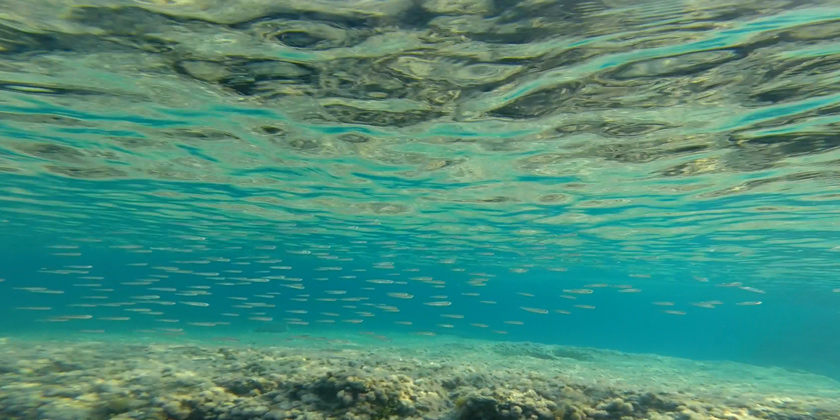
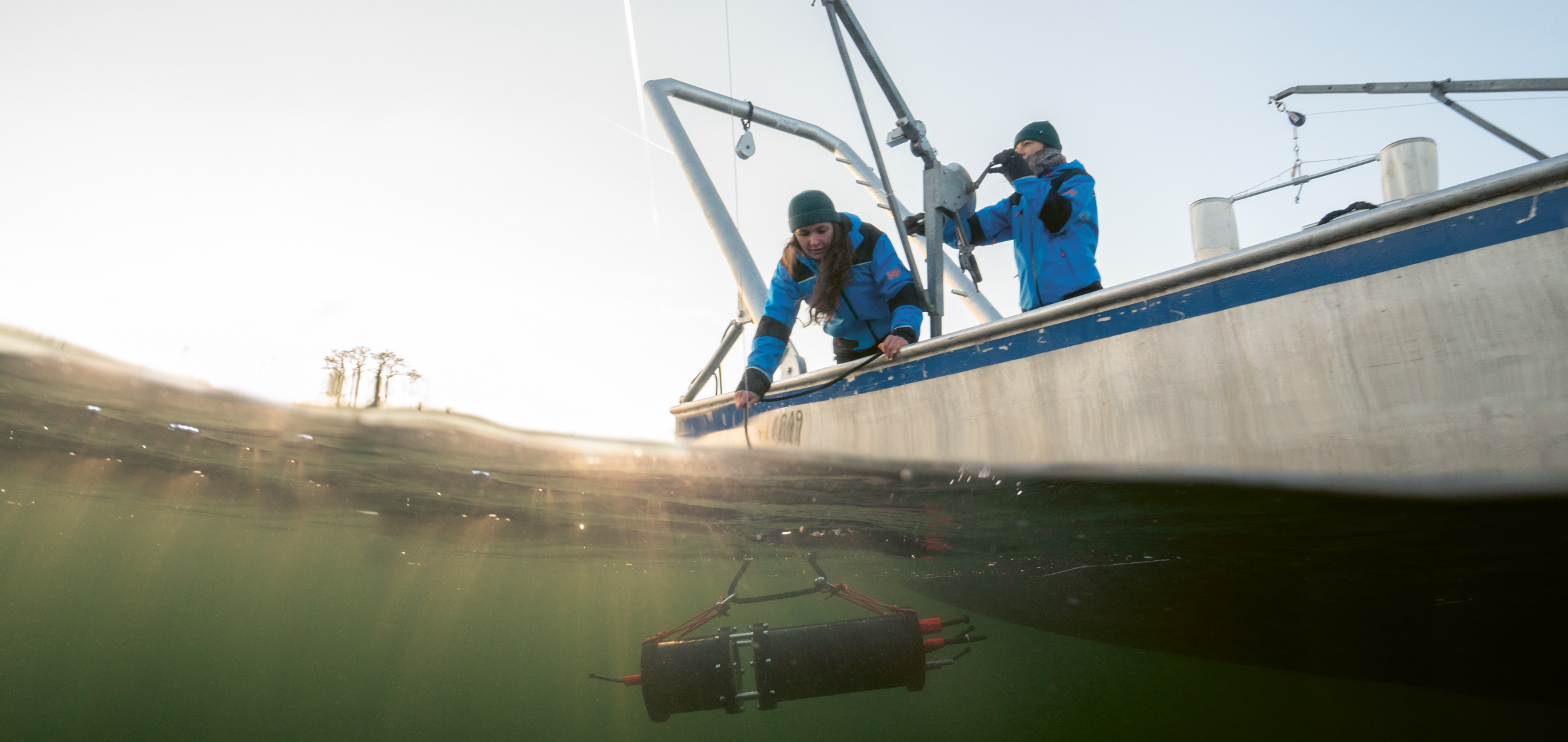
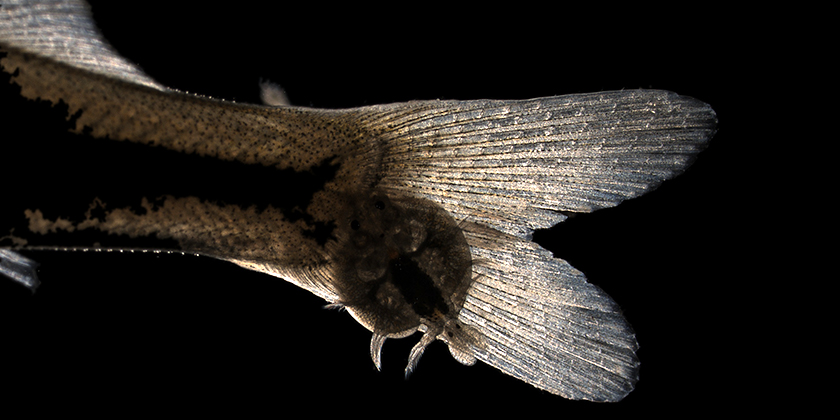
Cover picture: Eawag researchers Ewa Merz and Thea Kozakiewicz during field work on Lake Greifen (Zurich). The underwater camera Aquascope captures the tiny living organisms in Lake Greifen in real time (Photo: Eawag, Jonas Steiner).