
News Detail
Plant protection with fewer chemicals would have positive global effects
December 8, 2025 |
According to estimates, without plant protection, more than a third of global harvests would be destroyed by disease or pests every year. "On the other hand, chemical pesticides can endanger human health and damage ecosystems," emphasises study leader Prof. Dr Niklas Möhring from the University of Bonn. Möhring and 13 colleagues from six continents investigated the question: What would happen if farmers around the globe switched to sustainable plant protection measures? After all, there are alternatives to the widespread use of chemical pesticides.
Integrated plant protection, cultivation of resistant varieties
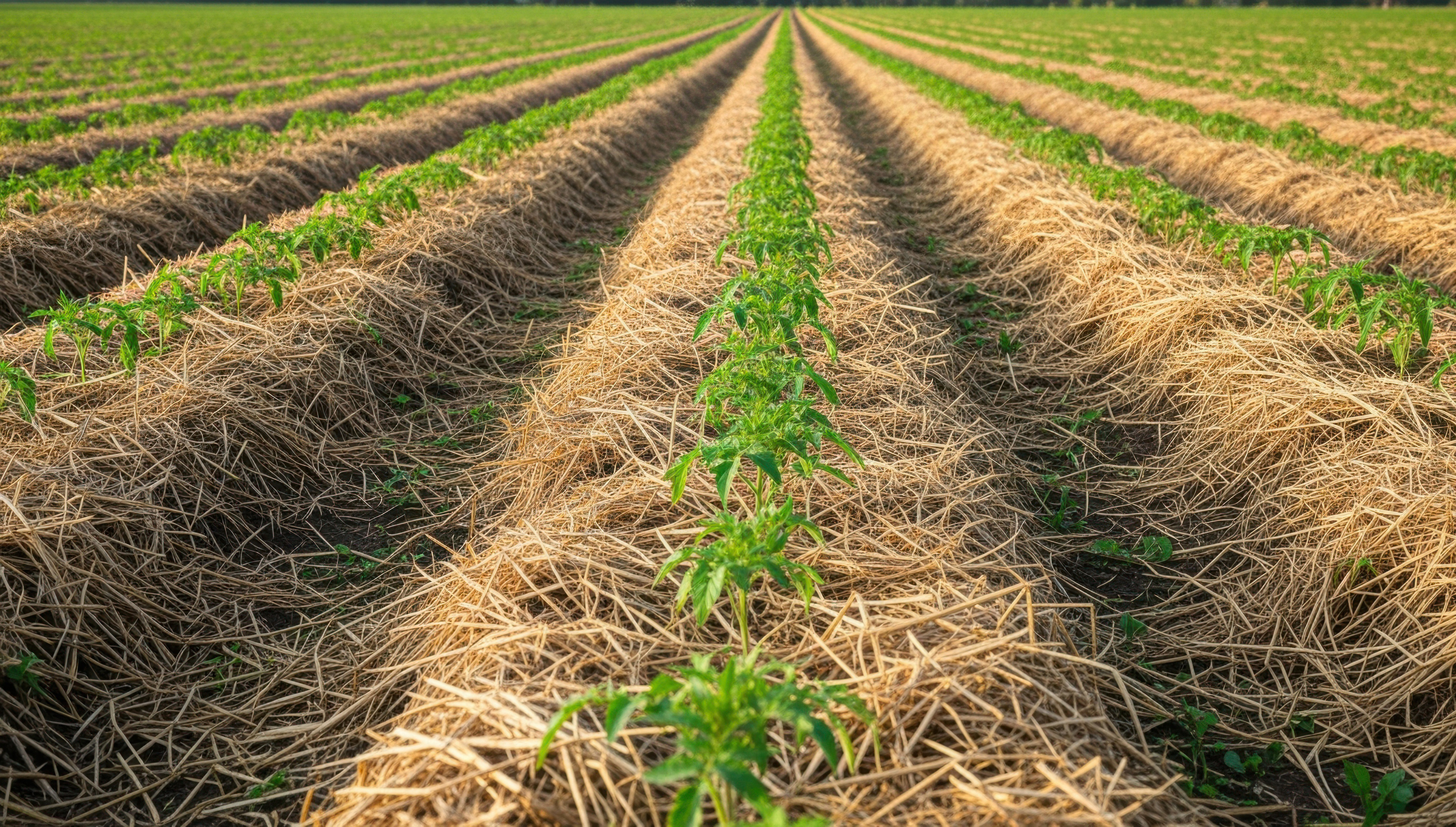
Alternatives include breeding and cultivating resistant varieties, various crop rotations, and planting hedges along field edges where natural predators can reproduce. "Unfortunately, many of these methods and their effects have not yet been sufficiently researched," says Christian Stamm, Deputy Director of Eawag, the Swiss Federal Institute of Aquatic Science and Technology. In addition, agricultural systems vary greatly around the world. Results from a field study in Switzerland or Germany cannot simply be transferred to Kenya or the Philippines.
It is often unclear whether sustainable plant protection can be successfully implemented in a particular region. Or whether it improves water quality but at the cost of significantly lower yields and economic losses for farmers. The study therefore examined the opportunities and risks that local experts see in a transition.
What do local experts think?
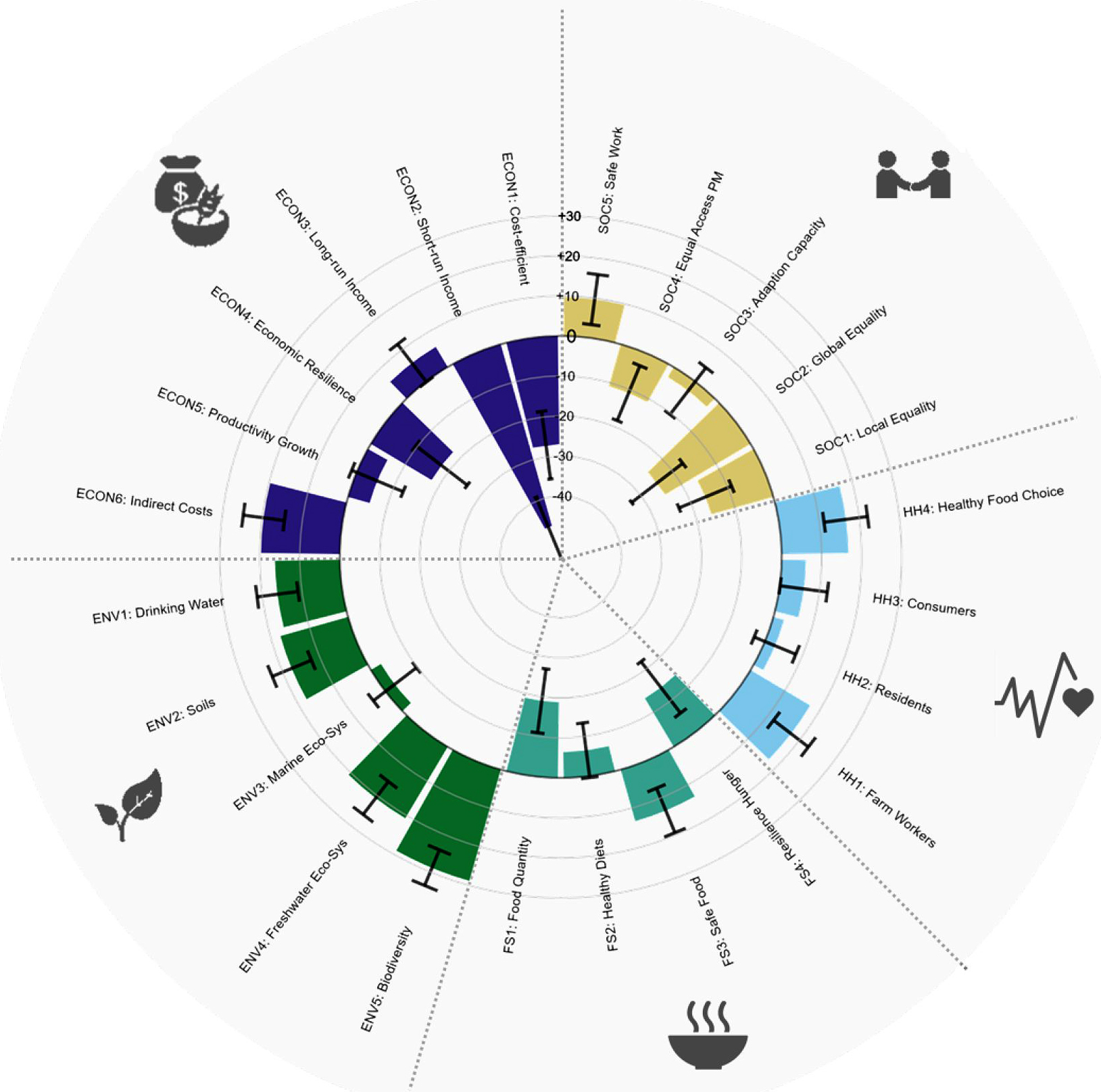
A questionnaire records the consequences that respondents expect from a switch to sustainable plant protection. The possible effects are divided into five areas: impact on the environment, health, food security, the economic situation of farmers, and social equality and security – including, among other things, the working conditions of farmers and employees. A total of 517 people who are considered to be profound experts on agriculture in a specific region contributed their professional perspectives. These included not only agronomists and ecologists, but also economists and toxicologists.
Environment and health would benefit
The assessments varied depending on the region of the world and the expertise of the respondents. On average, respondents believe that the switch to sustainable plant protection would have a positive impact, at least in the long term. Participants expected particularly strong progress in the area of the environment, for example in terms of water pollution and biodiversity. This was almost unanimous and independent of region. The situation was similar with regard to the expected effects on human health.
In contrast, there were significant differences in the economic assessment. In North America, Europe and Australia, roughly as many experts expected positive effects on farm income as negative effects – at least in the short term. In Asia, Africa and South America, on the other hand, respondents tended to see the transition as an economic opportunity. Respondents from these continents also expect the transition to have a much stronger positive impact on local access to safe food than those from North America, Europe and Australia.
Sustainability does not come for free
"Despite these differences, the overall opinion was surprisingly positive," says Christian Stamm. This does not mean that switching to more sustainable farming methods comes at no cost: "In the short term, it involves costs that can pay off in the long term," says Stamm. It is similar to climate change, which also requires a great deal of effort at the outset. "It is essential that farmers are supported in the transition, for example by providing research into appropriate, effective plant protection strategies and suitable support instruments," says agricultural economist Prof. Robert Finger from ETH Zurich.
The researchers emphasise that their study sought to gauge public opinion. The realism of the resulting forecasts needs to be examined more closely, including through local studies and trials in different regions.
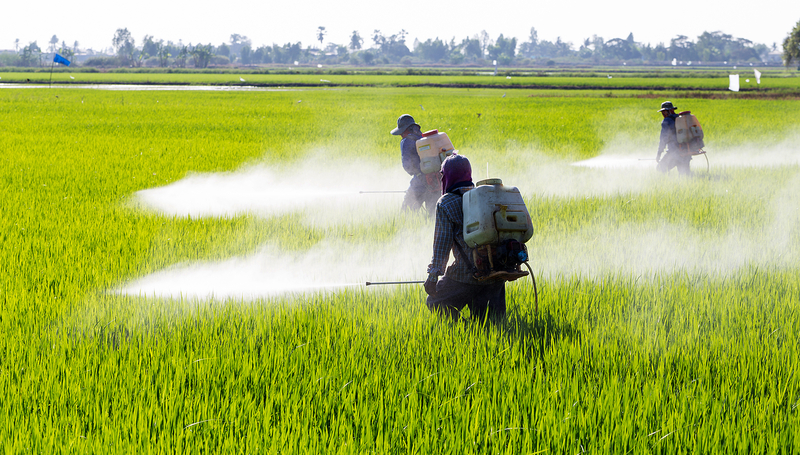
Cover picture: Pest control with pesticides in a rice field. (Adobe Stock)