
Department Environmental Chemistry
DNA Adductomics for Integrated Environmental Exposure Assessment
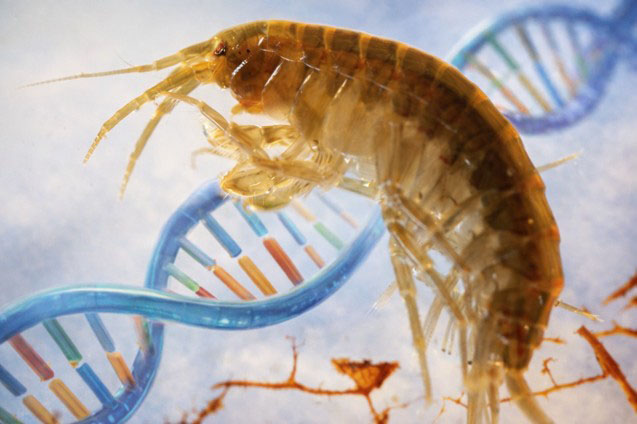
DNA adducts are chemical modifications of DNA that form when reactive substances, originating from the environment or from normal biological processes, interact with the genome. Because they accumulate over time, DNA adducts provide a molecular record of exposure to factors such as diet, pollution, metabolic stress, inflammation, and oxidative processes. DNA adductomics, the comprehensive analysis of these modifications, therefore offers a unique way to connect external environmental exposures with internal biological responses.
In this project, we aim to develop DNA adductomics for invertebrates as an integrative tool for environmental exposure science. By combining high-resolution mass spectrometry with longitudinal study designs and advanced data analysis, we seek to distinguish DNA damage caused by external genotoxic exposures from damage arising from endogenous metabolic and physiological processes.
By integrating laboratory methods, long-term observational data, and multivariate modelling, we study how DNA adduct profiles change as environmental exposures, lifestyles, and physiological states evolve. Ultimately, this work will improve how DNA adduct patterns are interpreted as indicators of past exposure and ongoing biological stress, supporting more robust assessment of long-term environmental health risks.