Archive detail

The Nagoya Protocol — a possible obstacle to research cooperation

June 1, 2018 | Irene Bättig

Southerly countries are rich in genetic resources. The companies that exploit this natural treasure commercially are very often from the northern, developed world, however. The Nagoya Protocol was created in order to ensure fair use of genetic resources and appropriate compensation. It regulates the handling of genetic resources by companies, but also for research purposes. A group of ethicists and scientists from the University of Zurich and Eawag now believe that the original aims of the agreement are being jeopardised. In an opinion article in the journal “Nature Ecology & Evolution”, they note that in most countries the same rules are used for non-commercial research projects as for profit-oriented projects of companies: “The approval process can be so complex that researchers from the north can shy away from joint projects with colleagues in the south,” warns Florian Altermatt from Eawag. This can mean that research with the potential to benefit developing countries is not able to go ahead. The researchers are thus appealing to these countries to introduce a simpler approval process for non-commercial projects.

Publication

Extbase Variable Dump
array(2 items)
   publications => '16976' (5 chars)
   libraryUrl => '' (0 chars)
Extbase Variable Dump
array(1 item)
   0 => Snowflake\Publications\Domain\Model\Publicationprototypepersistent entity (uid=16976, pid=124)
      originalId => protected16976 (integer)
      authors => protected'Deplazes-Zemp, A.; Abiven, S.; Schaber, P.; Schaepman, M
         .; Schaepman-Strub, G.; Schmid, B.; Shimizu, K. K.; Alte
         rmatt, F.
' (166 chars) title => protected'The Nagoya Protocol could backfire on the Global South' (54 chars) journal => protected'Nature Ecology & Evolution' (26 chars) year => protected2018 (integer) volume => protected2 (integer) issue => protected'6' (1 chars) startpage => protected'917' (3 chars) otherpage => protected'919' (3 chars) categories => protected'' (0 chars) description => protected'Regulations designed to prevent global inequalities in the use of genetic re
         sources apply to both commercial and non-commercial research. Conflating the
          two may have unintended consequences for collaboration between the Global N
         orth and biodiverse countries in the Global South, which may promote global
         injustice rather than mitigate it.
' (338 chars) serialnumber => protected'' (0 chars) doi => protected'10.1038/s41559-018-0561-z' (25 chars) uid => protected16976 (integer) _localizedUid => protected16976 (integer)modified _languageUid => protectedNULL _versionedUid => protected16976 (integer)modified pid => protected124 (integer)
Deplazes-Zemp, A.; Abiven, S.; Schaber, P.; Schaepman, M.; Schaepman-Strub, G.; Schmid, B.; Shimizu, K. K.; Altermatt, F. (2018) The Nagoya Protocol could backfire on the Global South, Nature Ecology & Evolution, 2(6), 917-919, doi:10.1038/s41559-018-0561-z, Institutional Repository

Photos

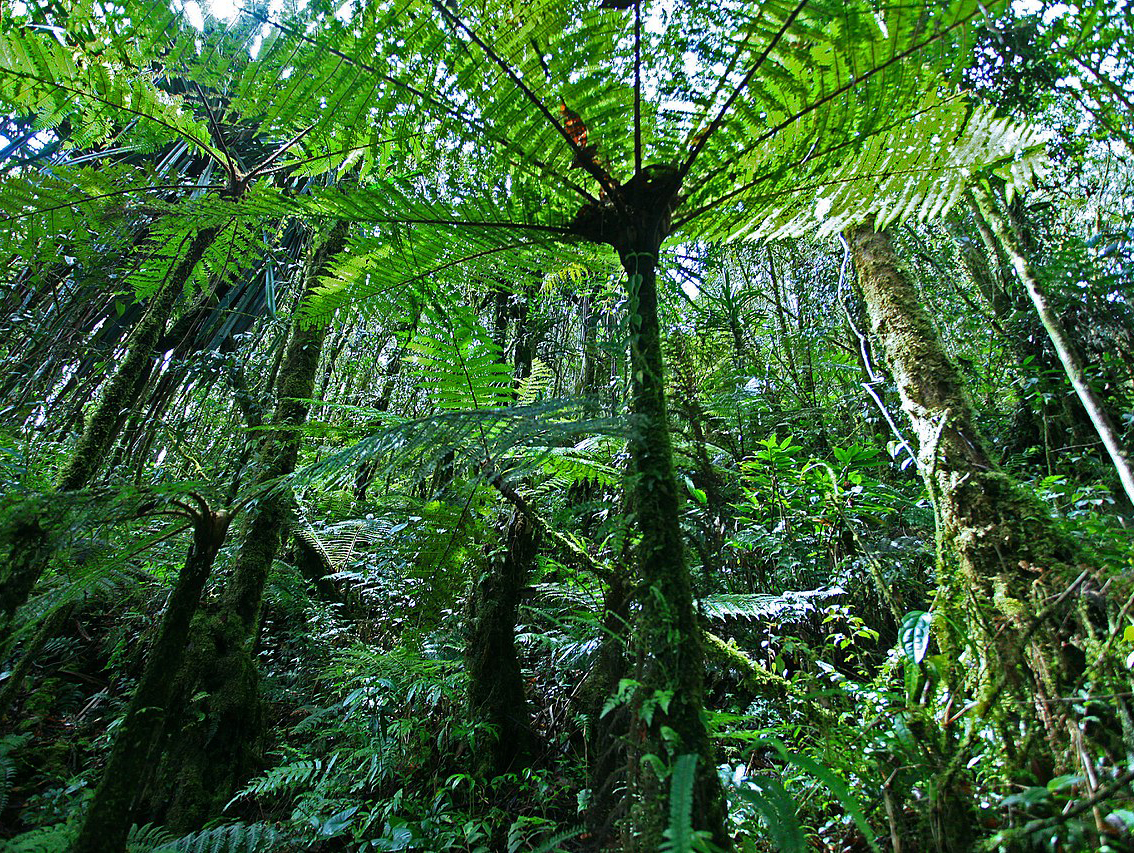
Tropical rainforest in Indonesia
(Source: commons.wikimedia.org)
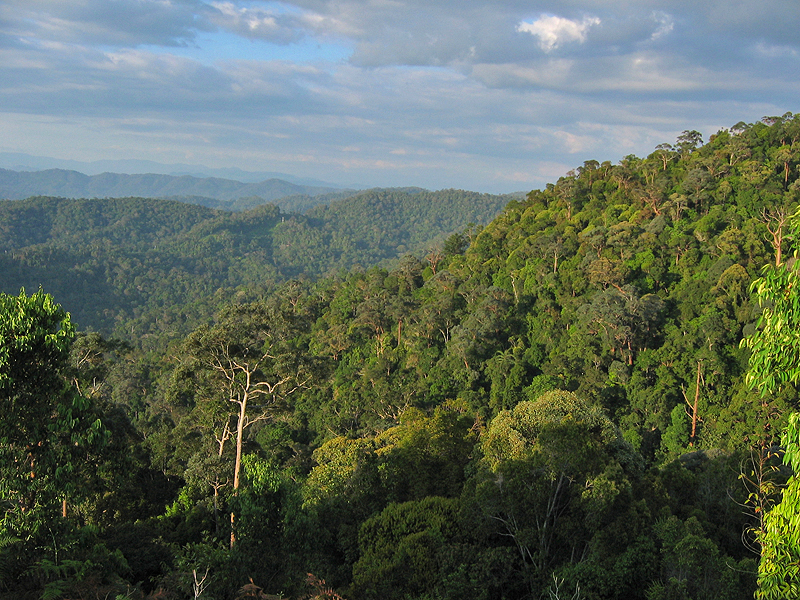
National park in Malaysia
(Source: Vladimir Yu. Arkhipov, Arkhivov)