
News Detail
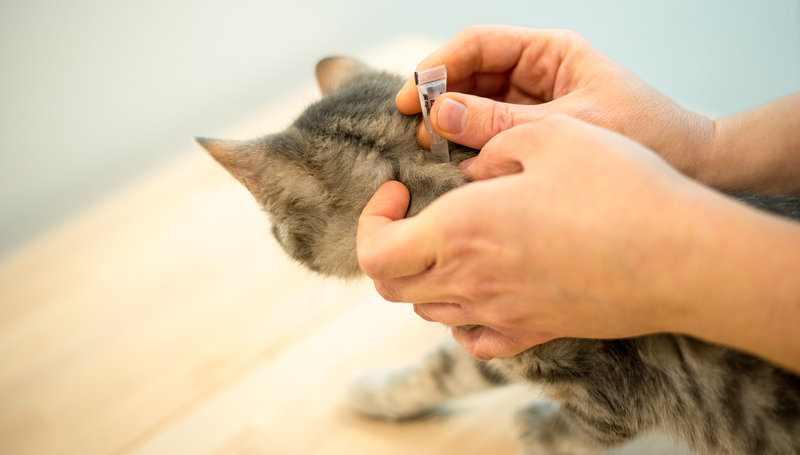
From flea repellent to waterways
January 15, 2026 |
Fipronil is an insecticide and acaricide, a biocide used to combat fleas and ticks. However, it is not only effective against pests, but is also highly toxic to aquatic organisms: if they are exposed to a concentration of just 0.77 nanograms of fipronil per litre of water for more than two weeks, harmful effects can no longer be ruled out, as the Ecotox Centre has shown. This threshold is considered a chronic quality criterion (CQC).
Fipronil has not been approved in Switzerland as a plant protection product since 2014 and as a biocide (e.g. against ants or cockroaches) since 2023. The sale of existing biocidal products is still permitted until January 2026. However, the active ingredient remains approved as an antiparasitic agent for pets.
High levels in Swiss watercourses
Measurements taken as part of the national watercourse monitoring programme (NAWA TREND MV) show that the CQK value is exceeded in numerous water bodies. This means that fipronil poses a risk to aquatic life. In the 2022 measurement year, no other pesticide led to as many exceedances of the CQK as fipronil.
Where does the fipronil come from?
Researchers from the Eawag water research institute and the VSA water quality platform analysed data from national monitoring and an additional measurement campaign. According to the Federal Office for the Environment (FOEN), fipronil is hardly ever used as a biocide anymore, so the most likely source is veterinary medicine: spot-on preparations against fleas and ticks in dogs and cats.

Pathways into water
After application, it can enter water bodies in various ways.
- via domestic wastewater, e.g. by washing hands after application, washing or bathing animals, or cleaning contaminated textiles.
- directly, for example when treated animals bathe in water bodies.
To determine the significance of these entry routes, the researchers compared samples from watercourses with and without treated wastewater from sewage treatment plants (STPs). The result was clear: fipronil continuously enters waterways via STPs with domestic wastewater.
Other products under suspicion
Fipronil is not the only insecticide used in anti-parasite products for pets. For some of these active ingredients, there is currently a lack of measurement data because analysis is very challenging; for others, the origin is unclear because they are also used as biocides or plant protection products.
Whether these active ingredients also pollute waterways through their use in pets is the subject of future research.
Cover picture: Flea and tick repellents for pets are the most likely sources of fipronil in Swiss waterways. (Image: Canva / Csaba Deli)
Original publication
Funding / Collaborations
- Eawag
- VSA Water Quality Platform
- Federal Office for the Environment (FOEN)