
Department Sanitation, Water and Solid Waste for Development
How can soils contribute to buffer impacts of climate change on water flows?
Climate change, with shifting weather patterns and extremes, is disrupting the water cycle. Changes in precipitation lead to extended periods of drought and heavy rains that pose a threat to reliable water supply in communities
Disturbances in the hydrological cycle are aggravated by intensive agricultural practices that include heavy tillage and the application of pesticides and fertilizers. In structurally degraded soils, aggregates and their pore network collapse, leading to limited root-fungal networks and reduced water infiltration and retention. Increased water run-off by a disturbed connection between soil and rainfall storage contribute to disturbance in the hydrological cycle and increase the need for irrigation.
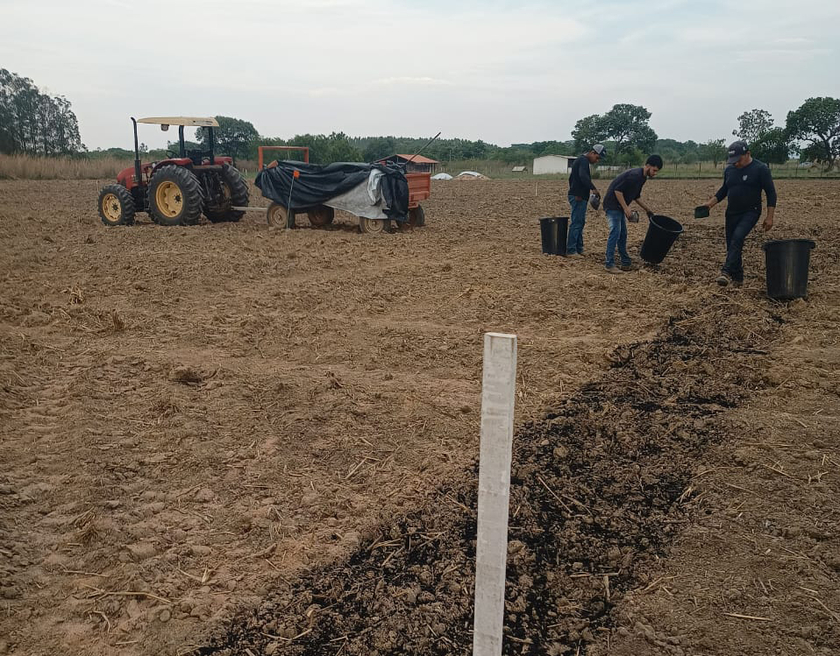
Alternative land management approaches that include the application of organic amendments, reduced tillage, intercropping and the implementation of measures to enhance the diversity and number of microbes of different trophic levels in the soil have to potential to rebuild soil structure, porosity and therewith support water infiltration and water retention.
The goal of this research project is to gain insight on the effectiveness of potential measures to improve sustainable water and soil management in the Lake of Palmas watershed. We are assessing if different regenerative soil management practices enhance soil’s resilience towards water stress by increasing the retention of rainwater and therewith reducing the need for irrigation. In addition, a soil moisture monitoring system is being tested.