Department Environmental Microbiology
Environmental Microbiology
Our research focuses on microbial life and activities in the environment. We strive to understand the basic rules and principles that govern the functioning of microbes and microbial communities, and then apply those principles to solve pressing applied problems.
Selected Publications
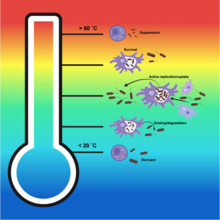
Drinking Water Microbiology: A perspective on the multidisciplinary research directions required to deal with Legionella in engineered water systems.
Microbial Systems Ecology: In one of our latest articles, we show how starving bacteria adopt a surprising strategy: by killing neighboring cells via the type VI secretion system, they access a previously unrecognized form of nutrient acquisition that may shape microbial communities across ecosystems.
Microbial Community Assembly: Article showing that phage predation can cause a kill-the-winner dynamic that promotes the spread of antibiotic resistance.
Pathogens and Human Health: Article on "Mapping safe drinking water use in low- and middle-income countries". An estimated 4 billion people lack access to safely managed drinking water, with fecal contamination of household water supplies as the primary limiting factor.
Microbial Specialized Metabolism: Our paper, published in PNAS, reports the unexpected discovery of enzymes from human gut microbes that can break the strong carbon-fluorine bond in some organofluorine compounds.
News