
Department Environmental Microbiology
EXPLORA: Probing the diversity of microorganisms and active biomolecules from aquatic environments
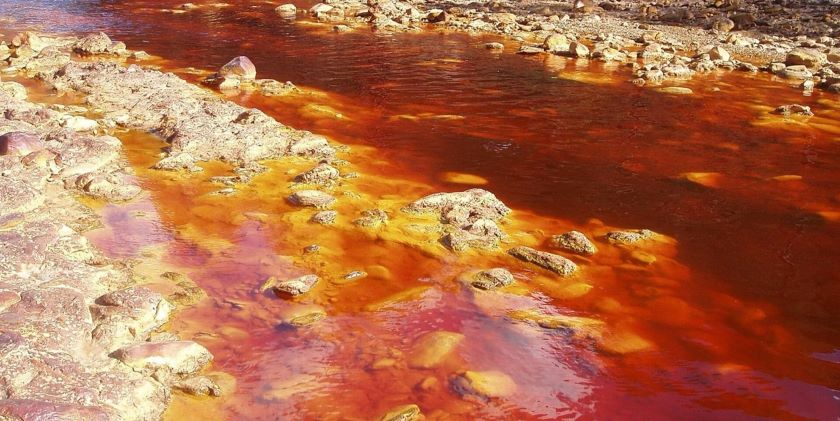
Background: Extreme aquatic environments, such as the acidic Rio Tinto river in Spain (Figure 1), remain undersampled despite harboring microorganisms with unique metabolic adaptations. Microbial communities have evolved specialized strategies to survive extreme pH and temperatures.
Content and aim of the research project: EXPLORA seeks to expand the known diversity of extremophiles and their naturally occurring biomolecules through computationally-assisted sampling. The research identifies microorganisms that produce plastic-degrading enzymes, sialic acids, antimicrobial compounds, and antioxidants. A central objective is to investigate how microbial enzymes, metabolites, and extracellular polymeric substances maintain ecological functions in response to temperature extremes exacerbated by climate change.
Scientific and social context of the research project: Through the identification of new plastic-degrading enzymes and pharmaceutical compounds, EXPLORA addresses the dual challenges of environmental pollution and public health. Furthermore, investigating adaptations to thermal stress supports research into biodiversity and ecosystem resilience in the face of climate change. The EXPLORA project is funded under the Horizon Europe circular bioeconomy call, thereby supporting the development of sustainable applications for naturally-derived biomolecules. EXPLORA involves 13 partner institutions across seven European countries (Spain, Ukraine, Portugal, the Netherlands, Germany, Bulgaria, and Switzerland). Eawag serves as the sole Swiss partner in this international effort.


Project duration
2024 - 2028