Department Aquatic Ecology
The quagga mussel and its secrets in the depths
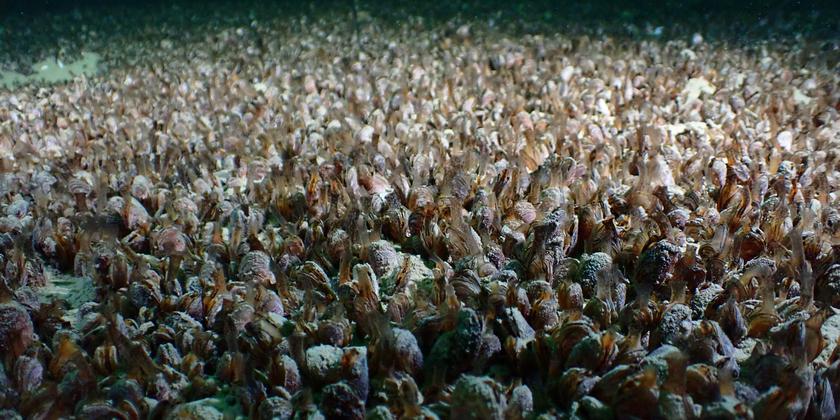
The quagga mussel is more adaptable than many other invasive species: it doesn't just colonise the shallow shores of a lake, but pushes into depths of over 200 meters a world of little light, low temperatures, and high pressure. But what actually happens down there, where we rarely look?
That is exactly what we want to find out. In Lake Constance, we collect samples every month along a depth profile from the surface down to 250 meters. For each mussel, we examine how actively it is reproducing: How many eggs and sperm does it produce? What reproductive stage is it in? And does this change with increasing depth?
The key question is: do deep-water mussels produce eggs and sperm year-round and does their reproductive behavior differ from shallow-water populations? The answer will help us better predict the growth and further spread of the quagga mussel.