Biodiversité

Comprendre et préserver la dynamique de la biodiversité

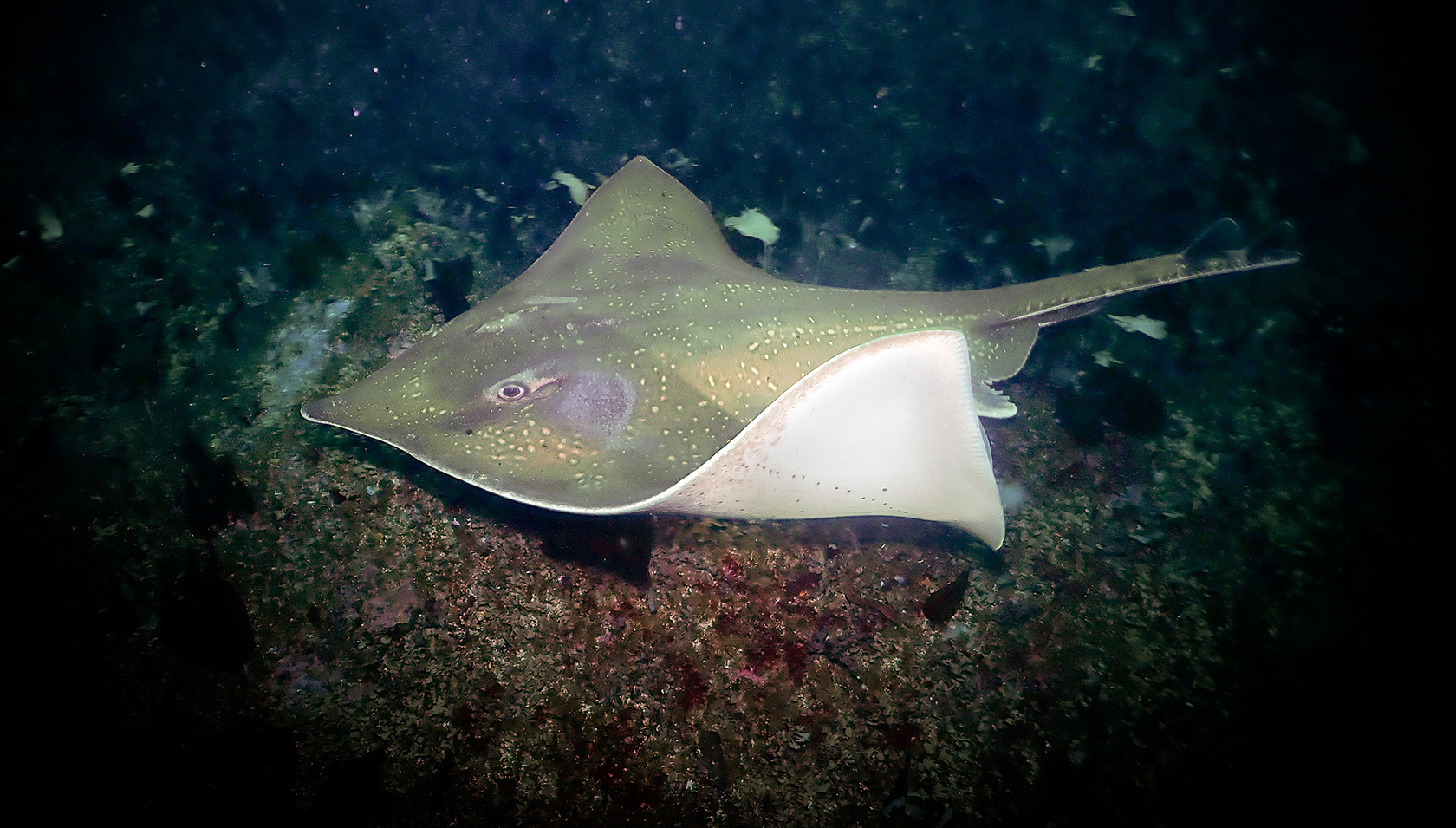
Les interventions anthropiques font disparaître la biodiversité aquatique, et ce plus rapidement encore que dans les milieux terrestres. Nous étudions la diversité de la nature afin de mieux comprendre comment les espèces naissent et s’éteignent. Nous en déduisons les outils nécessaires pour protéger la biodiversité.

Perte de la biodiversité aquatique

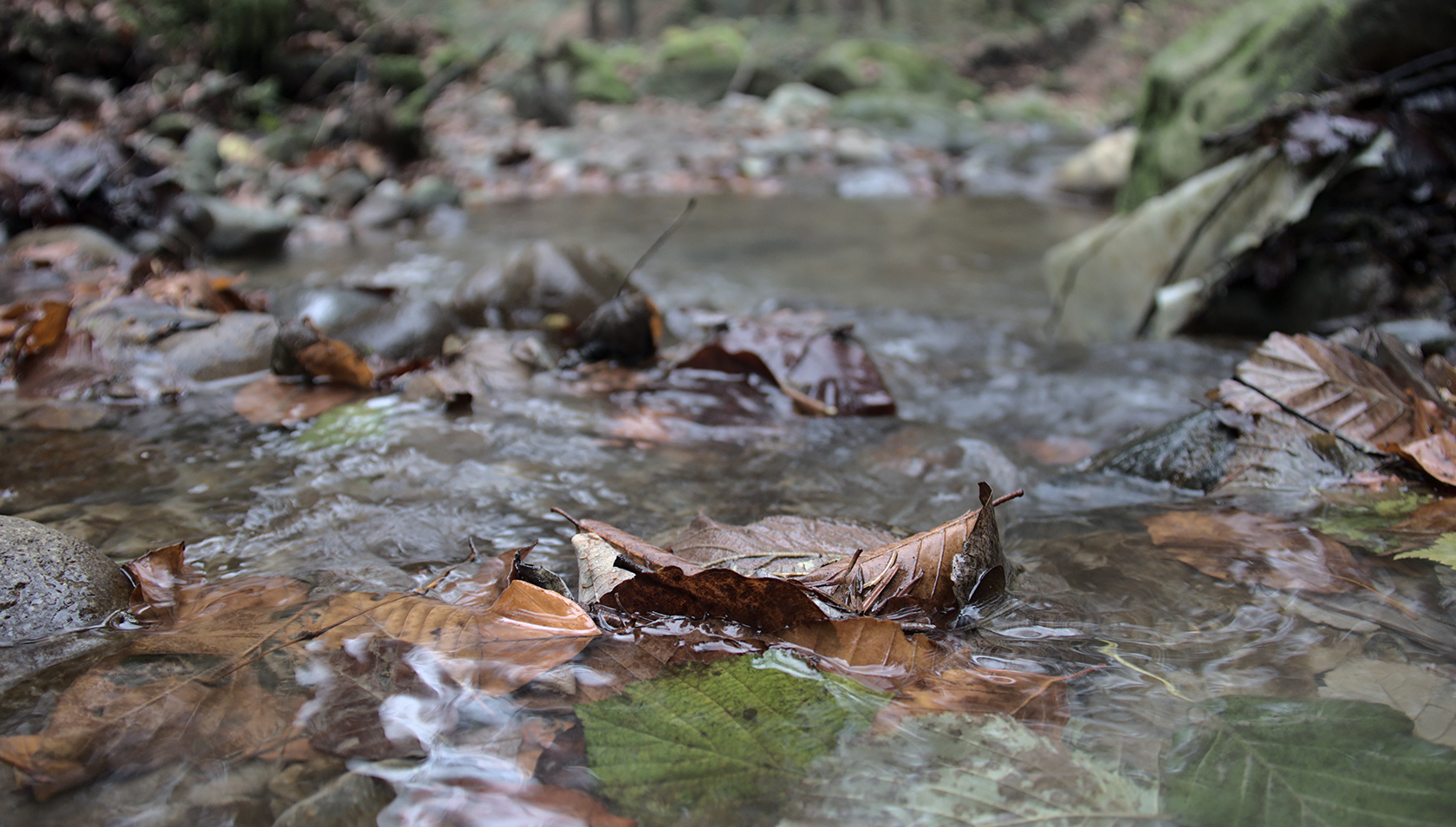
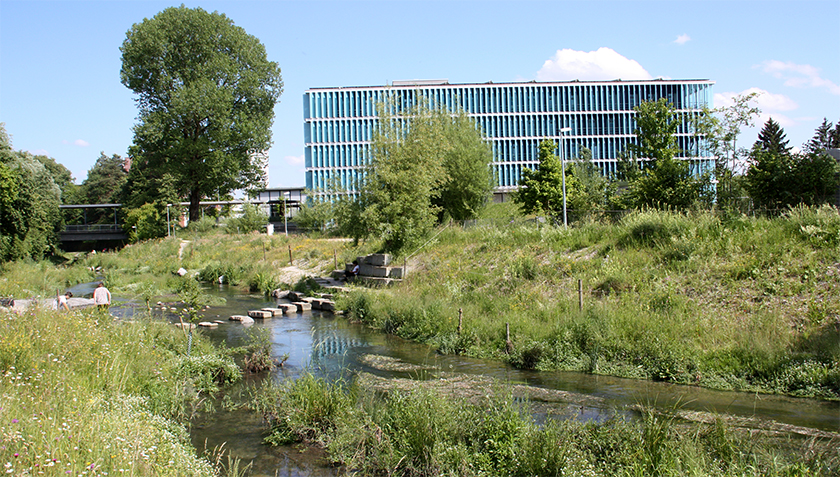
Les rivières, les lacs et les eaux souterraines sont étroitement liés au mode de vie des êtres humains. Nos actes exercent une forte influence sur ces biotopes. Avec des conséquences: les cours d’eau font certes partie des écosystèmes qui compte la plus riche biodiversité, mais ils sont aussi particulièrement menacés. Selon la liste rouge de l’Union internationale pour la conservation de la nature (IUCN) mise à jour en 2022, un tiers des espèces animales d’eau douce est menacé d'extinction. La capacité d'adaptation des écosystèmes aquatiques n’est pas la seule à souffrir du changement climatique. Les êtres humains aussi perdent une importante ressource alimentaire, de l’eau potable propre ou une protection contre les inondations.

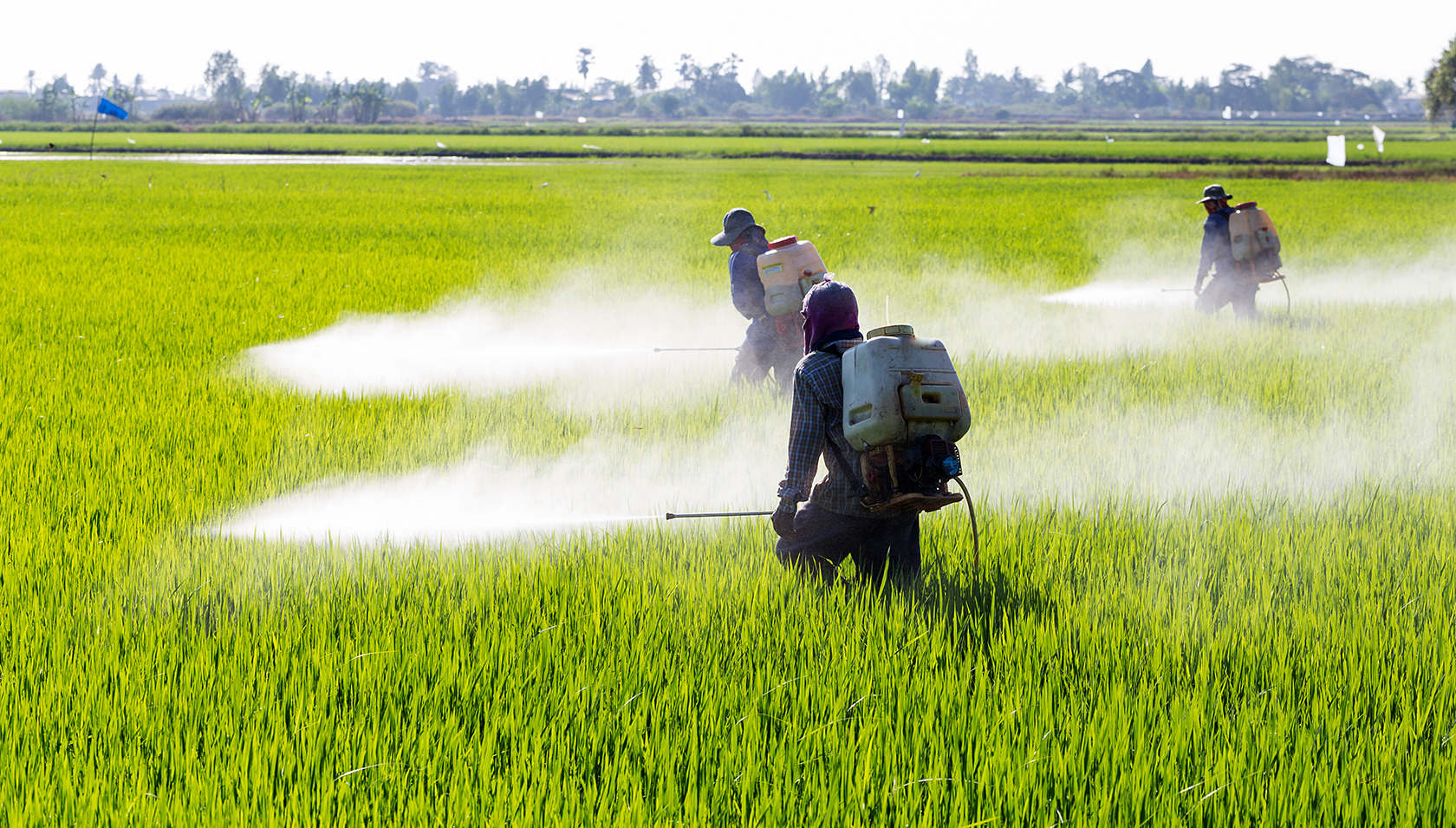
La modification de l’utilisation du sol et des cours d’eau réduit l’étendue des biotopes aquatiques: on assèche par exemple les zones alluviales et les marais, les berges sont aménagées et les fleuves utilisés pour produire de l’énergie. Les engrais, les produits phytosanitaires et d’autres micropolluants contaminent les cours d’eau. À cela s’ajoutent d’autres facteurs, tels que le changement climatique et l’introduction d’espèces invasives. Tout cela cause ou accélère la disparition des espèces.

L’Eawag étudie la biodiversité

Les écosystèmes d’eau douce et leur biodiversité sont encore moins bien étudiés que les écosystèmes terrestres ou marins.

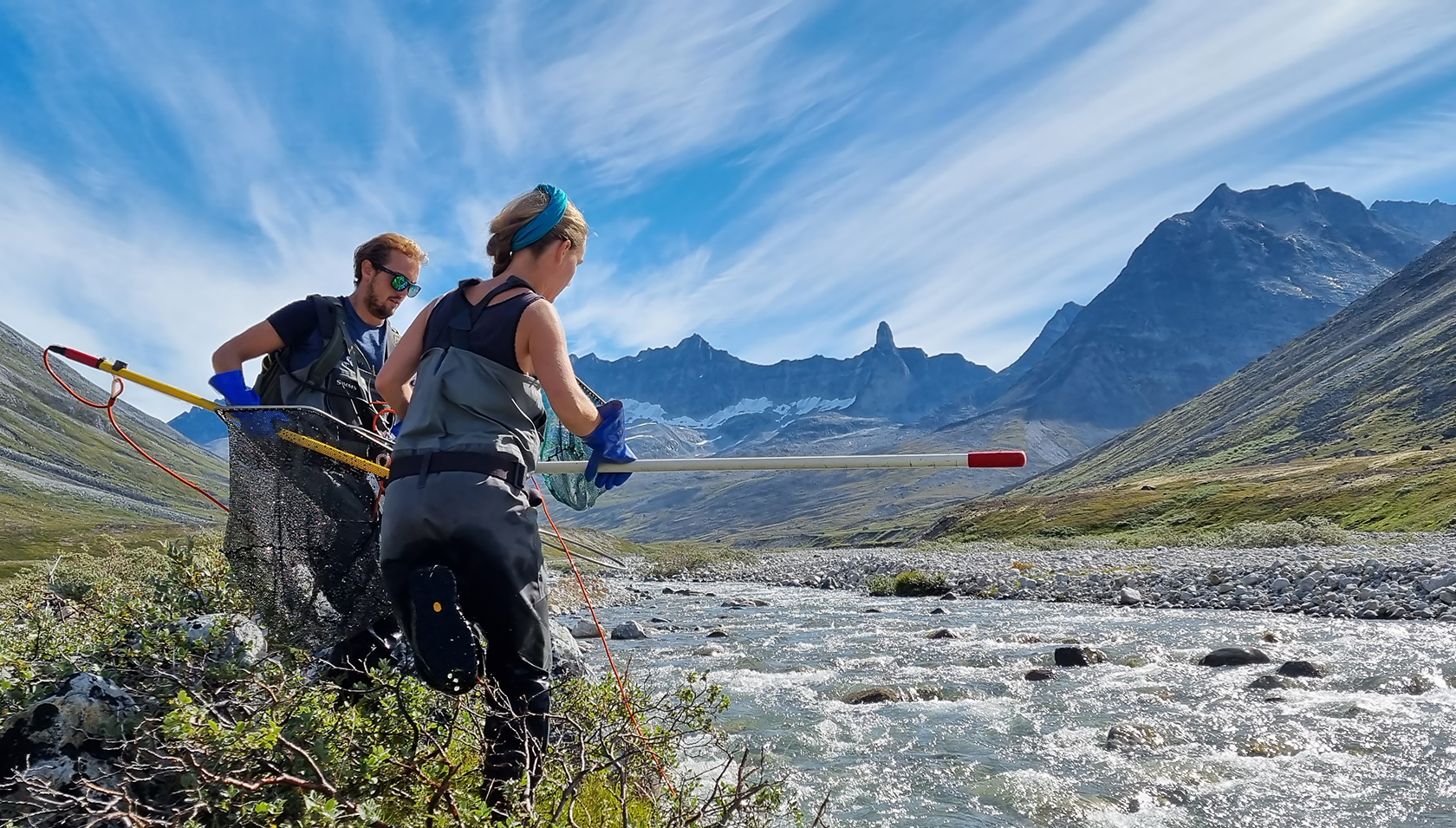
Les chercheuses et chercheurs de l’Eawag:

  • documentent où se trouve quelle biodiversité et comment elle se développe;
  • recoupent les connaissances sur la biodiversité aquatique et terrestre;
  • étudient les liens entre la biodiversité et les services écosystémiques;
  • mènent des recherches sur les processus anthropiques qui favorisent ou menacent la biodiversité;
  • développent des méthodes de surveillance de la biodiversité;
  • mettent à disposition des données et des outils afin de déterminer le recul de la biodiversité et ses conséquences;
  • transmettent les découvertes scientifiques actuelles dans le cadre de cours pratiques et des projets axés sur la pratique;
  • forment des étudiantes, des étudiants et de jeunes scientifiques au thème de la biodiversité.

À l’Eawag, des expertes et experts de l’ingénierie et des sciences naturelles et sociales travaillent main dans la main.

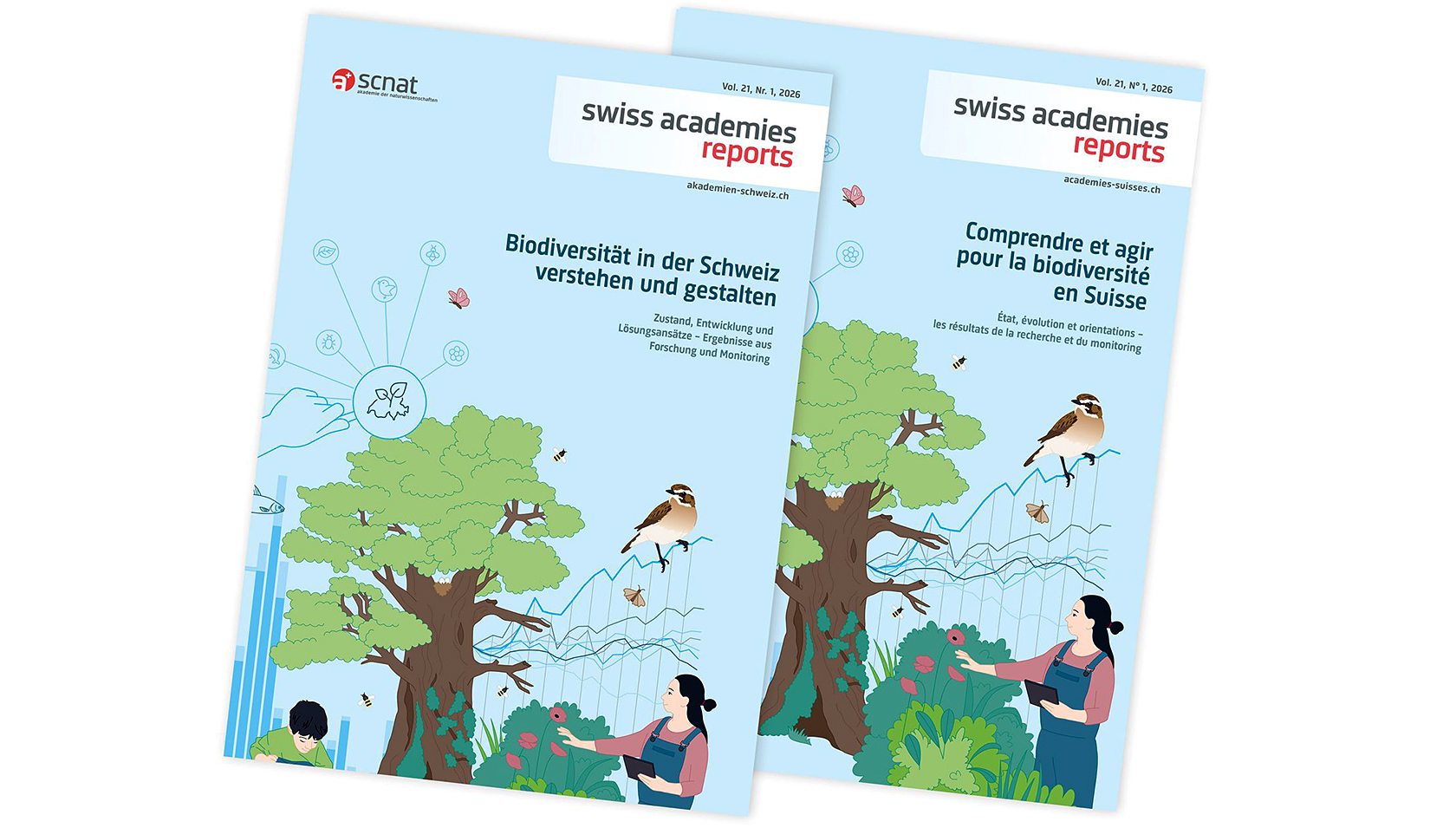
Publications pour l’application pratique

Réseau

Nous collaborons avec plusieurs partenaires.
La Confédération prend des mesures à plusieurs niveaux pour préserver et favoriser la biodiversité.

Office fédéral de l’environnement OFEV

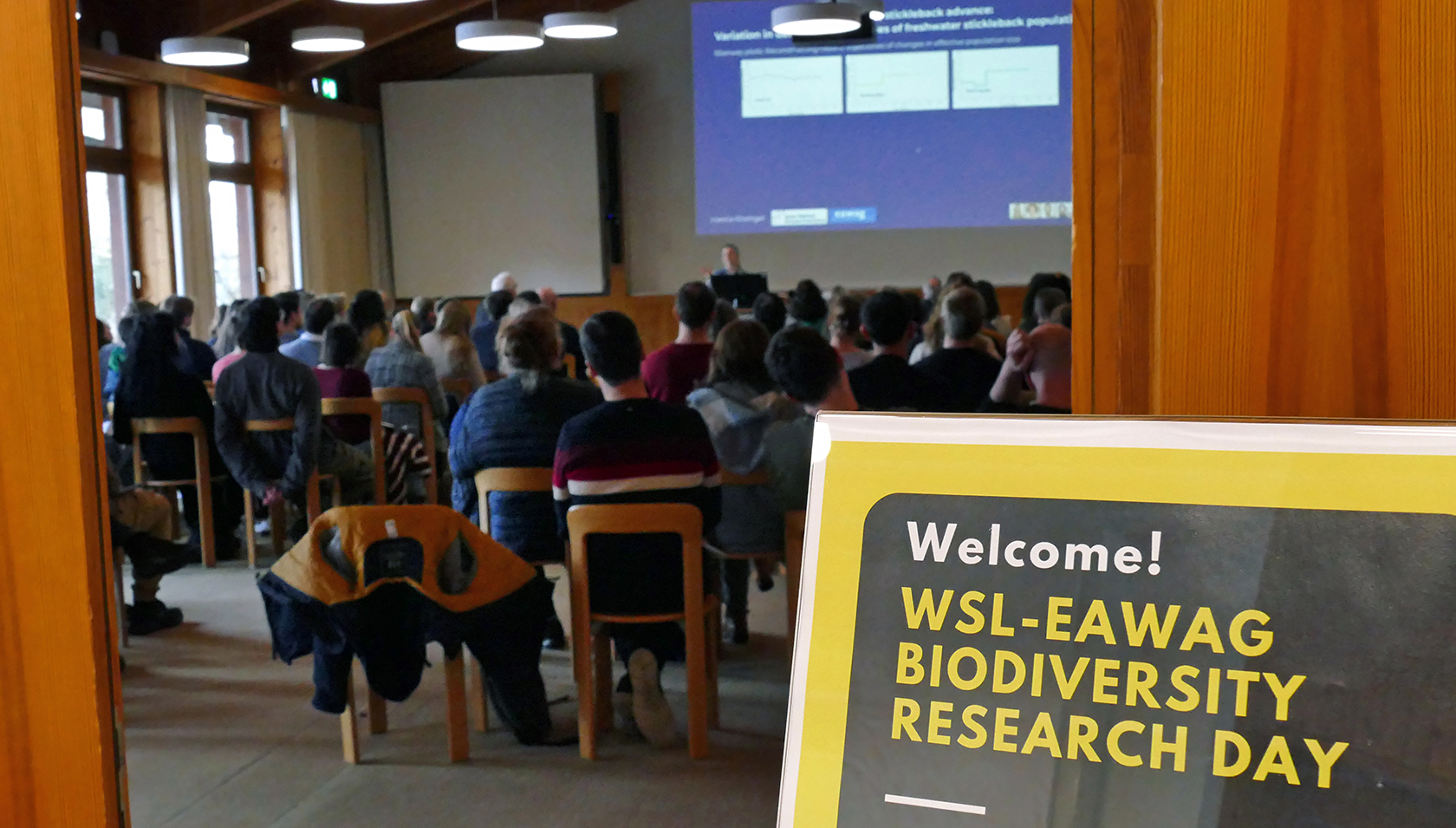
Cette manifestation réunit régulièrement des chercheuses et chercheurs de toutes les disciplines avec des spécialistes ainsi que des actrices et acteurs de la société.

World Biodiversity Forum

Le monitoring de la biodiversité en Suisse recense l’évolution de la diversité des espèces végétales et animales sélectionnées.

Monitoring de la biodiversité en Suisse

Le centre de compétence scientifique de l’Académie des sciences naturelles s’engage pour la recherche sur la biodiversité.

Forum Biodiversité Suisse

L’exposition permanente «Cabinet de curiosités» abrite une collection unique de poissons qui remonte jusqu’à 1871.

Naturhistorisches Museum Bern

Expertes et experts

Prof. Dr. Martin Ackermann
  • bactéries
  • génétique
  • antibiotiques
  • résistances
  • évolution
  • ecologie
Prof. Dr. Florian Altermatt
  • biodiversité
  • génétique
  • modélisation
  • ecologie
  • Écosystèmes
Dr. Jakob Brodersen
  • isotopes
  • ecologie
Dr. Helmut Bürgmann
  • résistance aux antibiotiques
  • bactérioplancton
  • Mikrobiologie
  • nutriments
  • eaux de surface
Dr. Lauren Cook
  • planification des infrastructures
  • changements climatiques
  • modélisation
  • gestion durable de l'eau
  • gestion des eaux urbaines
Dr. Philine Feulner
  • évolution
  • poissons
  • génétique
  • génomique comparative
Dr. David Johnson
  • biodiversité
  • Mikrobiologie
  • ecologie
  • Écologie évolutionnaire
  • évolution
Dr. Marissa Kosnik
  • méthodes de calcul
  • science des données
  • ecotoxicologie
  • recherches transdisciplinaires
Dr. Blake Matthews
  • biodiversité
  • plancton
  • évolution
  • Écosystèmes
Dr. Carlos Melian
  • biodiversité
  • modélisation
  • ecologie
Dr. Helen Moor
  • ecologie
  • modélisation
  • biodiversité
  • zones humides
Dr. Francesco Pomati
  • algues
  • biodiversité
  • ecologie
  • plancton
  • ecotoxicologie
Dr. Serina Robinson
  • Mikrobiologie
  • biotransformation
  • Métagénomique
  • produits pharmaceutiques
  • biodégradation
Dr. Nele Schuwirth
  • Ecologie aquatique
  • analyse décisionnelle
  • modélisation
  • facteurs de stress multiples
  • recherches transdisciplinaires
Prof. Dr. Ole Seehausen
  • poissons
  • génétique
  • ecologie
  • évolution
PD Dr. Piet Spaak
  • plancton
  • sédiments
Dr. Cornelia Twining
  • ecologie
  • évolution
  • changements climatiques
  • fleuves et rivières
  • acides gras
Prof. Dr. Christoph Vorburger
  • biodiversité
  • génétique
  • ecologie
  • évolution
Dr. Alexandra Anh-Thu Weber
  • évolution
  • génétique
  • ecologie
  • Changement environnemental
  • génomique comparative
Dr. Christine Weber
  • revitalisations fluviales
  • ecologie

Publications académiques

Extbase Variable Dump
array(3 items)
   publications => '34990,34150,35240' (17 chars)
   libraryUrl => 'https://www.dora.lib4ri.ch/eawag/islandora/search?f[0]=mods_name_personal_na
      meIdentifier_organizational%5C%20unit%5C%20id_ms%3A%22eawag%5C-units%5C%3A34
      %22
' (155 chars) layout => '1' (1 chars)
Extbase Variable Dump
array(3 items)
   0 => Snowflake\Publications\Domain\Model\Publicationprototypepersistent entity (uid=34990, pid=124)
      originalId => protected34990 (integer)
      authors => protected'Monclús, L.; Arp, H. P. H.; Groh, K. J.; Falt
         ynkova, A.; Løseth, M. E.; Muncke, J.; Wang, Z.; W
         olf, R.; Zimmermann, L.; Wagner, M.
' (202 chars) title => protected'Mapping the chemical complexity of plastics' (43 chars) journal => protected'Nature' (6 chars) year => protected2025 (integer) volume => protected643 (integer) issue => protected'8071' (4 chars) startpage => protected'349' (3 chars) otherpage => protected'355' (3 chars) categories => protected'' (0 chars) description => protected'Plastic pollution is a pervasive and growing global problem. Chemicals in pl
         astics are often not sufficiently considered in the overall strategy to prev
         ent and mitigate the impacts of plastics on human health, the environment an
         d circular economy. Here we present an inventory of 16,325 known plastic che
         micals with a focus on their properties, presence in plastic and hazards. We
          find that diverse chemical structures serve a small set of functions, inclu
         ding 5,776 additives, 3,498 processing aids, 1,975 starting substances and 1
         ,788 non-intentionally added substances. Using a hazard-based approach, we i
         dentify more than 4,200 chemicals of concern, which are persistent, bioaccum
         ulative, mobile or toxic. We also determine 15 priority groups of chemicals,
          for which more than 40% of their members are of concern. Finally, we examin
         e data gaps regarding the basic properties, hazards, uses and exposure poten
         tial of plastic chemicals. Our work maps the chemical landscape of plastics
         and contributes to setting the baseline for a transition towards safer and m
         ore sustainable materials and products. We propose that removing known chemi
         cals of concern, disclosing the chemical composition and simplifying the for
         mulation of plastics can provide pathways towards this goal.
' (1276 chars) serialnumber => protected'0028-0836' (9 chars) doi => protected'10.1038/s41586-025-09184-8' (26 chars) uid => protected34990 (integer) _localizedUid => protected34990 (integer)modified _languageUid => protectedNULL _versionedUid => protected34990 (integer)modified pid => protected124 (integer)
1 => Snowflake\Publications\Domain\Model\Publicationprototypepersistent entity (uid=34150, pid=124) originalId => protected34150 (integer) authors => protected'Furrer, V.; Junghans, M.; Singer, H.; Ort, C.' (65 chars) title => protected'Realistic exposure scenarios in combined sewer overflows: how temporal resol
         ution and selection of micropollutants impact risk assessment
' (137 chars) journal => protected'Water Research' (14 chars) year => protected2025 (integer) volume => protected278 (integer) issue => protected'' (0 chars) startpage => protected'123318 (9 pp.)' (14 chars) otherpage => protected'' (0 chars) categories => protected'chemical risk assessment; acute ecotoxicity; temporal dynamics; urban draina
         ge; aquatic ecosystems; real exposure scenarios
' (123 chars) description => protected'Organic micropollutants in combined sewer overflows (CSOs) pose a potential
         risk to aquatic ecosystems. Previous studies mainly reported event mean conc
         entrations (EMCs) and often focused on a small number of substances. This st
         udy presents realistic exposure scenarios using high-temporal resolution (10
         -minute) data from 24 events at two CSO sites. We analyzed 49 dissolved orga
         nic micropollutants for all events and 198 for four events, including pharma
         ceuticals, pesticides, and road-related compounds, of which we detected 83 s
         ubstances at least once. From these, we assessed the mixed chemical risk by
         applying acute quality criteria and evaluated how the risk assessment outcom
         e changes for two aspects: temporal resolution and selection of substances.
         Our results reveal that total risk quotients (RQ<sub>tot</sub>) can vary gre
         atly within CSO events, with 10-minute data capturing peak concentrations th
         at are missed with EMCs. Using EMCs underestimates the maximum RQ<sub>tot</s
         ub> of an event by a median factor of 4.9, up to a maximum factor of 6.9. Wh
         en comparing a selection of 20 substances from the Swiss Waters Protection O
         rdinance to a broader list of 49 substances commonly detected at CSOs and a
         comprehensive list of 198 substances, the estimated RQ<sub>tot</sub> increas
         es between 1.1 to 2.3-fold. RQ<sub>tot</sub> values exceed the threshold of
         1 in 75 % of the events, requiring further dilution in the receiving water b
         ody. All three pollutant classes (pharma, pesticide, road) drive the total r
         isk, and no specific phase during overflow events consistently poses higher
         risk than other phases, which challenges the design of effective mitigation
         measures. Furthermore, the exposure scenarios presented here offer essential
          input for future ecotoxicological research as they reveal high short-term f
         luctuations in RQ<sub>tot</sub> whose ecological significance is still large
         ly unknown.
' (1911 chars) serialnumber => protected'0043-1354' (9 chars) doi => protected'10.1016/j.watres.2025.123318' (28 chars) uid => protected34150 (integer) _localizedUid => protected34150 (integer)modified _languageUid => protectedNULL _versionedUid => protected34150 (integer)modified pid => protected124 (integer)
2 => Snowflake\Publications\Domain\Model\Publicationprototypepersistent entity (uid=35240, pid=124) originalId => protected35240 (integer) authors => protected'Li,&nbsp;K.-Y.; Covatti,&nbsp;G.; Podgorski,&nbsp;J.; Berg,&nbsp;M.' (67 chars) title => protected'Distribution of geogenic arsenic in European topsoil and potential concerns
         for food safety
' (91 chars) journal => protected'Journal of Hazardous Materials' (30 chars) year => protected2025 (integer) volume => protected497 (integer) issue => protected'' (0 chars) startpage => protected'139523 (11 pp.)' (15 chars) otherpage => protected'' (0 chars) categories => protected'geogenic arsenic; spatial prediction; machine learning; food safety; environ
         mental; hazard; soil contamination
' (110 chars) description => protected'Arsenic (As) is naturally present in trace amounts in most soils and poses a
          public health risk when elevated in topsoil due to potential accumulation i
         n agricultural products. Europe has several regions with natural As enrichme
         nt in soils, but since soil analyses are limited to individual soil samples,
          information on the spatial distribution has been lacking. This study uses e
         xpert-based machine learning to create a high-resolution map of As exceeding
          20 mg/kg in European topsoil based on ∼4100 data points of the Geochemi
         cal Mapping of Agricultural and Grazing Land Soil in Europe (GEMAS) dataset
         and 15 environmental variables. The resulting pan-European probability map d
         elineates areas with high soil arsenic concentrations due to natural process
         es. The study finds that 11.7 % of grassland and 3.9 % of cropland in Eu
         rope have arsenic levels above this threshold, with France, Spain, the Weste
         rn Balkans, and mountain areas most affected. Commonly grown crops in these
         areas include wheat, maize, rapeseed, and fodder crops. Our research links e
         levated arsenic levels to areas with low soil water erosion. SHapley Additiv
         e exPlanations (SHAP) analysis was used to identify key predictors, which ma
         y also be relevant in other regions globally. The high-resolution As map off
         ers valuable insights for agricultural and health professionals and policy-m
         akers.
' (1374 chars) serialnumber => protected'0304-3894' (9 chars) doi => protected'10.1016/j.jhazmat.2025.139523' (29 chars) uid => protected35240 (integer) _localizedUid => protected35240 (integer)modified _languageUid => protectedNULL _versionedUid => protected35240 (integer)modified pid => protected124 (integer)
Monclús, L.; Arp, H. P. H.; Groh, K. J.; Faltynkova, A.; Løseth, M. E.; Muncke, J.; Wang, Z.; Wolf, R.; Zimmermann, L.; Wagner, M. (2025) Mapping the chemical complexity of plastics, Nature, 643(8071), 349-355, doi:10.1038/s41586-025-09184-8, Institutional Repository
Furrer, V.; Junghans, M.; Singer, H.; Ort, C. (2025) Realistic exposure scenarios in combined sewer overflows: how temporal resolution and selection of micropollutants impact risk assessment, Water Research, 278, 123318 (9 pp.), doi:10.1016/j.watres.2025.123318, Institutional Repository
Li, K.-Y.; Covatti, G.; Podgorski, J.; Berg, M. (2025) Distribution of geogenic arsenic in European topsoil and potential concerns for food safety, Journal of Hazardous Materials, 497, 139523 (11 pp.), doi:10.1016/j.jhazmat.2025.139523, Institutional Repository

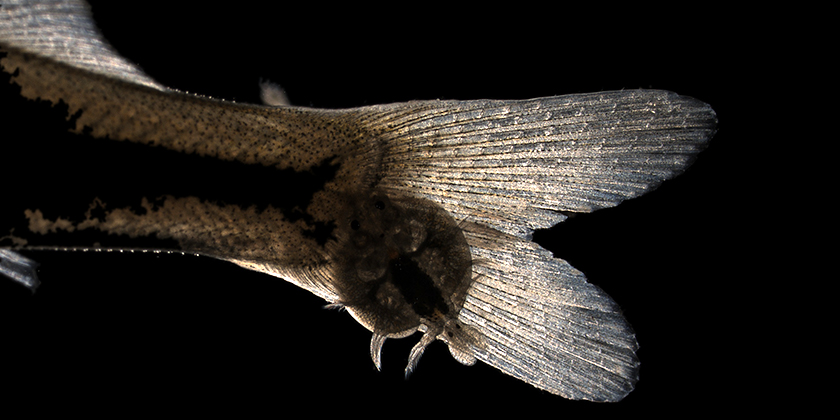
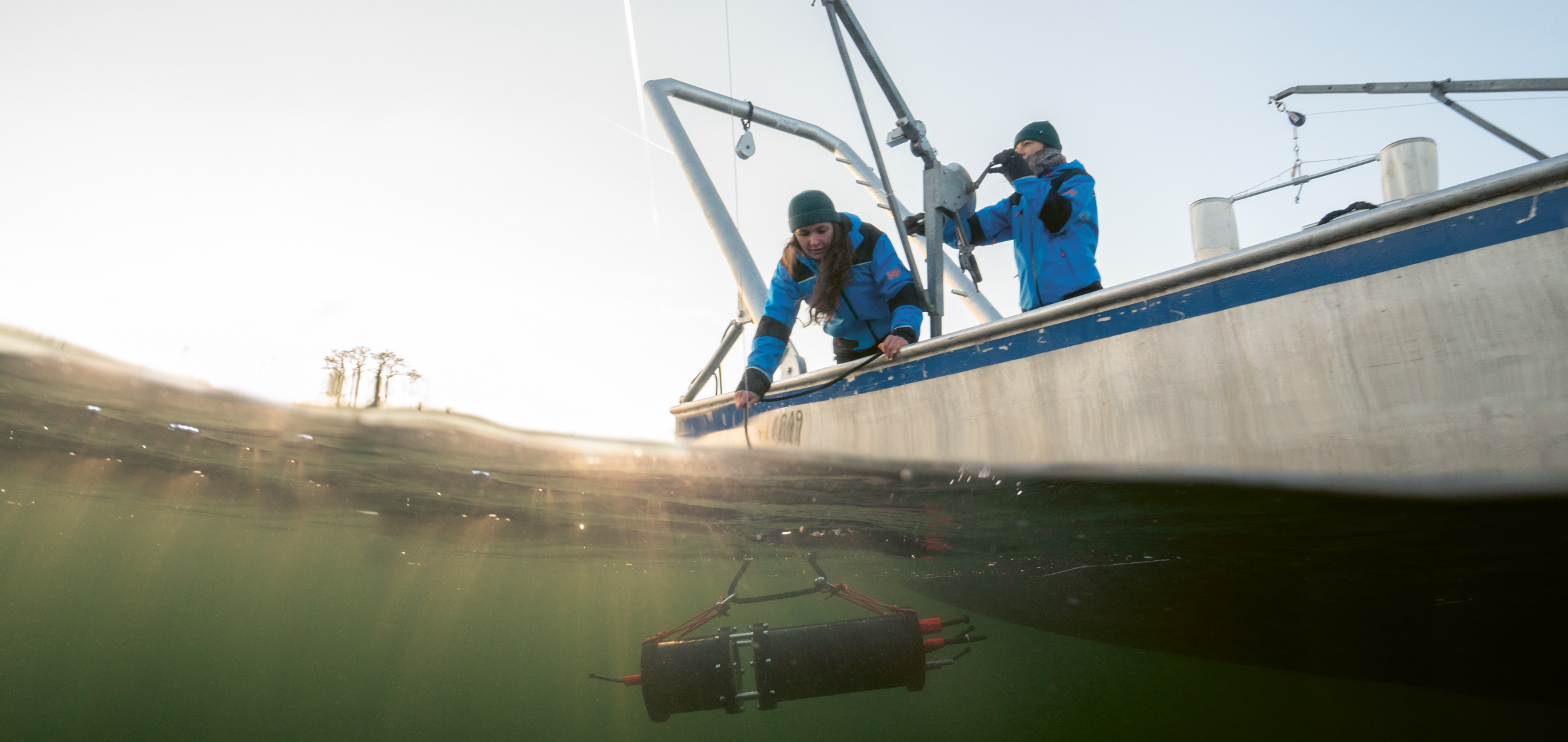
Photo de couverture: Les chercheuses de l’Eawag Ewa Merz et Thea Kozakiewicz sur le terrain au lac de Greifen (ZH). La caméra sous-marine Aquascope enregistre les minuscules êtres vivants en temps réel. (Photo: Eawag, Jonas Steiner).