Science that matters

Eawag is one of the world’s leading aquatic research institutes. With its professional diversity, close partnerships with practitioners and an international network, Eawag offers an excellent environment for the study of water as a habitat and resource, for identifying problems at an early stage and for developing widely accepted solutions.
Learn more about Eawag

The latest news from Eawag

The latest news from Eawag
LinkedIn
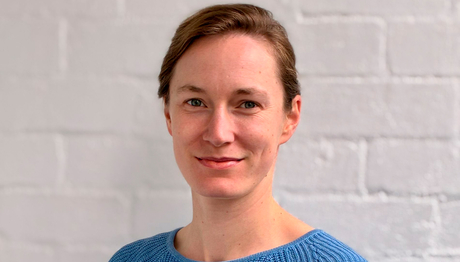
Astrid Stubbusch discovers hunting bacteria
April 28, 2026
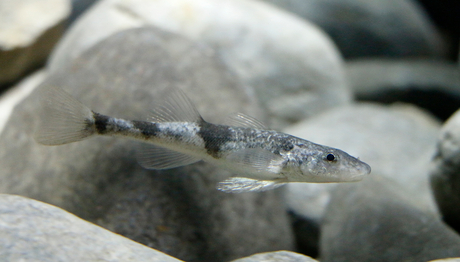
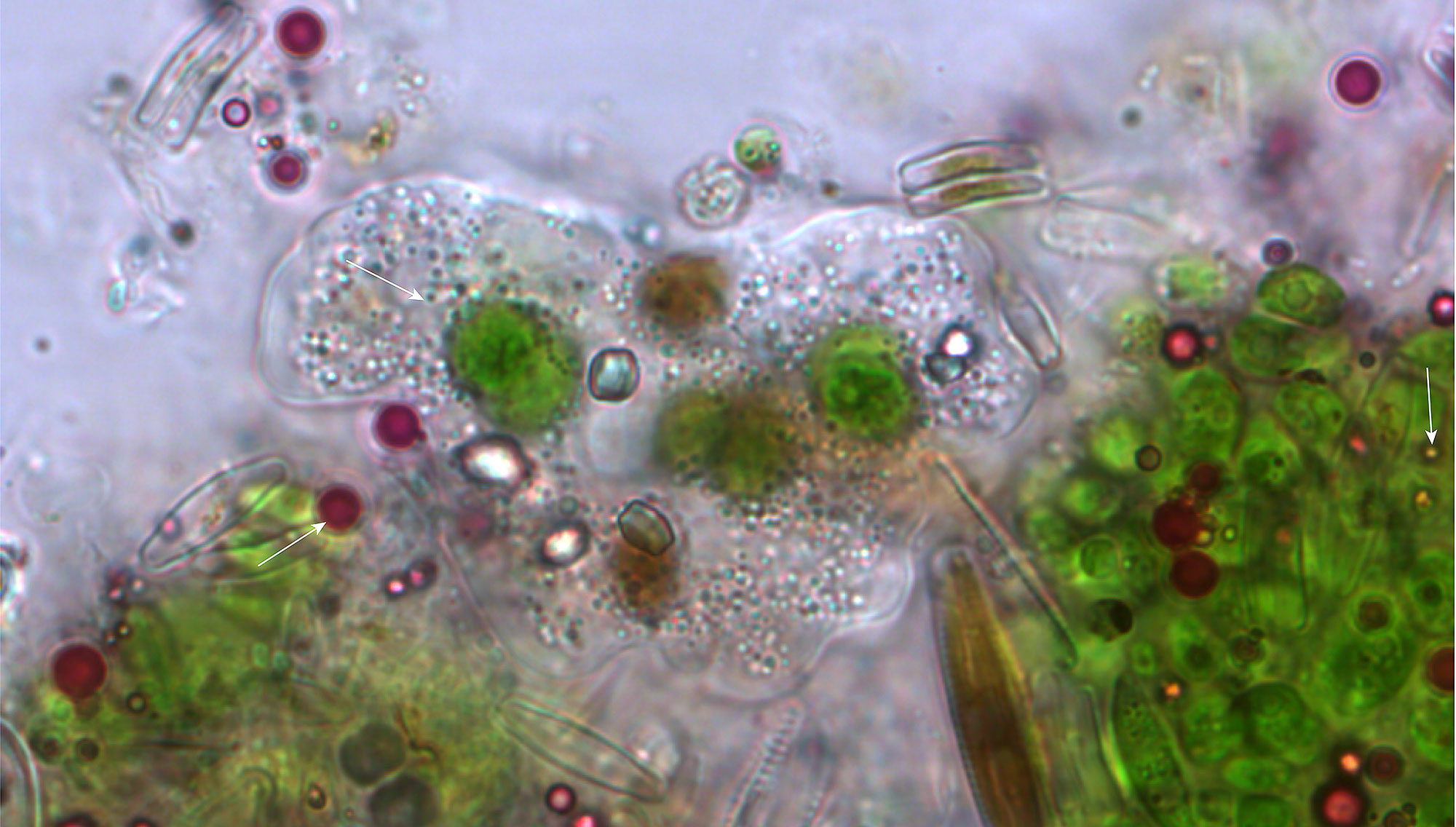
From a very young age, Astrid Stubbusch wanted to thoroughly explore life in all its forms. In her thesis she showed the astounding strategies that bacteria develop to find food. She has now been awarded the Prix Schläfli for Biology for this work.

Photo: Aquatis Aquarium-Vivarium de Lausanne
LinkedIn
Many European freshwater fish are threatened
April 16, 2026
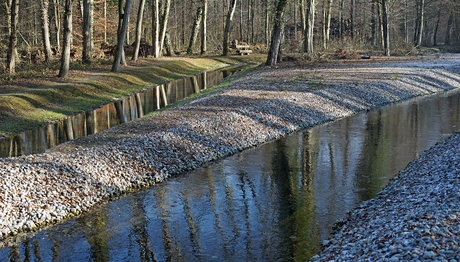
Nearly six in ten native European freshwater fish species are now of elevated conservation concern. This is revealed in the Red List published by the International Union for Conservation of Nature (IUCN).

The study is based, among other things, on measurements taken in the Hardwald area near Basel, where the groundwater is replenished by pre-treated water from the Rhine and around 15 million cubic metres of drinking water are extracted annually for the entire region. (Photo: Hardwasser Ltd)
News
New method for monitoring groundwater recharge
April 14, 2026
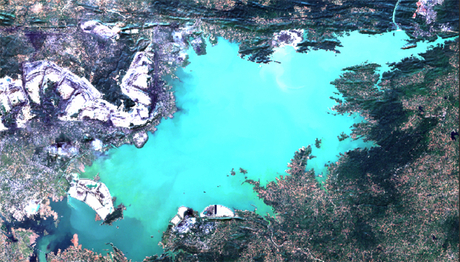
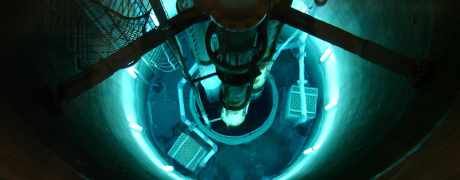
Artificial groundwater recharge is one way of preparing for increasingly frequent dry spells. The length of time the water spends in the ground between infiltration and extraction is crucial to its quality. A study shows that environmental tracers, which enter rivers via the cooling water from nuclear power stations, can be used to determine this residence time.

Satellite image of Govind Ballabh Pant Sagar, India’s largest artificial lake. (Image: European Earth observation programme Copernicus Global Land Service)
News
Coronavirus lockdowns: lakes became clearer ...
April 9, 2026
During the COVID-19 pandemic, the world came to a standstill – and many lakes became measurably clearer. A global study shows that lockdowns caused water turbidity in lakes worldwide to drop sharply, particularly in lakeshore regions and river mouths, as a result of reduced industry, traffic and leisure activities. 

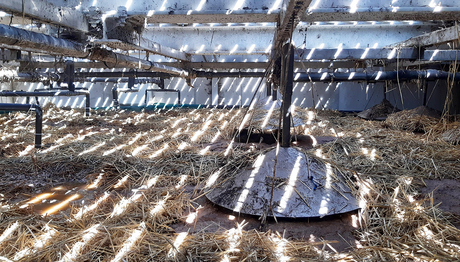
Vermifilter in Geneva, Switzerland (Photo: Kayla Coppens, Eawag)
News
How local materials and climate shape optimal ...
March 30, 2026

The sanitation objective of Sustainable Development Goal 6, sanitation for all, is off-track and far from being completed by 2030. Vermifiltration could help address this gap: The nature-based sanitation management system shows increasing promise globally because of its low cost. Researchers at Eawag’s Sandec department visited vermifilter installations in India and Switzerland to examine how local differences influence their optimal design.