Understanding and protecting water ecosystems better
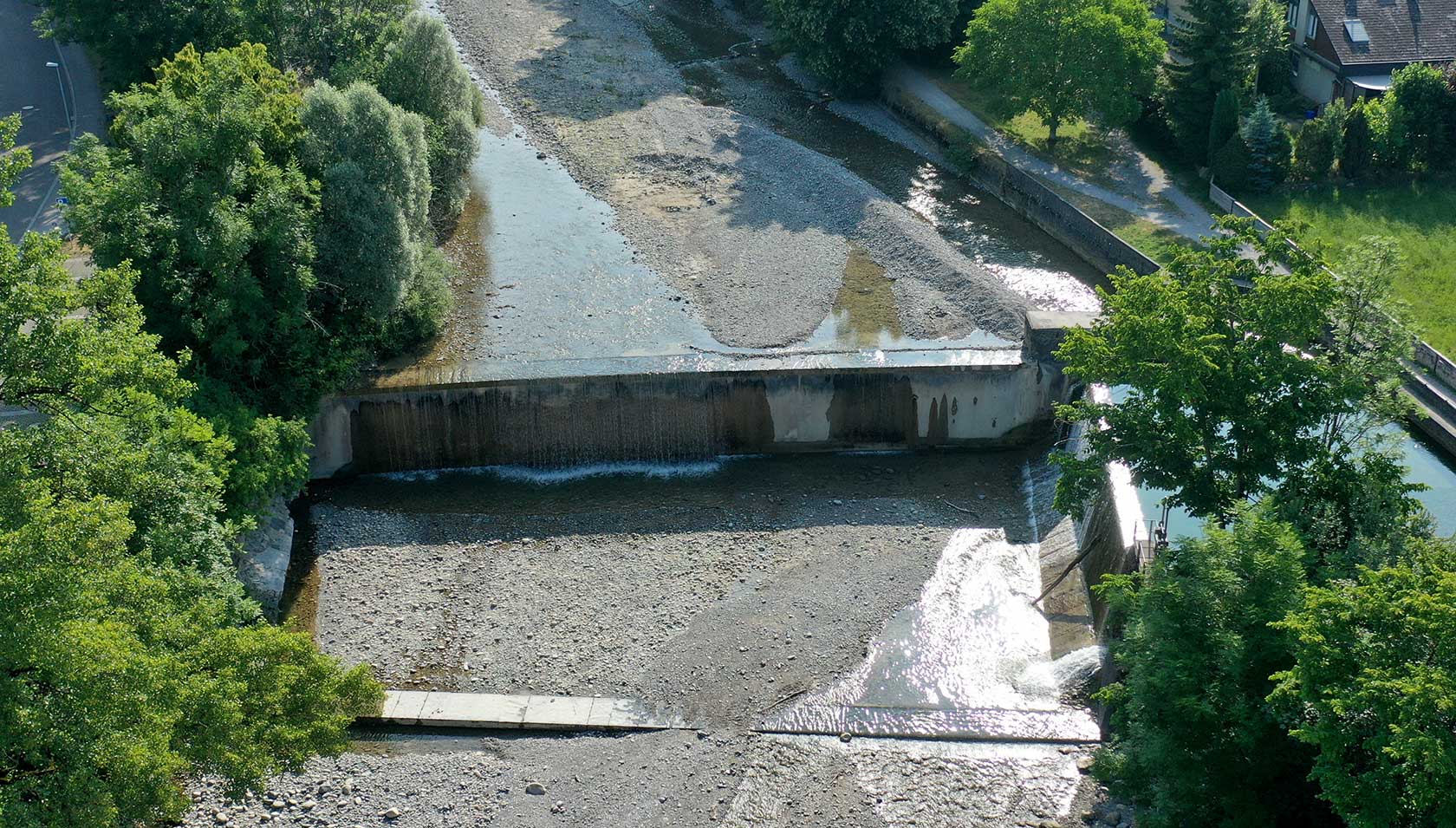
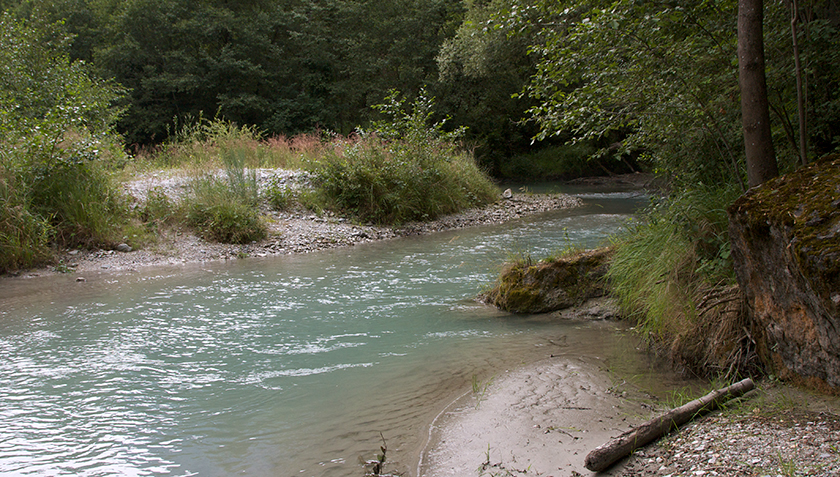
Bodies of water are more than just sources of drinking water for humans. They cool our cities and protect against flooding, they are used for energy production, fishing and shipping and are valuable recreational areas. They are just as important for nature. However, our activities are putting rivers, lakes and groundwater under pressure. Eawag’s research contributes to a better understanding, to sustainable management and to better protection of aquatic ecosystems.
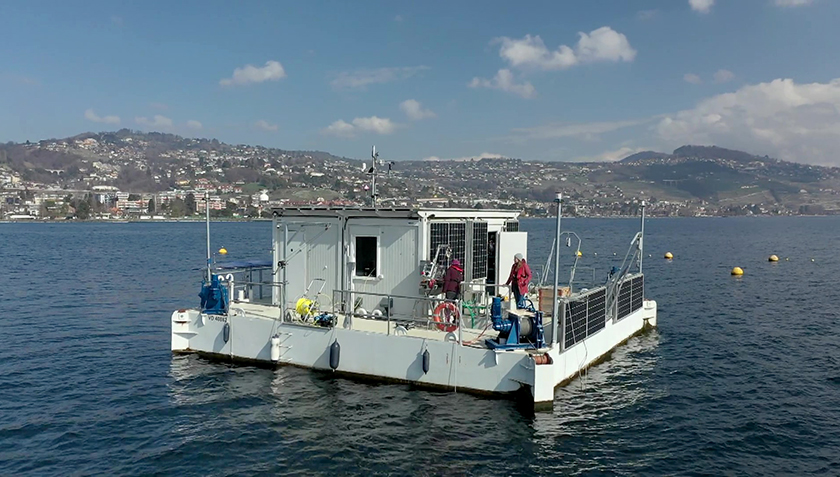
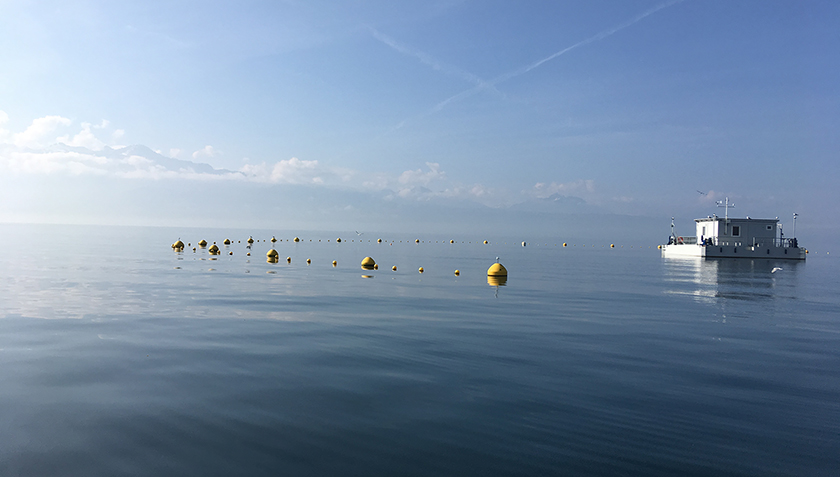
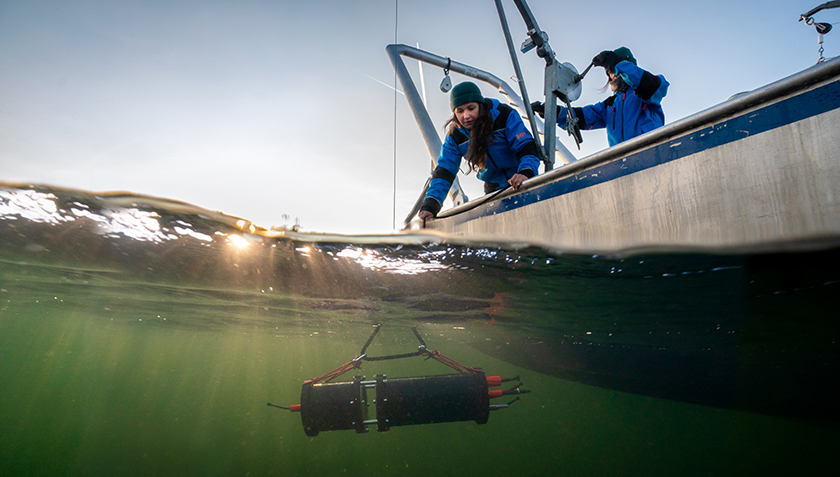
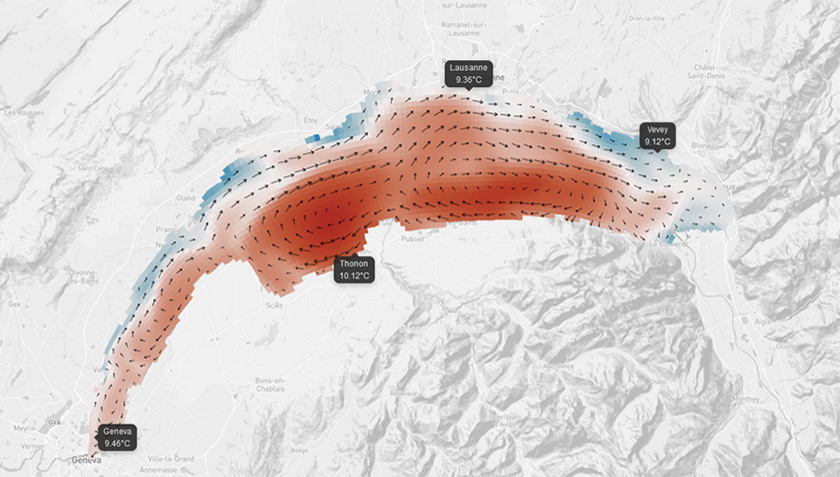
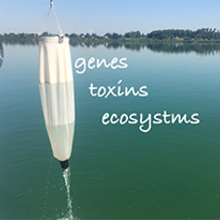
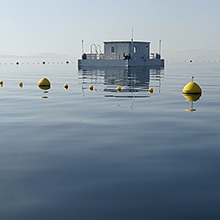
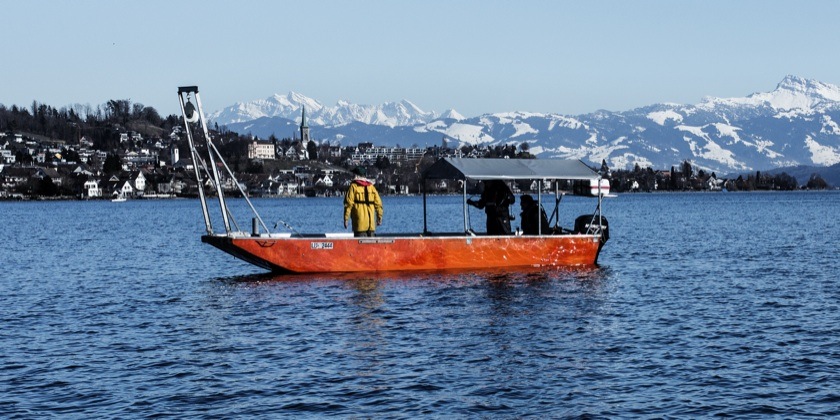
The floating laboratory LéXPLORE on Lake Geneva improves our understanding of lake ecosystems (Photo: Natacha Tofield-Pasche, EPFL).
Complex habitats
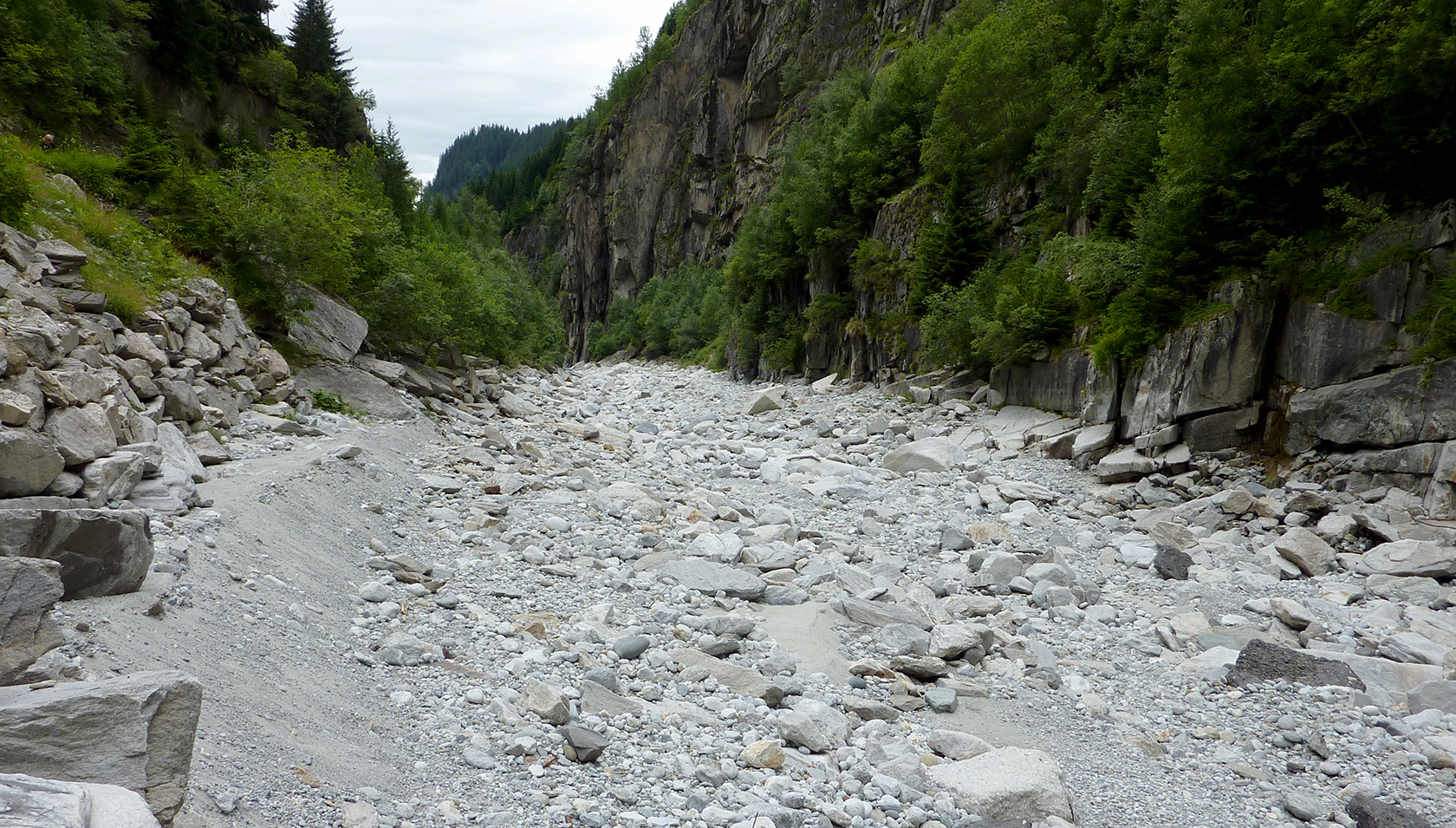
Aquatic ecosystems are characterised by certain chemical and physical properties. A complex interplay of different factors such as water temperature, flow conditions, oxygen and nutrient content or pH influence the processes of life in bodies of water. Eawag is investigating the consequences of pollutant inputs, increased hydropower utilisation, dams and man-made climate change on natural conditions and cycles in aquatic ecosystems.
Understanding how biotic communities react
Not only fish, crabs and mussels are at home in bodies of water. Many birds, some mammals and numerous insects that spend the larval stage in the water also colonise this habitat. They are part of a food web that extends far beyond the bodies of water. Biodiversity in aquatic ecosystem is therefore of great importance - and it is endangered. Eawag is researching the impact of invasive species such as the quagga mussel, pollutants such as pesticides or medicinal products and other environmental stressors on biotic communities.
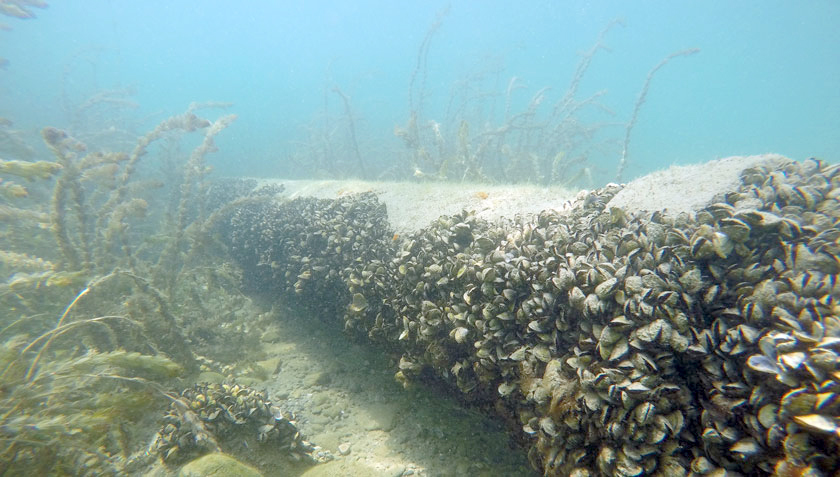
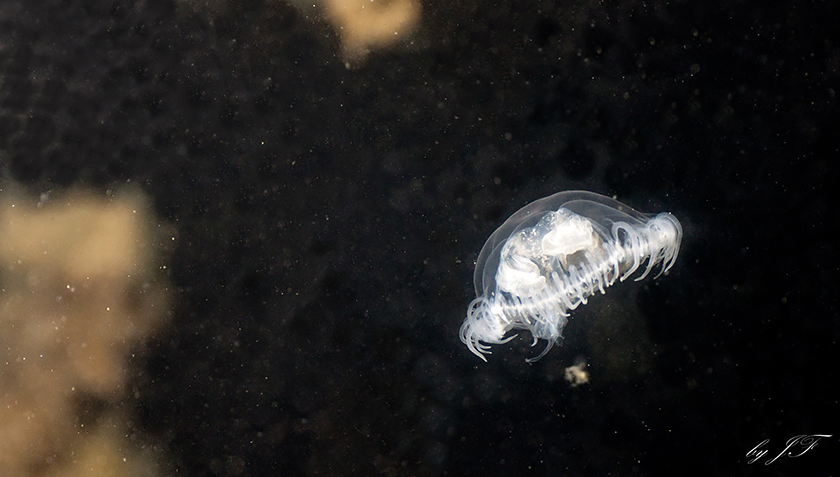
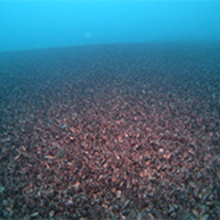
The alien quagga mussel is spreading over Switzerland and affecting lake ecosystems (Photo: Eawag, Linda Haltiner).
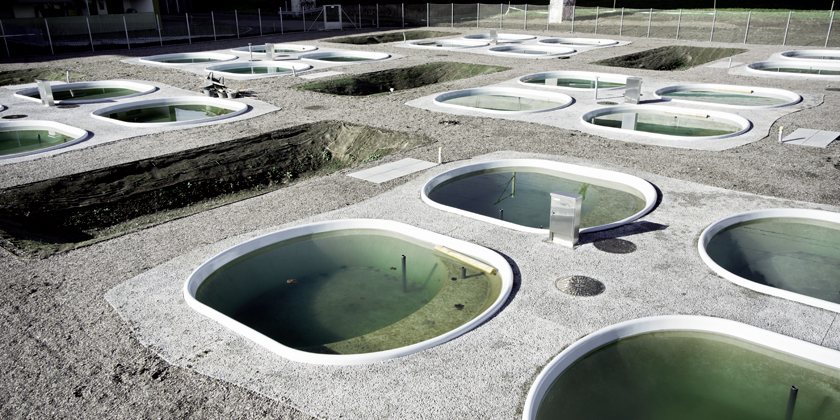
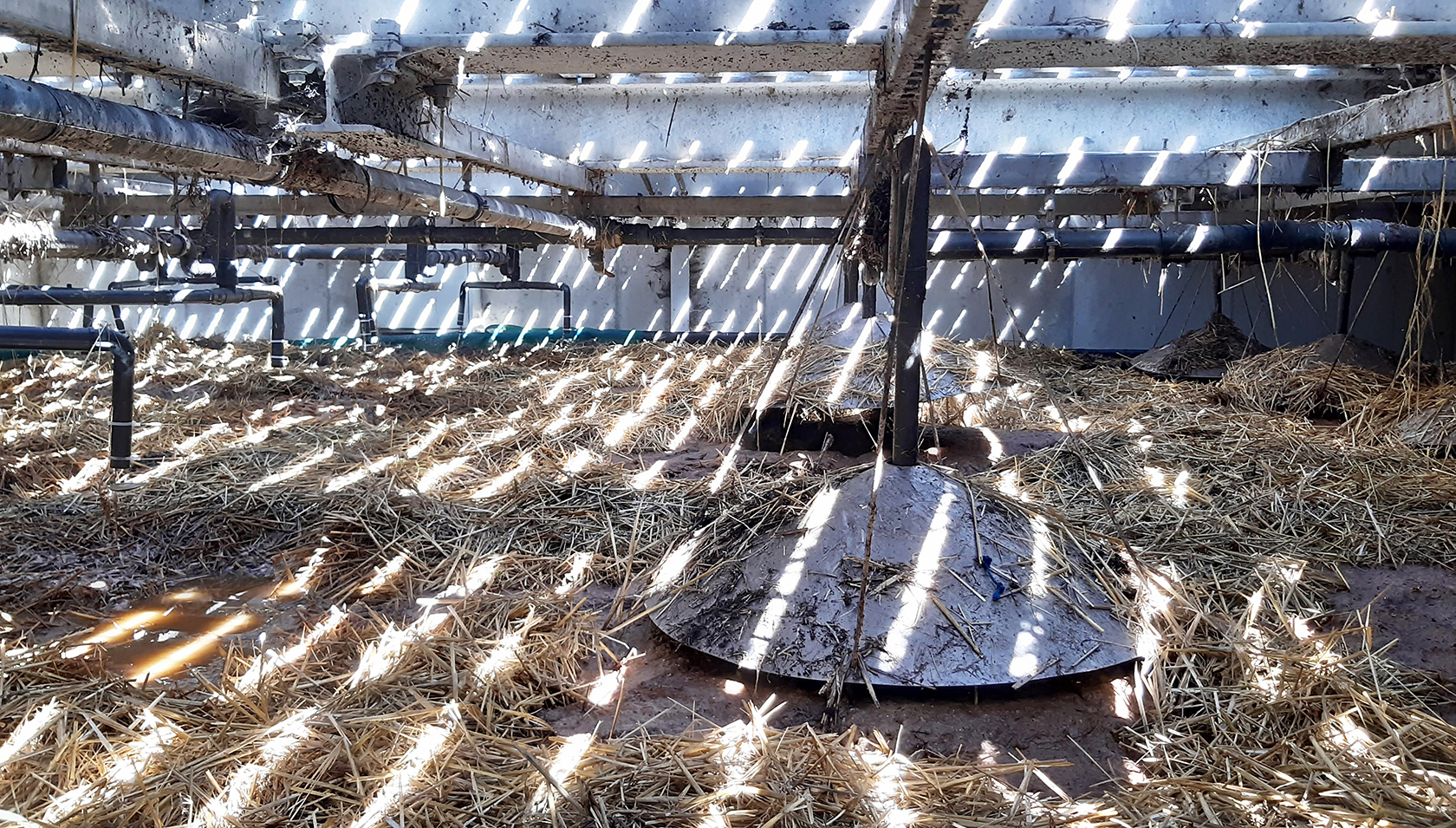
In the experimental pond facility, researchers can study small ecosystems under natural weather conditions (Photo: Eawag).
From measurement to impact monitoring
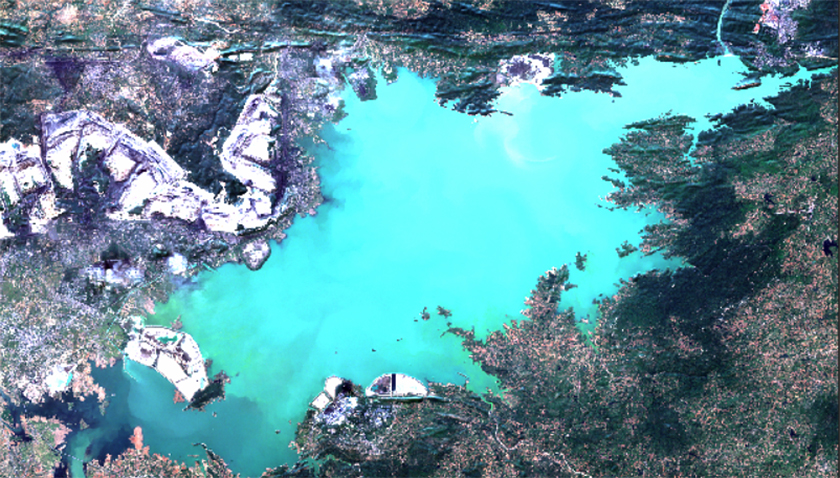
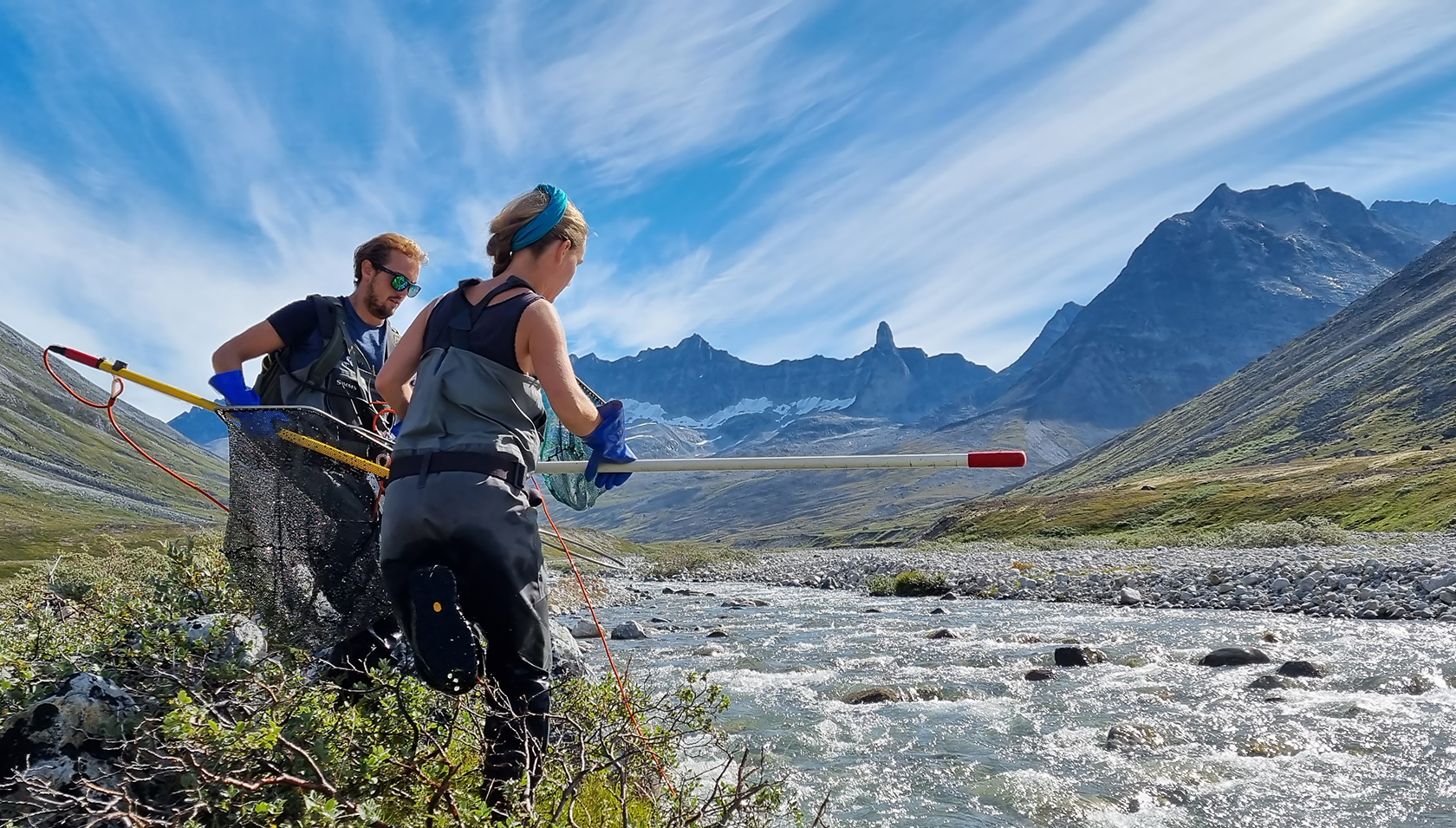
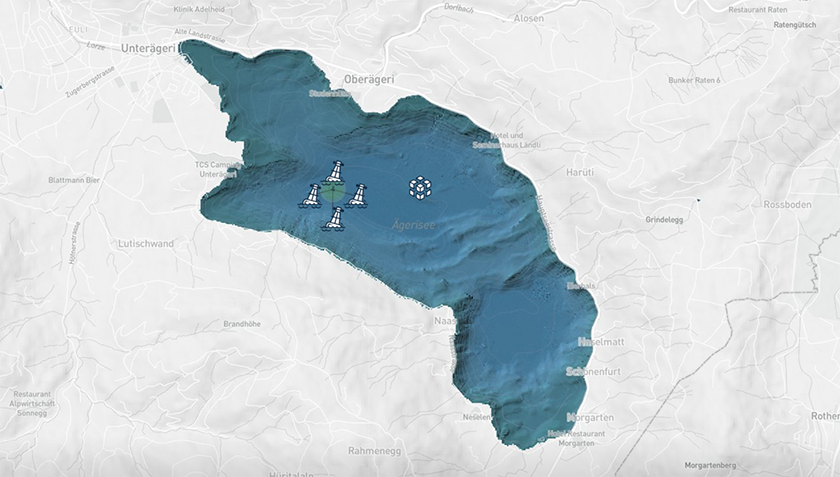
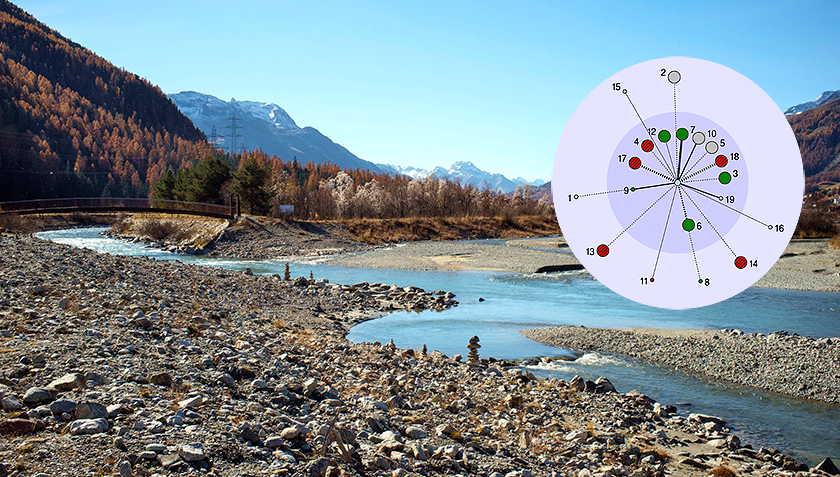
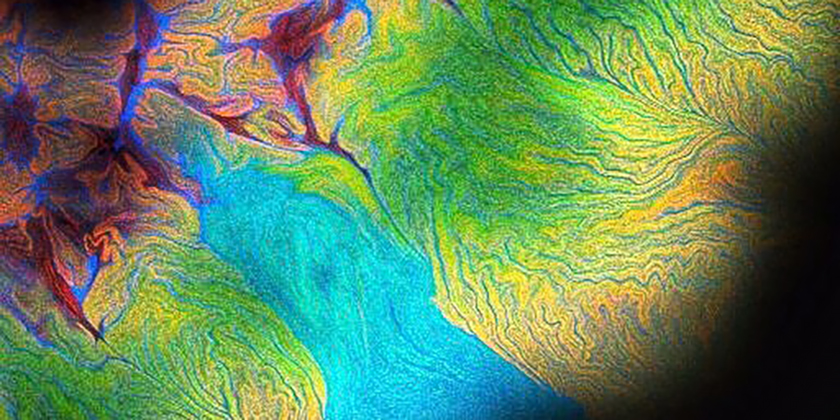
In order to better protect them, we first and foremost need reliable data on aquatic ecosystems. Eawag is developing and testing various methods for analysing the status of bodies of water and the life in them. Satellite data, environmental DNA, an experimental pond facility and various measuring instruments are used for this purpose. The measurement data serve as a basis for models that can be used to estimate the future development of aquatic ecosystems. The findings are incorporated into concepts for sustainable aquatic management or river revitalisation and are also used to monitor the effectiveness of existing measures.
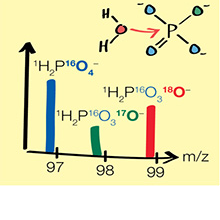
Previous studies monitoring micropollutant concentrations in aquatic invertebrates revealed tissue concentrations of many compounds to be substantially higher than predicted from models...
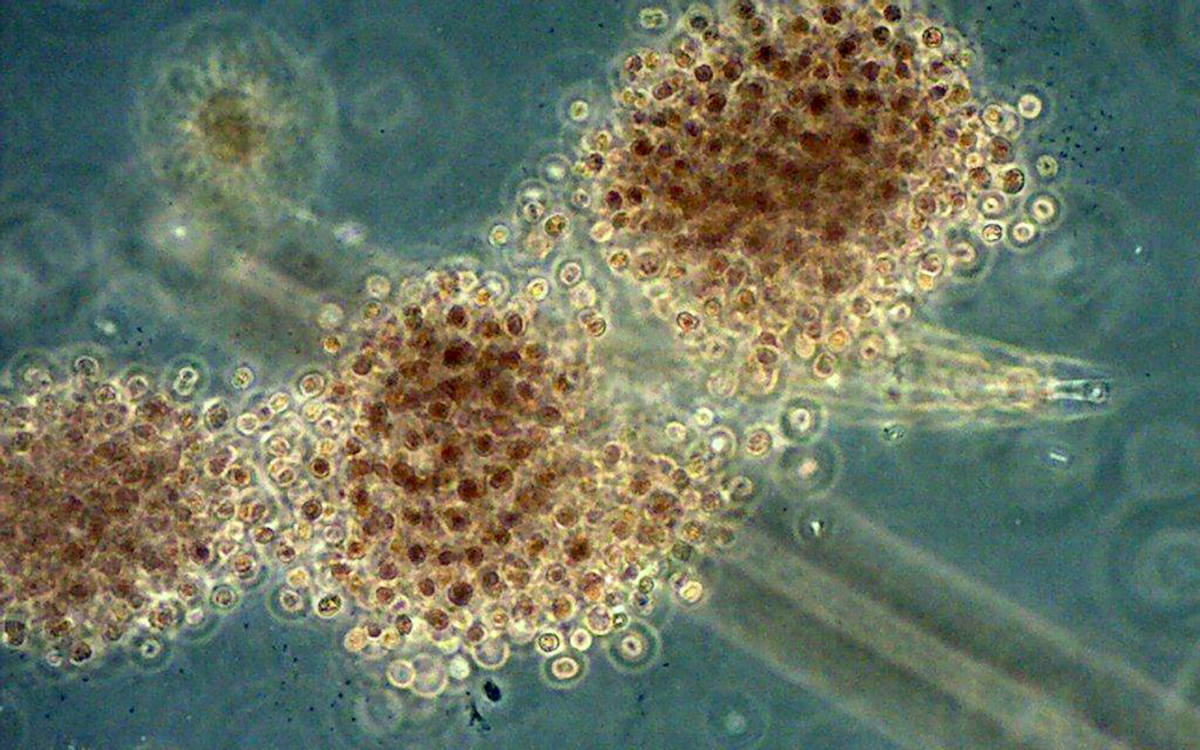
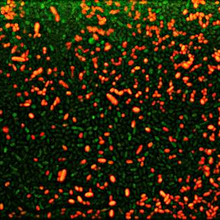
In order to better understand natural processes and also to be able to better control the activities of microbial communities in technical systems such as wastewater treatment plants, we need to understand how microbial communities work.
The research project focuses on watershed management in Swiss mountain areas, aiming at increasing the resilience of mountain ecosystems and meeting societal needs regarding natural resource use and protection.
array(3 items)0 => Snowflake\Publications\Domain\Model\Publicationprototypepersistent entity (uid=34793, pid=124)originalId => protected34793 (integer)
authors => protected'Stubbusch, A. K. M.; Peaudecerf, F. J.; Lee, K . S.; Paoli, L.; Schwartzman, J.; Stocker, R.; Basler,&n bsp;M.; Schubert, O. T.; Ackermann, M.; Magnabosco, C.; D’Souza, G. G.' (254 chars)
title => protected'Antagonism as a foraging strategy in microbial communities' (58 chars)
journal => protected'Science' (7 chars)
year => protected2025 (integer)
volume => protected388 (integer)
issue => protected'6752' (4 chars)
startpage => protected'1214' (4 chars)
otherpage => protected'1217' (4 chars)
categories => protected'' (0 chars)
description => protected'In natural habitats, nutrient availability limits bacterial growth. We disco vered that bacteria can overcome this limitation by acquiring nutrients by l ysing neighboring cells through contact-dependent antagonism. Using single-c ell live imaging and isotopic markers, we found that during starvation, the type VI secretion system (T6SS) lysed neighboring cells and thus provided nu trients from lysing cells for growth. Genomic adaptations in antagonists, ch aracterized by a reduced metabolic gene repertoire, and the previously unexp lored distribution of the T6SS across bacterial taxa in natural environments suggest that bacterial antagonism may contribute to nutrient transfer withi n microbial communities in many ecosystems.' (727 chars)
serialnumber => protected'0036-8075' (9 chars)
doi => protected'10.1126/science.adr8286' (23 chars)
uid => protected34793 (integer)
_localizedUid => protected34793 (integer)modified_languageUid => protectedNULL
_versionedUid => protected34793 (integer)modifiedpid => protected124 (integer)1 => Snowflake\Publications\Domain\Model\Publicationprototypepersistent entity (uid=35074, pid=124)originalId => protected35074 (integer)
authors => protected'Baeyens, W.; Gao, Y.; Janssen, D. J.; Bowie, A.&nbs p;R.; Zhou, C.; Fan, G.' (109 chars)
title => protected'Prevalence of multi-micronutrient limitation of phytoplankton growth in the Southern Ocean' (90 chars)
journal => protected'One Earth' (9 chars)
year => protected2025 (integer)
volume => protected8 (integer)
issue => protected'9' (1 chars)
startpage => protected'101354 (10 pp.)' (15 chars)
otherpage => protected'' (0 chars)
categories => protected'' (0 chars)
description => protected'Ongoing global warming caused by a steady increase in carbon dioxide in the atmosphere urgently needs to be mitigated. This is possible if phytoplankton biomass is increased in the ocean, as this will remove additional atmospher ic CO<sub>2</sub>. In the Southern Ocean, Fe is a well-known growth-limiting element, but the role of the other micronutrients remains very unclear. Our aim is to describe the evolution of each nutrient in the Southern Ocean thr oughout the year and to identify nutrients that limit phytoplankton growth. Therefore, we created a model that calculates nutrient consumption rates and available nutrient pools, fueled by deep winter mixing and diapycnal supply . Annual consumed nutrient amounts are smaller than their labile dissolved p ools, but this is not true for limiting elements Fe and Co (from the sub-Ant arctic zone [SAZ] to the Antarctic zone [AZ]) and Zn and Si (only in the SAZ ). Since we found several limiting elements, fertilization with multiple nut rients would be required to promote large-scale carbon capture.' (1051 chars)
serialnumber => protected'2590-3330' (9 chars)
doi => protected'10.1016/j.oneear.2025.101354' (28 chars)
uid => protected35074 (integer)
_localizedUid => protected35074 (integer)modified_languageUid => protectedNULL
_versionedUid => protected35074 (integer)modifiedpid => protected124 (integer)2 => Snowflake\Publications\Domain\Model\Publicationprototypepersistent entity (uid=35142, pid=124)originalId => protected35142 (integer)
authors => protected'Oester, R.; Keck, F.; Moretti, M. S.; Altermatt, F. ; Bruder, A.; Ferreira, V.' (112 chars)
title => protected'A global synthesis on land-cover changes in watersheds shaping freshwater de trital food webs' (92 chars)
journal => protected'Global Change Biology' (21 chars)
year => protected2025 (integer)
volume => protected31 (integer)
issue => protected'8' (1 chars)
startpage => protected'e70380 (21 pp.)' (15 chars)
otherpage => protected'' (0 chars)
categories => protected'allochthonous matter processing; aquatic-terrestrial linkages; decomposers; decomposition; deforestation; detritivores; detritus; meta-analysis; shredde rs; stream biodiversity' (175 chars)
description => protected'Anthropogenic land-cover changes are among the most pressing global threats to both aquatic and terrestrial ecosystems, jeopardizing biodiversity and th e critical connections between these systems. Resource flows and trophic int eractions intricately link aquatic and terrestrial ecosystems, with terrestr ial-derived detritus playing a fundamental role in supporting aquatic food w ebs. These detrital inputs form essential cross-ecosystem linkages, underpin ning key ecological processes and providing vital resources for aquatic comm unities. Yet, little research has focused on how land-cover changes cascade across this linkage. To better understand how land-cover changes in the wate rshed influence freshwater detrital food webs, we conducted a meta-analysis of field studies reporting the effects of vegetation changes on freshwater d etrital consumers and organic matter decomposition. The results from 144 stu dies, reporting 1235 comparisons, showed that, overall, land-cover changes i n the watershed vegetation, especially through harvest and land-use conversi on, have negative effects on aquatic biodiversity and ecosystem processes. T hese vegetation changes reduced diversity, abundance, and biomass across mul tiple trophic levels in freshwater detrital food webs. Studies examining mul tiple organism groups most often observed negative responses across multiple trophic levels, suggesting that these land-cover changes negatively affecte d multiple detrital food-web components simultaneously. Our results also sho w that outcomes of restoration of watershed vegetation were context-dependen t, and no clear trend of improvement was visible. Therefore, conservation of natural riparian and catchment vegetation is key to maintaining freshwater ecosystem processes and aquatic biodiversity worldwide, and more efficient a nd evidence-based restoration measures are urgently needed. As our global sy nthesis shows that direct human-induced alterations of vegetation in watersh eds have significant neg...' (2177 chars)
serialnumber => protected'1354-1013' (9 chars)
doi => protected'10.1111/gcb.70380' (17 chars)
uid => protected35142 (integer)
_localizedUid => protected35142 (integer)modified_languageUid => protectedNULL
_versionedUid => protected35142 (integer)modifiedpid => protected124 (integer)
Antagonism as a foraging strategy in microbial communities
In natural habitats, nutrient availability limits bacterial growth. We discovered that bacteria can overcome this limitation by acquiring nutrients by lysing neighboring cells through contact-dependent antagonism. Using single-cell live imaging and isotopic markers, we found that during starvation, the type VI secretion system (T6SS) lysed neighboring cells and thus provided nutrients from lysing cells for growth. Genomic adaptations in antagonists, characterized by a reduced metabolic gene repertoire, and the previously unexplored distribution of the T6SS across bacterial taxa in natural environments suggest that bacterial antagonism may contribute to nutrient transfer within microbial communities in many ecosystems.
Stubbusch, A. K. M.; Peaudecerf, F. J.; Lee, K. S.; Paoli, L.; Schwartzman, J.; Stocker, R.; Basler, M.; Schubert, O. T.; Ackermann, M.; Magnabosco, C.; D’Souza, G. G. (2025) Antagonism as a foraging strategy in microbial communities, Science, 388(6752), 1214-1217, doi:10.1126/science.adr8286, Institutional Repository
Prevalence of multi-micronutrient limitation of phytoplankton growth in the Southern Ocean
Ongoing global warming caused by a steady increase in carbon dioxide in the atmosphere urgently needs to be mitigated. This is possible if phytoplankton biomass is increased in the ocean, as this will remove additional atmospheric CO2. In the Southern Ocean, Fe is a well-known growth-limiting element, but the role of the other micronutrients remains very unclear. Our aim is to describe the evolution of each nutrient in the Southern Ocean throughout the year and to identify nutrients that limit phytoplankton growth. Therefore, we created a model that calculates nutrient consumption rates and available nutrient pools, fueled by deep winter mixing and diapycnal supply. Annual consumed nutrient amounts are smaller than their labile dissolved pools, but this is not true for limiting elements Fe and Co (from the sub-Antarctic zone [SAZ] to the Antarctic zone [AZ]) and Zn and Si (only in the SAZ). Since we found several limiting elements, fertilization with multiple nutrients would be required to promote large-scale carbon capture.
Baeyens, W.; Gao, Y.; Janssen, D. J.; Bowie, A. R.; Zhou, C.; Fan, G. (2025) Prevalence of multi-micronutrient limitation of phytoplankton growth in the Southern Ocean, One Earth, 8(9), 101354 (10 pp.), doi:10.1016/j.oneear.2025.101354, Institutional Repository
A global synthesis on land-cover changes in watersheds shaping freshwater detrital food webs
Anthropogenic land-cover changes are among the most pressing global threats to both aquatic and terrestrial ecosystems, jeopardizing biodiversity and the critical connections between these systems. Resource flows and trophic interactions intricately link aquatic and terrestrial ecosystems, with terrestrial-derived detritus playing a fundamental role in supporting aquatic food webs. These detrital inputs form essential cross-ecosystem linkages, underpinning key ecological processes and providing vital resources for aquatic communities. Yet, little research has focused on how land-cover changes cascade across this linkage. To better understand how land-cover changes in the watershed influence freshwater detrital food webs, we conducted a meta-analysis of field studies reporting the effects of vegetation changes on freshwater detrital consumers and organic matter decomposition. The results from 144 studies, reporting 1235 comparisons, showed that, overall, land-cover changes in the watershed vegetation, especially through harvest and land-use conversion, have negative effects on aquatic biodiversity and ecosystem processes. These vegetation changes reduced diversity, abundance, and biomass across multiple trophic levels in freshwater detrital food webs. Studies examining multiple organism groups most often observed negative responses across multiple trophic levels, suggesting that these land-cover changes negatively affected multiple detrital food-web components simultaneously. Our results also show that outcomes of restoration of watershed vegetation were context-dependent, and no clear trend of improvement was visible. Therefore, conservation of natural riparian and catchment vegetation is key to maintaining freshwater ecosystem processes and aquatic biodiversity worldwide, and more efficient and evidence-based restoration measures are urgently needed. As our global synthesis shows that direct human-induced alterations of vegetation in watersheds have significant negative effects on freshwater detrital food webs, there is a pressing need to consider cross-ecosystem consequences of land-cover changes in conservation and ecosystem management.
Oester, R.; Keck, F.; Moretti, M. S.; Altermatt, F.; Bruder, A.; Ferreira, V. (2025) A global synthesis on land-cover changes in watersheds shaping freshwater detrital food webs, Global Change Biology, 31(8), e70380 (21 pp.), doi:10.1111/gcb.70380, Institutional Repository
Cover picture: Eawag researchers Anita Narwani, Marta Reyes and Joey Bernhardt take water samples from one of the experimental ponds of Eawag (Photo: Thomas Klaper).